Test driving a car isn’t just about seeing how it feels, it’s your one real shot at discovering potential problems before you commit. Many buyers, especially when shopping online or under pressure, skip this crucial step and pay the price later. From comfort issues to mechanical surprises, a quick spin around the block can uncover a lot more than you’d expect. These 15 reasons explain exactly why skipping a test drive might leave you regretting your purchase and spending more than you planned.
Brake Response isn’t Always Predictable

Reading about a car’s braking system doesn’t give you the full picture. Only a test drive lets you experience how the brakes respond under pressure. Some brakes are softer, requiring more force, while others may feel too sensitive. It’s important to feel confident that the brakes will work when you need them most. Always test the brakes in a safe environment.
Handling and Steering Feel Matter

How a car feels on the road is essential to the driving experience. You can read reviews, but until you drive the car, you won’t know how it handles. Some cars provide tight, responsive steering, while others may feel loose or unsteady. A test drive helps you judge if the car feels controlled, especially when turning or changing lanes. Make sure it feels safe and comfortable to drive.
Blind Spots Aren’t Obvious in Photos

Blind spots can be dangerous, especially when changing lanes or merging. The only way to truly assess visibility is by test-driving the car. Sometimes, thick pillars or poor design can obstruct your view in ways you won’t notice from a photo. In-person testing helps you determine if these blind spots pose a risk. It’s essential to make sure your line of sight is clear when you’re driving.
You Might Discover Strange Noises
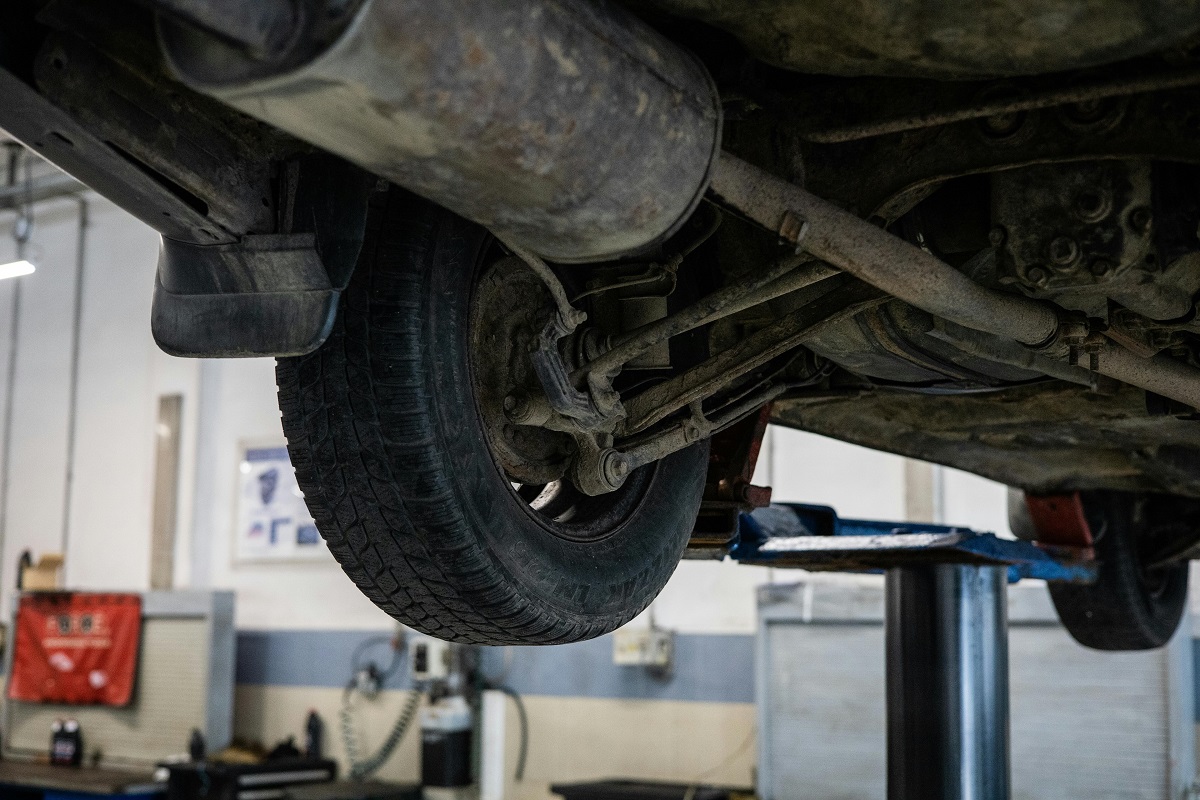
Car noises can reveal hidden issues that might not show up during a visual inspection. During a test drive, listen for squeaks, rattles, or grinding sounds that could signal mechanical problems. Strange noises may indicate issues with the suspension, engine, or brakes. It’s easier to identify and address these problems during a test drive. Don’t ignore any unusual sounds when driving.
Related: 12 Futuristic Cars That Feel Like They Were Designed For Gen Z
Acceleration Can Be Disappointing
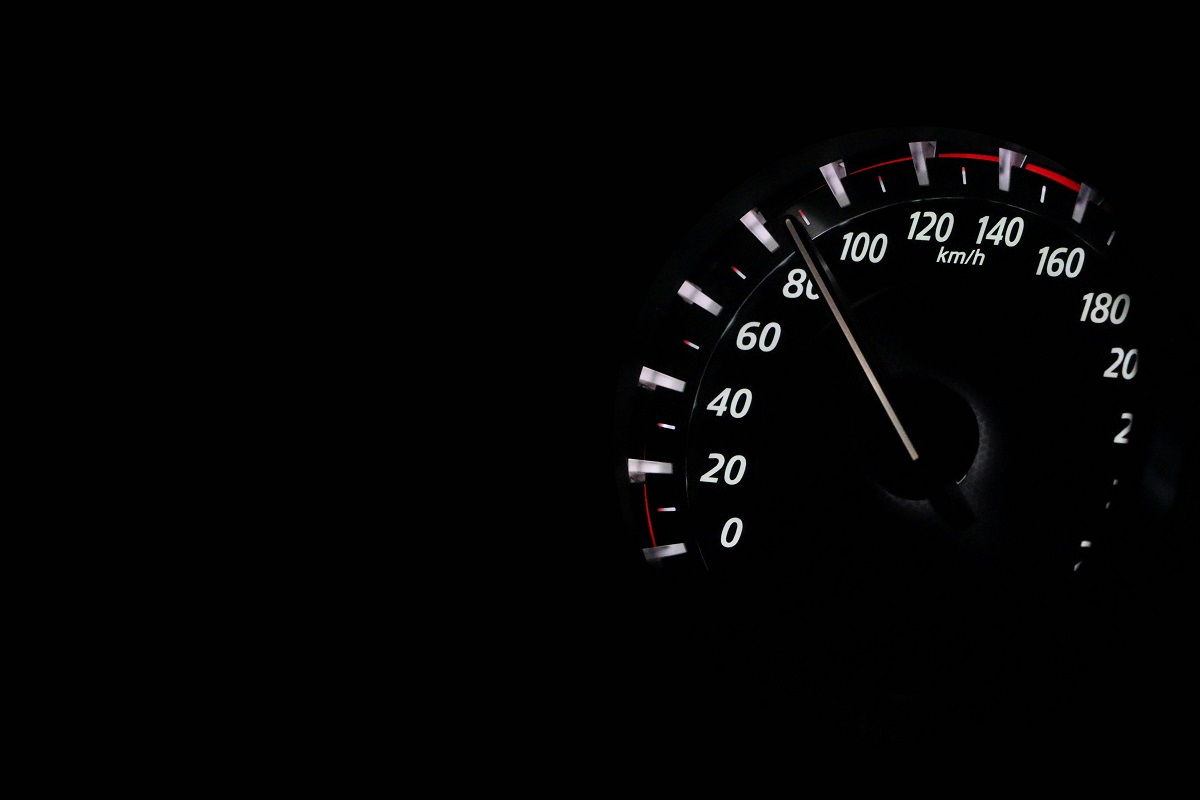
Specs can be misleading when it comes to acceleration. A car might have impressive horsepower on paper, but it could feel sluggish on the road. A test drive lets you feel the car’s acceleration, especially when merging or passing on the highway. If it doesn’t feel as responsive as you expect, it could be a dealbreaker. Make sure the car delivers the performance you want before purchasing.
Related: 13 Brutal Truths About Gas Cars That Millennials Have Finally Had Enough Of
Cabin Noise Might Be a Deal Breaker
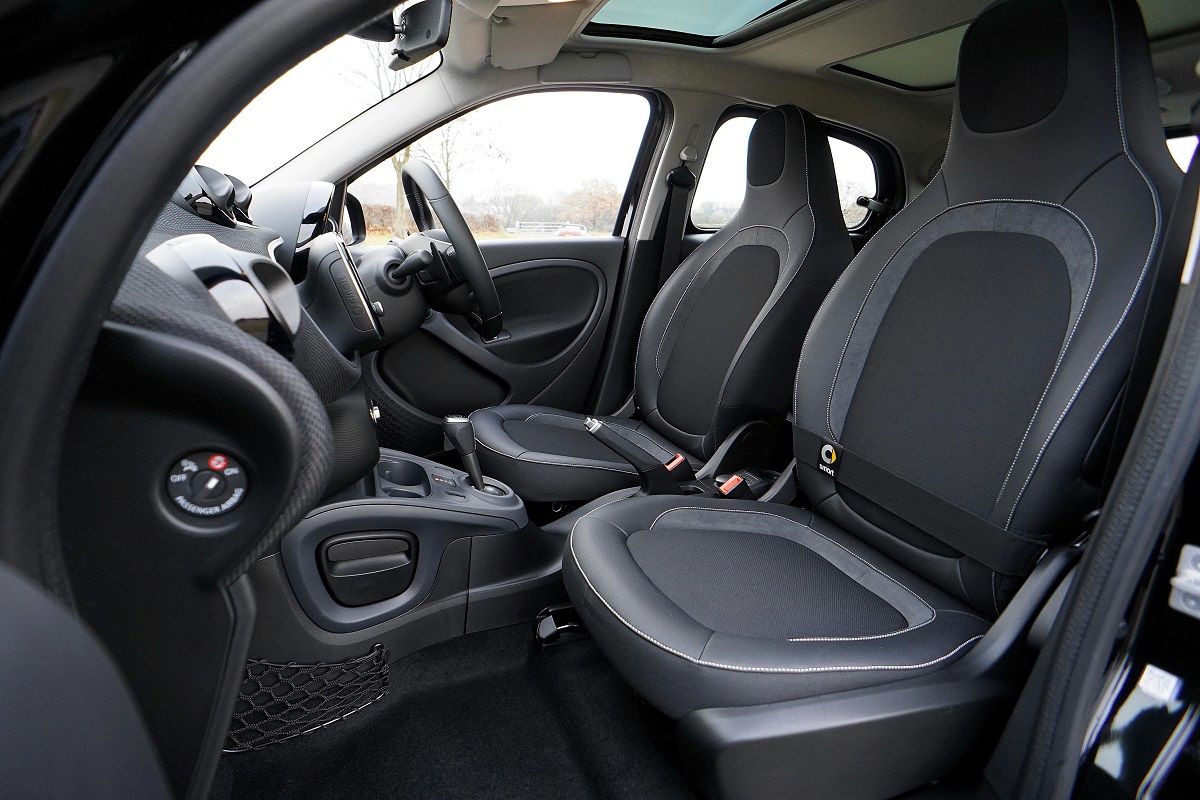
The noise inside the cabin can affect your comfort, especially on longer trips. Wind noise, tire hum, or engine sounds can be more noticeable at higher speeds. During your test drive, pay attention to how quiet or noisy the cabin is. Excessive noise can make your driving experience less enjoyable. A quieter cabin makes a big difference for comfort, so test it out.
Related: 13 Best Cars for Retirees Who Want Comfort, Luxury, and Zero Stress
Mirror Adjustments Could Be Limiting

Sometimes, mirrors don’t offer as clear a view as you might expect. While driving, adjust the mirrors and check for any blind spots that might pose a safety risk. Some vehicles have mirrors that are hard to adjust or don’t cover enough of your surroundings. Test the mirrors to ensure you have a clear view of traffic and other cars. It’s essential to make sure you feel confident while driving.
Related: 15 Classic Cars That Will Make You Wish You Were Born in the ‘50s or ‘60s
You Can See How it Performs in Real-World Conditions

On a test drive, you can see how the car performs in everyday situations, such as in traffic, at high speeds, or during a commute. You’ll experience the car’s true handling, comfort, and performance, which can’t always be captured by specs alone. Real-world conditions can reveal flaws or surprises that you may not have anticipated.
Related: 13 Iconic Cars That Define Automotive Greatness
The “Feel” Might Just Be Off

The driving experience isn’t always about specs, it’s about how the car makes you feel behind the wheel. Sometimes, a car just doesn’t feel right, no matter how good it looks on paper. A test drive lets you gauge the overall experience, from handling to comfort. If something feels off, whether it’s the driving position, response, or comfort, it could be a sign that this car isn’t for you.
Related: 12 Rare Cars Hiding In Plain Sight That Could Be Worth A Fortune
Parking Ease Shouldn’t Be Assumed

Parking a car can be more challenging than it appears, especially if the car is bulky or has poor visibility. During your test drive, assess the car’s maneuverability and how easily it parks in tight spaces. Some cars have large turning radii, making parking difficult. Make sure the car is easy to park, especially if you live in a crowded area.
Related: 12 Outrageous Cars That Shouldn’t Exist But Somehow Do
Transmission Behavior isn’t Always Smooth
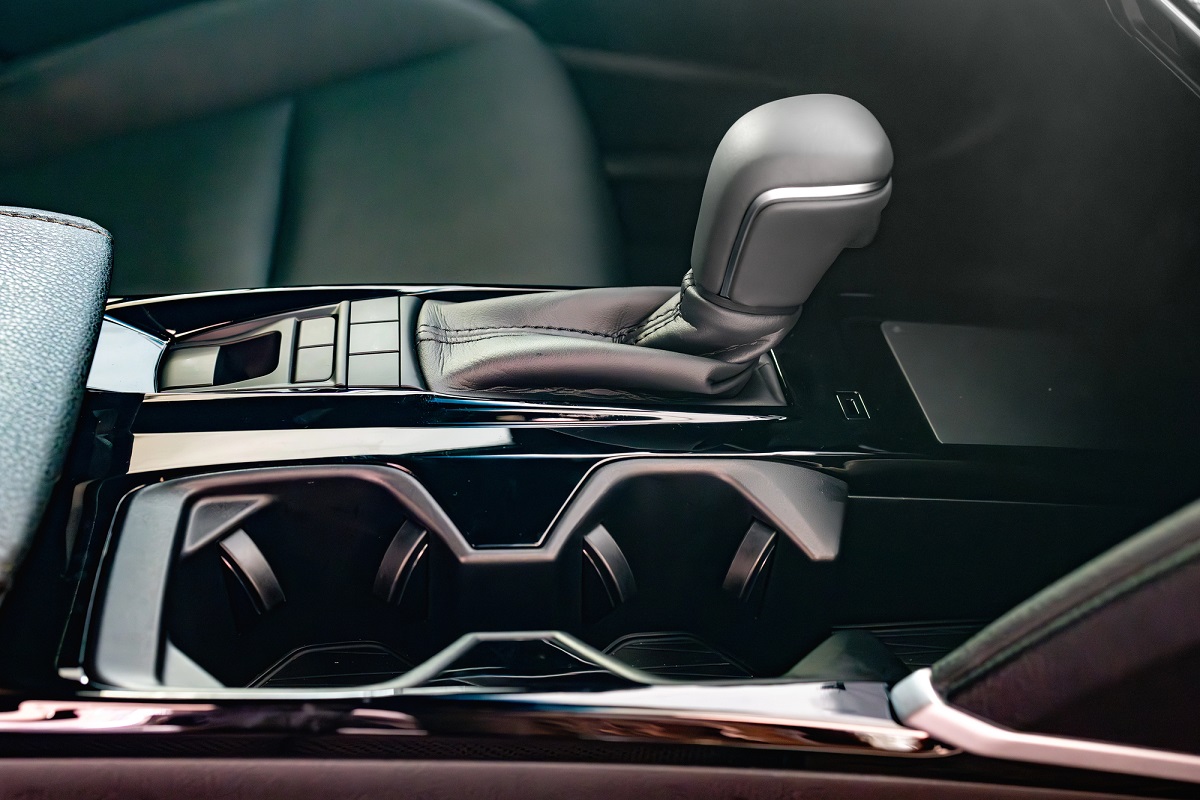
Cars with automatic transmissions can behave unpredictably, shifting too quickly or too slowly. A test drive helps you understand how the transmission performs in various situations. Some cars might feel jerky during acceleration or deceleration, while others shift smoothly. Test the transmission in different driving conditions to see how it responds.
Related: 14 Classic Cars That Skyrocketed In Value And Could Make You A Millionaire
You Might Feel Claustrophobic
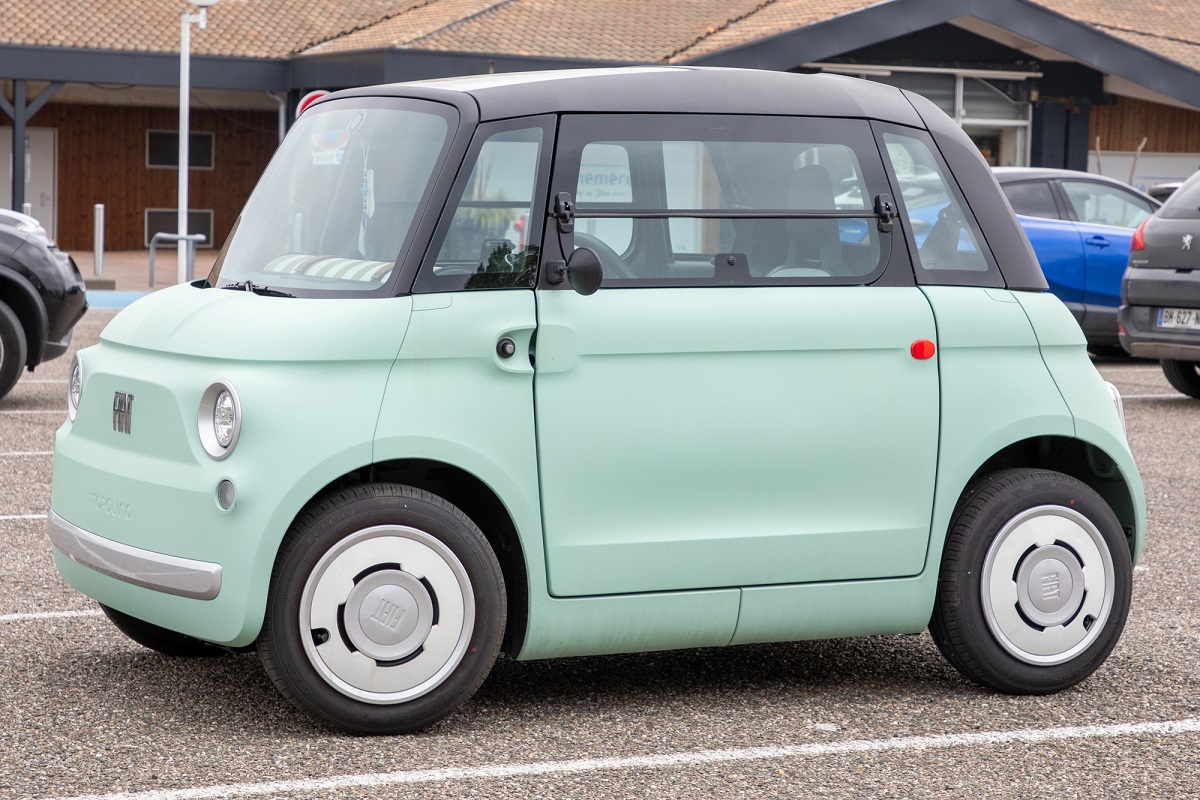
Some cars may feel more cramped once you’re inside, especially if you’re tall or have a larger build. Check if you feel comfortable with the seat positioning and overall space inside. Certain cars have low ceilings or narrow interiors that can make them feel restrictive. A test drive lets you assess whether the cabin feels too cramped for your comfort.
Related: 13 Genius Car Gadgets You’ll Wish You Bought Sooner
Trunk Access and Storage May Fall Short

You might think a car has enough cargo space, but its design could limit how practical it is for your daily needs. Check how easy it is to load and unload items in the trunk, especially large or bulky items. Some cars may have a narrow opening or a high lip that makes it hard to lift heavy items in. The test drive is your chance to ensure the trunk is as functional as it looks.
Related: 15 Bucket List Road Trips That Will Change the Way You See the World
Backseat Space is Often Deceiving
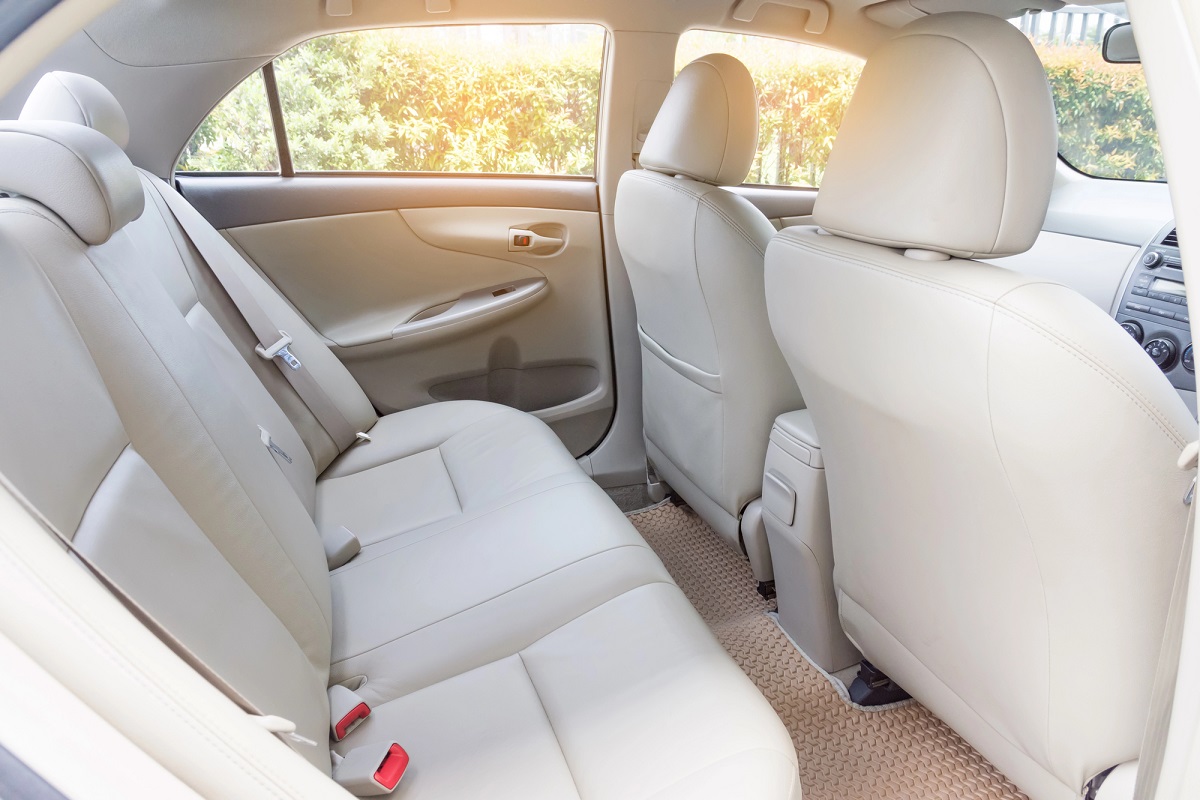
A car might appear spacious, but the backseat could feel cramped in reality. Test the backseat space to see if it’s comfortable for adults or children. Some cars might have limited legroom or a low roofline that makes the backseat feel tight. It’s important to check if the backseat will meet your needs, especially if you plan on carrying passengers often.
Related: You’ve Been Washing Your Car Wrong This Whole Time Here’s The Right Way
Suspension Could Feel Too Soft or Too Stiff

The suspension system affects how the car handles bumps and rough roads. Some cars have a stiff suspension that can be jarring on rough roads, while others feel too soft and floaty. A test drive will show you how well the car handles different road conditions. Make sure the suspension matches your comfort preferences, whether you prefer a sporty or cushioned ride.
Related: 11 Hidden Ways The Trump Trade War Is Quietly Driving Up Car Prices
Skipping a test drive can be a costly mistake, especially when making such an important purchase as a car. The test drive provides crucial insights into a car’s performance, comfort, and overall fit for your needs. By thoroughly assessing everything from visibility to handling and comfort, you can avoid surprises and ensure your car choice is the right one for you. Never underestimate the value of experiencing a car firsthand before committing.
Disclaimer: This list is solely the author’s opinion based on research and publicly available information.
12 Secret Tricks That Make Teaching Your Teen To Drive Way Less Stressful

Teaching your teen to drive can be a nerve-wracking experience, but it doesn’t have to be. With the right approach, you can make the process smoother, safer, and even enjoyable for both of you. These expert-backed tricks will help you stay calm, keep your teen focused, and ensure they develop safe driving habits that last a lifetime.
Read it here: 12 Secret Tricks That Make Teaching Your Teen To Drive Way Less Stressful
11 Driving Habits That Are Slowly Destroying Your Car

Your car is one of your most valuable assets, but many drivers unknowingly engage in habits that cause premature wear and costly repairs. From aggressive acceleration to neglecting routine maintenance, small mistakes can lead to major mechanical failures over time. Avoiding these bad habits can significantly extend your vehicle’s lifespan and improve overall performance. Here are 11 common driving habits that are slowly destroying your car.
Read it here: 11 Driving Habits That Are Slowly Destroying Your Car
14 Most Popular Cars Parents Trust For Their Teens

Safety, reliability, and affordability are top priorities when choosing a car for a teen driver. Parents want vehicles with strong crash-test ratings, advanced safety features, and low maintenance costs. From compact sedans to small SUVs, these models offer peace of mind. Here are 14 cars parents trust for their teen drivers.
Read it here: 14 Most Popular Cars Parents Trust For Their Teens
You’ll love these related posts:
- 14 Dangerously Fun Cars That Put Thrill Over Everything Else
- 14 Fancy Cars That Look Premium but Cut Corners Where It Counts
- 12 Expensive Cars That Promise Luxury But Will Leave You Disappointed
- 13 Car Models That Secretly Share Parts with Cheaper Vehicles
- 12 New Sports Cars That Outsmart Supercars For Half the Price