
Your car is one of your most valuable assets, but many drivers unknowingly engage in habits that cause premature wear and costly repairs. From aggressive acceleration to neglecting routine maintenance, small mistakes can lead to major mechanical failures over time. Avoiding these bad habits can significantly extend your vehicle’s lifespan and improve overall performance. Here are 11 common driving habits that are slowly destroying your car.
Hard Acceleration and Braking
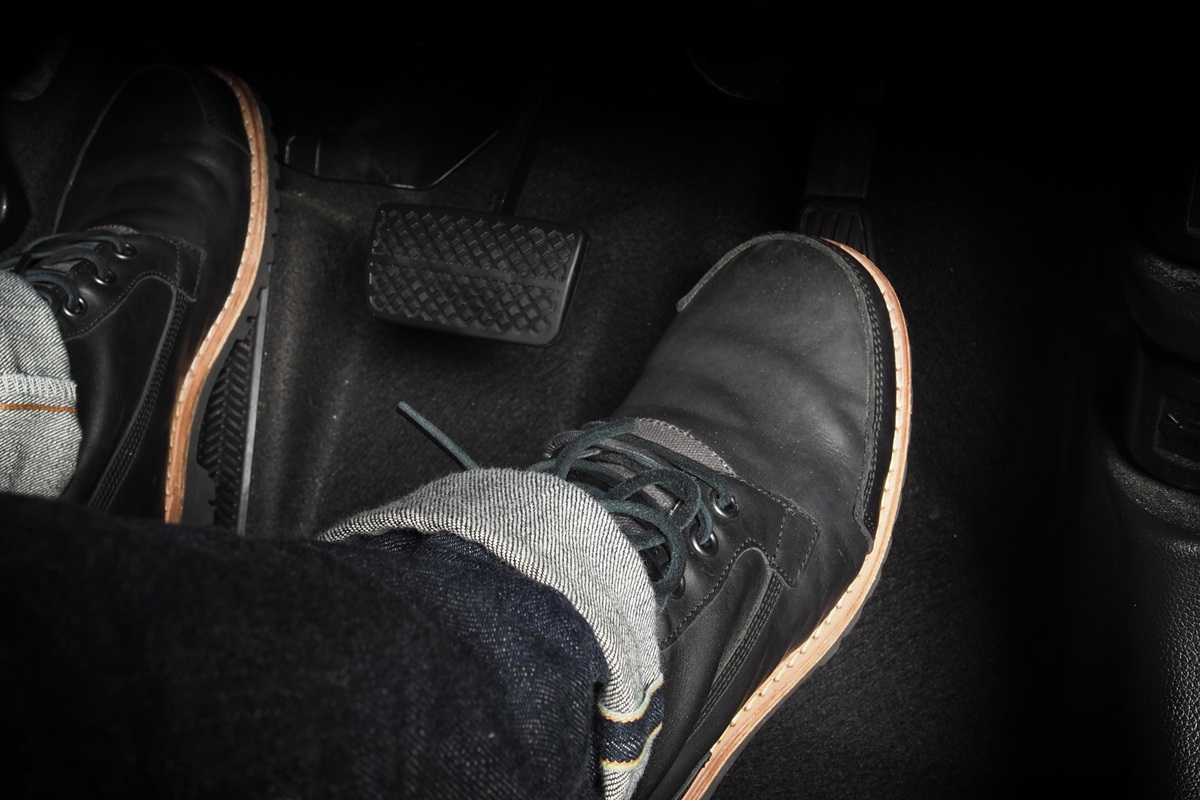
Sudden acceleration and abrupt braking put excessive stress on your engine, transmission, and braking system. Rapid acceleration burns more fuel and increases engine wear, while hard braking wears out brake pads and rotors prematurely. Over time, these habits lead to costly repairs and decreased fuel efficiency. Smooth driving reduces strain on critical components and extends their lifespan.
Ignoring Warning Lights
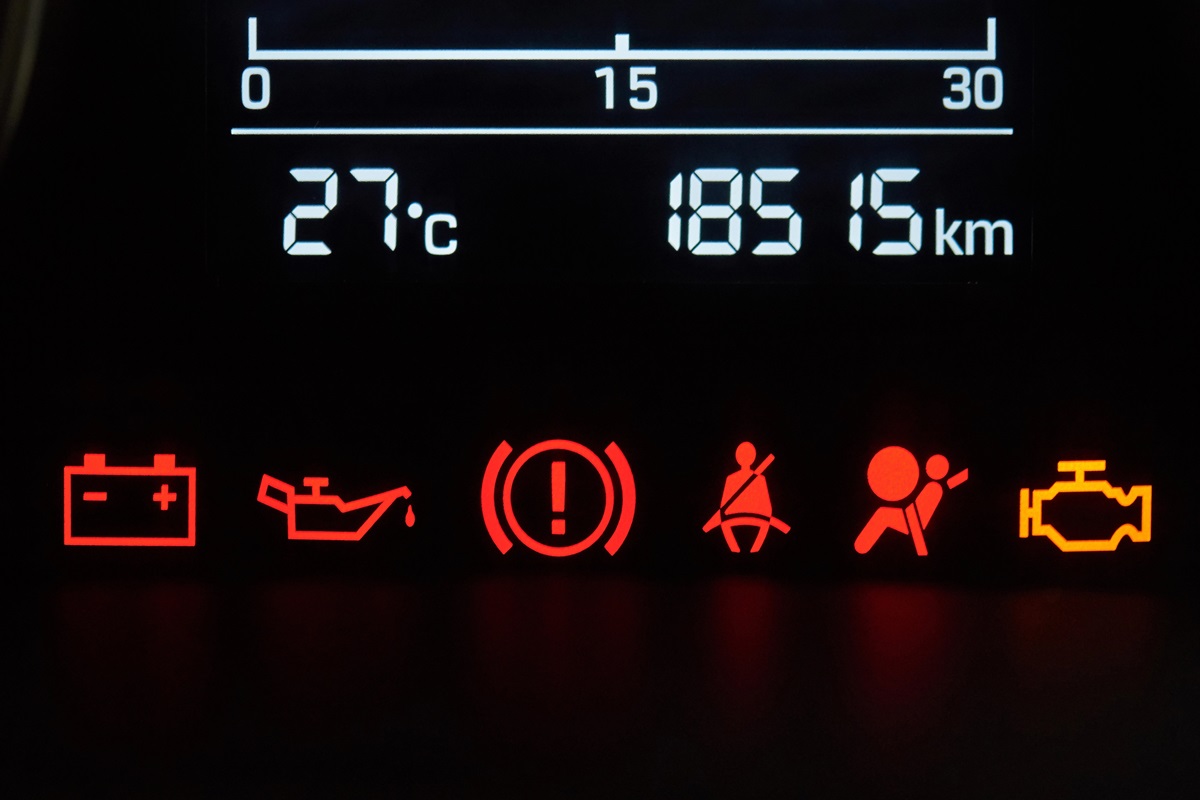
Many drivers overlook dashboard warning lights, assuming the issue isn’t urgent. However, lights indicating engine trouble, low oil pressure, or brake system malfunctions can signal serious problems. Ignoring these warnings can lead to engine failure, transmission damage, or dangerous driving conditions. Addressing issues early can save you thousands in repairs.
Driving on Low Fuel

Constantly driving with a near-empty fuel tank can damage your fuel pump and injectors. Sediment at the bottom of the tank can get sucked into the fuel system, clogging filters and causing engine misfires. Additionally, fuel pumps rely on gasoline for cooling, and running low can lead to overheating and premature failure. Keeping your tank at least a quarter full prevents these problems.
Resting Your Hand on the Gearshift

Many manual transmission drivers habitually rest their hand on the gearshift while driving. This small habit puts constant pressure on the transmission’s selector forks, leading to premature wear. Over time, this can cause difficulty in shifting and potential transmission failure. Keeping both hands on the steering wheel ensures better control and prevents unnecessary damage.
Related: 13 Hidden Details Inside The Most Secure Cars In The World
Riding the Clutch
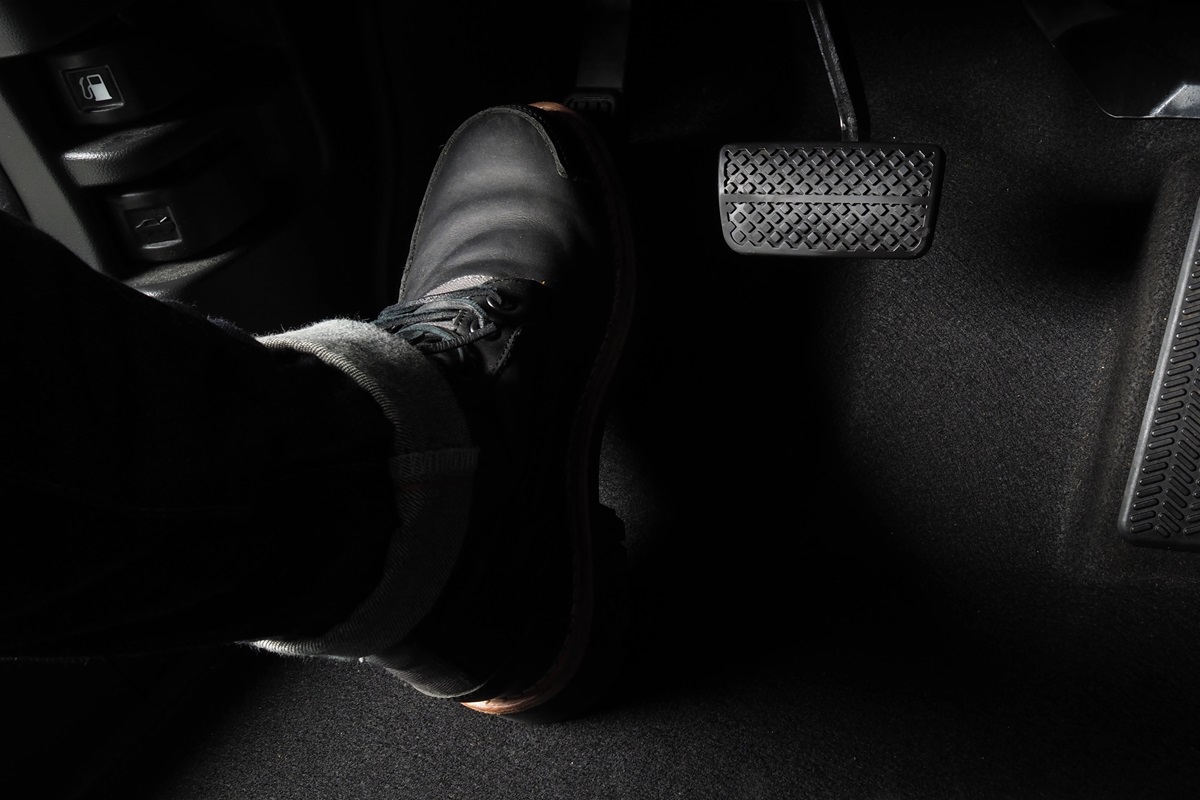
Resting your foot on the clutch pedal while driving, known as “riding the clutch,” causes excessive friction and wear. This habit shortens the lifespan of the clutch plate and can lead to expensive repairs. Keeping your foot off the clutch when not shifting helps maintain its longevity. Proper clutch control ensures smoother operation and less maintenance.
Related: 13 Car Companies That Survived Over 100 Years Against All Odds
Shifting from Reverse to Drive Without Stopping

Many drivers switch from reverse to drive (or vice versa) without coming to a complete stop. This forces the transmission to work against itself, causing internal stress and premature wear. Over time, this habit can lead to costly transmission repairs or failure. Always bring your vehicle to a full stop before changing gears.
Related: 14 Legendary Ferraris That Cost More Than an Entire Neighborhood
Driving with Underinflated Tires
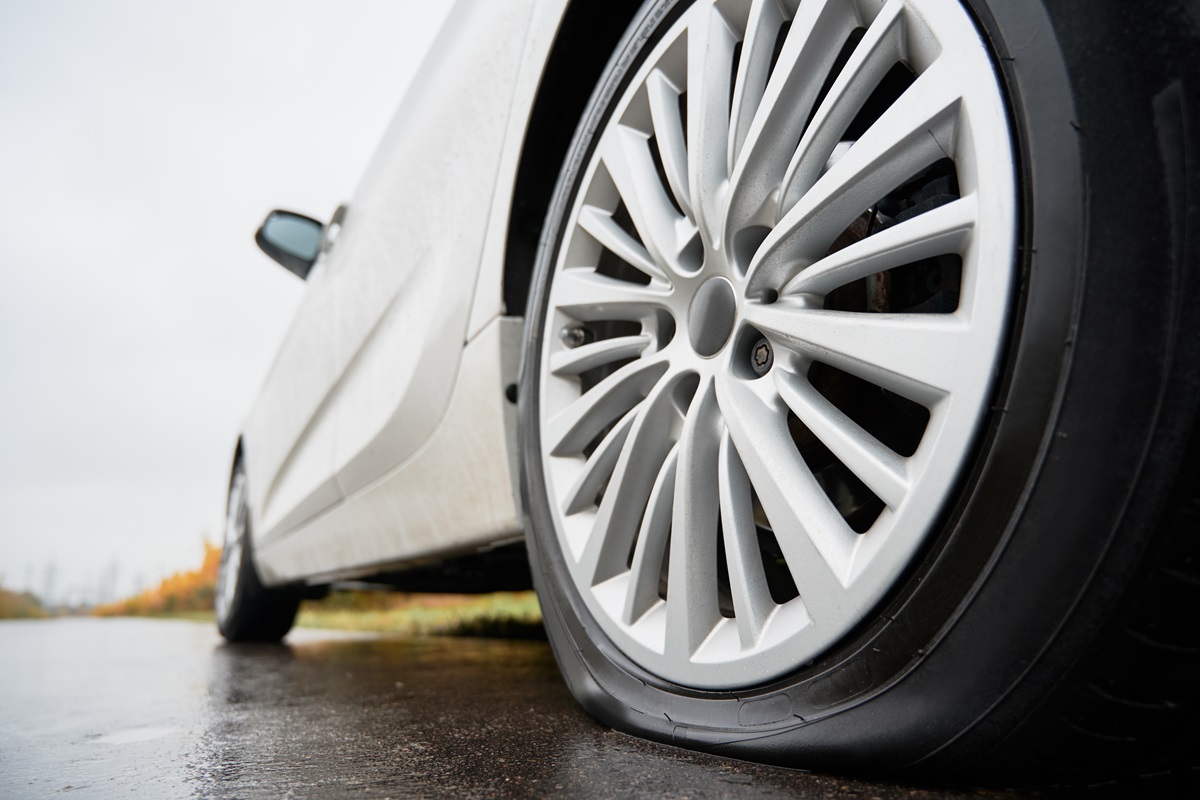
Low tire pressure increases rolling resistance, which causes the engine to work harder and reduces fuel efficiency. Underinflated tires also wear unevenly and are more prone to blowouts, compromising safety. Regularly checking and maintaining proper tire pressure improves handling and extends tire life. Proper inflation also enhances braking performance and fuel economy.
Revving the Engine When Cold

Revving a cold engine immediately after starting can cause excessive wear on internal components. When the engine is cold, oil hasn’t fully circulated, leaving parts unprotected from friction. Rapid revving in this state can lead to premature wear and potential engine damage. Allowing the engine to warm up for a few minutes before driving ensures proper lubrication.
Related: 12 Mind-Blowing Cars In Jay Leno’s Collection With Wild Backstories
Overloading Your Vehicle
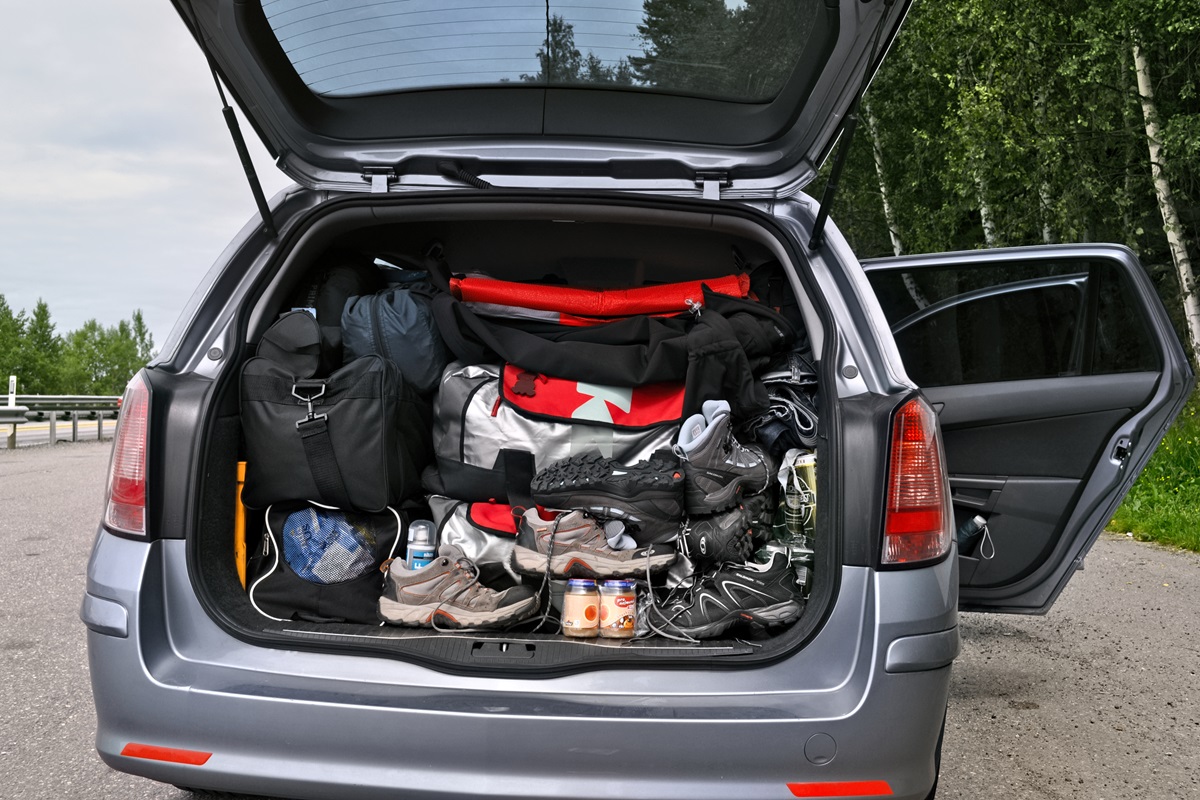
Carrying excessive weight puts extra strain on the engine, suspension, and braking system. Overloaded vehicles consume more fuel and experience faster tire wear due to increased pressure. Over time, this can lead to issues such as warped brake rotors and weakened suspension components. Sticking to the recommended weight limits ensures safer and more efficient driving.
Related: 12 New SUVs That Are Turning Heads For All The Right Reasons
Ignoring Regular Oil Changes

Oil lubricates engine components, reducing friction and heat buildup. Over time, old or dirty oil loses its effectiveness, leading to increased engine wear and reduced efficiency. Failing to change oil at recommended intervals can cause sludge buildup and potential engine failure. Regular oil changes keep your engine running smoothly and prolong its lifespan.
Driving Through Potholes and Speed Bumps Too Fast

Hitting potholes and speed bumps at high speeds can damage suspension components, wheels, and tires. Repeated impacts can lead to misaligned wheels, bent rims, and damaged shocks. Over time, this affects your car’s handling and ride comfort. Slowing down and avoiding rough road surfaces whenever possible protects your vehicle’s undercarriage.
Related: 12 Infamous Cars That Were So Bad They Became Legends
Your driving habits play a crucial role in maintaining your car’s longevity, performance, and efficiency. Small, seemingly harmless behaviors, like hard braking, ignoring warning lights, or skipping oil changes can cause long-term damage and expensive repairs. By driving carefully and staying on top of maintenance, you can extend your vehicle’s lifespan and avoid unnecessary costs. Making simple adjustments today will keep your car running smoothly for years to come.
Disclaimer: This list is solely the author’s opinion based on research and publicly available information.
15 Driving Mistakes That Secretly Drain Your Gas Tank
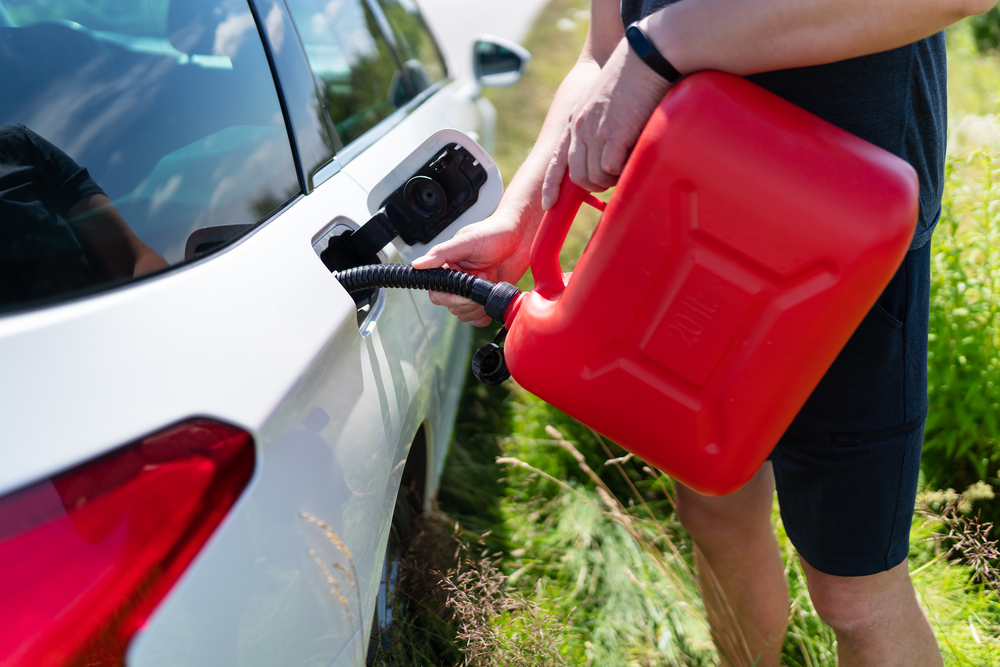
If you’re constantly refueling sooner than expected, you might be making simple driving mistakes that drain your gas tank. Poor habits like aggressive driving, idling too long, or ignoring maintenance can significantly impact your fuel economy. Fixing these bad habits will not only save you money but also reduce wear on your vehicle. Let’s go over 15 common mistakes that are costing you at the pump.
Read it here: 15 Driving Mistakes That Secretly Drain Your Gas Tank
12 Secret Tricks That Make Teaching Your Teen To Drive Way Less Stressful

Teaching your teen to drive can be a nerve-wracking experience, but it doesn’t have to be. With the right approach, you can make the process smoother, safer, and even enjoyable for both of you. These expert-backed tricks will help you stay calm, keep your teen focused, and ensure they develop safe driving habits that last a lifetime.
Read it here: 12 Secret Tricks That Make Teaching Your Teen To Drive Way Less Stressful
13 Costly Driving Blunders That Are Putting You at Risk

Even experienced drivers develop bad habits without realizing it. Some of these mistakes can wear out your car faster, waste fuel, or even increase your risk of accidents. Fixing these small errors can improve safety, efficiency, and the lifespan of your vehicle. Let’s uncover 13 common driving mistakes you might be making without even knowing it!
Read it here: 13 Costly Driving Blunders That Are Putting You at Risk
You’ll love these related posts:
- 13 Bizarre Rules And Laws That Shaped American Taxicabs
- 12 Insanely Long Cars That Are Almost Impossible To Drive
- 12 Hollywood Celebrities and The Absurdly Expensive Cars They Drive
- 14 Car Manufacturers You Didn’t Know Are Fueling F1’s Greatest Teams
- 12 Outrageous Rolls-Royce Features That Prove Luxury Has No Limits