Even experienced drivers develop bad habits without realizing it. Some of these mistakes can wear out your car faster, waste fuel, or even increase your risk of accidents. Fixing these small errors can improve safety, efficiency, and the lifespan of your vehicle. Let’s uncover 13 common driving mistakes you might be making without even knowing it!
Resting your Foot on the Brake Pedal

Keeping slight pressure on the brake while driving (known as brake dragging) wears down your brake pads faster. It also reduces fuel efficiency by creating unnecessary friction. Instead, keep your foot off the brake unless you need to slow down or stop. This simple change improves both safety and longevity.
Ignoring your Tire Pressure

Driving with underinflated tires increases fuel consumption, reduces traction, and wears out tires unevenly. Check your tire pressure monthly and before long trips, following the recommended PSI in your owner’s manual. Properly inflated tires improve handling, fuel efficiency, and safety.
Turning your Wheels While Waiting to Turn

If your wheels are already turned when hit from behind, your car could be pushed into oncoming traffic, creating a dangerous situation. Keep them straight until you’re ready to turn to maintain better control. This prevents unexpected movement, reduces accident risks, and keeps you safer in case of a collision.
Revving the Engine Before It’s Warm

Cold engines need time for oil to circulate properly before reaching high RPMs. Revving too soon can cause unnecessary wear and tear. Let your car warm up naturally by driving gently for the first few minutes. Smooth acceleration protects your engine’s longevity.
Related Post: 12 Loudest Stock Car Horns You Can Buy
Coasting in Neutral

Some drivers think shifting to neutral when coasting saves fuel, but it actually reduces control over the vehicle. Modern cars already optimize fuel efficiency when decelerating in gear. Staying in gear provides better handling and braking control.
Related Post: 13 Celebrity Car Restorations: Bringing Classics Back to Life
Not Using your Turn Signals
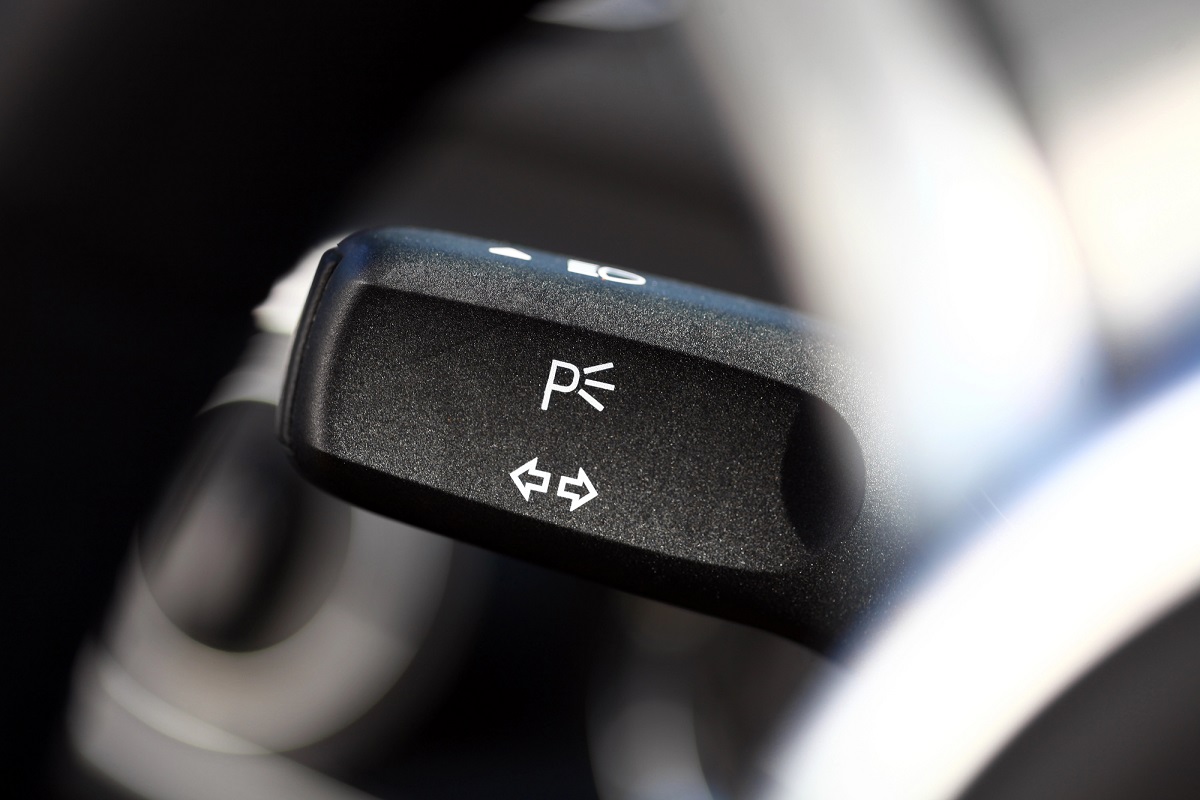
Failing to signal confuses other drivers and increases accident risks significantly. Even when no one seems around, always use your blinkers when turning or changing lanes properly. Clear communication helps prevent collisions and keeps traffic flowing smoothly and safely.
Related Post: 15 Car Features That Are a Complete Waste of Money
Relying too Much on Blind Spot Monitors

Blind spot detection systems are helpful but not foolproof. They may not catch fast approaching vehicles or motorcycles in certain conditions. Always check over your shoulder before switching lanes. Combining technology with manual checks enhances safety.
Related Post: 12 Cheapest Electric Cars That Still Have Great Range
Driving with High Beams in Traffic

Using high beams in well lit areas or oncoming traffic blinds other drivers, creating dangerous situations instantly. Switch to low beams when near other vehicles to maintain visibility without causing glare issues. Proper use of headlights ensures safer nighttime driving for everyone on the road.
Related Post: 12 Best Used Cars for Teen Drivers on a Budget
Not Adjusting Mirrors Properly

Incorrectly positioned mirrors create unnecessary blind spots and increase accident risks. Adjust side mirrors so you just barely see the edge of your car, maximizing road visibility effectively. Proper mirror setup reduces the need for excessive head turning and makes lane changes much safer.
Related Post: The Future of Electric Pickup Trucks: What’s Coming Next
Ignoring Weather Conditions

Driving the same way in rain, snow, or fog as in clear weather increases accident risk. Reduce speed, increase following distance, and use proper lighting to stay safe. Wet or icy roads reduce traction, making sudden stops and sharp turns more dangerous. Adjusting your driving for weather conditions protects you and others.
Related Post: Luxury Electric Sedans: Which One Reigns Supreme?
Ignoring Dashboard Warning Lights

Many drivers continue driving even when a warning light appears, assuming it’s not urgent. However, some lights indicate serious issues like low oil pressure or engine trouble. Always address warning lights promptly to avoid costly repairs.
Related Post: 13 Self-Healing Car Paint That it Finally Becoming a Reality?
Leaving Your Car in Drive at a Stoplight

While it may seem harmless, keeping your car in drive while stopped for long periods can put unnecessary strain on the transmission. Shift to neutral if you’ll be idling for an extended time. This reduces heat buildup and extends transmission life.
Related Post: The Secret History of Car Brand Logos: Hidden Meanings and Design Evolution
Neglecting Regular Car Maintenance

Skipping oil changes, ignoring fluid levels, or delaying repairs can shorten your car’s lifespan and lead to breakdowns. Follow your vehicle’s maintenance schedule to keep everything running smoothly. A well maintained car performs better and lasts longer.
Related Post: 13 SUVs Known for Holding Their Value and Staying on the Road for Over 200,000 Mile
Mastering these driving tips will make you a more confident, efficient, and responsible driver. Whether it’s improving fuel economy, maintaining your car, or handling road challenges, small habits can lead to big benefits. Stay proactive, drive smart, and enjoy the road ahead!
Disclaimer: This list is solely the author’s opinion based on research and publicly available information.
The Ultimate Car Owner’s Guide: 15 Common Auto Questions Solved

Owning a car comes with plenty of questions, from maintenance to troubleshooting unexpected issues. Whether you’re a new driver or a seasoned vehicle owner, knowing how to handle common problems can save you time, money, and stress. This guide answers 15 frequently asked car questions in simple terms, so you can keep your ride running smoothly and avoid costly repairs.
Read it here: The Ultimate Car Owner’s Guide: 15 Common Auto Questions Solved
Mechanic-Approved! 12 Expert Answers to Your Car Problems

Keeping your car in top shape means understanding common issues and how to fix them. Whether it’s strange noises, warning lights, or performance problems, knowing what’s wrong can save you time and money. Here are 12 expert-approved answers to some of the most frequent car questions.
Read it here: Mechanic-Approved! 12 Expert Answers to Your Car Problems
Car Care Secrets: 15 Must-Know Auto Tips for Every Driver

Keeping your car in top shape doesn’t have to be complicated. With the right habits and basic knowledge, you can extend its lifespan, improve performance, and avoid costly repairs. These 15 essential car care tips will help you maintain your vehicle like a pro, ensuring safety, efficiency, and reliability on the road.
Read it here: Car Care Secrets: 15 Must-Know Auto Tips for Every Driver
You’ll love these related posts:
- These 12 Cars Are Appreciating Like Fine Wine – And Why You Should Consider Buying Now
- SUVs for Seniors: Comfort and Safety Features That Matter Most As You Age
- 14 Cars That Make More Sense to Buy Pre-Owned
- 13 Car Horns So Loud, They’ll Wake the Entire Neighborhood!
- Affordable EVs That Actually Go the Distance – 13 Best Picks