Driving at night can be one of the most dangerous aspects of being on the road, especially when visibility is limited and unexpected hazards can arise from anywhere. Fortunately, night vision technology is becoming more accessible in modern vehicles, offering drivers a powerful tool to detect danger long before it becomes visible to the naked eye. These systems use infrared sensors to read heat signatures and display what’s ahead even in complete darkness.
Enhanced Pedestrian Detection

Night vision systems drastically improve pedestrian detection at night by identifying human heat signatures far beyond the range of traditional headlights. This extended range can provide crucial reaction time, allowing drivers to stop or swerve before a tragedy occurs. This can make a life-saving difference, especially in areas with poor lighting or sudden crossings.
Improved Animal Detection On Rural Roads

Many nighttime collisions involve deer and other animals that are hard to see until it’s too late. Night vision systems can detect these animals even when they’re partially hidden or on the side of the road. This enhanced visibility offers a critical safety buffer in wooded or rural areas where wildlife activity is high.
Better Navigation In Poor Weather Conditions
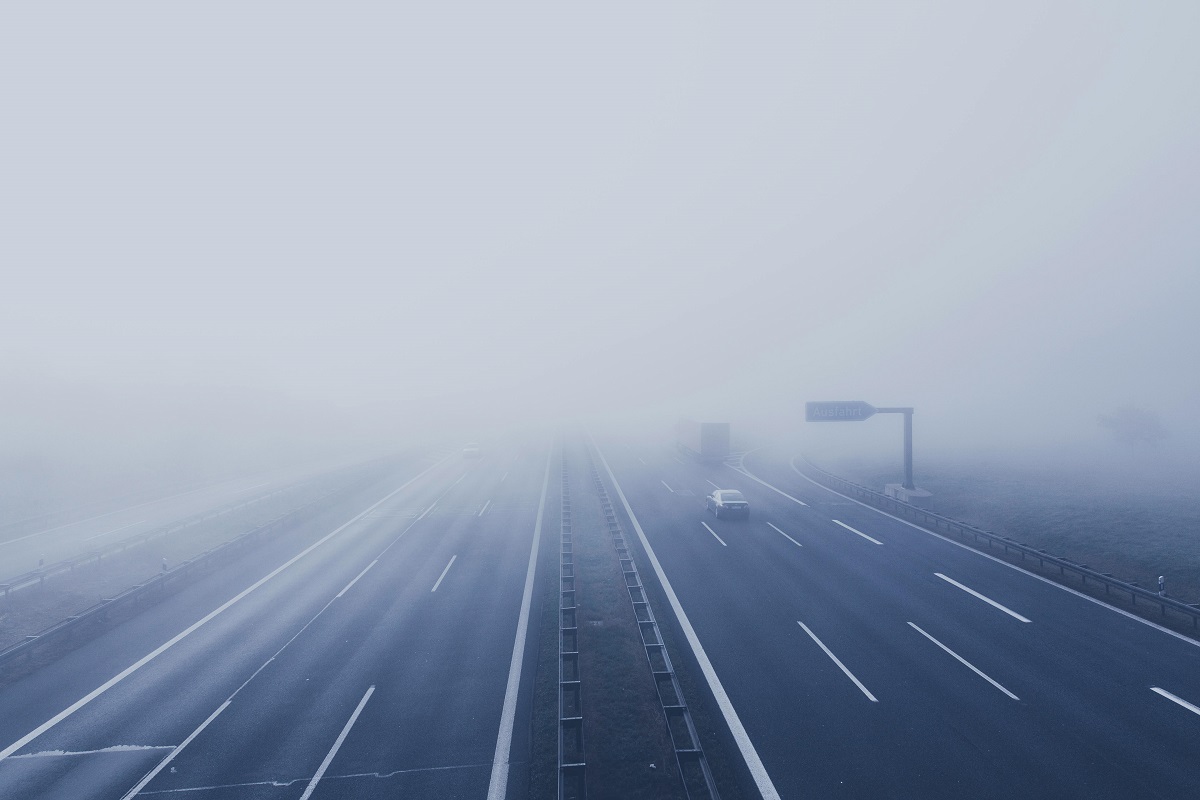
Heavy rain, fog, and snow can greatly limit the effectiveness of standard headlights, leading to dangerous driving conditions. Night vision systems cut through these visual barriers by capturing thermal images rather than relying on reflected light. This technology gives drivers a reliable road view when weather would otherwise obscure their vision entirely.
Increased Reaction Time
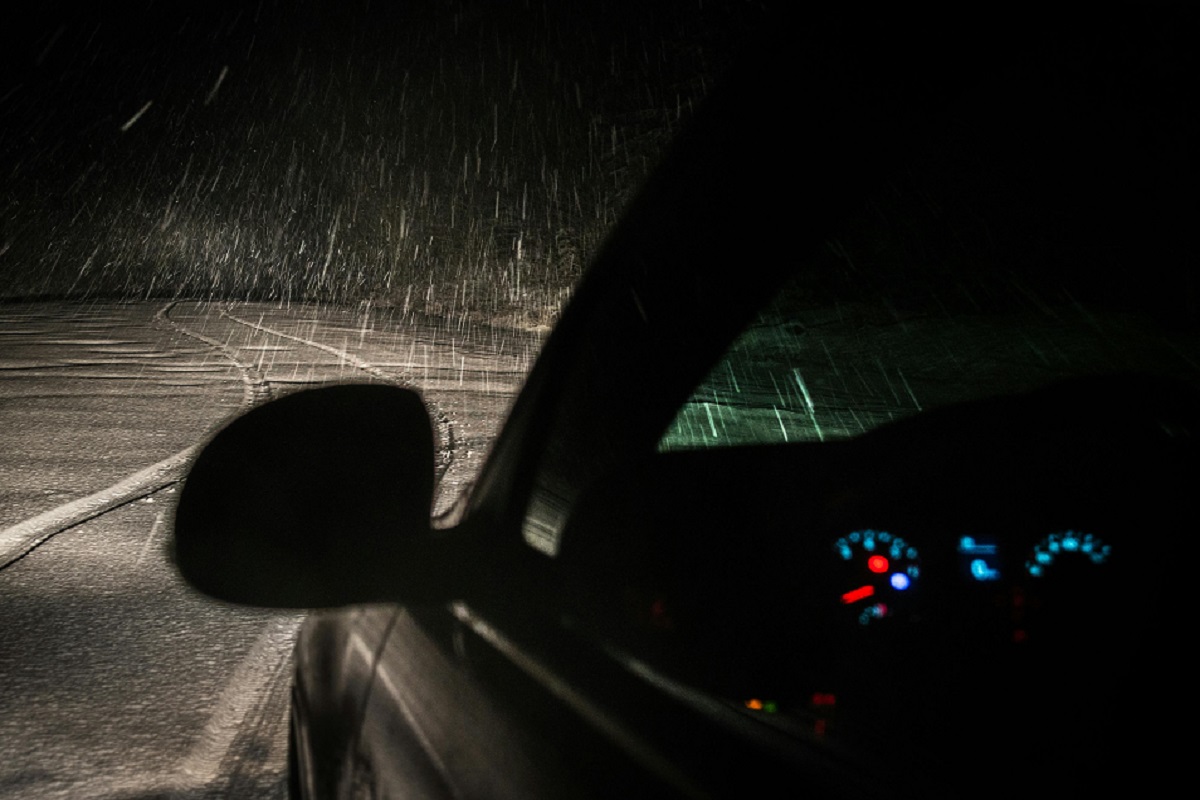
The ability to see farther ahead in darkness extends a driver’s reaction window significantly. With earlier warnings of hazards, drivers can slow down, change lanes, or stop more effectively, avoiding potential crashes. This proactive advantage greatly improves overall road safety during nighttime driving.
Related: 10 Classic Cars To Invest Before Prices Go Insane That Could Make You Rich
Early Detection Of Cyclists

Cyclists are often dressed in dark clothing and may not have adequate reflectors, making them particularly hard to see at night. Night vision systems detect their body heat before your headlights can, allowing safer passing and improved awareness. This protects both cyclists and motorists, particularly on suburban or country roads.
Related: Here’s Why 90s Cars Are The New Gold Mine And Prices Are Exploding Overnight
Added Confidence for Senior Drivers
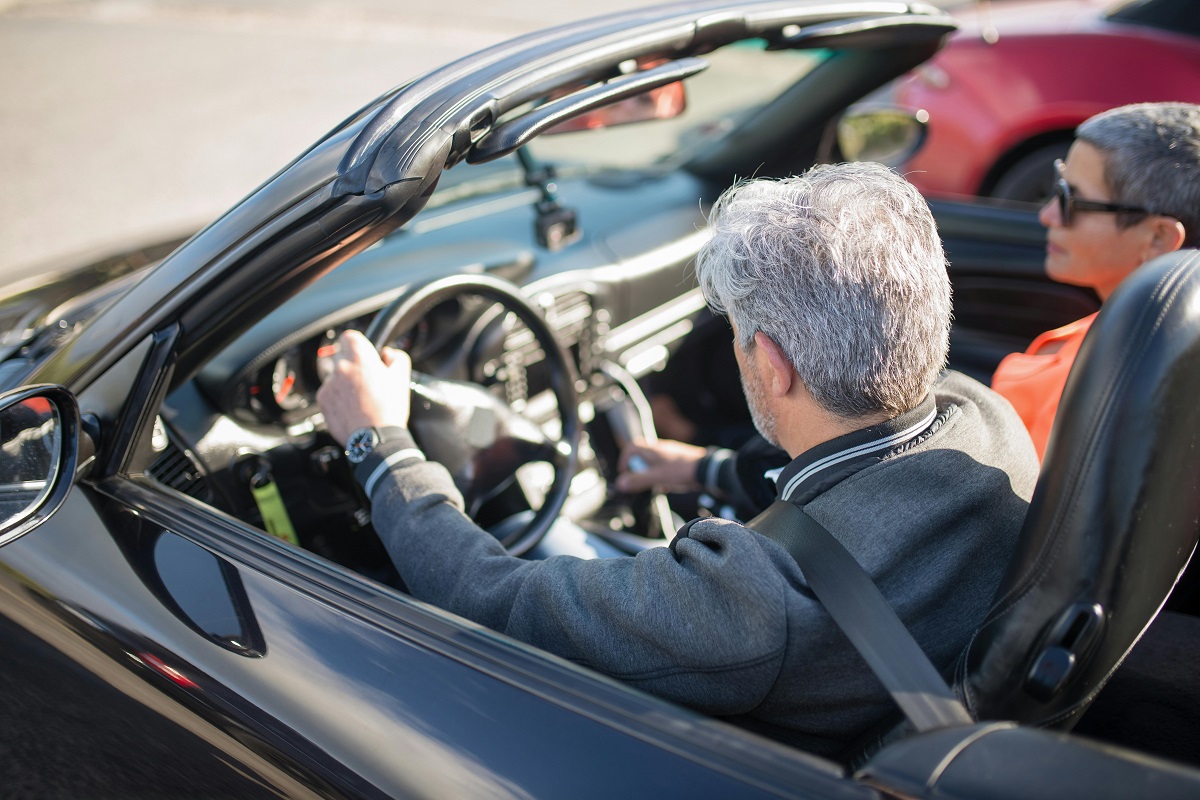
Elderly drivers often struggle with decreased night vision, making them hesitant or anxious behind the wheel after dark. Night vision technology helps compensate for this by offering a clearer and brighter view of the road. With increased confidence comes better focus and decision-making, reducing the risk of errors due to uncertainty.
Related: 12 Reasons Classic Cars Might Be Banned Sooner Than You Think and What This Means for Collectors
Reduced Driver Fatigue
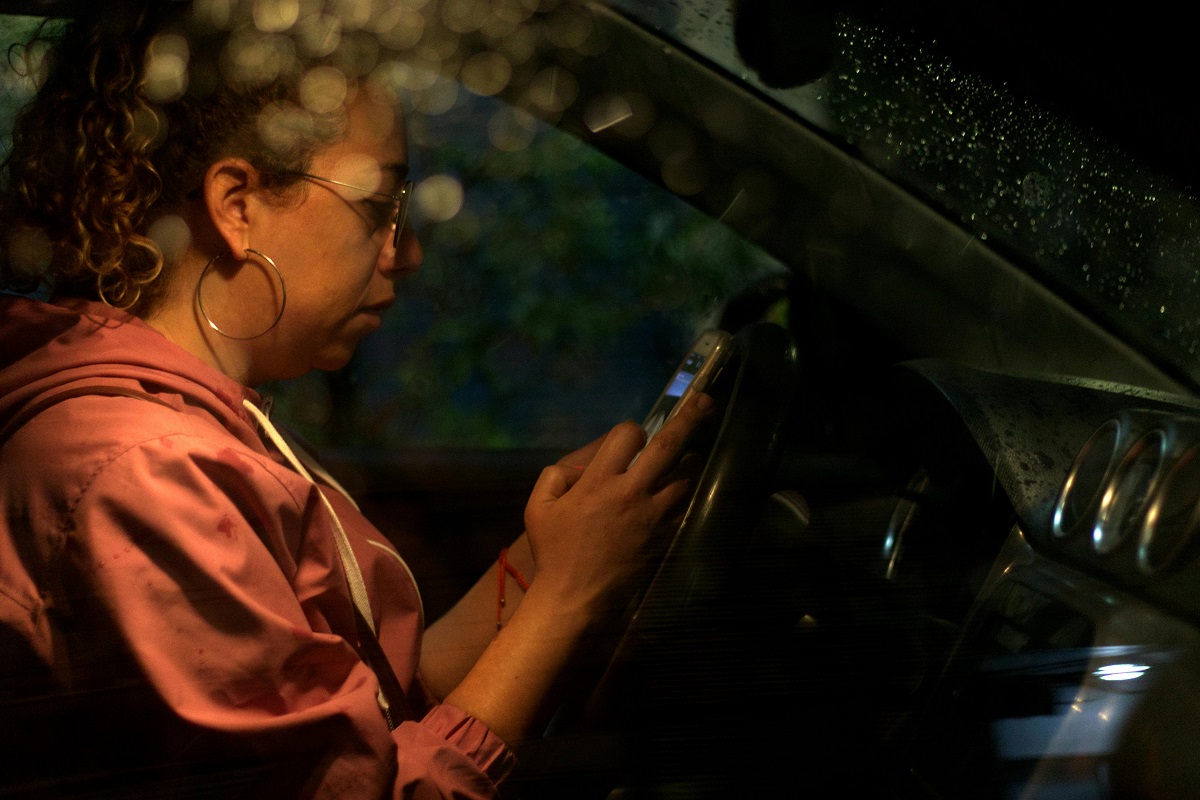
Straining to see poorly lit roads can lead to faster eye fatigue and reduced alertness over time. Night vision systems reduce the mental and physical toll by offering a more relaxed and clear visual experience. This helps drivers remain energized and aware, especially during long-distance or late-night trips.
Related: Car Thefts Are Exploding Across The US, Here Is How to Stop Thieves in Their Tracks
Safer Navigation Through Construction Zones

Nighttime construction areas are often confusing and dimly lit, with cones, signs, and workers blending into the darkness. Night vision systems highlight movement and heat, helping drivers safely maneuver through changing layouts and avoid potential accidents. It’s a critical tool for staying safe in areas where visibility is compromised.
Related: You Are Paying For These 10 Features You Already Own And Car Companies Love It
Superior Performance in Remote Locations

Driving through deserts, mountains, or forests at night can feel like driving blind with regular headlights. Night vision enables clear viewing of animals, humans, or unexpected road obstructions in these pitch-black environments. This makes it a crucial feature for campers, road trippers, and rural residents who regularly drive in unlit zones.
Related: Drivers Regret These Car Trends But It Is Too Late To Stop It
Helpful for Emergency Situations

In emergencies, whether you’re stranded or stopping to help someone, night vision gives you a tactical advantage in assessing the surroundings. You can locate people, see incoming traffic, or identify hidden dangers without relying on ambient light. In high-stress or unpredictable scenarios, this visibility could prove lifesaving.
Related: 15 Ways Car Subscriptions Are Disrupting the Auto Industry Just Like Netflix Did
Complement to Existing Safety Features
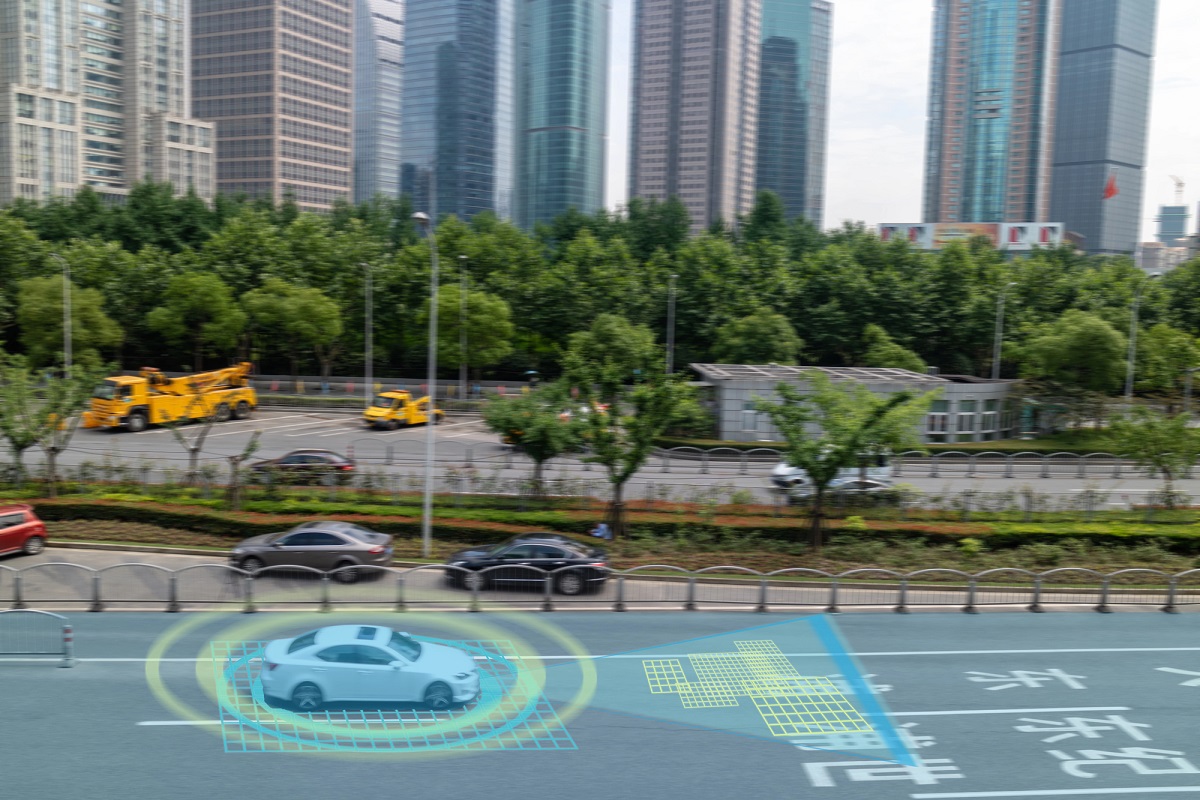
Night vision works in harmony with systems like lane-keeping assist, adaptive cruise control, and forward collision warnings. By feeding visual data to these systems, your car becomes more responsive to threats even in pitch-dark settings. It adds another layer of intelligent protection without requiring extra manual input from the driver.
Related: 13 Shocking Reasons Your Car’s Software Will Matter More Than Its Engine By 2030
Night vision technology is no longer a luxury reserved for elite vehicles, it’s a vital safety feature that’s becoming increasingly necessary in modern driving. Whether you’re navigating city streets, dark country roads, or unpredictable weather, this tool enhances your ability to see what traditional headlights can’t. From detecting pedestrians and animals to reducing driver fatigue and supporting law enforcement, the benefits are vast and life-saving.
Disclaimer: This list is solely the author’s opinion based on research and publicly available information.
You Are Paying For These 10 Features You Already Own And Car Companies Love It

Modern vehicles come loaded with advanced technology, but car manufacturers have found ways to make you pay for features that are already built into your vehicle. Many of these features were once included as standard, but automakers now lock them behind subscription models or software updates. This practice boosts company profits while leaving consumers frustrated with the increasing cost of ownership. Here are 10 common features you might already have but are still being charged for.
Read it here: You Are Paying For These 10 Features You Already Own And Car Companies Love It
15 Futuristic Auto Features That Feel Straight Out of a Sci-Fi Movie

The future of cars is evolving at an astonishing pace, bringing innovations that seem ripped from the pages of science fiction. From self-repairing exteriors to mind-controlled driving, these futuristic features redefine what’s possible on the road. Buckle up, here are 15 mind-blowing auto technologies that will make you feel like you’re living in a sci-fi blockbuster.
Read it here: 15 Futuristic Auto Features That Feel Straight Out of a Sci-Fi Movie
15 Car Features That Are a Complete Waste of Money

When buying a car, it’s easy to get tempted by high-tech upgrades and luxury add-ons. However, not all features are worth the extra cost, some are gimmicks, others become outdated quickly, and a few are just plain unnecessary. Before you splurge on these so-called “upgrades,” take a closer look at what you’re really paying for. These features may seem appealing at first, but they often add little value in everyday driving. These car features often turn out to be a complete waste of money.
Read it here: 15 Car Features That Are a Complete Waste of Money
You’ll love these related posts:
- Car Market Chaos In 2025 The Interest Rate Shock No One Saw Coming
- This Surprising Economic Shift Could Change Car Buying Forever In 13 Ways
- China’s Silent Takeover How Their Cars Are Conquering The World
- The Next Oil Crisis Is Coming, Here’s What It Means for Your Wallet
- Car Repair Costs Are Out of Control Here Are the Shocking Reasons Why