Car interiors are more than just functional spaces, they are a direct reflection of the driver’s personality, cultural background, and preferences. From the choice of materials to the color schemes, the design of a car’s interior can tell a lot about who you are and where you’re from. As the automotive industry continues to evolve, more emphasis is placed on the interior design as a way to personalize and customize your driving experience. Below are 12 surprising ways car interiors express both global traditions and personal identities, adding depth to the driving experience.
Car Interiors Cater to Regional Driving Conditions

Local driving conditions also influence the design and materials used inside a car. In countries with rough terrains, like South Africa, cars are designed with durable, easy-to-clean interiors to withstand dirt and wear. In contrast, in cities where smooth roads are common, car interiors may focus more on comfort and aesthetics, with less emphasis on durability.
Car Interior Design Reflects National Trends in Architecture

The influence of national architectural trends can extend into the car’s interior design. For example, cars produced in countries with a history of minimalist architecture, such as Japan or Denmark, often feature clean lines, simple layouts, and a focus on functionality. In contrast, regions with a richer tradition of ornate design, like Italy or France, might embrace more intricate and artistic interior details.
Material Choices Reflect Cultural Preferences

Different cultures have varying preferences for car interior materials, influencing overall design choices. In Italy, leather is often used for a touch of luxury, while Scandinavian countries lean toward eco-friendly options like sustainable fabrics. These material preferences showcase cultural values such as luxury, sustainability, or practicality.
Seating Arrangements Reflect Different Social Norms

Seating arrangements can highlight a culture’s approach to comfort and hierarchy. In many Western countries, driver-centric designs dominate, focusing on the driver’s ease and control. However, in places like Japan, the rear seats often receive special attention to show respect for elders or passengers of higher status.
Related: 11 Forgotten GM Trucks From The ’60s That Deserve A Comeback
Customization Options Reflect Individualism and Regional Preferences
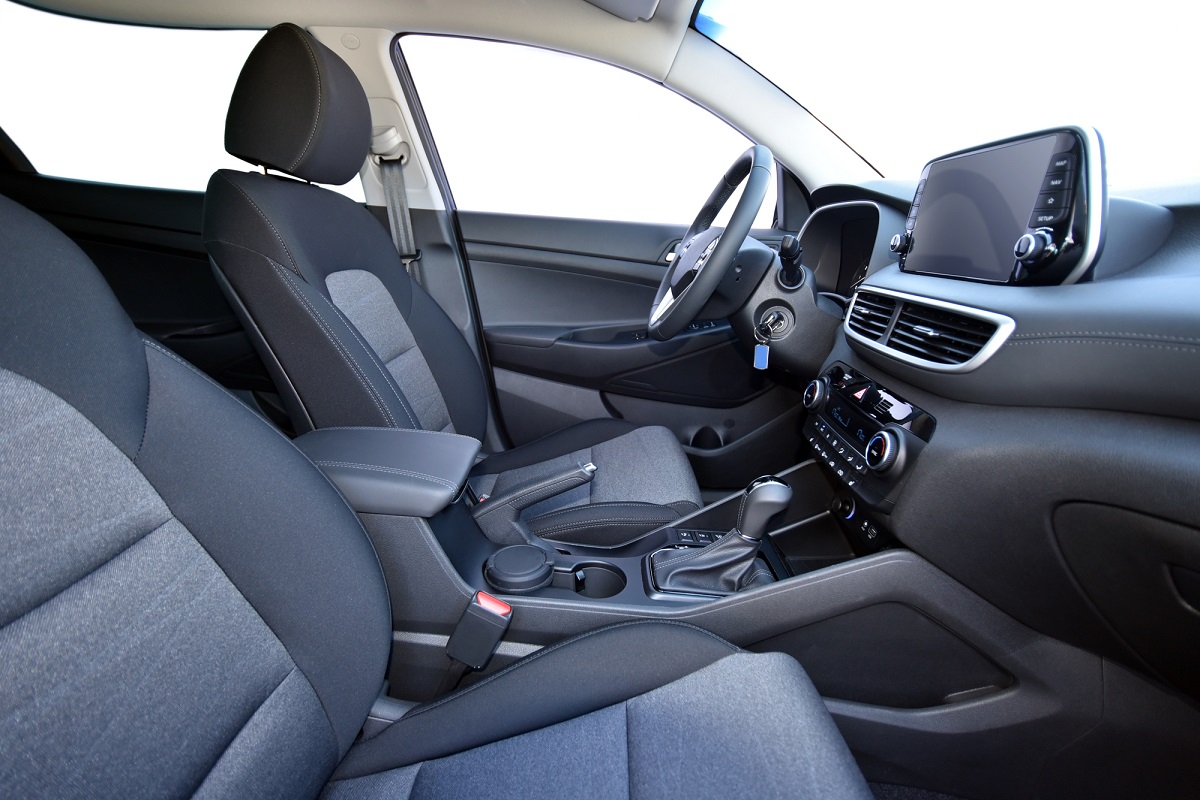
The ability to customize car interiors is a reflection of individualism in many cultures. In the United States, for example, customizations are often embraced, allowing for personalized touches in everything from seat materials to dashboard designs. Meanwhile, other cultures may lean toward more standardized designs, focusing on practicality over self-expression.
Related: 12 Honda CR-V Headaches That Every Buyer Should Know About
Climate Control Systems Adapt to Local Needs

Car climate systems are tailored to meet regional weather conditions. In hot climates, such as in the Middle East, air conditioning is a key feature, ensuring comfort during extreme heat. Conversely, in colder regions like Scandinavia, heated seats and efficient defrost systems are prioritized to cope with harsh winters.
Related: 13 Covert Cars Designed For Maximum Surveillance Efficiency
Dashboard Layouts Echo National Design Philosophies

Dashboard layouts vary according to national design principles. German cars, for instance, tend to prioritize function, with clean, organized dashboards that focus on efficiency. Meanwhile, Italian vehicles often feature more artistic, visually pleasing designs, reflecting their cultural appreciation for aesthetics and style.
Related: 12 Amphibious Cars That Let You Drive on Land and Water
Upholstery Choices Reflect Societal Values

The type of upholstery in cars is influenced by cultural norms surrounding luxury and comfort. In Italy, high-quality leather is often a choice for luxury vehicles, reflecting the country’s affinity for craftsmanship. In contrast, Scandinavian countries focus on eco-friendly options that align with their environmental consciousness.
Related: 11 Biggest Automotive Design Flaws in History
Storage Solutions Adapt to Local Lifestyles

The design of car storage solutions reflects the lifestyle needs of the region. In densely populated urban areas, like Tokyo, small cars are designed with clever, compact storage solutions to make the most of limited space. Meanwhile, in more rural areas, such as in the United States, larger vehicles with ample trunk space cater to road trips and outdoor activities.
Related: 11 Driving Habits That Are Slowly Destroying Your Car
Luxury Features Reflect Cultural Approaches to Comfort

Luxury features in cars are influenced by cultural interpretations of comfort. In the U.S., luxury often means advanced tech, like massage chairs or personalized climate control, focusing on convenience and indulgence. In Japan, however, luxury is often understated, with soft-touch materials and quiet, calming designs.
Related: 13 Most Recalled Cars Of The Last Decade
Steering Wheel Design Varies by Cultural Priorities

The steering wheel design often reflects a culture’s driving priorities, whether performance or comfort. European manufacturers focus on precision, with smaller, more responsive steering wheels for a better driving experience. In other regions, such as the Middle East, larger steering wheels may be more common, providing a more comfortable, relaxed driving posture.
Related: 11 Things No One Tells You Before Buying A Diesel Vehicle
Sound Systems and Entertainment Reflect National Preferences
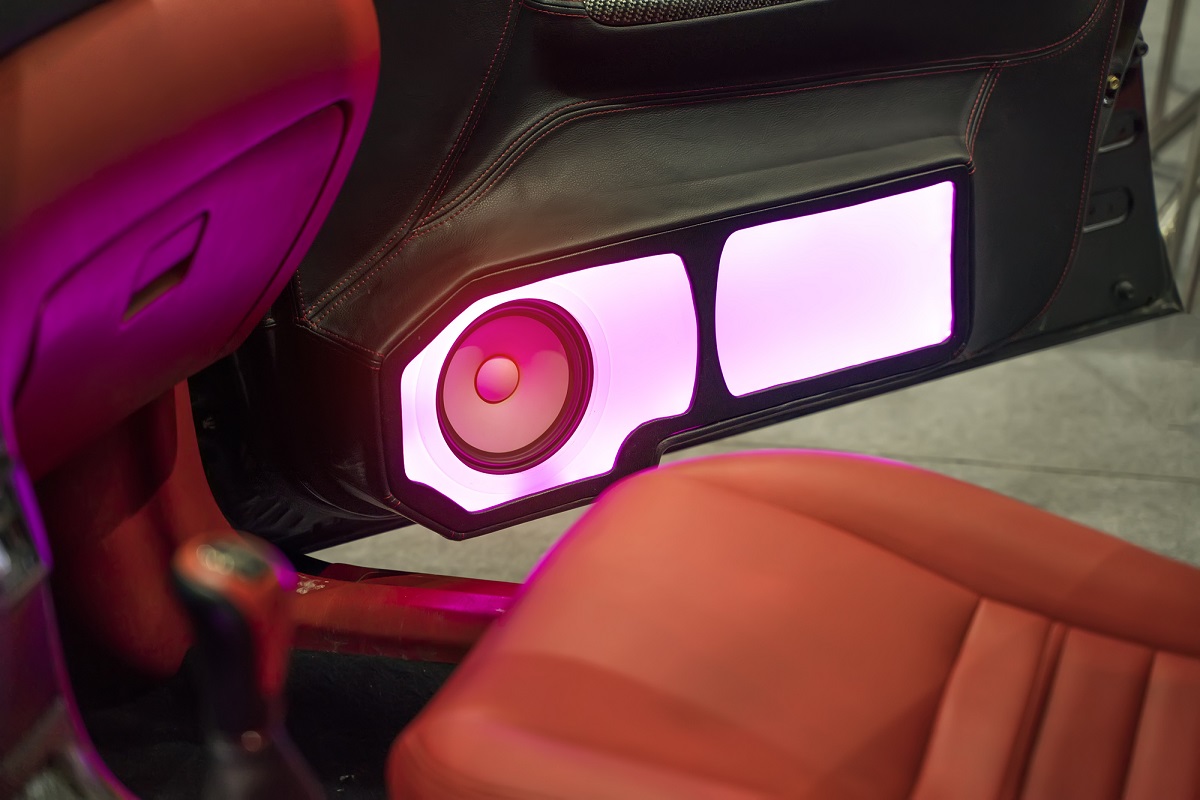
Audio systems in cars are influenced by national preferences for sound quality and entertainment. In the U.S., premium sound systems from brands like Bose are popular, delivering powerful sound for a rich audio experience. In places like Japan, the emphasis is often on clear, balanced sound, reflecting a preference for subtlety over loudness.
Related: 11 Costly Mistakes People Make When Buying A Used Truck
Car interiors reflect not only personal preferences but also cultural values and regional needs. From material choices to high-tech features, each design element is influenced by the driver’s cultural background. Understanding these influences can help you appreciate how interiors mirror global trends and personal identities. Whether it’s the luxury of Italian design or the minimalism of Scandinavian interiors, cars offer a rich tapestry of cultural expression. As car design continues to evolve, so will the ways it reflects the diverse world we live in.
Disclaimer: This list is solely the author’s opinion based on research and publicly available information.
11 Hidden Downsides Of Minimalist Car Interiors No One Is Talking About

Minimalist car interiors have become a hallmark of modern automotive design, emphasizing clean lines, uncluttered dashboards, and touchscreen controls. While they offer a sleek, futuristic look, this trend isn’t without its drawbacks. From functionality concerns to hidden costs, here are 11 downsides of minimalist car interiors that often go unnoticed today.
Read it here: 11 Hidden Downsides Of Minimalist Car Interiors No One Is Talking About
11 Awesome Reasons Why Automakers Are Turning Car Interiors Into High Tech Lounges

The automotive industry is undergoing an unprecedented transformation, with car interiors evolving from simple cabins into sophisticated high-tech environments. Automakers are embracing cutting-edge technology to create a seamless blend of luxury, convenience, and advanced connectivity. These innovations go far beyond traditional comfort, integrating artificial intelligence, entertainment systems, and smart materials to redefine the driving experience.
Read it here: 11 Awesome Reasons Why Automakers Are Turning Car Interiors Into High Tech Lounges
11 Best Car Air Fresheners That Will Instantly Upgrade Your Ride

A clean car is nice, but a car that smells amazing? That’s next level. The right air freshener can transform your daily commute, making every drive feel fresher and more enjoyable. Whether you prefer classic pine, luxurious cologne scents, or innovative odor eliminators, these 11 air fresheners will instantly upgrade your ride and keep it smelling fantastic.
Read it here: 11 Best Car Air Fresheners That Will Instantly Upgrade Your Ride
You’ll love these related posts:
- What’s Fueling the Rising Violence Against Tesla Vehicles?
- 11 Reasons Massaging Seats And Smart Climate Control Are Blowing Up Right Now
- 13 Game-Changing Driver-Assistance Features That Are Saving Lives On The Road
- 11 Fastest Buicks Ever Built That Will Blow Your Mind
- 14 Gorgeous Car Headlights That Will Leave You Mesmerized