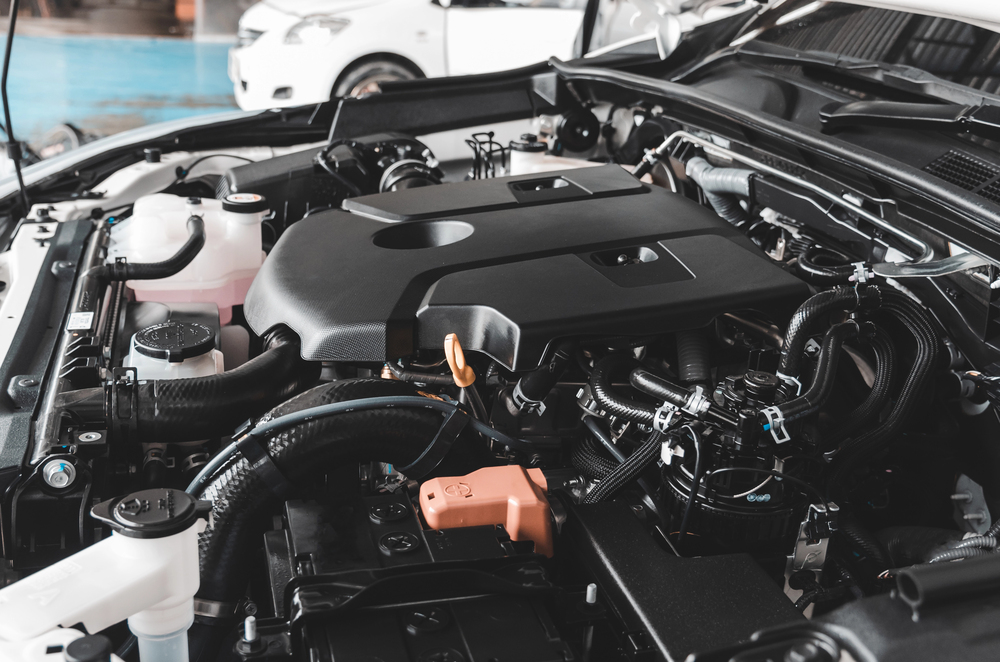
Diesel vehicles offer fuel efficiency, longevity, and strong towing capabilities, making them a popular choice for many drivers. However, there are several factors that potential buyers might not be aware of before making a purchase. From maintenance costs to emission regulations, owning a diesel vehicle comes with unique advantages and challenges. Here are 11 important things no one tells you before buying a diesel vehicle.
Diesel Engines Last Longer but Require More Maintenance

Diesel engines are built to withstand higher compression, making them last longer than gasoline engines. However, they require frequent maintenance, such as regular fuel filter changes and more expensive oil changes. Neglecting maintenance can lead to costly repairs, especially with fuel injectors and turbochargers. If properly maintained, a diesel engine can easily surpass 300,000 miles.
Diesel Fuel Prices Fluctuate More Than Gasoline

While diesel fuel is often more efficient, its price can be unpredictable compared to gasoline. Market factors, demand for heating oil, and global diesel consumption can cause significant price swings. In some areas, diesel is cheaper than gasoline, but in others, it can be more expensive. Understanding these price fluctuations is crucial before committing to a diesel vehicle.
Cold Weather Can Cause Starting Issues

Diesel fuel thickens in cold temperatures, making it harder for the engine to start. Many diesel vehicles come with glow plugs or engine block heaters to help with cold starts. Without proper winterization, starting a diesel engine in freezing conditions can be a challenge. Using winter-grade diesel fuel and additives can prevent fuel gelling.
Diesel Vehicles Have Higher Initial Costs

Diesel-powered vehicles generally cost more upfront than their gasoline counterparts. The price difference is due to the more robust engine components and advanced fuel systems. However, the increased longevity and fuel efficiency can offset this initial cost over time. Buyers should consider whether the long-term savings justify the higher purchase price.
Related: 13 Turbocharged Cars So Powerful They Should Be Illegal
Diesel Vehicles are Not Always Environmentally Friendly

Although diesel engines are more fuel-efficient, they produce higher levels of nitrogen oxides (NOx) and particulate matter. Stricter emissions regulations have led to the development of diesel exhaust fluid (DEF) systems to reduce pollutants. However, these systems add complexity and require regular maintenance. Without proper emissions control, older diesel vehicles can contribute significantly to air pollution.
Related: 14 Hypercars So Insane They Make Supercars Look Slow
Diesel Exhaust Fluid (DEF) is Required in Modern Diesels

Most modern diesel vehicles use DEF to meet emissions standards by reducing NOx emissions. DEF is an additional fluid that must be refilled periodically, adding to maintenance costs. Running out of DEF can cause the vehicle to enter limp mode, reducing power until it’s refilled. It’s important to keep an eye on DEF levels to avoid performance issues.
Related: 13 Cars That Were So Ahead Of Their Time They Still Feel Modern Today
Towing Capacity is a Major Advantage

Diesel engines produce more torque at lower RPMs, making them ideal for towing heavy loads. This advantage is why diesel trucks are favored in industries like construction, agriculture, and transportation. Compared to gasoline engines, diesels maintain fuel efficiency even when hauling heavy trailers. If towing capacity is a priority, a diesel vehicle is a great choice.
Diesel Engines Produce More Noise and Vibration

Modern diesel engines are quieter than older models, but they still produce more noise than gasoline engines. The characteristic “diesel clatter” is due to high compression and fuel injection timing. Vibration from diesel engines can also be more noticeable, especially in older vehicles. While newer models have improved insulation, buyers should expect some extra engine noise.
Related: 14 Dangerously Fun Cars That Put Thrill Over Everything Else
Diesel Vehicles Have Higher Resale Value

Since diesel engines last longer and are in demand for towing and commercial use, they tend to have higher resale values. A well-maintained diesel vehicle can retain its value better than a comparable gasoline model. However, depreciation rates vary depending on emissions regulations and fuel prices. If resale value is a priority, a diesel vehicle can be a smart investment.
Related: 14 Fancy Cars That Look Premium but Cut Corners Where It Counts
Diesel Particulate Filters (DPF) Require Regular Cleaning

Modern diesel vehicles are equipped with DPFs to reduce emissions by trapping soot particles. Over time, these filters can clog if not properly maintained, reducing performance and fuel efficiency. Many vehicles perform automatic “regeneration” to burn off trapped particles, but frequent short trips can prevent this process. Ignoring DPF maintenance can lead to expensive replacements.
Diesel Engine Repairs Can Be Costly

While diesel engines are durable, repairs can be significantly more expensive than gasoline engines. Components like turbochargers, fuel injectors, and DEF systems can fail over time, leading to high repair bills. Specialized mechanics are often needed for diesel repairs, which can add to labor costs. Regular maintenance is essential to avoid costly breakdowns.
Related: 13 Brutal Truths About Gas Cars That Millennials Have Finally Had Enough Of
Buying a diesel vehicle comes with unique advantages, such as fuel efficiency, durability, and superior towing capacity. However, potential owners should be aware of factors like higher maintenance costs, emissions regulations, and potential fuel availability issues. Diesel vehicles are ideal for long-distance driving and heavy-duty use but may not be the best choice for short trips or urban areas. Understanding these key points can help buyers make an informed decision before committing to a diesel vehicle.
Disclaimer: This list is solely the author’s opinion based on research and publicly available information.
13 Budget Friendly Tricks To Make Any Car Look Like It Just Left The Dealership

Nothing beats the feeling of driving a brand new car fresh from the dealership shiny, spotless, and flawless. But keeping your vehicle looking that good doesn’t have to break the bank. With a few affordable tricks, you can restore its showroom shine and turn heads on the road. Here are 13 budget-friendly hacks to make your car look brand new again.
Read it here: 13 Budget Friendly Tricks To Make Any Car Look Like It Just Left The Dealership
13 Smartest First Car Choices Millennials Can Make Without Regret

Buying your first car is a major milestone, and for millennials, the choice is about more than just getting from point A to B. It’s about reliability, affordability, fuel efficiency, and long term value. A great first car should be easy to maintain, budget friendly, and packed with safety features.
Read it here: 13 Smartest First Car Choices Millennials Can Make Without Regret
12 Used Car Buying Mistakes That Could Cost You Thousands Overnight

Buying a used car can be a smart way to save money, but it’s also a potential minefield of hidden problems. From sneaky sellers masking major issues to cars with a history of accidents, knowing what to look for is crucial. These 12 red flags will help you spot trouble before you sign the dotted line, saving you from expensive regrets. Don’t let a bad deal ruin your ride. Here’s what to watch out for.
Read it here: 12 Used Car Buying Mistakes That Could Cost You Thousands Overnight
You’ll love these related posts: