
The global energy landscape is shifting rapidly, and signs of another oil crisis are becoming harder to ignore. Geopolitical tensions, supply chain disruptions, and policy changes are all contributing to potential volatility in oil prices. With inflation already hitting consumer pockets hard, another oil crisis could have widespread financial repercussions. From fuel prices to everyday goods, the ripple effects will be felt across various industries. Understanding these impacts can help individuals and businesses prepare for what’s ahead.
Gas Prices will Skyrocket

As oil supply tightens, fuel prices at the pump will rise sharply, making driving significantly more expensive. Higher gas prices will also impact businesses that rely on transportation, leading to increased costs for goods and services. Consumers will have to adjust their budgets to account for these soaring expenses.
Airfare and Travel Costs will Surge

With jet fuel prices tied to crude oil, airfare costs will rise, making vacations and business travel more expensive. Airlines may introduce fuel surcharges, further increasing ticket prices. Travelers will need to reconsider their plans or opt for alternative modes of transportation.
Home Heating Bills will Increase

Households relying on oil-based heating systems will face significantly higher energy bills. Cold regions will be particularly affected, forcing families to either cut back on heating or pay exorbitant costs. This may also drive demand for alternative heating solutions, such as solar or electric heat pumps.
Inflation will Get Worse

The cost of goods and services will rise due to increased transportation and production costs. Everything from groceries to electronics will see price hikes as companies pass on their higher fuel expenses to consumers. Inflationary pressures could slow economic growth and reduce purchasing power.
Related: 11 Car Brands That Deliver The Best In-Car Audio Experience
Public Transportation Could Become More Popular

With gas prices soaring, more commuters may turn to buses, subways, and trains to save money. Cities may see increased demand for expanded public transportation infrastructure and services. However, transit agencies may also face higher fuel costs, leading to potential fare increases.
Related: 14 Greatest Audi Models Of All Time
Electric Vehicle Demand will Spike

As gasoline becomes unaffordable, more people will consider switching to electric vehicles (EVs). Automakers may struggle to keep up with demand, causing shortages and longer wait times for EV models. Governments could also introduce incentives to accelerate the transition away from fossil fuels.
Related: 14 Classic Cars That Became Hauntingly Beautiful Hearses
Supply Chain Disruptions will Intensify

Higher fuel costs will make shipping more expensive, affecting the prices and availability of everyday products. Delays in transportation may result in shortages of essential goods, from groceries to car parts. Businesses will need to adapt by optimizing logistics and exploring local sourcing options.
Related: 13 Throwback Cars That Revived Classic Designs
The Oil Industry will See Massive Profits
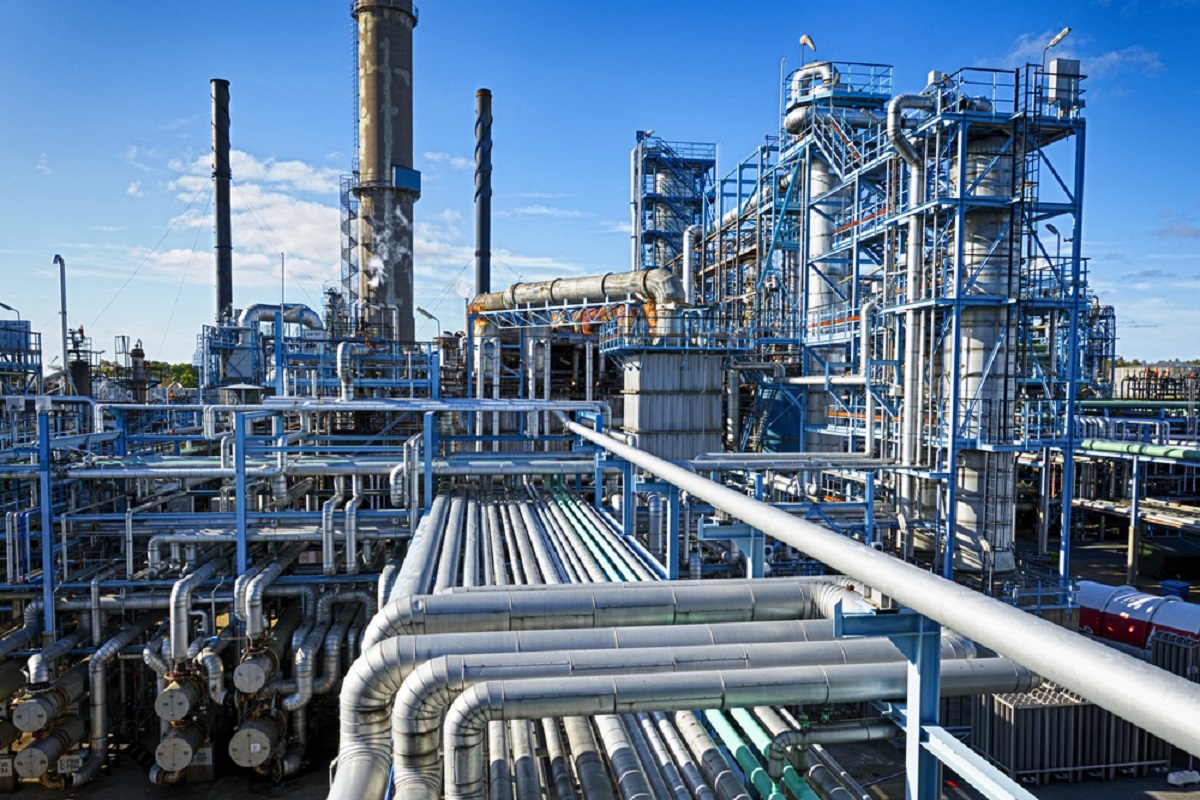
As oil prices soar, major oil companies will report record-breaking profits. While this benefits investors and industry executives, it will deepen the financial strain on consumers and small businesses. Political debates over windfall taxes on oil companies may emerge in response to public outrage.
Related: 12 Stunning Cars From The World’s Biggest Automakers
Governments May Step in with Subsidies

To ease the burden on consumers, governments could introduce fuel subsidies or direct financial assistance. While these measures may provide temporary relief, they could also strain national budgets. Policymakers will have to balance economic stability with long-term energy solutions.
Related: 11 Classic Fiberglass Cars You Didn’t Know Came From Big Brands
Investment in Renewable Energy will Accelerate

With fossil fuel volatility becoming a growing concern, governments and businesses will increase investments in solar, wind, and other renewable energy sources. More households may adopt solar panels and battery storage to reduce reliance on oil-based energy. The transition to cleaner energy will gain momentum, but infrastructure challenges may slow its progress.
Related: 15 Legendary Two-Seaters That Defined Automotive History
Gas Stations May Struggle to Stay Open

Independent gas stations with tight profit margins could face closures as supply disruptions and price volatility make operations unsustainable. Consumers in rural or remote areas may have difficulty finding nearby fuel stations. The industry will need to adapt to changing energy trends, potentially incorporating EV charging stations.
Related: 15 Legendary Two-Seaters That Defined Automotive History
Alternative Fuels will Gain Traction

Biofuels, hydrogen, and synthetic fuels will become more widely discussed as potential replacements for traditional gasoline and diesel. Car manufacturers and energy companies may ramp up research and development efforts. The transition to alternative fuels will take time but could reshape the transportation industry in the long run.
Related: 13 Amazing Cars With Rear Engines
The looming oil crisis will have far-reaching financial consequences that extend beyond fuel prices. Rising costs across transportation, consumer goods, and services will challenge household budgets and reshape industries. Governments and businesses will need to implement strategies to adapt to these economic shifts. Consumers will play a crucial role in adjusting their habits and exploring alternative energy solutions. Preparing for these changes now can help mitigate financial strain and ensure a more sustainable future.
Disclaimer: This list is solely the author’s opinion based on research and publicly available information.
12 Gas-Powered Cars That Outshine EVs In Style

While electric vehicles are making waves in the automotive world, there’s something undeniably special about the timeless style of gas-powered cars. From classic muscle cars to ultra-luxurious sedans, these vehicles boast design elements, craftsmanship, and character that EVs often struggle to match. Whether it’s bold aesthetics, aggressive stances, or iconic details, these gas-powered beauties prove that style isn’t just about efficiency, it’s about presence. Here are 12 gas-powered cars that outshine EVs in style
Read it here: 12 Gas-Powered Cars That Outshine EVs In Style
12 Underrated Japanese Cars That Just Won’t Die

Japanese automakers are known for their engineering excellence, and some of their cars have gained legendary reputations for reliability and longevity. While certain models like the Toyota Corolla and Honda Civic receive endless praise, others quietly keep going for hundreds of thousands of miles without much fanfare. These underrated Japanese cars may not always be in the spotlight, but they have proven their durability time and time again. Here are 12 reliable Japanese cars that refuse to die.
Read it here: 12 Underrated Japanese Cars That Just Won’t Die
12 Tesla Red Flags That Are Making Buyers Jump Ship

Tesla has been a pioneer in the electric vehicle industry, but not everything about the brand is smooth driving. While the company continues to push innovation, concerns about quality control, pricing, and customer service are making some buyers rethink their decisions. Issues ranging from build inconsistencies to software glitches have raised serious red flags for potential owners. Here are 12 reasons why some Tesla buyers are jumping ship.
Read it here: 12 Tesla Red Flags That Are Making Buyers Jump Ship