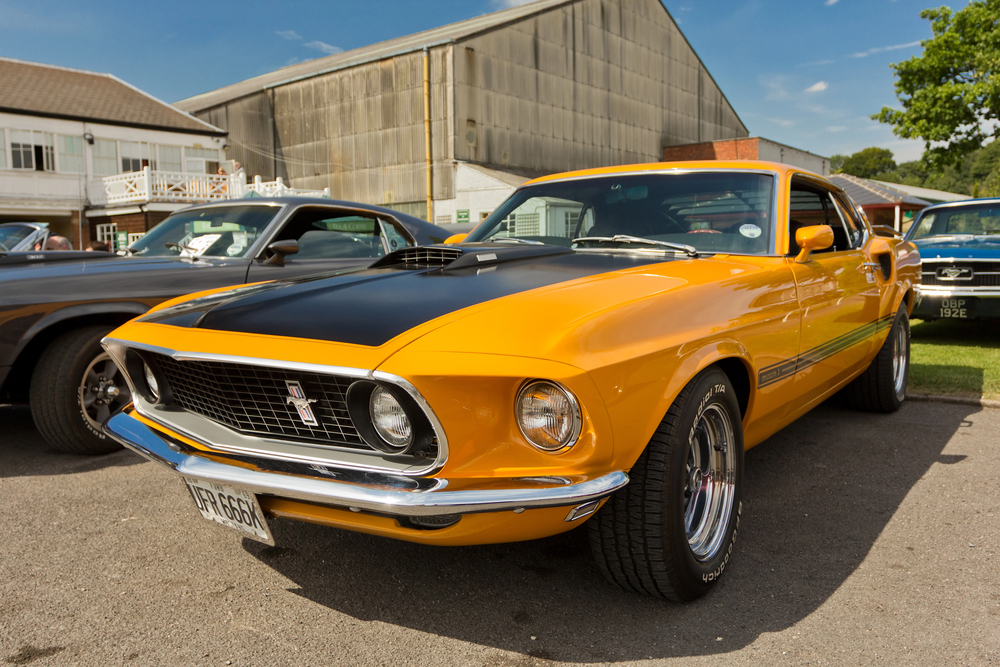
Fiberglass has played a crucial role in automotive history, allowing manufacturers to build lightweight, durable, and uniquely styled vehicles. While most people associate fiberglass with kit cars and small manufacturers, several major automakers have embraced the material for groundbreaking designs. From sports cars to concept vehicles, some of the biggest names in the industry have produced fiberglass bodied models.
Chevrolet Corvette (C1-C7)
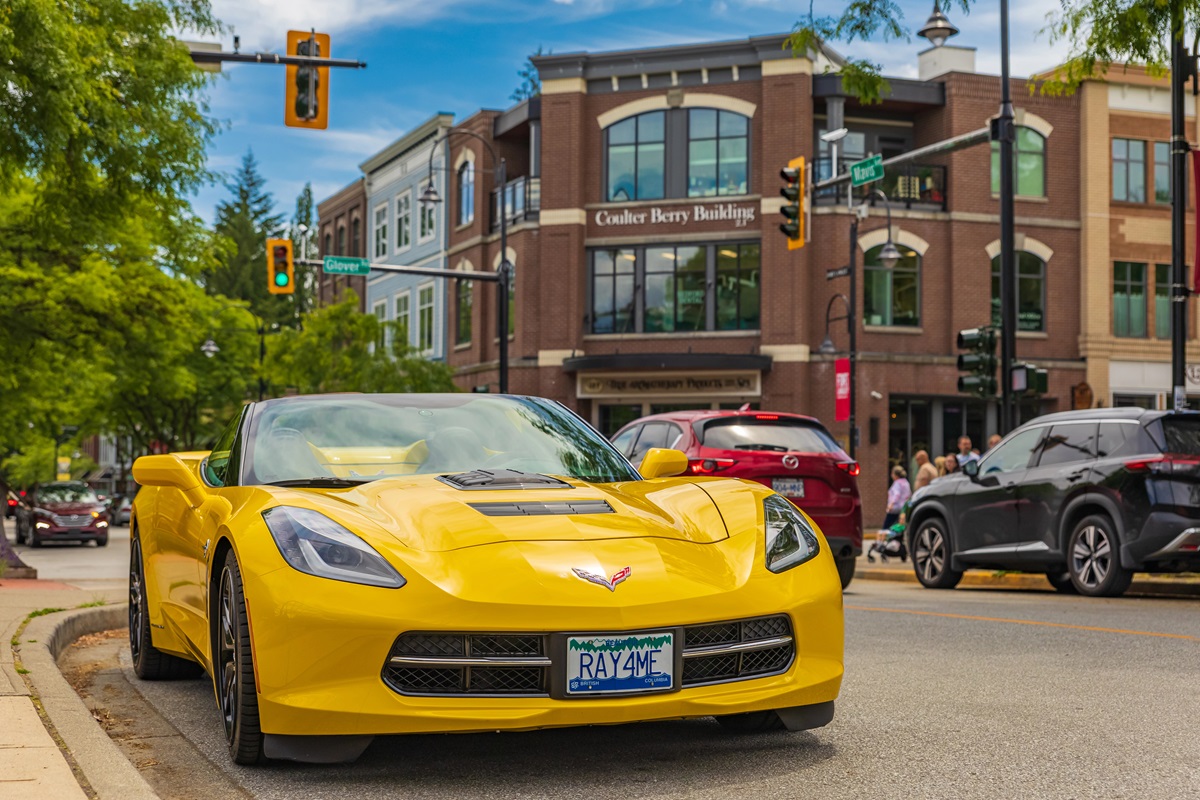
The Chevrolet Corvette made history in 1953 as America’s first mass-produced fiberglass sports car. General Motors chose fiberglass to keep the Corvette lightweight and affordable while maintaining its sleek design. The decision helped define the Corvette’s identity, with fiberglass remaining a key material for the model through seven generations. This innovation cemented its place as one of the most iconic American sports cars.
Dodge Dart Charger Concept (1965)
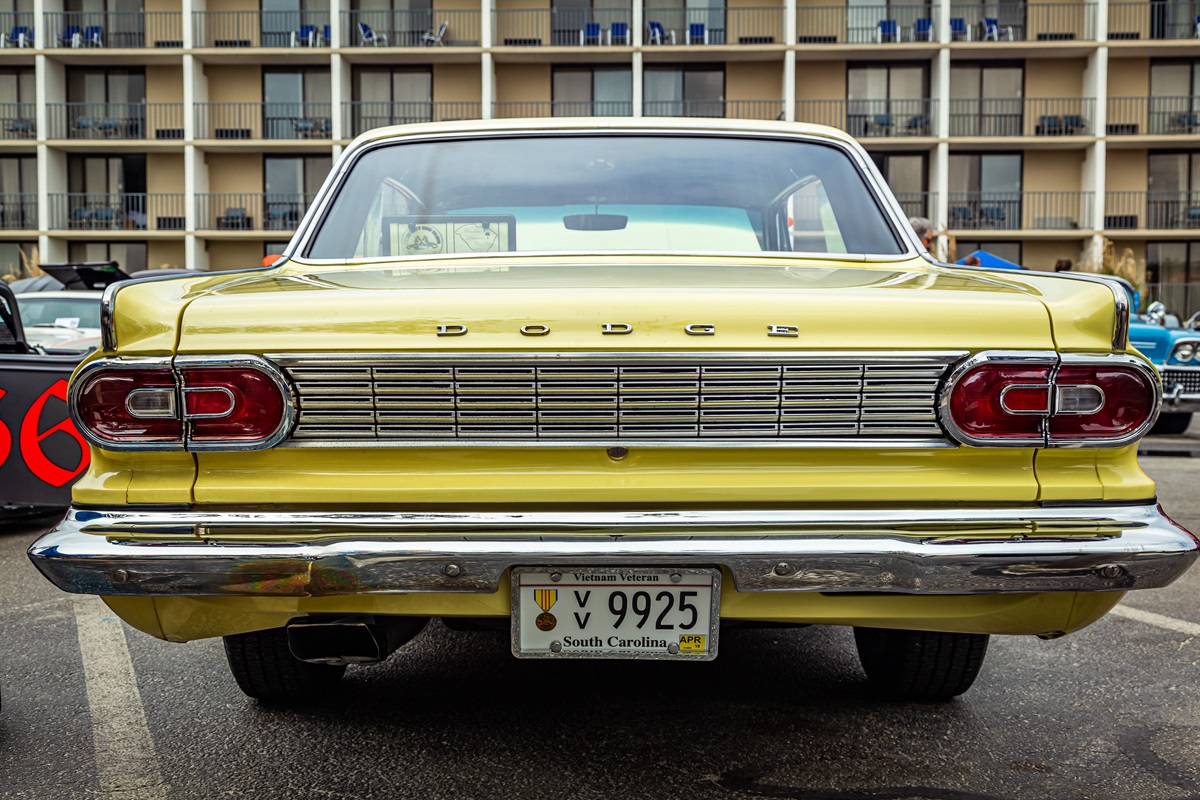
Dodge experimented with fiberglass when creating the Dart Charger concept, a lightweight, aerodynamic racing prototype. The car was designed as a drag racing beast, featuring a powerful HEMI engine and a fiberglass body to maximize speed. Though it never entered mass production, the concept heavily influenced later Mopar muscle cars. It showcased Chrysler’s willingness to push engineering boundaries.
Kaiser Darrin (1954)
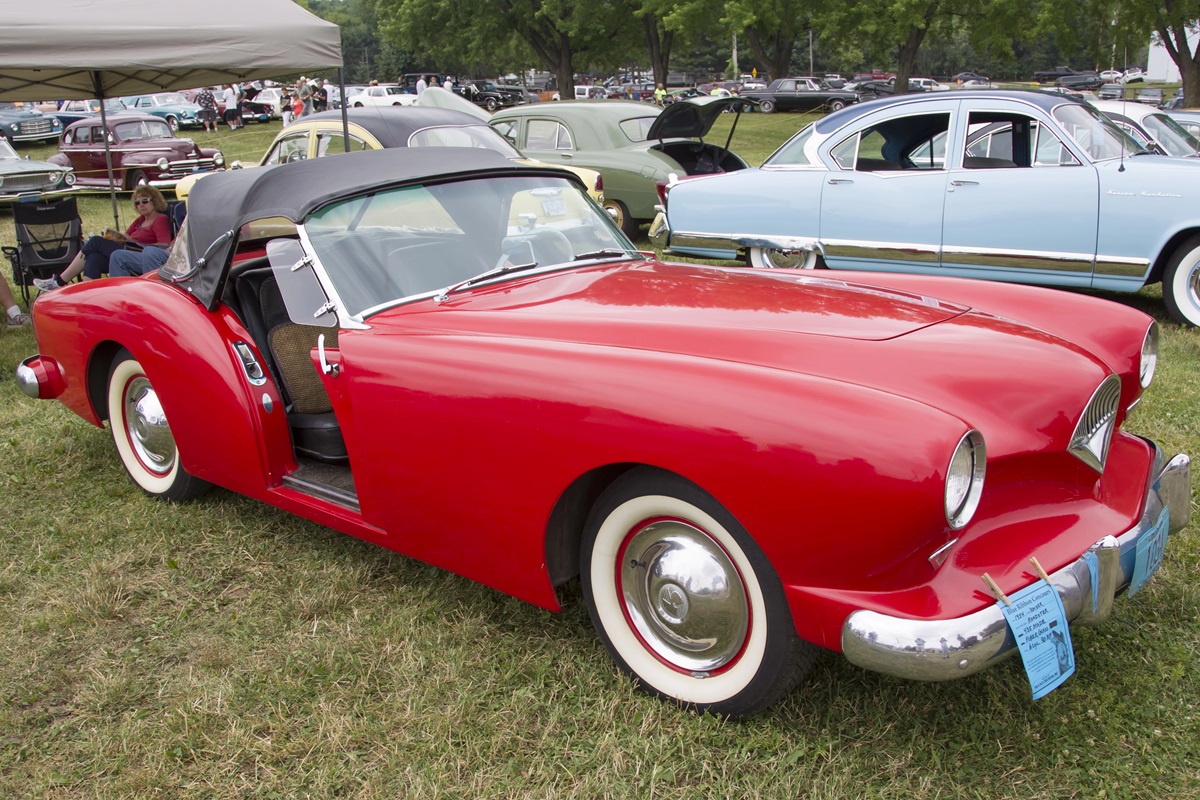
The Kaiser Darrin was one of the first American sports cars to use a fiberglass body, arriving just months after the Corvette. Its most distinctive feature was the innovative sliding pocket doors that disappeared into the front fenders. While its production run was short lived, the Darrin remains a highly collectible classic. Its sleek design and fiberglass construction made it a standout in the 1950s.
Shelby Cobra
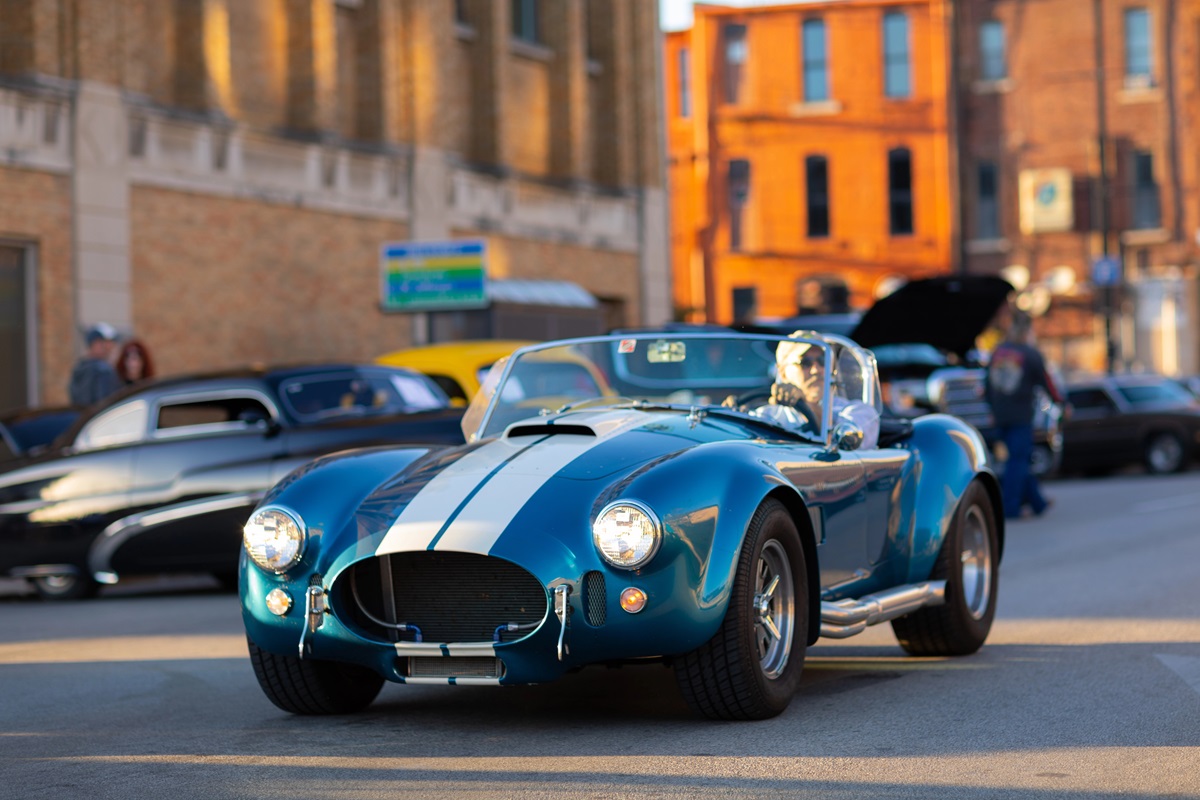
The Shelby Cobra is one of the most celebrated American sports cars, known for its powerful V8 engine and aggressive styling. While many Cobras featured aluminum bodies, some models and continuation cars used fiberglass for cost-effective production and easier modification. The fiberglass-bodied versions retained the Cobra’s signature performance while offering greater accessibility to enthusiasts. Whether in metal or fiberglass, the Cobra remains an undisputed icon in automotive history.
Related: 12 Rare Cars Hiding In Plain Sight That Could Be Worth A Fortune
Mercedes-Benz 300SL Gullwing
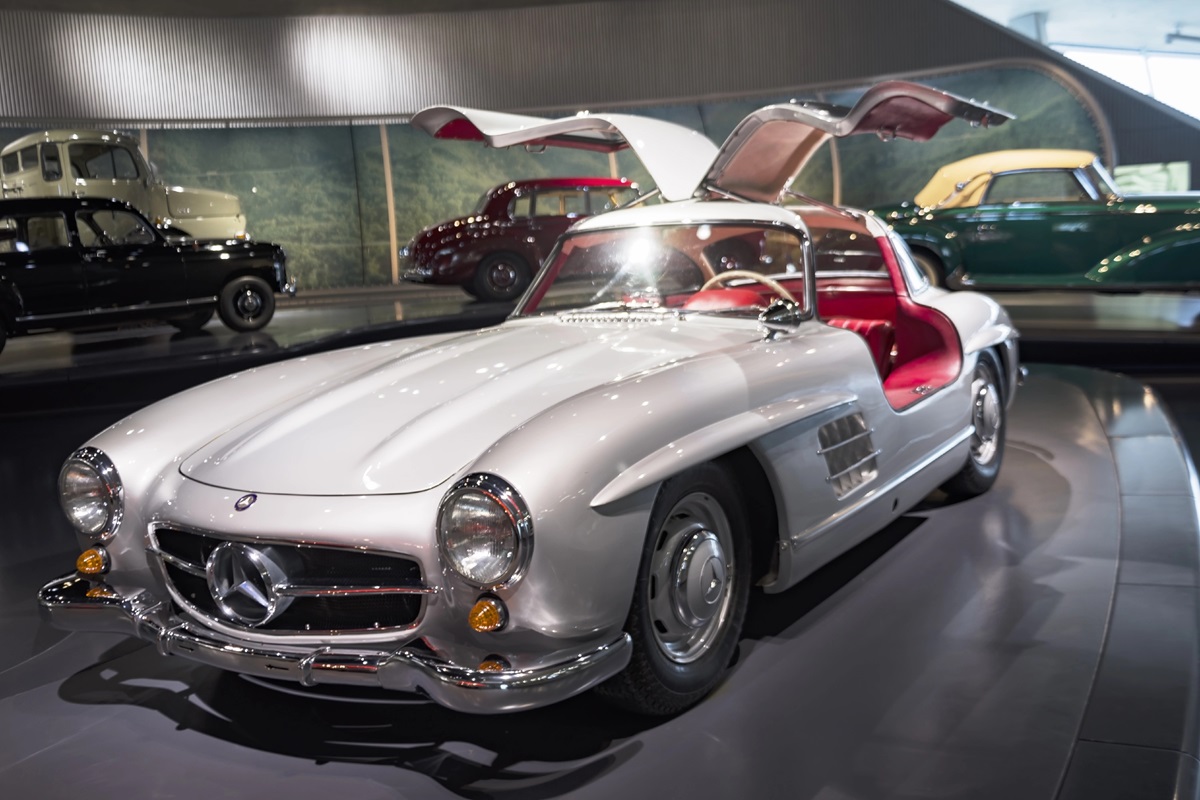
The legendary Mercedes-Benz 300SL Gullwing was not only known for its iconic doors but also for its innovative use of fiberglass components. While its main structure was steel, the underbody and various panels utilized fiberglass to reduce weight and improve aerodynamics. This lightweight approach contributed to the car’s impressive speed and handling, making it one of the most desirable classic sports cars. Today, the 300SL Gullwing is among the most valuable collector cars in existence.
Related: 13 Iconic Cars That Define Automotive Greatness
Lotus Elite (1958-1963)

The first generation Lotus Elite was a revolutionary sports car with an entirely fiberglass monocoque body. This lightweight construction gave the Elite incredible handling characteristics, making it a favorite among racers. Colin Chapman, Lotus’ founder, championed the use of fiberglass for its performance advantages. The car’s innovative engineering influenced many future lightweight sports cars.
Related: 12 Cars That Are Built to Last a Lifetime
Volkswagen Karmann Ghia
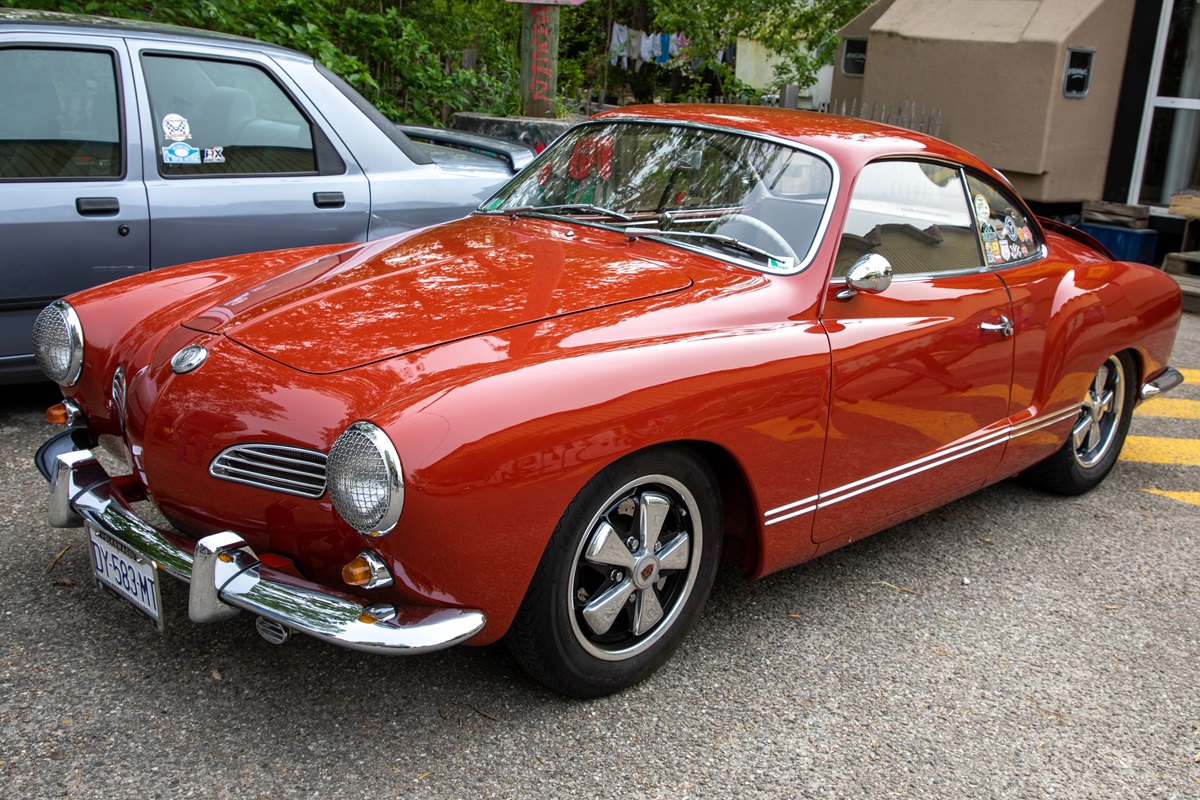
The Volkswagen Karmann Ghia blended the mechanical simplicity of the Beetle with a stylish Italian-designed body. While its main chassis was steel, Volkswagen used fiberglass for select panels to achieve a smoother, curvier design. The lightweight construction made it a nimble and efficient cruiser, perfect for those who wanted a refined ride without a high price tag. Over the years, it has gained a cult following, admired for its elegant looks and fun driving dynamics.
Ferrari 308 GTB (1975-1977)
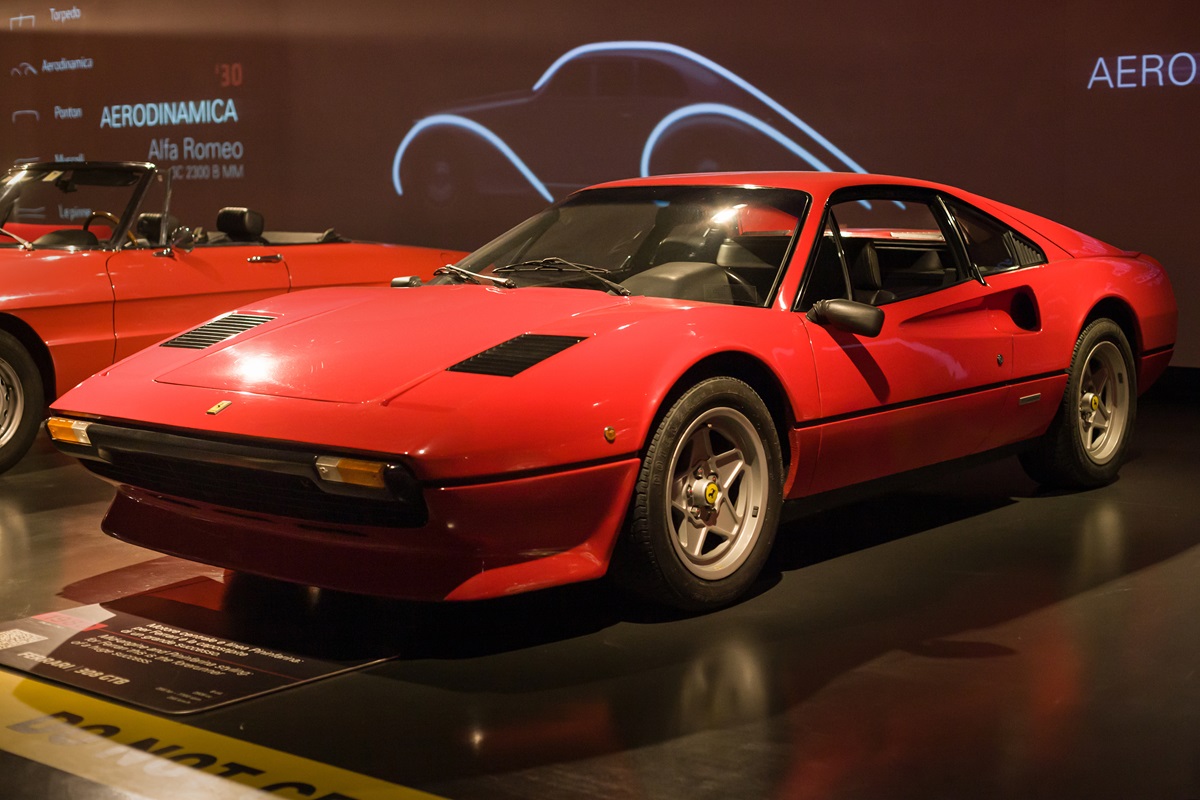
The early versions of the Ferrari 308 GTB featured fiberglass bodies to reduce weight and improve performance. This was the first time Ferrari had used fiberglass for a production model, making it an interesting departure from traditional metal construction. Later versions switched to steel, making the fiberglass models rare and highly collectible today. It proved that even Ferrari saw the benefits of lightweight composite materials.
Related: 15 Cars That Defined Boomer Childhoods and Are Now Ultimate Collectibles
Plymouth Barracuda (1964-1969)
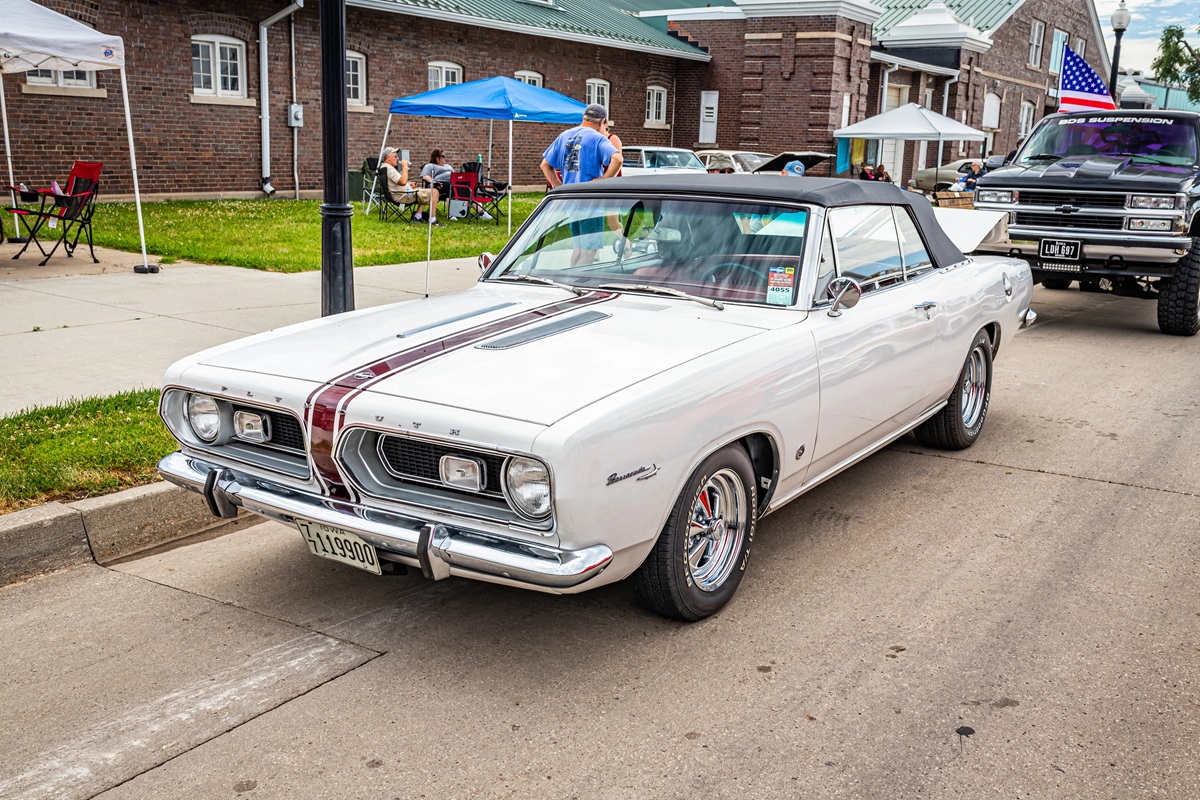
The first-generation Plymouth Barracuda featured a groundbreaking wraparound rear glass window, but what many don’t realize is that fiberglass was also part of its lightweight structure. Chrysler experimented with fiberglass panels in early models to reduce weight and improve fuel efficiency. As muscle car competition intensified, later models moved toward heavier steel construction for durability. Despite this shift, the early Barracuda remains a significant part of automotive history.
Related: 14 Coolest Car Concepts That Never Made It to Production
Alfa Romeo 33 Stradale (1967-1969)
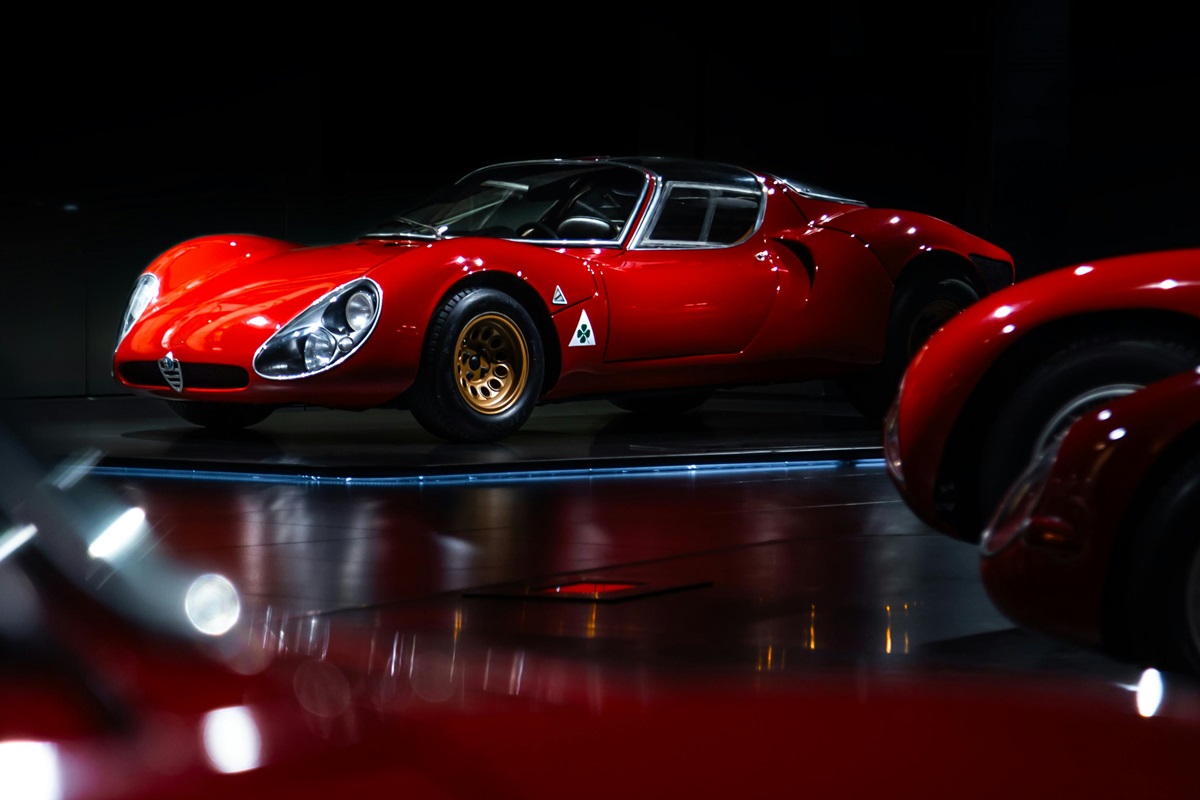
The Alfa Romeo 33 Stradale was an ultra exclusive supercar featuring a fiberglass and aluminum body for extreme lightweight performance. Only 18 units were ever built, making it one of the rarest Alfa Romeos ever produced. Its race inspired design and mid-engine layout made it one of the most advanced cars of its time. The combination of fiberglass and aluminum helped it achieve blistering speeds.
Mercedes-Benz C111 Concept (1970s)
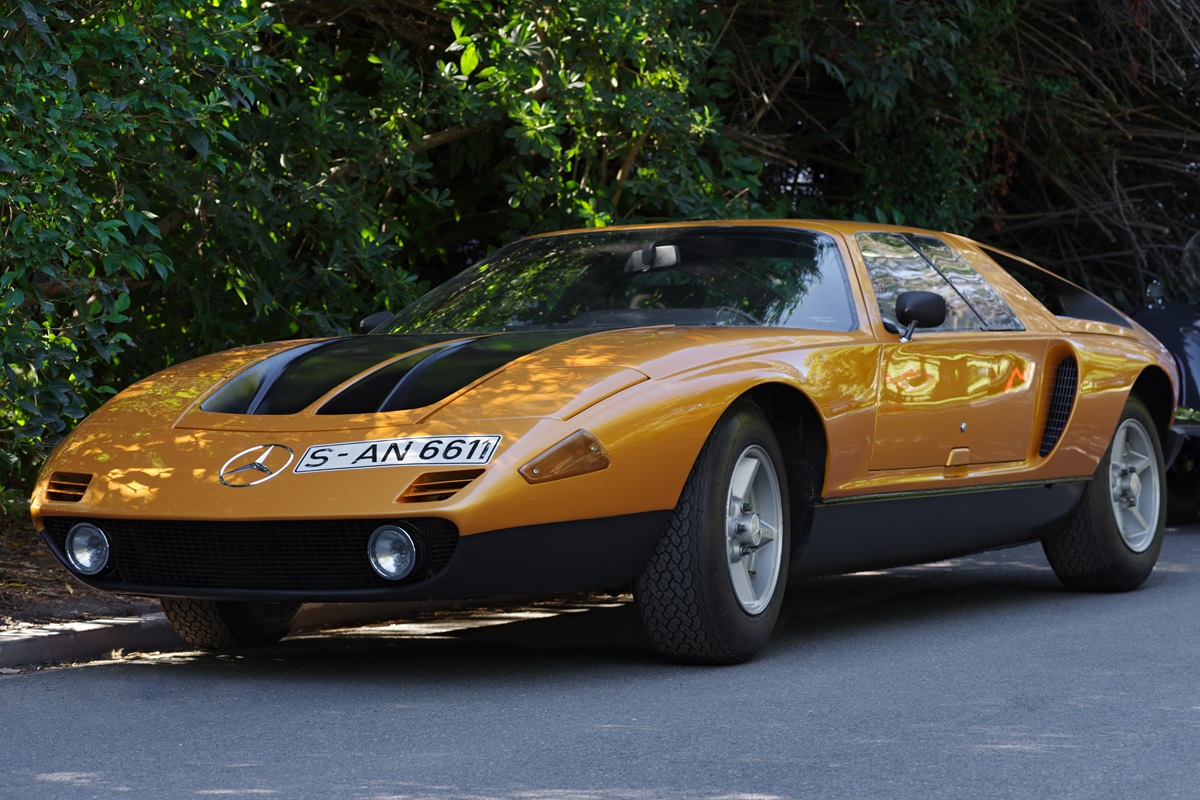
The Mercedes-Benz C111 was an experimental concept car featuring a fiberglass body and Wankel rotary engine. It was used as a testbed for various engine technologies and aerodynamic innovations. Despite its futuristic design and impressive performance, Mercedes never put it into production. The C111 remains one of the brand’s most intriguing concept cars.
Related: 12 Used Car Buying Mistakes That Could Cost You Thousands Overnight
Fiberglass has allowed major automakers to experiment with innovative, lightweight designs that push the boundaries of performance and styling. While commonly associated with kit cars and low production vehicles, big brands like Chevrolet, Ferrari, BMW, and Mercedes-Benz have all used fiberglass to great effect. Whether for performance enhancement, cost reduction, or futuristic design, these 11 classic fiberglass cars prove that the material has left a lasting impact on the automotive world.
Disclaimer: This list is solely the author’s opinion based on research and publicly available information.
12 Budget-Friendly Sports Cars That Will Blow Your Mind

Speed doesn’t have to come with a sky high price tag. Whether you’re into turbocharged acceleration, sporty handling, or just want a ride that turns heads, there are plenty of affordable performance cars to choose from. From hot hatches to muscle cars, these models pack serious power without breaking the bank. Here are the best fast cars under $30K that perfectly balance speed, style, and value!
Read it here: 12 Budget-Friendly Sports Cars That Will Blow Your Mind
12 Mercedes Models From the 2000s That Were Absolute Game-Changers

Mercedes-Benz has long been known for pushing the boundaries of luxury, performance, and innovation. The 2000s saw the brand introduce some of the most groundbreaking models that redefined their segments. From high-performance AMG beasts to cutting edge luxury sedans, these cars set new benchmarks in engineering and design. Here are 12 Mercedes models from the 2000s that changed the game forever.
Read it here: 12 Mercedes Models From the 2000s That Were Absolute Game-Changers
15 Insanely Clever Car Names That Gave Their Owners Bragging Rights

A great car name does more than identify a model, it creates an image, tells a story, and gives drivers something to brag about. Some names evoke speed and power, while others radiate elegance, adventure, or sheer dominance. Whether they were designed for marketing genius or just happened to sound cool, these 15 car names stand out as some of the cleverest in automotive history.
Read it here: 15 Insanely Clever Car Names That Gave Their Owners Bragging Rights
You’ll love these related posts:
- 12 Futuristic Cars That Feel Like They Were Designed For Gen Z
- 14 Dangerously Fun Cars That Put Thrill Over Everything Else
- 12 Secret Tricks That Make Teaching Your Teen To Drive Way Less Stressful
- 15 Classic Cars That Will Make You Wish You Were Born in the ‘50s or ‘60s
- 13 Best Cars for Retirees Who Want Comfort, Luxury, and Zero Stress