
Electric vehicles (EVs) currently dominate the conversation about the future of sustainable transportation, but hydrogen fuel cell vehicles (FCVs) are quickly emerging as a formidable and highly competitive alternative. While EVs have gained widespread mass adoption in recent years, hydrogen cars offer unique and distinct advantages that could make them the ultimate clean energy solution. Here are 13 compelling reasons why hydrogen cars might take over the auto industry much sooner than you think.
Faster Refueling Times

Unlike EVs, which require anywhere from 30 minutes to several hours to charge fully, hydrogen cars can refuel completely in just 3-5 minutes. This unmatched convenience closely mirrors the traditional refueling experience of gasoline-powered cars, making hydrogen an absolute game-changer for impatient and busy drivers.
Longer Driving Range
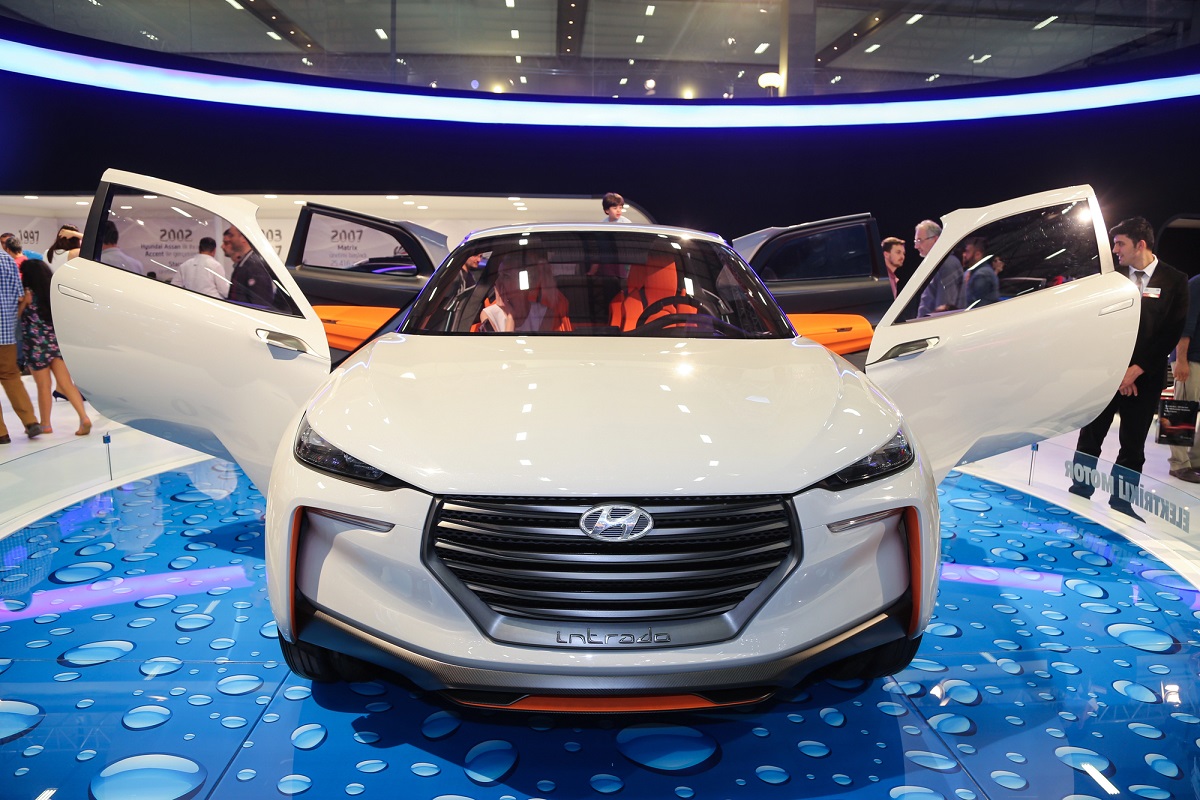
Hydrogen fuel cells offer significantly longer driving ranges compared to most modern EVs. While many electric cars struggle to exceed 300 miles per charge, hydrogen-powered vehicles like the Toyota Mirai can reach well over 400 miles, making them ideal for reliable and stress-free long-distance travel.
No Charging Infrastructure Issues

EV charging stations require significant investment, take up valuable space, and have frustratingly long wait times during peak hours. Hydrogen refueling stations, while not as widespread yet, can serve multiple vehicles much more quickly and efficiently, avoiding the frustrating bottlenecks commonly seen at EV chargers.
Lighter Weight for Better Performance
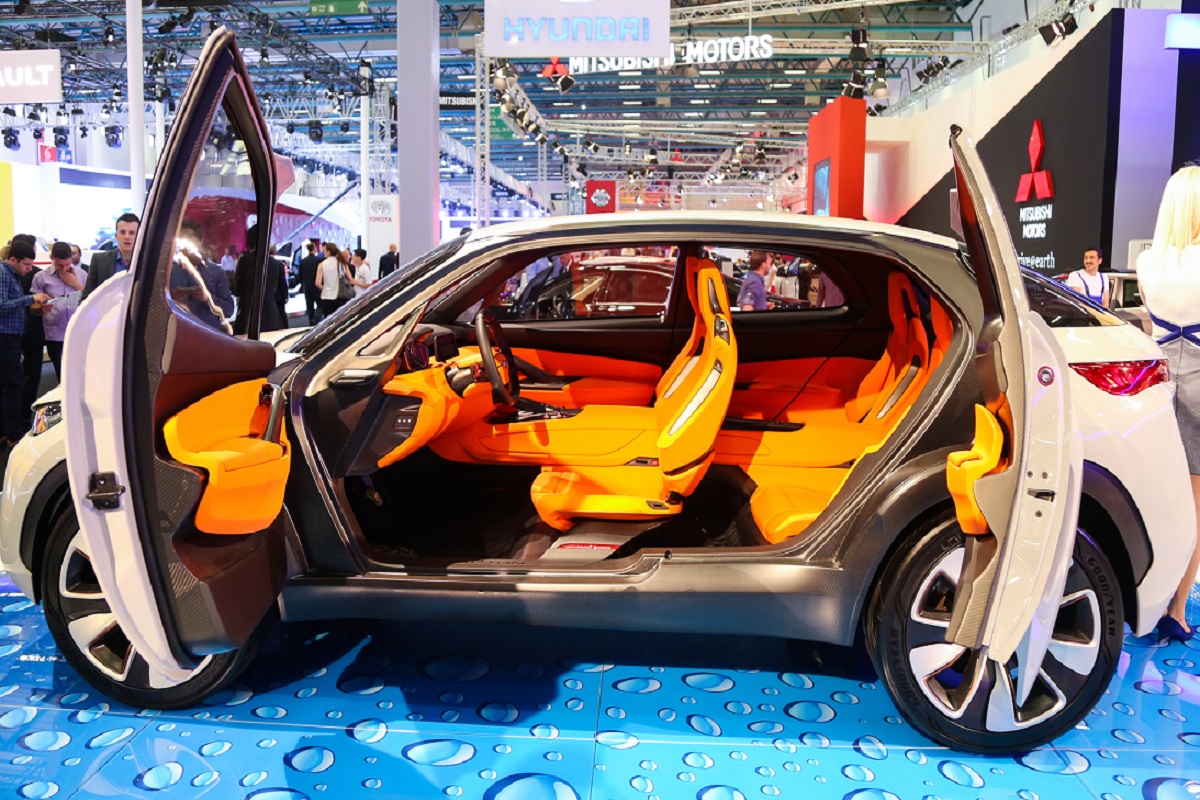
EV batteries are notoriously heavy, reducing overall vehicle efficiency and increasing unnecessary wear on tires and suspension components. Hydrogen fuel cells are much lighter, improving acceleration, handling, and overall vehicle longevity, making high-performance driving even more enjoyable and effortless.
Related: 12 Cars That Became High-Performance Machines Thanks To An Engine Upgrade
No Battery Degradation Over Time
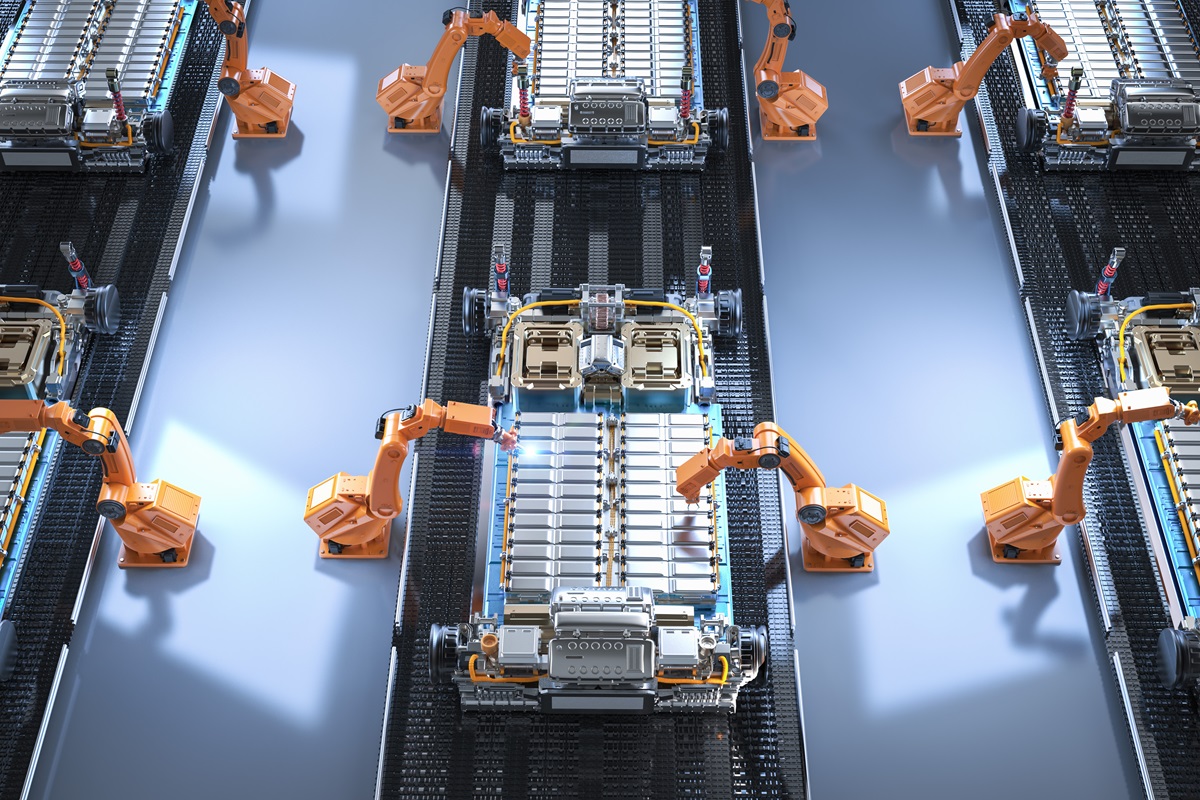
Lithium-ion batteries in EVs degrade over time, leading to reduced driving range and costly, frequent replacements. Hydrogen fuel cells, on the other hand, don’t suffer from the same wear and tear issues, ensuring consistent, reliable, and optimal performance for many years to come.
Related: 11 Shocking Truths About America’s Obsession With Gigantic Cars
More Sustainable Battery Alternative

EVs rely on lithium, cobalt, and other rare, environmentally damaging minerals that require large-scale mining operations. Hydrogen fuel cells use far more abundant and accessible materials, reducing the environmental impact associated with unethical production, waste, and long-term disposal concerns.
Related: 11 Genius Eletric Vehicle Hacks That Instantly Boost Your Battery Range
Reduced Strain on the Power Grid

As EV adoption continues to grow, power grids in many regions are struggling to meet increasing, unpredictable electricity demand. Hydrogen production, particularly from renewable sources, can be generated and stored separately, preventing costly infrastructure overloads and unexpected blackouts caused by high energy consumption.
Related: 12 Astonishing Dodge Convertibles That Ruled The Roads
Easier Integration into Existing Infrastructure

Hydrogen can be transported using existing natural gas pipelines and refueling networks, making its widespread rollout much more practical and cost-effective. In contrast, EV charging stations require entirely new infrastructure, which is costly, difficult, and extremely time-consuming to build successfully.
Related: 13 Most Beautiful Ferrari Designs Ever Created
Ideal for Heavy-Duty Vehicles

Hydrogen is significantly better suited for large trucks, buses, and commercial fleet vehicles due to its superior energy density. While EV trucks struggle with excessive battery weight and long charging times, hydrogen-powered alternatives provide greater efficiency, range, and convenience for long-haul transport.
Related: 11 Unstoppable Legacy Of Renault In Formula 1
No Risk of Battery Fires

Lithium-ion batteries can overheat and catch fire, especially in high-impact crashes and dangerous vehicle accidents. Hydrogen fuel cells, while highly flammable, have advanced safety mechanisms that significantly reduce the risk of catastrophic explosions, making them a safer and more reliable long-term option.
Related: 12 Reasons Compact Pickups Are Making A Huge Comeback
Government Investments are Increasing

Many countries are rapidly ramping up significant investments in hydrogen technology and large-scale infrastructure development. Governments worldwide are funding hydrogen research, refueling stations, and consumer subsidies, accelerating adoption and making it a much more competitive alternative to EVs.
Related: 11 Eco Friendly Materials That Are Revolutionizing Car Design
Potential for Home Hydrogen Production

Unlike EV charging, which requires access to high-powered charging stations, hydrogen production could eventually be done at home using efficient solar-powered electrolyzers. This breakthrough innovation would give consumers long-term energy independence, eliminating reliance on costly public fueling infrastructure networks.
Related: 12 Stunning Ways Solar-Powered Cars Will Change How We Buy And Drive
More Flexibility for Renewable Energy Storage

Hydrogen can act as an energy storage solution, capturing excess power generated by renewables like wind and solar energy. This capability makes hydrogen-powered vehicles part of a larger, more sustainable clean energy ecosystem, further enhancing efficiency and long-term environmental sustainability.
Related: 13 Eye-Opening Truths About Full-Time Van Travel That Will Blow Your Mind
While EVs lead the clean transportation market, hydrogen cars offer undeniable advantages. Faster refueling, longer range, and better cold-weather performance could make them the superior choice. With ongoing advancements and investments, hydrogen may soon overtake EVs, reshaping the auto industry.
Disclaimer: This list is solely the author’s opinion based on research and publicly available information.
12 Stunning Breakthroughs In Synthetic Fuels That Could Shake Up The Auto Industry

The auto industry is undergoing a transformation as synthetic fuels emerge as a game-changing alternative to gasoline and diesel. These fuels, created from renewable sources, offer the potential to reduce carbon emissions while maintaining compatibility with existing internal combustion engines. Advances in production methods, efficiency, and sustainability are making synthetic fuels a viable solution for the future of transportation.
Read it here: 12 Stunning Breakthroughs In Synthetic Fuels That Could Shake Up The Auto Industry
12 Alternative Fuels That Could Make Gas Cars Obsolete

As the world shifts toward sustainability, alternative fuels are gaining traction as viable replacements for gasoline. These fuels promise lower emissions, increased efficiency, and reduced dependence on fossil fuels, paving the way for a cleaner transportation future. Here are 12 alternative fuels that could eventually render gas-powered cars obsolete.
Read it here: 12 Alternative Fuels That Could Make Gas Cars Obsolete
12 Reasons Why More Car Lovers Are Switching To Hybrid Vehicles

Hybrid vehicles have gained massive popularity among car enthusiasts due to their blend of performance, efficiency, and modern technology. As fuel prices rise and environmental concerns grow, many drivers are making the switch to hybrid models. These cars offer the best of both worlds combining gasoline engines with electric power for better fuel economy and reduced emissions.
Read it here: 12 Reasons Why More Car Lovers Are Switching To Hybrid Vehicles
You’ll love these related posts:
- 13 Insane Ways Active Aerodynamics Are Making Supercars Faster Than Ever
- 12 Adorable Cars You Can Buy For Less Than 10,000 Dollars
- 12 Reasons Why More Car Lovers Are Switching To Hybrid Vehicles
- 13 Mind-Blowing Battery Innovations That Will Kill The Gas Pump Forever
- 14 Shocking Truths Behind the Sudden Revival of Budget-Friendly Compact Cars