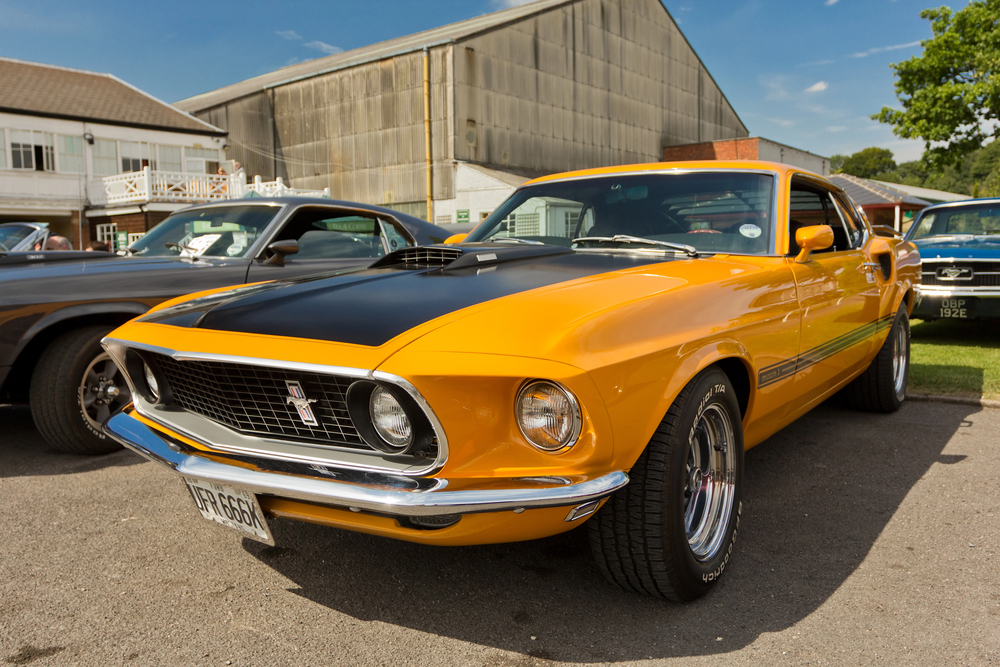
Supercars are pushing the limits of speed, performance, and efficiency, thanks to cutting-edge active aerodynamics. Unlike traditional fixed-wing designs, active aero systems adjust in real-time, optimizing downforce, reducing drag, and improving stability at high speeds. Whether through adaptive spoilers, moving diffusers, or airflow management, these innovations are making supercars faster and more responsive than ever before.
Adaptive Rear Wings Optimize Speed

Active rear wings automatically adjust their angle based on speed, braking, and cornering needs, maximizing aerodynamic efficiency. At high speeds, they flatten out to reduce drag, while during hard braking, they tilt up to increase downforce. This ensures better stability, improved handling, and enhanced performance on both straights and curves.
Dynamic Front Splitters Improve Grip
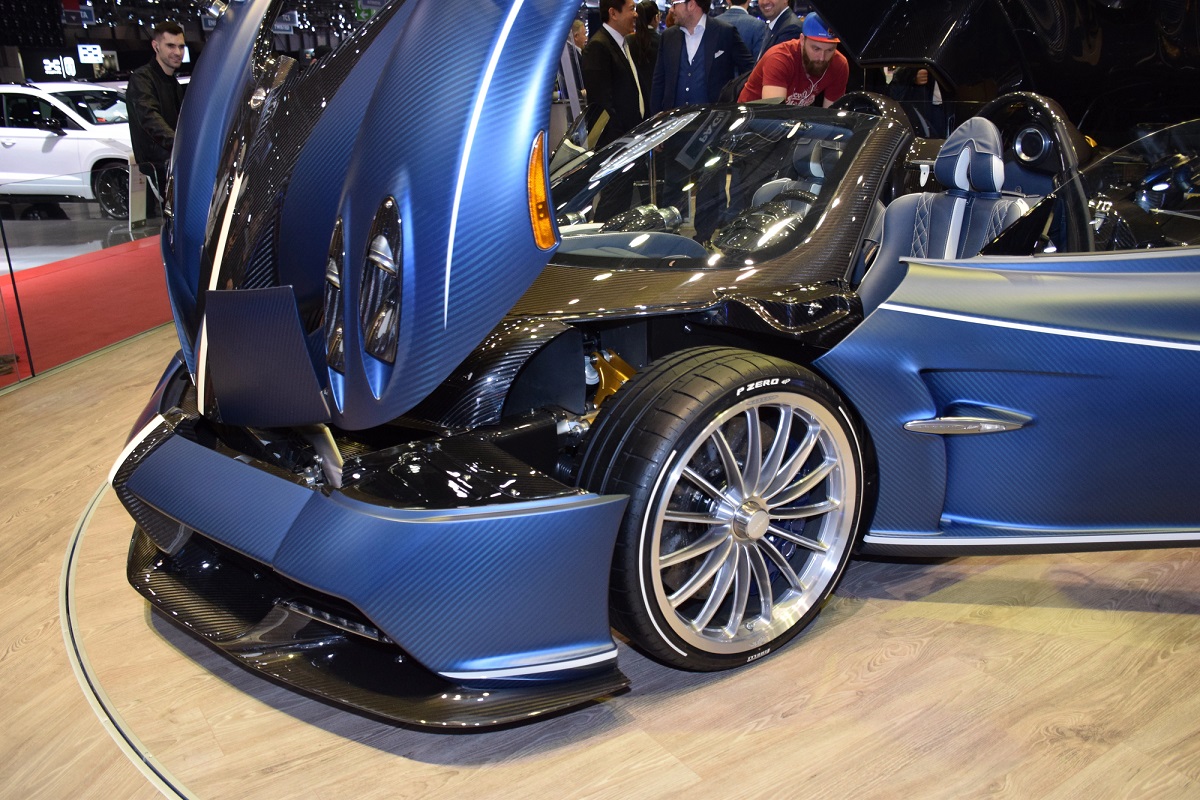
Front splitters adjust to direct airflow efficiently, increasing downforce at the front of the car and improving cornering grip. This helps keep the car planted at high speeds, preventing front-end lift and enhancing overall stability. Some designs even retract at lower speeds to reduce unnecessary drag and improve efficiency.
Air Brakes Reduce Stopping Distance

Some supercars use deployable aerodynamic surfaces as air brakes, significantly increasing drag to assist with rapid deceleration. These systems help shorten stopping distances by creating extra resistance, allowing the vehicle to slow down more effectively. Combined with advanced braking technology, this feature ensures safer, high-speed driving.
Moveable Side Flaps Control Airflow

Some supercars feature side-mounted aerodynamic elements that adjust to regulate lateral airflow, improving handling dynamics. These flaps open or close depending on speed, cornering forces, and road conditions, ensuring better stability at all times. This technology helps reduce unwanted aerodynamic drag while enhancing cornering performance.
Related: 12 Shockingly Cheap Cars That Perform Like a Porsche 718
Active Suspension Adjusts Ride Height

Many high-performance cars feature adaptive suspension systems that lower the ride height at high speeds for better aerodynamics. A lower stance reduces air resistance while improving downforce, ensuring optimal performance on the track or highway. When needed, the system can raise the car to clear obstacles or rough terrain.
Related: 15 Classic Cars Turning 50 In 2025
Cooling Vents Open Only When Needed

Supercars use electronically controlled vents that open to cool the engine and brakes only when necessary, reducing unnecessary drag. By keeping vents closed when cooling isn’t required, airflow remains streamlined, improving efficiency and top speed. This ensures better thermal management without sacrificing performance.
Related: 12 Gas-Powered Cars That Outshine EVs In Style
Underbody Aero Improves Airflow Efficiency

Some supercars utilize active underbody aerodynamics to channel air smoothly beneath the car, reducing lift and enhancing stability. This system works alongside diffusers and air channels to create a low-pressure zone, increasing overall downforce. The result is a car that feels more planted and controlled at extreme speeds.
Related: 11 Ford Bronco Facts Every Owner (and Fan) Needs To Know
Rotating Vanes Adjust to Driving Conditions

Certain models feature rotating aerodynamic vanes that actively direct airflow based on driving speed and maneuvers. These vanes improve efficiency by either reducing drag on straightaways or increasing grip when cornering aggressively. Their ability to adapt in real-time makes them a game-changer in high-performance driving.
Related: 14 Classic Cars That Became Hauntingly Beautiful Hearses
Variable Rear Spoilers Maximize Performance

Unlike fixed wings, variable rear spoilers adjust their angle depending on speed, acceleration, or braking needs. They automatically deploy at high speeds to generate more downforce or retract to improve aerodynamics during cruising. This ensures optimal performance in a variety of driving conditions.
Related: 13 Classic Sports Cars You Can Own Without Constant Repairs
Active Roof Spoilers Optimize Airflow

High-performance vehicles sometimes feature roof-mounted aerodynamic elements that adjust to reduce lift and improve rear stability. These roof spoilers work in tandem with other aero components to create a more balanced driving experience. By fine-tuning airflow, they enhance both cornering performance and straight-line speed.
Related: 12 Insider Tips Every Toyota Highlander Owner Should Know
Side Intakes Adjust for Cooling and Speed

Some supercars have intelligent air intakes that change shape based on cooling demands and aerodynamic efficiency. These intakes open when the engine requires more air and close to reduce drag when maximum cooling isn’t needed. This ensures both thermal management and top performance without unnecessary resistance.
Related: 12 Corvette Competitors That Are Bringing The Heat In 2026
Hybrid Aero Systems Blend Passive and Active Tech

The latest supercars integrate passive aerodynamics with active elements, creating a perfect balance between stability and efficiency. Fixed wings and diffusers work alongside adjustable aero components to adapt to real-time driving conditions. This synergy results in unmatched performance, combining the best of both aerodynamic worlds.
Related: 12 Honda Cars That Are Set To Dominate The Roads In 2025
Electrically Controlled Aero for Instant Adjustments

Instead of relying on hydraulics or mechanical components, newer supercars use electric actuators for faster, more precise aerodynamic adjustments. This allows for near-instant changes to wing angles, diffusers, and vents, optimizing performance on the fly. The result is seamless adaptability and improved responsiveness during extreme driving conditions.
Related: 11 Must-Know Tire Buying Tips That Every Driver Should Read
Active aerodynamics are transforming supercars, allowing them to achieve speeds and handling capabilities that were once unimaginable. By dynamically adjusting airflow, optimizing downforce, and reducing drag, these systems enhance performance without compromising efficiency. As technology continues to advance, future supercars will become even faster, more stable, and more aerodynamically intelligent than ever before.
Disclaimer: This list is solely the author’s opinion based on research and publicly available information.
11 Supercars With Designs Inspired By Jets, Rockets, And Sci-Fi

Supercars have always pushed the boundaries of design, drawing inspiration from the most advanced engineering fields. Some of the most breathtaking models take cues from fighter jets, rockets, and sci-fi concepts, blending futuristic aesthetics with cutting-edge aerodynamics. These cars don’t just look fast, they embody the spirit of aviation and space travel, turning heads with their out-of-this-world designs. Here are 11 supercars that look like they belong in a high-speed chase through the cosmos.
Read it here: 11 Supercars With Designs Inspired By Jets, Rockets, And Sci-Fi
14 Greatest Audi Models Of All Time
Audi has built a reputation for blending luxury, performance, and cutting-edge technology. Over the decades, the German automaker has introduced game changing vehicles that pushed the boundaries of engineering and design. From rally dominating legends to high-performance sedans and futuristic electric models, Audi has consistently delivered excellence. Here are 14 of the greatest Audi models that have left a lasting mark on automotive history.
Read it here: 14 Greatest Audi Models Of All Time
14 Hypercars So Insane They Make Supercars Look Slow

Hypercars represent the peak of automotive engineering, pushing the limits of speed, performance, and design. These machines are built for extreme acceleration, cutting edge aerodynamics, and mind blowing top speeds. While supercars are fast, hypercars make them look slow with record breaking horsepower, advanced hybrid systems, and ultra lightweight materials.
Read it here: 14 Hypercars So Insane They Make Supercars Look Slow
You’ll love these related posts: