As the world shifts toward sustainability, alternative fuels are gaining traction as viable replacements for gasoline. These fuels promise lower emissions, increased efficiency, and reduced dependence on fossil fuels, paving the way for a cleaner transportation future. Here are 12 alternative fuels that could eventually render gas-powered cars obsolete.
Electricity

Electricity is already leading the charge in replacing gasoline, thanks to battery-powered electric vehicles (EVs). With advancements in battery technology and charging infrastructure, EVs offer a quiet, efficient, and emissions-free driving experience. As renewable energy sources expand, electricity becomes an even greener alternative.
Hydrogen
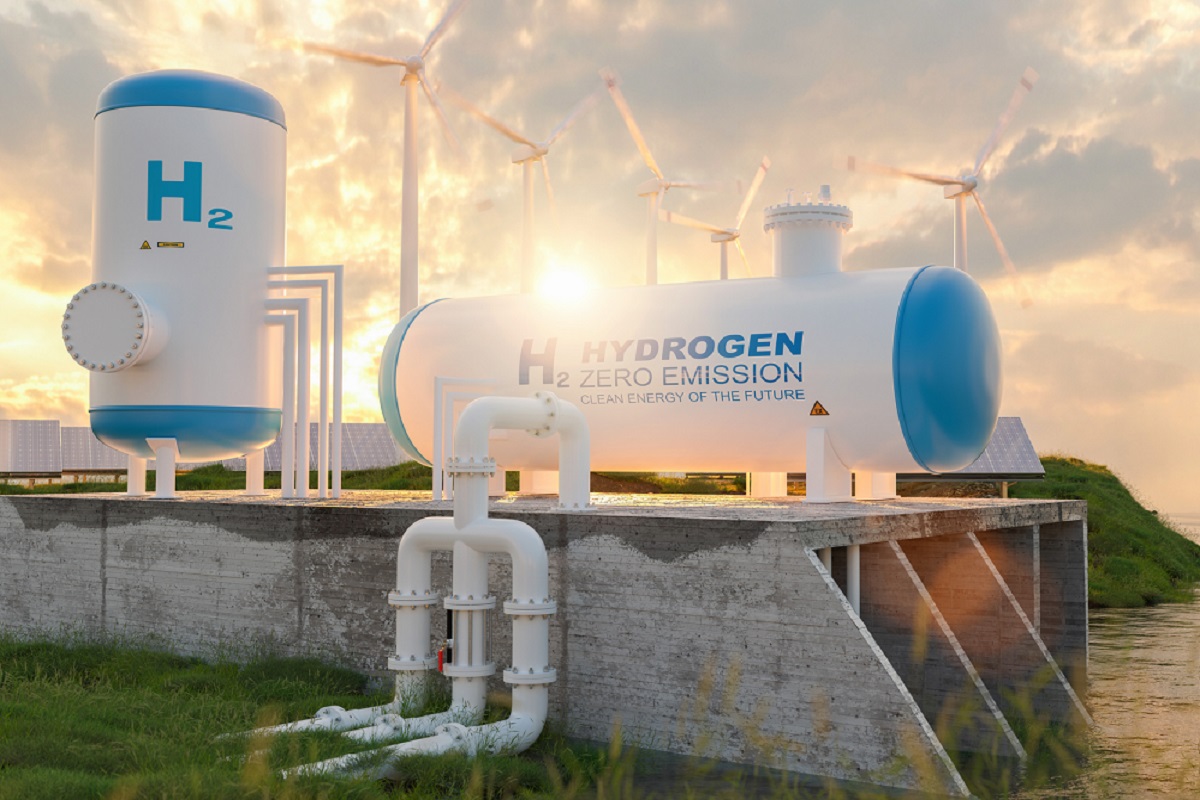
Hydrogen fuel cells generate electricity by combining hydrogen and oxygen, producing only water vapor as a byproduct. Unlike traditional EVs, fuel cell vehicles (FCVs) refuel quickly and offer long driving ranges. If hydrogen production becomes more sustainable, this could be a dominant fuel of the future.
Bioethanol

Bioethanol is a renewable fuel made from fermenting crops like corn, sugarcane, and switchgrass. Many gasoline engines can run on ethanol blends (like E85), reducing reliance on pure fossil fuels. With improved production efficiency, bioethanol could play a bigger role in sustainable transportation.
Biodiesel

Biodiesel is made from vegetable oils, animal fats, and recycled cooking grease. It can power diesel engines with little modification and produces fewer emissions than petroleum-based diesel. As waste-to-fuel technology improves, biodiesel could become a mainstream alternative for heavy-duty vehicles.
Related: 15 Insanely Clever Driving Hacks Every Car Owner Wishes They Knew Sooner
Compressed Natural Gas (CNG)
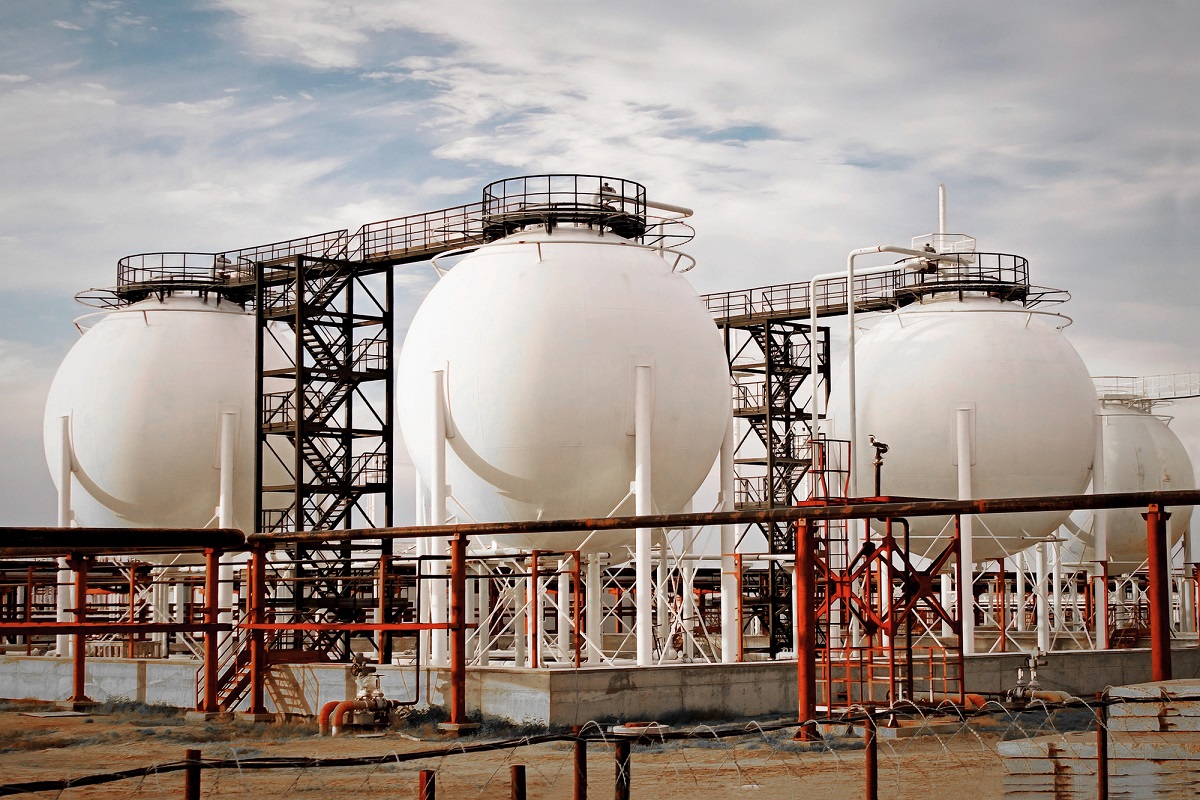
CNG burns cleaner than gasoline, emitting lower levels of carbon dioxide and pollutants. While still a fossil fuel, it’s abundant and offers an easy transition for existing internal combustion engine (ICE) vehicles. Many fleets and public transit systems already use CNG for its cost-effectiveness and reduced emissions.
Related: 11 Hidden Ways The Trump Trade War Is Quietly Driving Up Car Prices
Liquefied Natural Gas (LNG)

LNG is similar to CNG but stored in liquid form, making it more energy-dense and suitable for long-haul transportation. Trucks and ships increasingly use LNG to lower emissions without sacrificing range or power. If methane emissions from extraction can be controlled, LNG could be a key fuel in reducing carbon footprints.
Related: 12 Scary Car Warning Lights and Sounds You Should Never Ignore
Propane (LPG)

Liquefied petroleum gas (LPG), commonly known as propane, is widely used in commercial fleets and off-road vehicles. It burns cleaner than gasoline, reducing carbon monoxide and particulate emissions. With proper infrastructure, LPG could serve as a bridge fuel while cleaner alternatives gain market share.
Algae-Based Biofuels

Algae can produce biofuels with a much higher yield than traditional crops, requiring less land and water. These fuels work in existing combustion engines, making them a seamless alternative to gasoline. As research advances, algae-based biofuels could become a game-changer for sustainable mobility.
Related: 15 Nostalgic ’80s & ’90s Cars That Are Making A Comeback
Synthetic Fuels

Synthetic fuels, or e-fuels, are created by capturing carbon dioxide and combining it with hydrogen to produce liquid fuel. These fuels can be used in existing ICE vehicles without modifications, offering a carbon-neutral solution. If scaled up, synthetic fuels could keep classic cars and older models on the road sustainably.
Related: 15 Cars That Defined Boomer Childhoods and Are Now Ultimate Collectibles
Ammonia

Ammonia is emerging as a promising fuel due to its high energy content and lack of carbon emissions. It can be burned directly in modified combustion engines or used in fuel cells. With advancements in production and storage, ammonia could become a viable zero-carbon alternative.
Methanol

Methanol can be produced from natural gas, biomass, or even captured CO₂, making it a flexible alternative fuel. It burns cleaner than gasoline and can be used in modified ICE vehicles. As renewable methanol production expands, it could play a key role in reducing transportation emissions.
Related: 15 Game Changing Car Tricks That Will Transform How You Drive
Solar Power

While solar-powered cars are still in the experimental phase, advances in photovoltaic technology could make them viable for mainstream use. Some EVs already integrate solar panels to extend battery life, and future breakthroughs may allow fully solar-powered driving. If efficiency improves, solar could revolutionize the auto industry.
Related: 12 Scary Car Emergencies and Exactly What to Do to Stay Safe
The transition away from gasoline is inevitable, and these alternative fuels each offer unique benefits for a cleaner, more efficient future. Whether through electricity, hydrogen, biofuels, or synthetic alternatives, the auto industry is racing toward a world where gas cars become relics of the past. As technology advances and infrastructure improves, the way we power our vehicles will continue to evolve, bringing us closer to a truly sustainable transportation era.
Disclaimer: This list is solely the author’s opinion based on research and publicly available information.
13 Brutal Truths About Gas Cars That Millennials Have Finally Had Enough Of
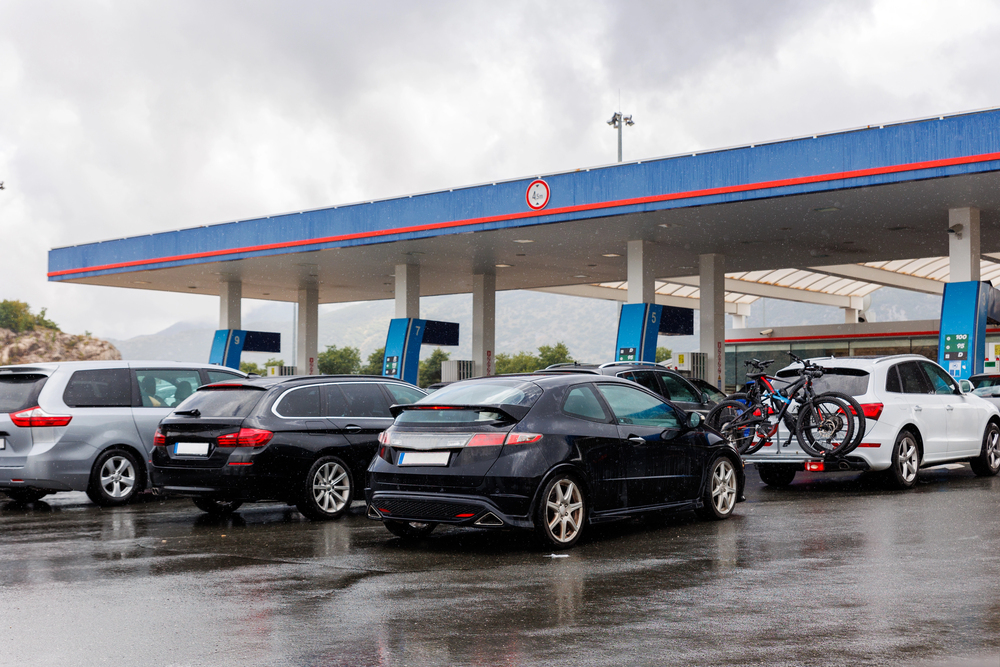
Millennials grew up during the golden age of gas powered vehicles, but they’re now leading the charge toward electric and alternative options. Why? Because owning a traditional car has become more of a headache than a convenience. From rising costs to environmental concerns, these are the brutal truths about gas cars that Millennials have finally had enough of.
Read it here: 13 Brutal Truths About Gas Cars That Millennials Have Finally Had Enough Of
14 Shocking Reasons Your Car Is Burning Gas Faster Than It Should
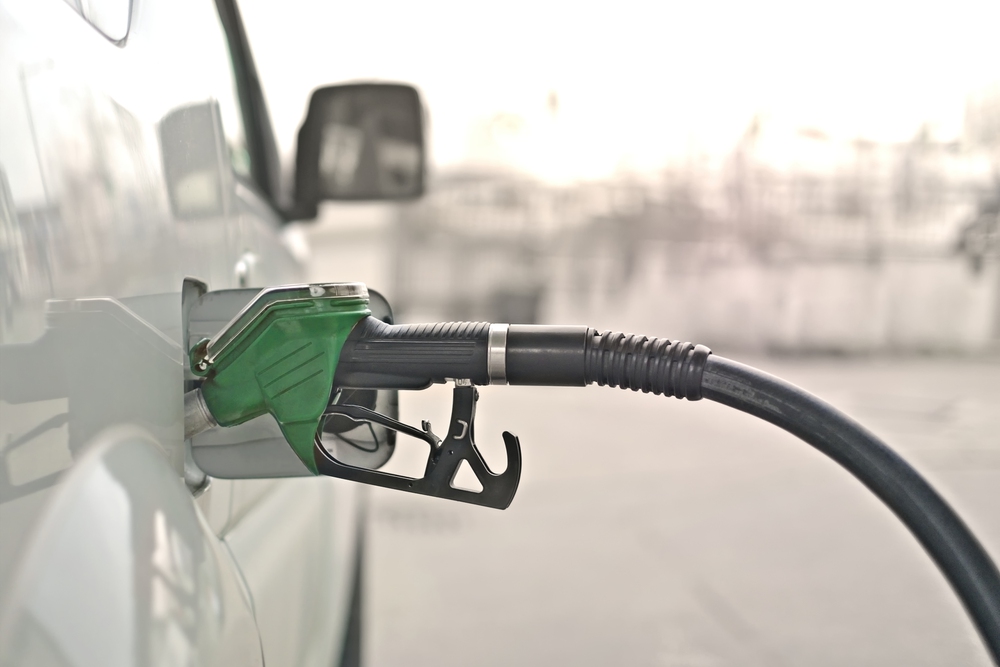
With gas prices fluctuating, getting the most out of every gallon is more important than ever. Fortunately, simple changes to your driving habits and vehicle maintenance can make a big difference. From adjusting your speed to keeping your tires properly inflated, these 14 tips will help you maximize fuel efficiency and keep more money in your pocket.
Read it here: 14 Shocking Reasons Your Car Is Burning Gas Faster Than It Should
Luxury Electric Sedans: Which One Reigns Supreme?

Luxury electric sedans offer top-tier performance, advanced technology, and premium comfort. Automakers are pushing boundaries with cutting-edge design, high-end interiors, and impressive range. With so many options on the market, choosing the best one can be challenging. Here’s how today’s top luxury EVs compare.
Read it here: Luxury Electric Sedans: Which One Reigns Supreme?
You’ll love these related posts:
- Car Maintenance Made Easy: 15 Essential FAQs Every Driver Should Read!
- Mechanic-Approved! 12 Expert Answers to Your Car Problems
- The Ultimate Car Owner’s Guide: 15 Common Auto Questions Solved
- 13 Self-Healing Car Paint That it Finally Becoming a Reality?
- 12 Cheapest Electric Cars That Still Have Great Range