
Airbags have come a long way since their introduction, evolving from basic frontal protection to highly sophisticated systems that address multiple crash scenarios. With automakers and researchers continually enhancing vehicle safety, today’s airbag technologies go beyond saving lives they’re also minimizing injury, adapting to vehicle occupants, and reacting intelligently to different types of collisions. Below are 11 groundbreaking airbag technologies that are setting new benchmarks in automotive safety.
Dual-Stage Front Airbags

Dual-stage airbags deploy with variable force depending on the severity of the crash and the occupant’s size and position. In minor collisions, a lower-force deployment helps prevent injuries caused by airbag overexpansion. This technology customizes protection to fit real-world conditions, enhancing comfort and safety.
Side Curtain Airbags
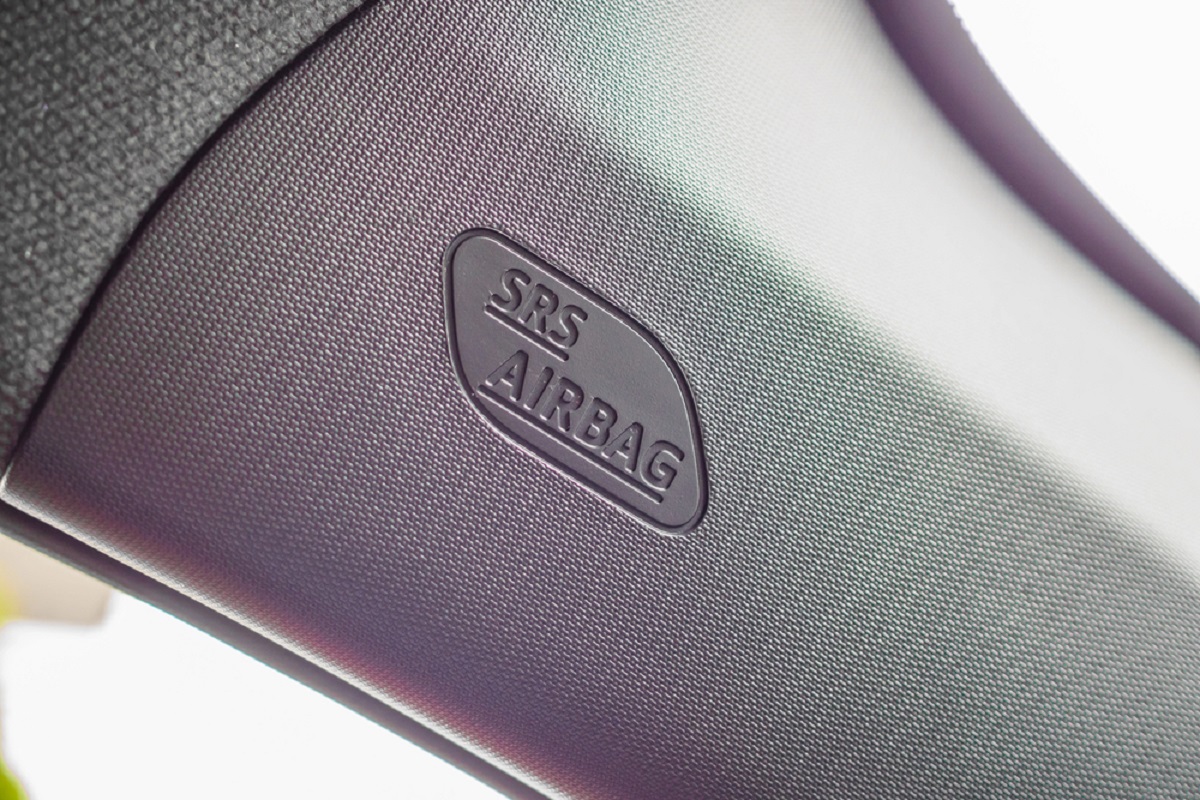
These airbags deploy from the ceiling to protect the heads of occupants during a side impact or rollover. They often cover both front and rear windows, shielding multiple passengers simultaneously. Their wide coverage and fast deployment help prevent traumatic brain injuries and ejection from the vehicle.
Knee Airbags
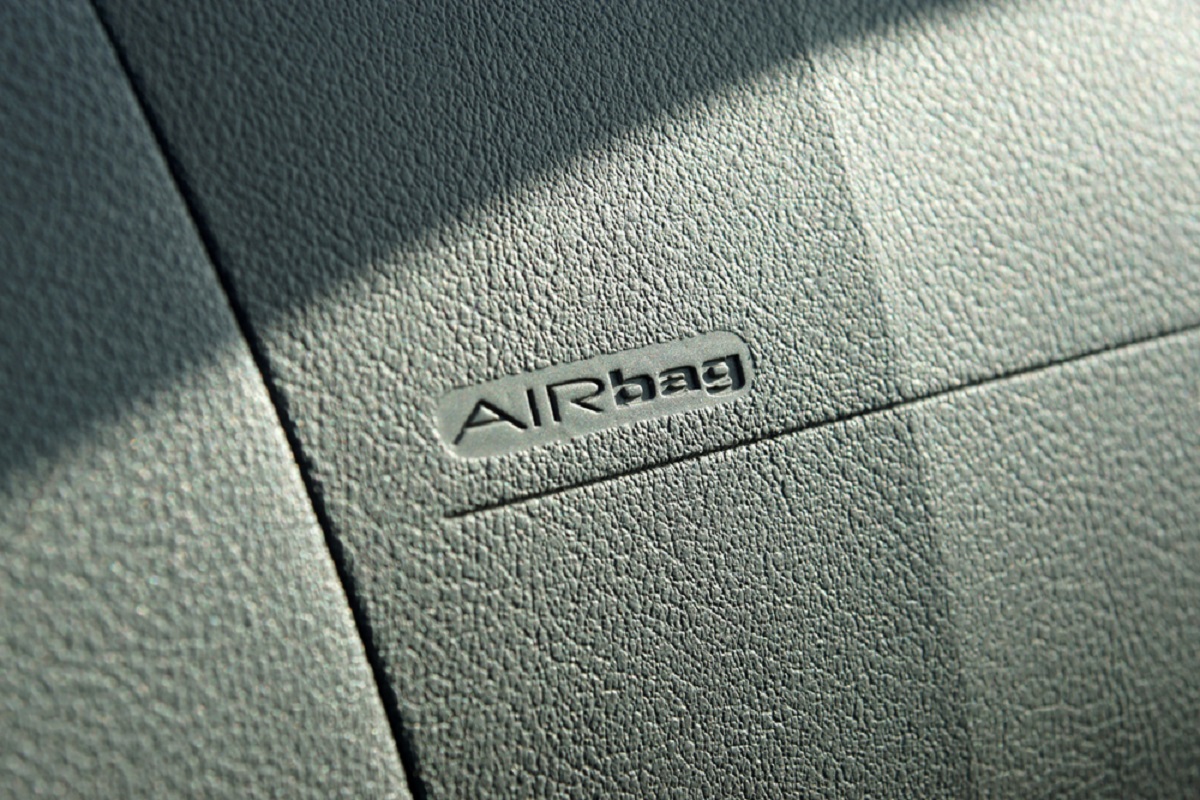
Positioned beneath the steering column and dashboard, knee airbags protect the lower limbs during frontal crashes. They help stabilize the occupant’s body position, minimizing movement that can cause injury. This added protection complements front airbags to reduce damage to the legs and hips.
Rear-Seat Airbags
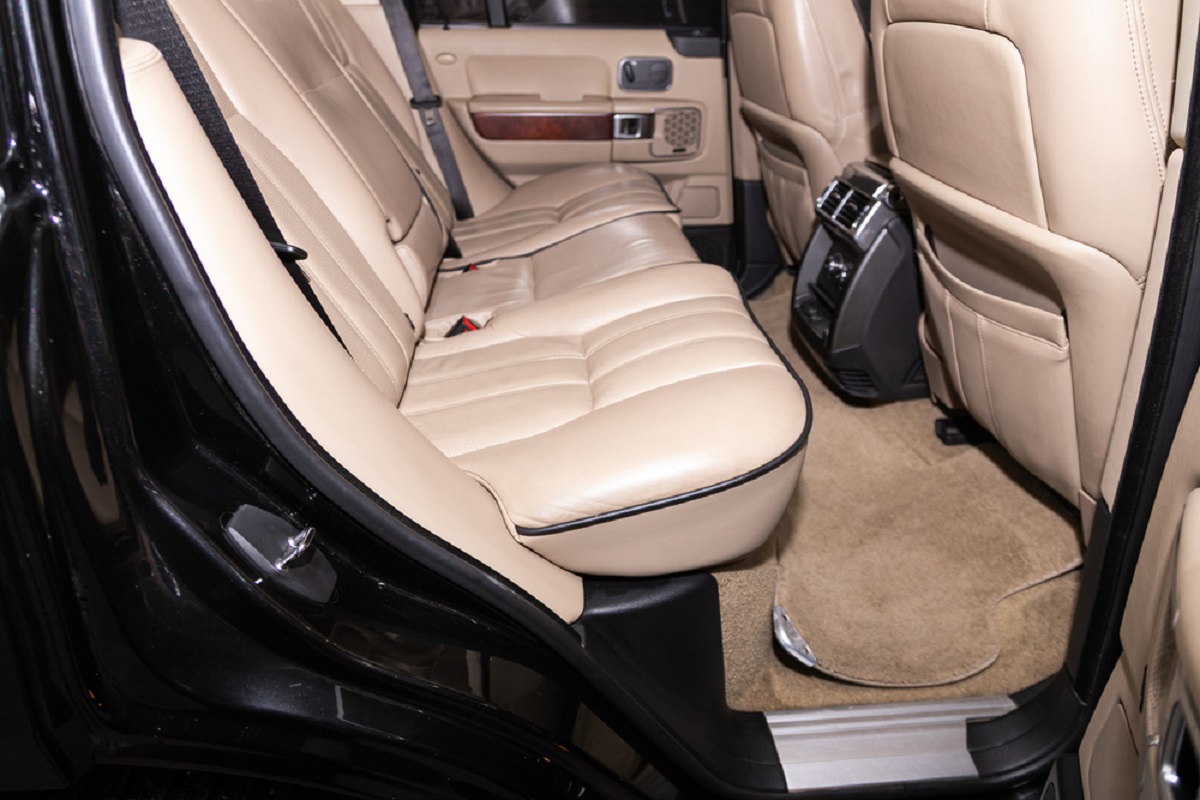
Previously rare, rear-seat airbags are becoming more common in high-end and family-focused vehicles. These airbags provide essential head and chest protection for rear passengers during frontal collisions. As rear-seat safety gains attention, these systems are closing the protection gap for all occupants.
Related: 13 Shocking Reasons Hydrogen Cars Could Crush EVs Sooner Than You Think
Center Airbags
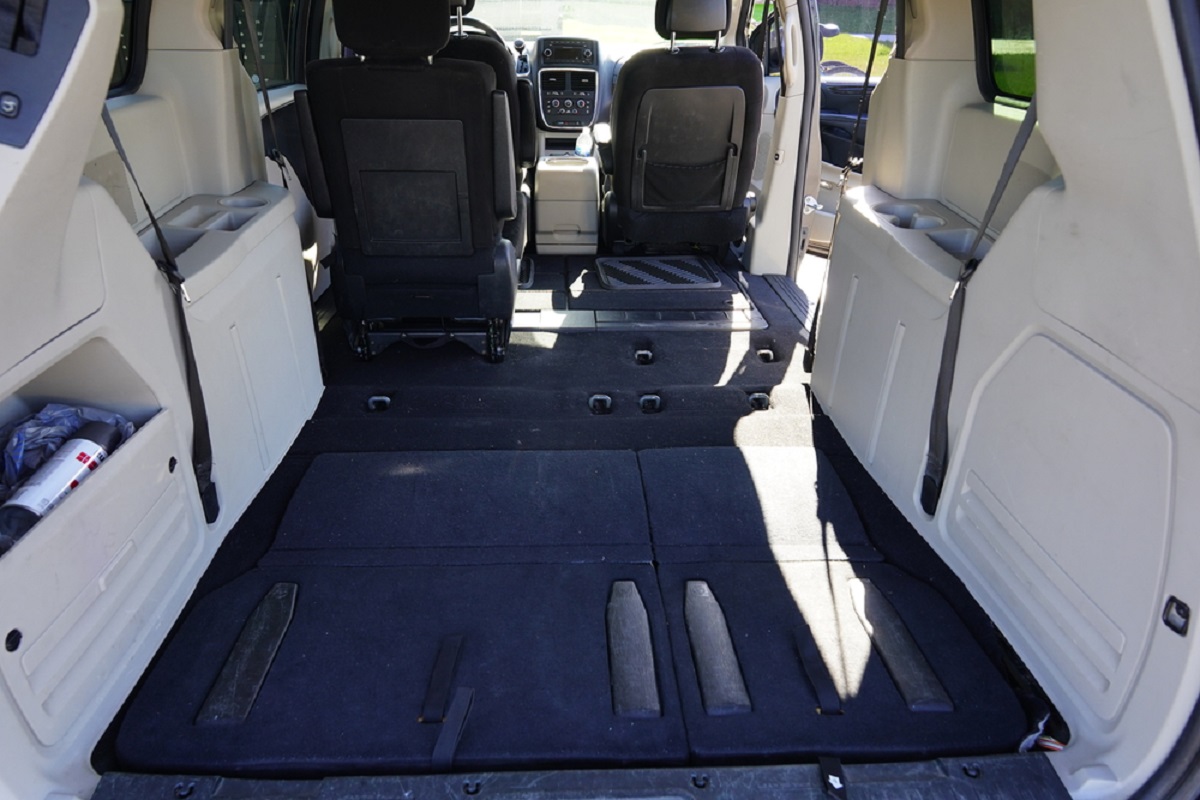
Mounted between the driver and front passenger, center airbags deploy to prevent occupants from colliding with each other in side impacts. This is particularly helpful in two-person front-row seating configurations. It adds an extra layer of protection that is critical in narrow-angle or side crashes.
Related: 13 Shocking Reasons Your Car’s Software Will Matter More Than Its Engine By 2030
Seatbelt-Integrated Airbags
These airbags are built directly into the seatbelt and inflate over the occupant’s chest in a crash. They distribute crash forces more evenly and reduce injury to the ribcage and internal organs. Designed especially for rear-seat passengers, they enhance comfort and safety simultaneously.
Related: 15 Ways Car Subscriptions Are Disrupting the Auto Industry Just Like Netflix Did
External Airbags

External airbags deploy on the outside of the vehicle just before an impact is detected, such as during pedestrian collisions. They act as cushions to reduce the severity of injuries to pedestrians or cyclists. Still in development phases, this tech signals the next step in comprehensive crash mitigation.
Related: Drivers Regret These Car Trends But It Is Too Late To Stop It
Adaptive Airbag Systems

These intelligent systems use sensors to assess occupant size, position, seatbelt usage, and crash severity. The airbags then adjust deployment force and timing accordingly to optimize safety. This level of adaptability ensures maximum protection with minimal risk of injury from the airbag itself.
Related: You Are Paying For These 10 Features You Already Own And Car Companies Love It
Pedestrian Airbags
Designed to deploy from the hood of the car during a collision with a pedestrian, these airbags cover the windshield and pillars. They significantly reduce head trauma by cushioning the impact zone. This innovation highlights how vehicle safety is expanding to protect those outside the car as well.
Related: Car Thefts Are Exploding Across The US, Here Is How to Stop Thieves in Their Tracks
Rear-Window Airbags
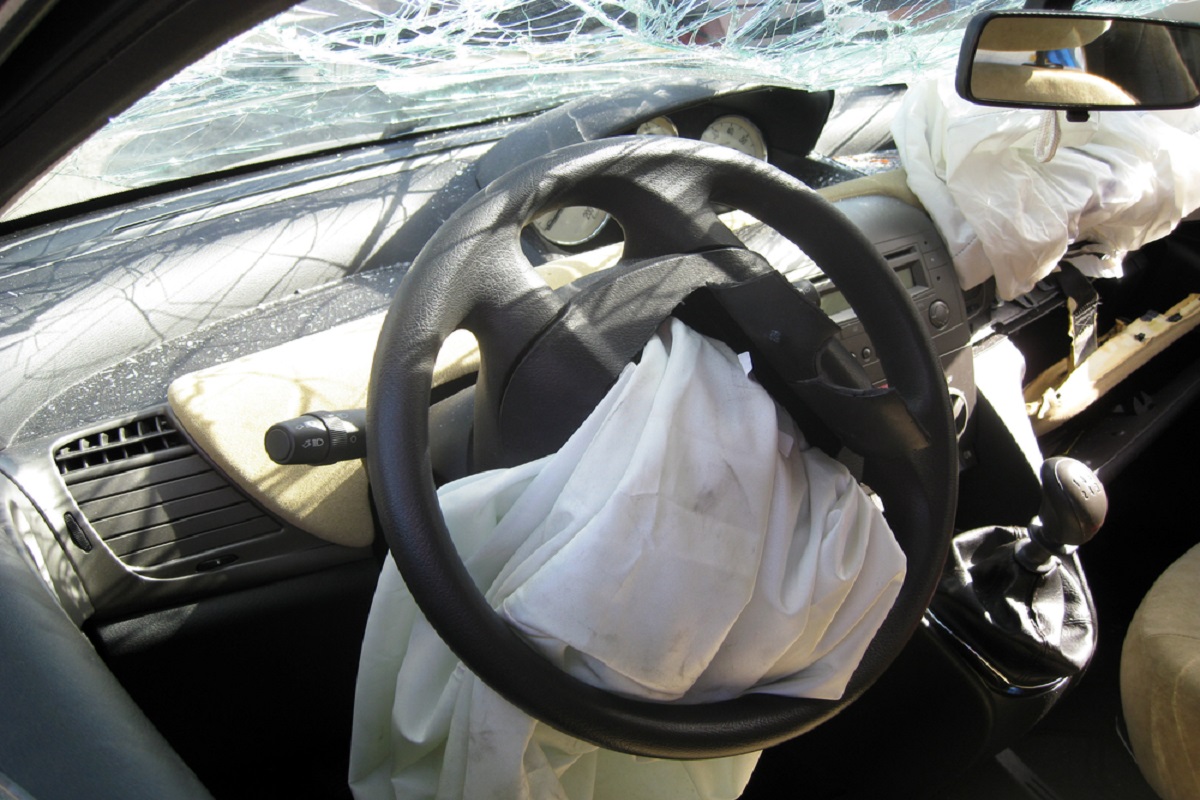
Aimed at preventing whiplash and other head injuries during rear-end collisions, these airbags deploy from behind the rear seats. They cushion rear passengers from hitting the window or being thrown forward. This is particularly valuable in vehicles where rear passengers are seated close to the back.
Related: 12 Reasons Classic Cars Might Be Banned Sooner Than You Think and What This Means for Collectors
Smart Fabric Airbags
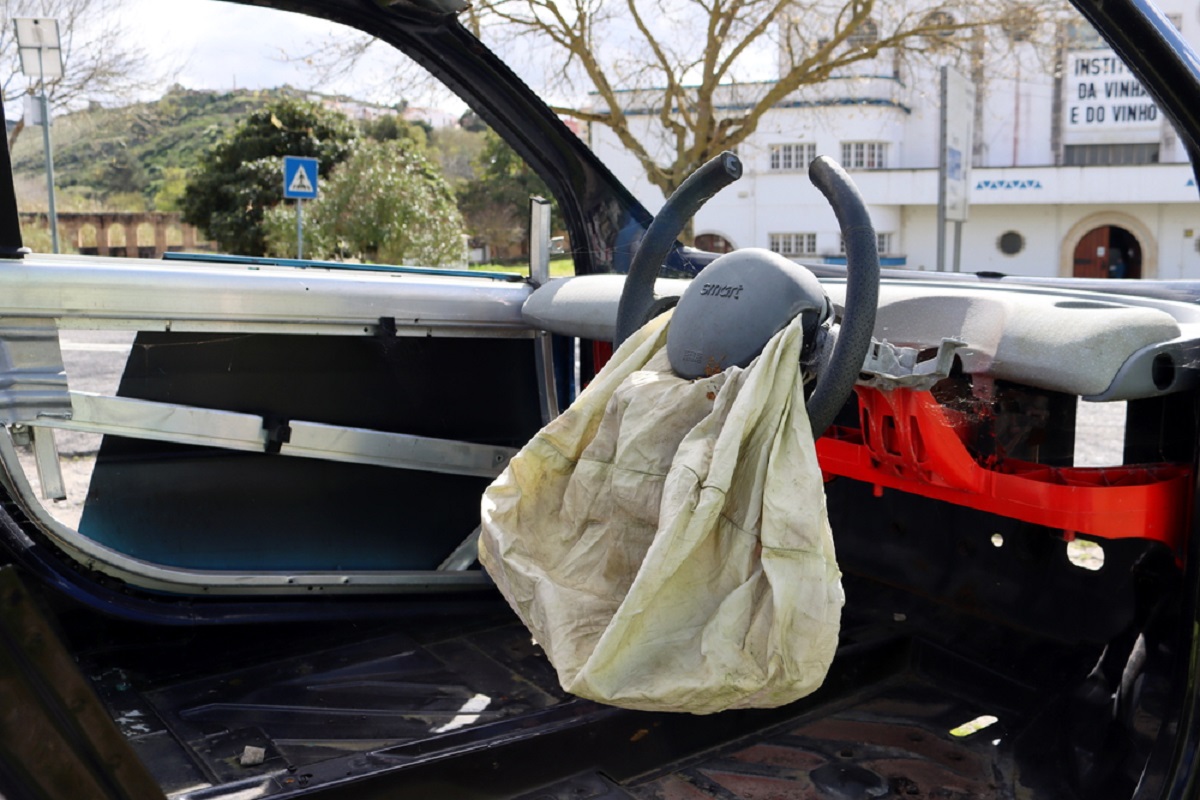
Using fabric embedded with sensors and memory materials, these airbags can change their behavior mid-deployment. They offer the potential to stiffen or expand differently depending on who’s in the car and how they’re sitting. This evolving tech could lead to the most personalized safety features ever designed.
Related: Here’s Why 90s Cars Are The New Gold Mine And Prices Are Exploding Overnight
The evolution of airbag technology showcases the automotive industry’s dedication to safety, innovation, and occupant protection. From frontal to external applications, each new design targets specific risks and enhances overall crash survivability. These cutting-edge systems are not just about compliance, they represent a proactive approach to saving lives and minimizing injury. As vehicles continue to get smarter, the role of airbags will only grow more dynamic, sophisticated, and essential to everyday road safety.
Disclaimer: This list is solely the author’s opinion based on research and publicly available information.
13 SUVs That Passed Crash Tests With Flying Colors

Safety is a top priority for SUV buyers, and some models have proven their worth by excelling in crash tests. These SUVs combine advanced safety features, strong structural integrity, and excellent crash-test ratings to ensure maximum protection for passengers. Organizations like the IIHS and NHTSA conduct rigorous testing to evaluate vehicle safety, and the SUVs on this list have passed with top marks. Here are 13 SUVs that offer exceptional safety and peace of mind.
Read it here: 13 SUVs That Passed Crash Tests With Flying Colors
12 Scary Car Warning Lights and Sounds You Should Never Ignore

Modern cars are designed to alert drivers to potential problems before they become major disasters. However, many people ignore warning lights and unusual sounds, assuming they’ll go away on their own. This mistake can lead to expensive repairs, breakdowns, or even dangerous situations. Here are 17 car warning lights and sounds you should never ignore, and what they might mean.
Read it here: 12 Scary Car Warning Lights and Sounds You Should Never Ignore
13 Secret Signs A Car Has Been In Accident

Buying a used car can be tricky, especially if the seller isn’t completely honest about its history. While some accidents are reported through services like Carfax, many go unrecorded, leaving buyers unaware of potential hidden damage. However, if you know what to look for, you can spot the subtle clues that a car has been in a crash. From misaligned panels to uneven tire wear, these 13 secret signs can help you avoid a costly mistake and ensure you’re getting a safe, reliable vehicle.
Read it here: 13 Secret Signs A Car Has Been In Accident
You’ll love these related posts:
- Car Repair Costs Are Out of Control Here Are the Shocking Reasons Why
- The Next Oil Crisis Is Coming, Here’s What It Means for Your Wallet
- China’s Silent Takeover How Their Cars Are Conquering The World
- This Surprising Economic Shift Could Change Car Buying Forever In 13 Ways
- Car Market Chaos In 2025 The Interest Rate Shock No One Saw Coming