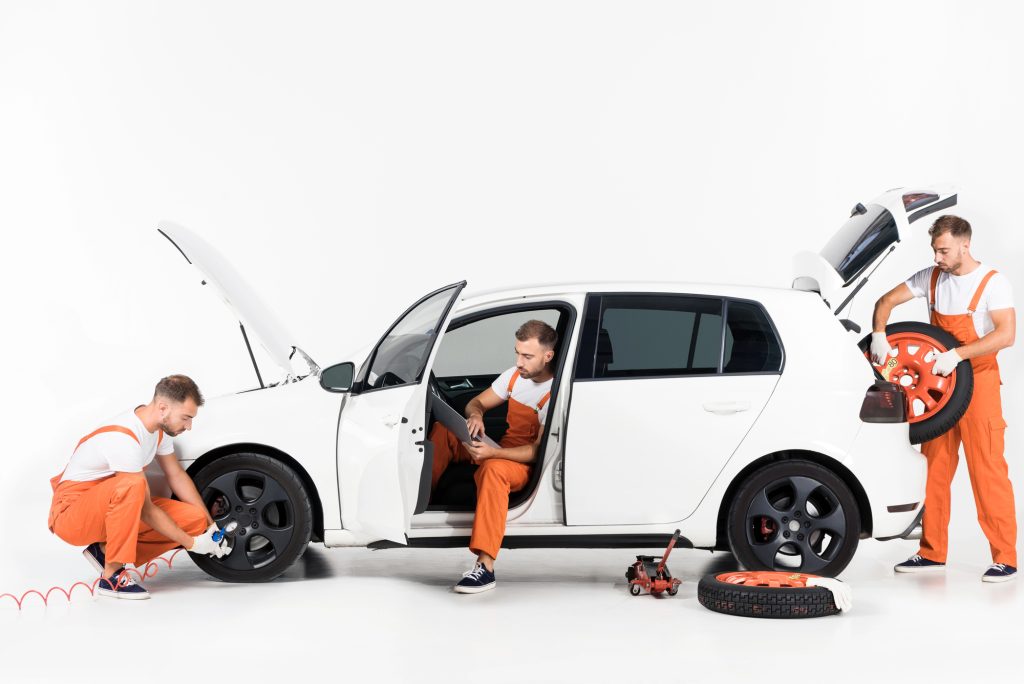
Tire pressure might seem like a small detail, but ignoring it can have serious consequences for your vehicle and your wallet. Many drivers develop bad habits when it comes to tire maintenance, often without realizing the long-term damage they cause. From premature tire wear to decreased fuel efficiency, poor pressure habits silently undermine your car’s performance. Learning the most common mistakes and how to fix them is key to staying safe and saving money on the road.
Relying Solely on the TPMS Light

Many drivers trust their TPMS light as the only cue to check tire pressure, thinking it’s a foolproof alert system. But this warning often doesn’t activate until pressure has dropped to dangerously low levels, potentially putting you and others at risk. Relying solely on TPMS leads to delayed maintenance; supplementing it with regular manual pressure checks provides better protection.
Not Checking the Spare Tire

The spare tire is often forgotten during routine maintenance checks, which can be a critical oversight in an emergency. Just like your main tires, spares can lose air over time, especially if they’re stored for long periods. Checking and inflating your spare at least once a month ensures it’s functional when you need it most, avoiding frustration during a breakdown.
Using the Maximum PSI on the Sidewall

Some people inflate their tires to the number printed on the tire’s sidewall, mistakenly thinking that’s the ideal pressure. That number, however, represents the maximum pressure the tire can withstand, not the recommended level for optimal performance. Following the car manufacturer’s guidelines, locating inside your driver’s door frame ensures a smoother, safer ride and better tire longevity.
Neglecting Regular Pressure Checks

It’s easy to overlook tire pressure, especially if your vehicle seems to be running fine and the ride feels smooth. However, neglecting to check your tire pressure at least once a week can result in decreased traction, reduced tire lifespan, and greater risk during sudden stops. Making pressure checks part of your regular car care routine ensures that your tires perform at their best and offer maximum safety.
Related: 12 Outrageous Car Features That Turned Old Cars Into Death Traps
Using Inaccurate or Worn-Out Gauges

Old or cheaply made pressure gauges can provide incorrect readings, leading you to misjudge tire pressure. Inaccurate tools may result in chronic over- or underinflation, both of which wear out your tires prematurely and reduce safety. Investing in a high-quality, properly calibrated gauge ensures you always have reliable information about your tire status.
Related: 13 Costly Rust Mistakes That Could Destroy Your Car’s Value
Forgetting to Check When Tires Are Cold

Checking your tire pressure after driving for a while leads to artificially high readings due to heat expansion. For the most accurate measurement, you should always test tire pressure when the tires are cold, either in the morning or after the car has been parked for several hours. This method aligns with manufacturer recommendations and ensures you’re inflating to the correct PSI.
Related: 13 Hidden Details Inside The Most Secure Cars In The World
Overinflating for Better Fuel Economy

While a slightly higher tire pressure can reduce rolling resistance and improve mileage, pushing it too far can be dangerous. Overinflated tires have a smaller contact patch with the road, which reduces grip and leads to a harsher ride, uneven tread wear, and increased blowout risk. Fuel savings achieved this way are often negligible and don’t outweigh the downsides.
Related: 12 Scary Warning Signs Your Shocks And Struts Are About To Fail
Failing to Inspect for Slow Leaks

Tiny punctures, cracked valve stems, or improperly sealed beads can cause slow leaks that quietly drain air over time. Left unnoticed, these leaks can cause one tire to wear unevenly, potentially leading to alignment issues or dangerous blowouts. Inspecting your tires regularly for signs of damage or pressure loss can save you from costly repairs down the line.
Related: 13 Secret Signs A Car Has Been In Accident
Ignoring Tire Rotation Intervals

Uneven wear caused by skipped tire rotations affects more than just tread life; it also impacts how evenly pressure is distributed across the tires. A poorly worn tire may not hold pressure as well as a properly rotated one, causing imbalance and performance issues. Following your vehicle’s recommended rotation schedule supports even wear and consistent inflation needs.
Related: 11 Costly Mistakes That Are Wearing Out Your Tires Too Fast
Believing All Four Tires Wear Evenly

Assuming that all tires wear at the same rate is a common but costly misconception, especially with varying loads and drive systems like front- or all-wheel drive. Front tires, in particular, often wear faster and have different pressure needs than rear tires. Checking and adjusting the pressure for each tire individually ensures your car handles properly and safely.
Related: 13 Most Recalled Cars Of The Last Decade
Driving Long Distances Without a Pressure Check

Long highway drives, heavy loads, and fluctuating temperatures can all subtly change your tire pressure. Failing to recheck tire inflation after such journeys might leave you unprepared for your next drive, increasing the risk of premature wear or poor handling. A quick post-trip inspection helps maintain tire health and driving comfort.
Related: 11 Cars With The Shortest Wheelbases For Their Size
Failing to Adjust for Added Weight

Heavy loads like moving furniture or carrying extra passengers change the pressure demands on your tires, especially the rear ones. Not increasing pressure accordingly can lead to tire bulging, overheating, and even blowouts under strain. Always consult your car’s manual for the correct PSI when your vehicle is fully loaded to maintain performance and safety.
Related: The Engineering Marvels That Took Cars To A Million Miles
Overlooking Valve Stem Conditions

Valve stems are small but essential components that can age, dry out, and crack over time, especially in extreme climates. These tiny defects can cause gradual air loss that undermines tire performance and economy. Replacing damaged valve stems during tire changes or as a precaution adds an extra layer of security against pressure loss.
Related: 12 Tesla Red Flags That Are Making Buyers Jump Ship
Maintaining correct tire pressure is more than just a box to check, it’s a fundamental part of vehicle safety, efficiency, and longevity. Small lapses in pressure habits can lead to dangerous blowouts, poor traction, and wasted fuel, all of which are preventable with routine attention. From using quality gauges to understanding seasonal shifts, each habit corrected brings long-term rewards in performance and cost savings.
Disclaimer: This list is solely the author’s opinion based on research and publicly available information.
14 Surprising Reasons Your Next Set Of Tires Might Be 100% Vegan
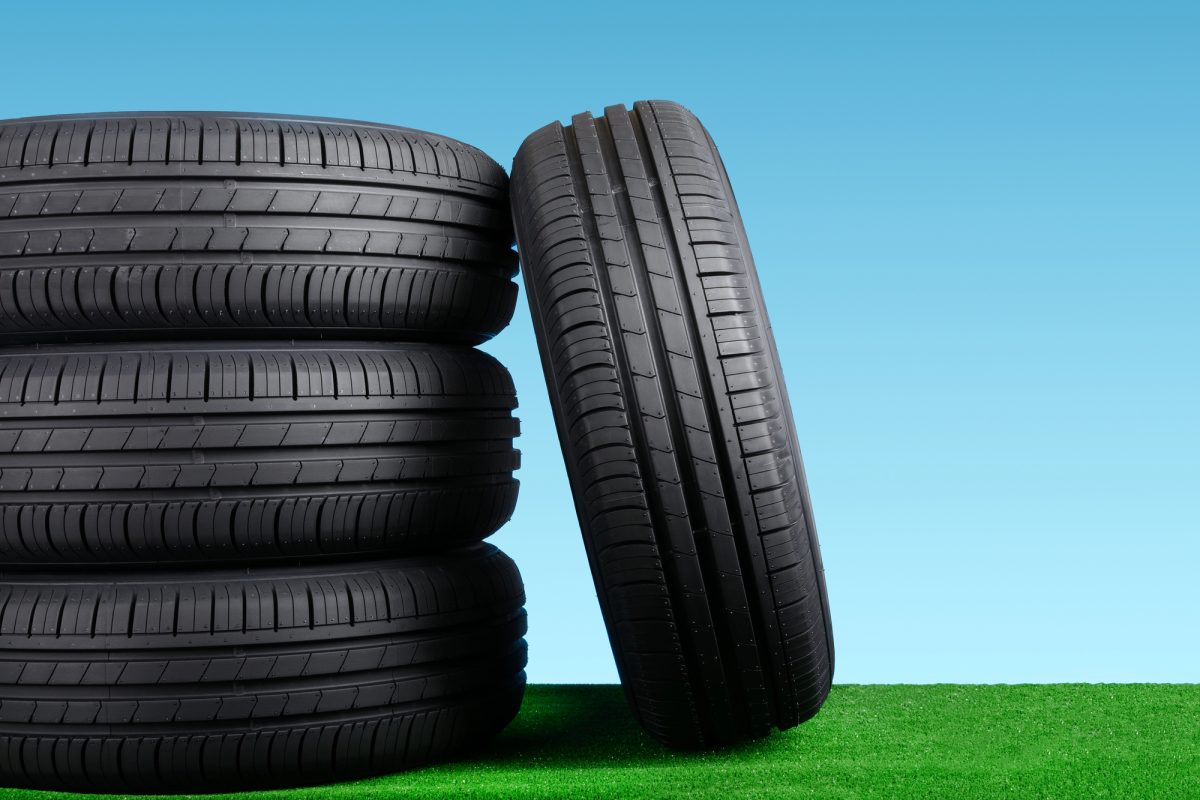
The tire industry is undergoing a major transformation, with manufacturers exploring sustainable, plant-based materials to replace traditional petroleum and animal-derived components. Vegan tires are emerging as an innovative solution to environmental concerns, offering durability, performance, and ethical production. As consumer demand for cruelty-free and eco-friendly products rises, leading tire companies are investing in research and development to make fully vegan tires a reality.
Read it here: 14 Surprising Reasons Your Next Set Of Tires Might Be 100% Vegan
11 Crazy Things Smart Tires Can Do
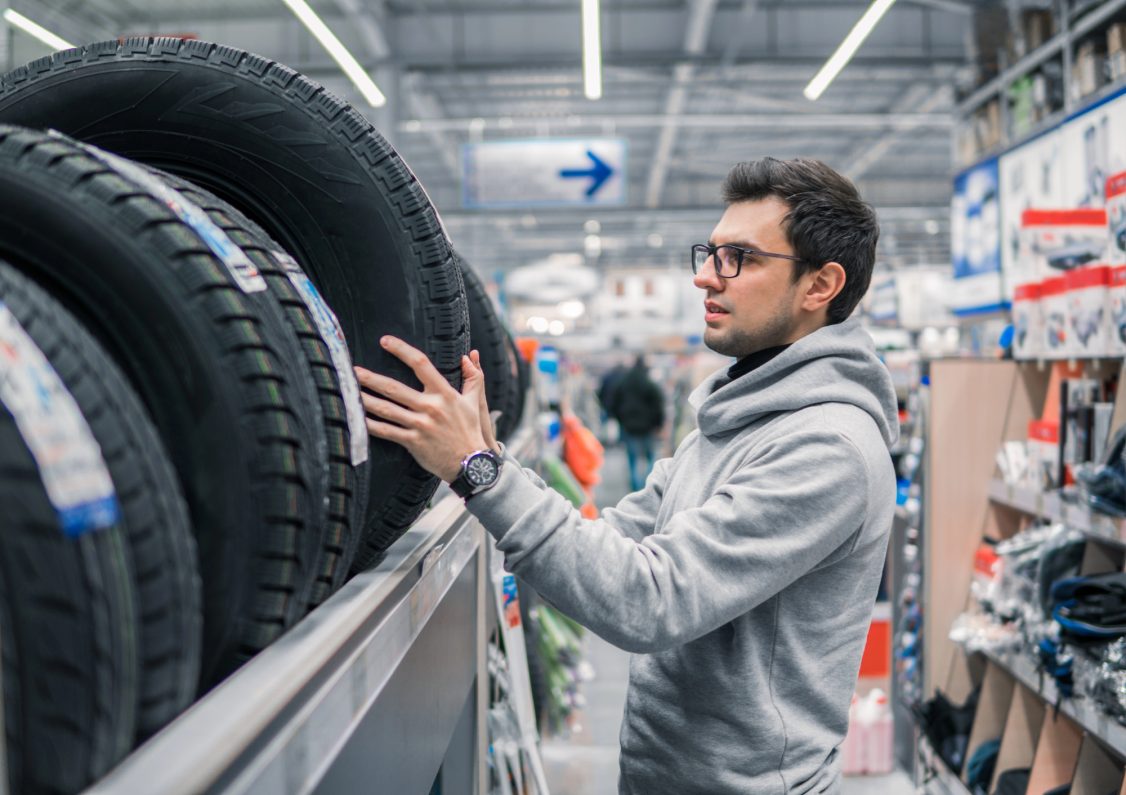
Smart tire technology is revolutionizing the way vehicles interact with the road, enhancing safety, efficiency, and performance like never before. Unlike traditional tires, smart tires are embedded with sensors, AI-driven analytics, and real-time monitoring systems that adapt to different driving conditions. These innovations help improve fuel efficiency, alert drivers to potential issues, and even adjust tire pressure automatically.
Read it here: 11 Crazy Things Smart Tires Can Do
13 Car Horns So Loud, They’ll Wake the Entire Neighborhood!

Car horns are essential for alerting other drivers, but some take it to the next level with ear-splitting volume. Whether designed for emergency vehicles, big rigs, or those who just love making a statement, these horns are loud enough to wake an entire neighborhood. From deep air horns to high-pitched blasts, they ensure you’ll never go unnoticed on the road. Here are 13 of the loudest car horns that demand attention.
Read it here: 13 Car Horns So Loud, They’ll Wake the Entire Neighborhood!
You’ll love these related posts:
- Here’s Why 90s Cars Are The New Gold Mine And Prices Are Exploding Overnight
- Mechanic-Approved! 12 Expert Answers to Your Car Problems
- 13 Reasons Why Compact SUVs Still a Good Choice for City Living
- 15 Cruise Control Mistakes That Put You at Risk on the Highway
- 12 Secret Tricks That Make Teaching Your Teen To Drive Way Less Stressful