
The tire industry is undergoing a major transformation, with manufacturers exploring sustainable, plant-based materials to replace traditional petroleum and animal derived components. Vegan tires are emerging as an innovative solution to environmental concerns, offering durability, performance, and ethical production. As consumer demand for cruelty-free and eco-friendly products rises, leading tire companies are investing in research and development to make fully vegan tires a reality.
Eliminating Animal-Derived Ingredients

Many conventional tires contain stearic acid, a compound often derived from animal fat. Vegan tires replace this with plant-based alternatives like palm oil derivatives and other bio-based materials. This shift ensures a completely animal-free product while maintaining tire strength and performance.
Reducing Dependence on Petroleum-Based Materials

Petroleum-based materials like synthetic rubber and processing oils contribute to carbon emissions and pollution. Manufacturers are turning to bio-oils from soybeans, orange peels, and other renewable sources to create eco-friendly tires. These alternatives reduce reliance on fossil fuels and decrease the overall carbon footprint of tire production.
Enhanced Durability with Plant-Based Fillers

Traditional carbon black, a key ingredient in tires, is produced from petroleum combustion. Some tire companies are experimenting with plant-based fillers like rice husk ash and silica derived from sand. These materials provide improved wear resistance and longevity while reducing environmental impact.
Lower Environmental Impact During Production

The tire manufacturing process generates significant emissions and waste. By adopting plant-based materials and more energy-efficient production methods, companies can cut pollution and greenhouse gas emissions. Vegan tire production aligns with sustainability goals and corporate responsibility initiatives.
Related: 11 Porsche Features That Will Make You Want One
Biodegradability and Recycling Benefits

Conventional tires take hundreds of years to decompose, creating landfill waste and microplastic pollution. Vegan tires made with bio-based materials can be more biodegradable or easier to recycle into new products. This innovation helps reduce the global waste crisis and promotes a circular economy.
Related: 12 Chrysler Powerhouses That Redefined Muscle And Performance
Improved Performance on Wet Roads

Some plant-based compounds, like soybean oil, enhance tire flexibility and grip in cold and wet conditions. These materials keep rubber pliable, ensuring better traction and safety. As a result, vegan tires can perform just as well, if not better than conventional tires.
Related: 12 Gigantic Supercars That Are As Heavy As They Are Powerful
Growing Consumer Demand for Ethical Products

Modern consumers are increasingly concerned with ethical sourcing and sustainability. As awareness of animal-derived ingredients in everyday products grows, demand for vegan alternatives continues to rise. This shift in consumer preferences is pushing major tire brands to innovate and adopt plant-based technologies.
Related: 11 Japanese Car Brands That Influenced The Auto Industry
Support from Major Tire Manufacturers

Leading tire companies like Michelin, Goodyear, and Bridgestone are investing in research to develop more sustainable, vegan-friendly options. These industry giants recognize the growing need for eco-conscious products. Their commitment to sustainability is driving rapid advancements in vegan tire technology.
Related: 13 Game-Changing Cars in 2025 That Look Straight Out Of The Future
Compliance with Stricter Environmental Regulations

Governments worldwide are enforcing stricter environmental laws to reduce industrial carbon emissions. Vegan tire production helps manufacturers comply with these regulations while promoting a cleaner automotive industry. By reducing reliance on fossil fuels, companies can meet sustainability targets and avoid fines.
Related: 12 Legendary Movie Cars You Can Actually Buy Right Now
Decreased Water Usage in Production

The production of conventional rubber and synthetic materials requires large amounts of water. Vegan tire materials, such as dandelion-derived rubber, require less water-intensive farming and processing methods. This conservation of resources makes plant-based tires more environmentally friendly.
Related: 11 Lexus Models So Reliable You Might Never Need Another Car
Supporting Sustainable Farming Practices

The rise of plant-based rubber alternatives supports sustainable agricultural initiatives. Crops like guayule and dandelions grow in arid regions with minimal water, reducing the strain on fertile land. These crops provide an additional income source for farmers while promoting eco-friendly practices.
Related: 12 Tesla Red Flags That Are Making Buyers Jump Ship
Reduction in Airborne Pollutants from Tire Wear

Traditional tires release microplastics and toxic compounds as they wear down. Vegan alternatives utilize cleaner, biodegradable materials that reduce harmful emissions. This innovation contributes to improved air quality and a healthier environment.
Related: 12 Sedans That Are Surprisingly Sporty And Still Practical For Families
Increased Investment in Green Technology

Automakers and tire manufacturers are dedicating more resources to sustainable innovations. The push for vegan-friendly tires is accelerating research in plant-based materials and bioengineering. These investments are shaping the future of the automotive industry with greener solutions.
Related: 11 Costly Mistakes People Make When Buying A Used Truck
Aligning with the Vegan Lifestyle Movement

The rise of veganism extends beyond food and fashion into transportation and automotive products. Vegan drivers are seeking alternatives that align with their ethical beliefs. Vegan tires cater to this growing demographic, offering cruelty-free and environmentally friendly options.
Related: 11 Things No One Tells You Before Buying A Diesel Vehicle
Vegan tires are emerging as a groundbreaking alternative to traditional rubber, offering sustainable, cruelty-free, and high-performance solutions. With major tire manufacturers investing in plant-based materials and innovative technologies, the future of eco-friendly tires looks promising. These advancements align with global sustainability goals and consumer preferences for ethical products. As the industry continues to evolve, vegan tires may soon become the standard choice for drivers worldwide.
Disclaimer: This list is solely the author’s opinion based on research and publicly available information.
11 Must-Know Tire Buying Tips That Every Driver Should Read
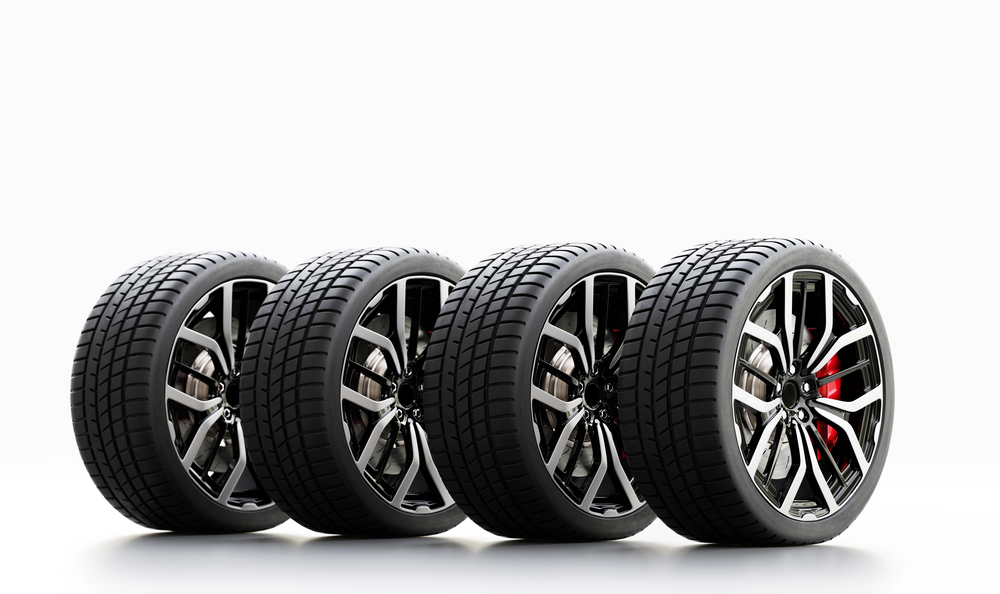
Buying the right tires for your vehicle is crucial for safety, performance, and long-term savings. With so many options available, it’s easy to make mistakes that lead to poor handling, reduced fuel efficiency, and even premature tire wear. Understanding key factors such as tire type, size, tread pattern, and maintenance can make all the difference. Here are 11 essential tire buying tips that every driver should know before making a purchase.
Read it here: 11 Must-Know Tire Buying Tips That Every Driver Should Read
12 Underrated Japanese Cars That Just Won’t Die

Japanese automakers are known for their engineering excellence, and some of their cars have gained legendary reputations for reliability and longevity. While certain models like the Toyota Corolla and Honda Civic receive endless praise, others quietly keep going for hundreds of thousands of miles without much fanfare. These underrated Japanese cars may not always be in the spotlight, but they have proven their durability time and time again. Here are 12 reliable Japanese cars that refuse to die.
Read it here: 12 Underrated Japanese Cars That Just Won’t Die
11 Awesome Reasons Why Automakers Are Turning Car Interiors Into High Tech Lounges

The automotive industry is undergoing an unprecedented transformation, with car interiors evolving from simple cabins into sophisticated high-tech environments. Automakers are embracing cutting-edge technology to create a seamless blend of luxury, convenience, and advanced connectivity. These innovations go far beyond traditional comfort, integrating artificial intelligence, entertainment systems, and smart materials to redefine the driving experience.
Read it here: 11 Awesome Reasons Why Automakers Are Turning Car Interiors Into High Tech Lounges