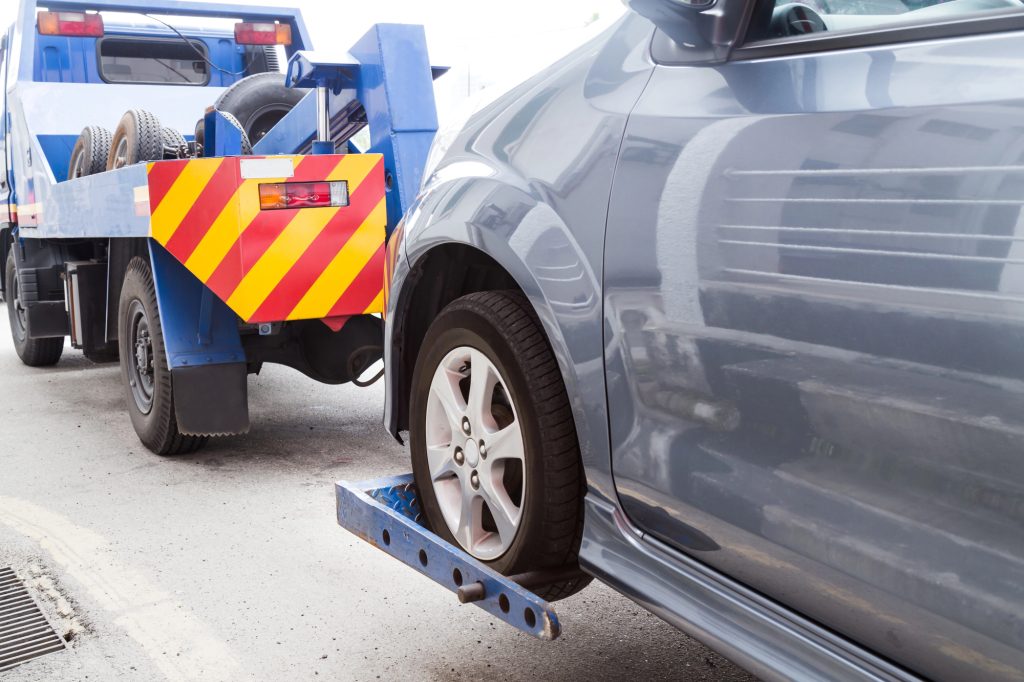
Towing an all-wheel-drive (AWD) vehicle might seem straightforward, but there are hidden dangers that could cost you thousands in repairs if not done correctly. Many car owners assume placing their vehicle in neutral is a safe solution, but with AWD systems, this can lead to catastrophic damage. Understanding the specific risks and how to avoid them is essential to protecting your investment and ensuring safe towing practices.
Differential Damage from Drivetrain Rotation

When an AWD vehicle is towed in neutral, the internal drivetrain components continue spinning without the lubrication provided by an active engine. This rotation without proper lubrication creates intense heat and friction, rapidly accelerating wear on sensitive parts. Eventually, this leads to degraded performance, metal shavings in the fluid, and costly replacements or a complete rebuild of the differential.
Transfer Case Overheating

The transfer case is critical to routing power in an AWD system, and it requires lubrication that’s only circulated when the engine is running. Towing with the engine off leads to dry metal-on-metal contact, which can warp gears or destroy seals within minutes. Continued towing under these conditions can result in total failure and require extensive mechanical intervention.
Torque Mismatch Issues

AWD systems rely on balanced torque delivery to all four wheels, and towing with only two wheels in contact with the ground disrupts this balance. This imbalance can cause internal stress fractures in gears and casings that are difficult to diagnose until major symptoms appear. Long-term exposure to this stress can destabilize the entire drivetrain and affect overall vehicle integrity.
Voiding the Warranty

Vehicle manufacturers include detailed instructions for towing to avoid damage, and failure to follow these guidelines often results in voided warranties. If an AWD vehicle is towed improperly, even in neutral, and a component fails, the manufacturer is likely to reject coverage for repair costs. This turns what could be a free fix under warranty into a massive out-of-pocket expense.
Related: 12 Massive Challenges Car Companies Face Under New Emission Rules
Inadequate Flat Towing Equipment
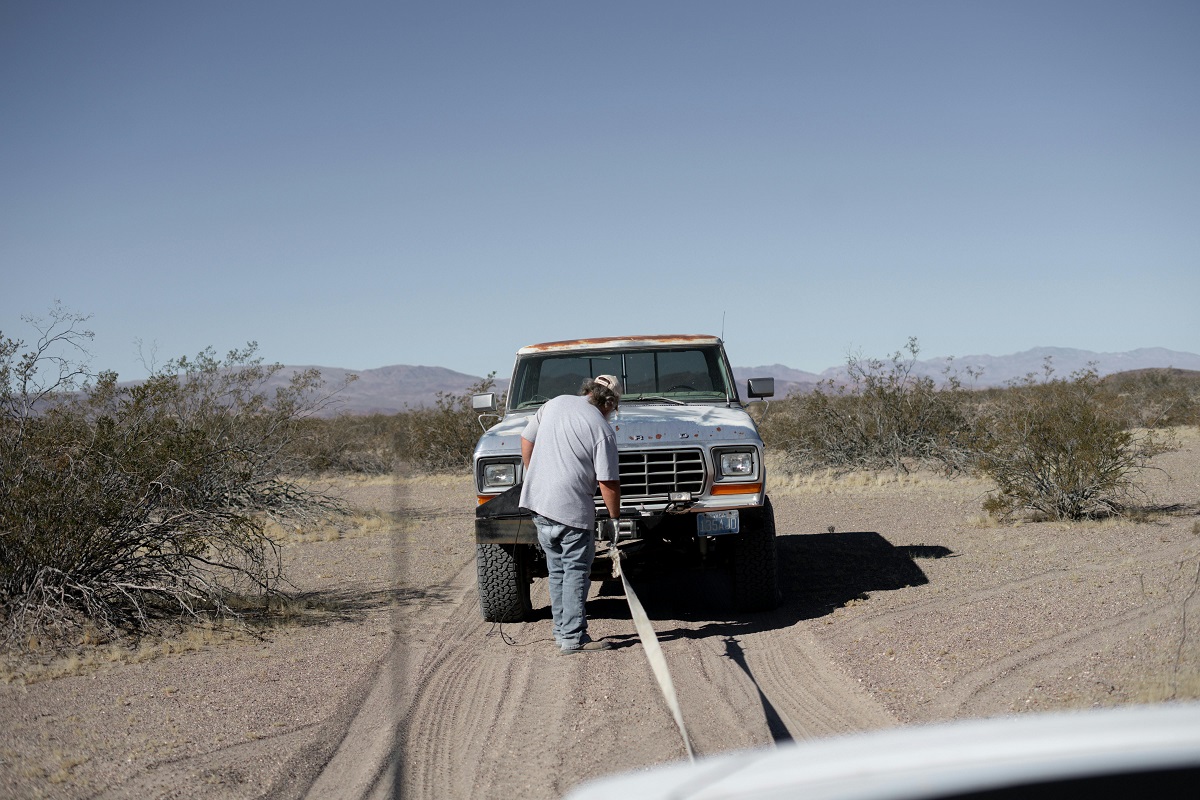
Flat-towing an AWD car without specialized devices like driveshaft disconnects or transport dollies puts its components under unnatural strain. The drivetrain isn’t engineered for prolonged movement without engine power, and friction accumulates rapidly. This shortcut can result in unintended mechanical degradation and the need for premature system replacements.
Related: Dodging Tickets or Just Lucky? Twelve Traffic Laws You Have Definitely Broken
Transmission Wear and Tear

Even though the transmission may be disengaged, internal components like the input shaft and planetary gears can still rotate during a tow. Without oil circulating as it normally would during operation, these components suffer friction burns and microscopic pitting. If ignored, this leads to shifting delays, fluid contamination, and eventual transmission breakdown.
Related: A Look Inside The Incredible Car Collection Of Donald Trump
Brake System Stress

Though the drivetrain may be in neutral, brakes remain vulnerable to uneven wear during improper towing, especially if braking events occur while the vehicle is in motion. As the car’s braking system attempts to compensate for imbalance, components heat up, and pads may glaze or warp. The result is diminished stopping power and a higher risk of brake failure.
Related: 12 Smart And Costly Mistakes To Avoid When Pulled Over By The Police
Wheel Speed Sensor Damage

Towing on the ground keeps wheel speed sensors active, sending erratic data to the vehicle’s computer even though the engine isn’t running. These conflicting inputs can cause faults in traction control systems and confuse onboard diagnostics. Repairing or recalibrating these systems often involves specialized labor and costly parts.
Related: From Passengers To Powerhouses How Women Are Revolutionizing The Biker World
Driveshaft Stress

The driveshaft remains linked to all four wheels in most AWD vehicles, and towing causes it to rotate uncontrollably. Since the engine isn’t running, there’s no counterbalance or lubrication to protect the shaft from heat and stress. Over time, this can result in imbalanced spinning, rattling noises, and catastrophic driveshaft failure.
Related: Are Speed Traps About Safety Or Just A Cash Grab
Unintended ECU Interference

As the wheels spin during towing, the car’s onboard computers continue receiving input despite the engine being off. This mismatch can lead to system misfires, memory errors, or even permanent changes to operational logic. The longer this goes on, the more it risks destabilizing crucial vehicle functions such as adaptive suspension or torque vectoring.
Related: From Traffic Jams To Open Roads Why Motorcycle Commuting Is On The Rise
Parking Brake Activation Risks

Many AWD vehicles come with automatic or electronic parking brakes that can engage when the system senses motion or an incline. During a tow, these brakes might activate unexpectedly, leading to immediate drag, brake component damage, or disconnection from the towing vehicle. Proper towing prep includes fully disabling such systems to avoid serious mechanical issues.
Related: How Social Media Is Transforming Motorcycle Culture And Bringing Riders Together
ABS System Confusion

The ABS relies on a specific relationship between wheel speed and vehicle motion to operate correctly, and towing disrupts this balance. Without engine feedback, the ABS control module may enter a fault mode or become stuck in a diagnostic loop. Post-towing, this often necessitates resetting the system or replacing parts.
Related: The Influence Of Motorcycle Clubs On American Biker Culture Over The Decades
Hidden Undercarriage Damage

When towing an AWD car without raising all four wheels, low-clearance areas like the exhaust system, transmission pan, or rear differential may scrape against pavement or trailer edges. These impacts cause damage that might not be immediately visible but worsen over time. Left unchecked, this can lead to serious structural or mechanical failures.
Related: How Trade Wars And Tariffs Are Reshaping The Motorcycle Scene In The US
Risk of Unintended Rolling

Placing an AWD car in neutral doesn’t lock the wheels, and without proper securing, the vehicle can shift or roll during transport. This sudden motion not only stresses the drivetrain but can also pull dangerously on the towing vehicle. Using secure towing chains, wheel chocks, and high-friction ramps is essential to prevent dangerous movement.
Related: 12 Alarming Signs The Trucking Industry Is Headed For Disaster Sooner Than You Think
Safety of the Towing Vehicle Itself
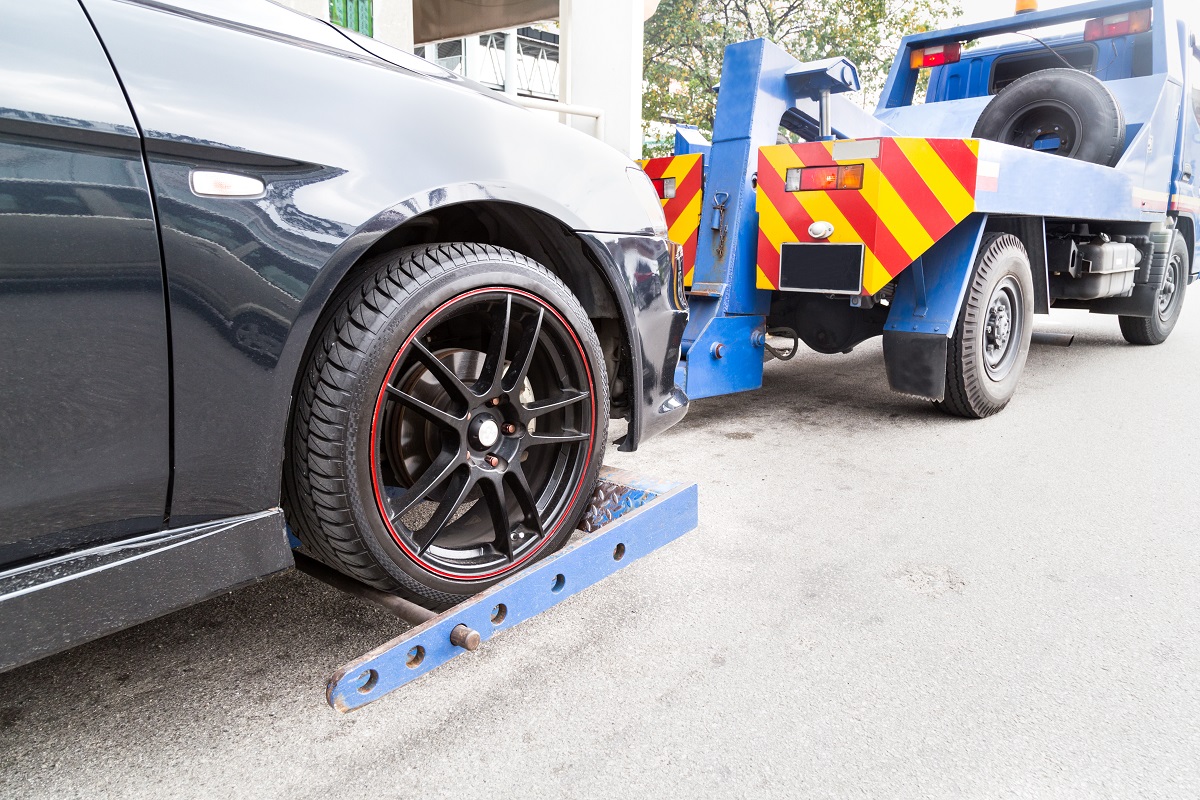
When an AWD vehicle is improperly towed, it may resist movement or shift suddenly, placing dangerous stress on the towing vehicle. This makes handling unpredictable and increases the chance of jackknifing or rear-end instability during braking. Ensuring proper towing technique protects not only your vehicle but also everyone else on the road.
Related: 14 Jaw-Dropping Ways Used EVs Are Outperforming Gas Cars In 2025
Towing an AWD vehicle in neutral might seem harmless, but the reality is filled with hidden mechanical and financial risks. From drivetrain overheating to sensor confusion, every part of your car’s system can be affected by improper towing methods. Avoiding these costly mistakes starts with understanding the complexities of AWD systems and always choosing safe towing techniques like flatbeds or manufacturer-approved tools.
Disclaimer: This list is solely the author’s opinion based on research and publicly available information.
12 Smart And Costly Mistakes To Avoid When Pulled Over By The Police

Getting pulled over by the police can be a stressful experience, and the way you handle it can greatly impact the outcome. Many drivers unknowingly make mistakes that escalate the situation, resulting in fines, tickets, or even arrests. Understanding what to do, and what not to do can help you stay calm, avoid unnecessary trouble, and ensure the interaction goes as smoothly as possible. Below are 12 crucial mistakes to avoid when you see those flashing lights in your rearview mirror.
Read it here: 12 Smart And Costly Mistakes To Avoid When Pulled Over By The Police
15 Insanely Complicated Cars That Mechanics Avoid
Some cars are known for their exceptional engineering, but that doesn’t always translate to easy maintenance. Certain models come with intricate technology, unusual designs, or parts that require specialized tools and knowledge, making mechanics think twice before working on them. These vehicles often lead to frustration, extended repair times, and sky-high service bills, making even the most experienced professionals avoid them.
Read it here: 15 Insanely Complicated Cars That Mechanics Avoid
11 Biggest Automotive Design Flaws in History

Throughout automotive history, manufacturers have made design decisions that, in hindsight, proved to be disastrous. From poor engineering choices to outright safety hazards, some vehicles left owners frustrated and automakers scrambling to fix their mistakes. Whether it was an unreliable feature, a dangerous flaw, or a poorly executed concept, these design missteps serve as cautionary tales. Here are 11 of the biggest automotive design flaws that made headlines for all the wrong reasons.
Read it here: 11 Biggest Automotive Design Flaws in History
You’ll love these related posts:
- 15 AI Secrets That Could Make EV Battery Degradation A Thing Of The Past
- 12 Sneaky Ways Car Payments Are Getting Higher And How Smart Drivers Are Fighting Back
- 14 Game Changing Reasons 3D Printing Could Take Over Auto Manufacturing
- 13 Car Batteries That Last Forever
- 14 Reasons Manual Transmissions Are Disappearing (And Why Some Drivers Are Fighting Back)