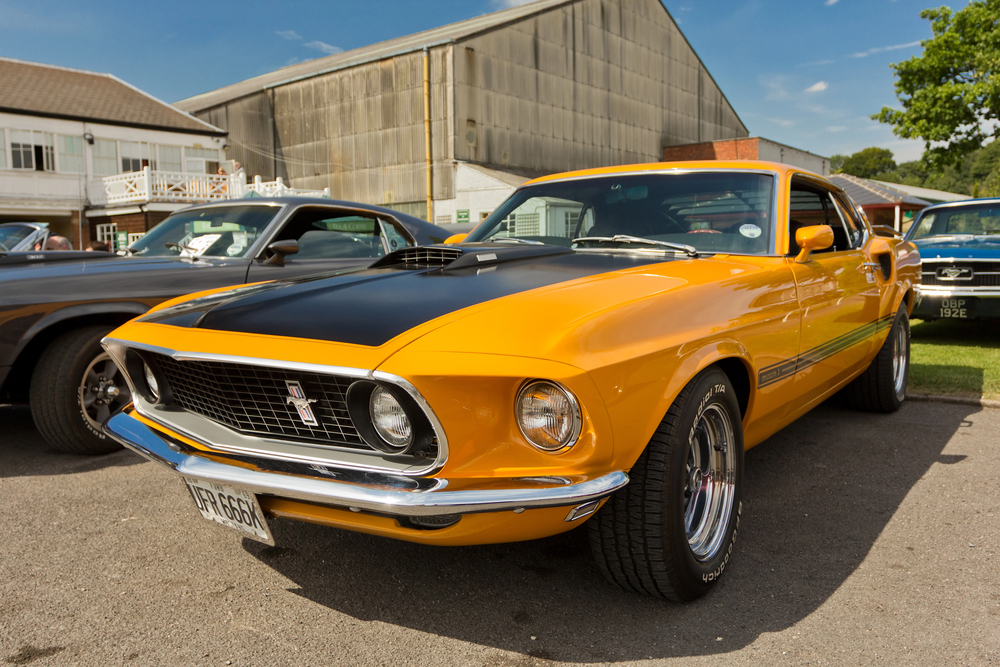
Some cars are known for their exceptional engineering, but that doesn’t always translate to easy maintenance. Certain models come with intricate technology, unusual designs, or parts that require specialized tools and knowledge, making mechanics think twice before working on them. These vehicles often lead to frustration, extended repair times, and sky-high service bills, making even the most experienced professionals avoid them.
Bugatti Veyron

The Bugatti Veyron is an engineering marvel, but its complexity makes it a nightmare to maintain. It features a quad-turbocharged 8.0 liter W16 engine, which requires special tools and expertise to service. Even simple tasks like changing the tires demand specialized equipment, and an oil change alone can cost over $20,000. With a maintenance process that involves removing significant body panels, it’s no wonder mechanics avoid it.
Ferrari F50
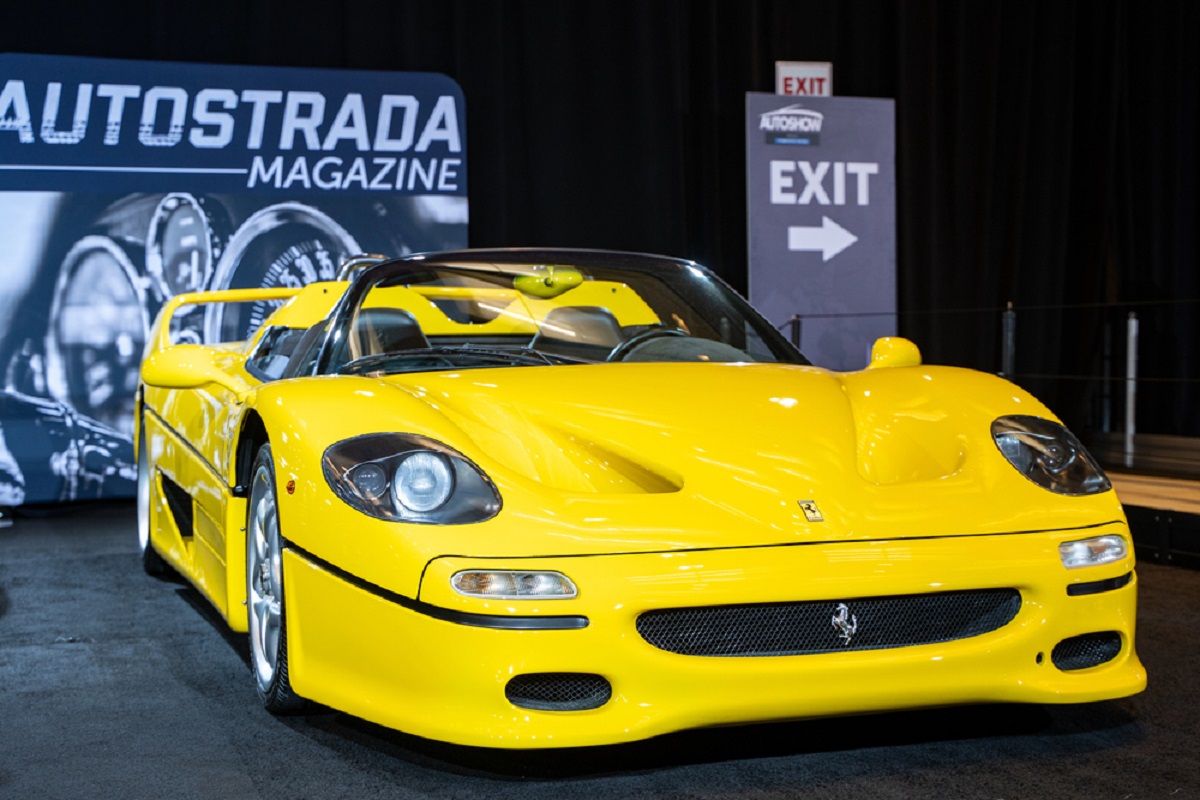
Ferrari’s F50 was built with Formula 1 technology, which makes it both spectacular and highly challenging to maintain. Its naturally aspirated 4.7 liter V12 is mounted directly to the chassis, requiring an engine-out service for most major repairs. The car’s carbon-fiber construction and unique suspension setup demand precision work, making mistakes costly. With limited availability of parts and Ferrari’s strict servicing guidelines, only highly specialized shops are willing to touch it.
Mercedes-Benz SLR McLaren
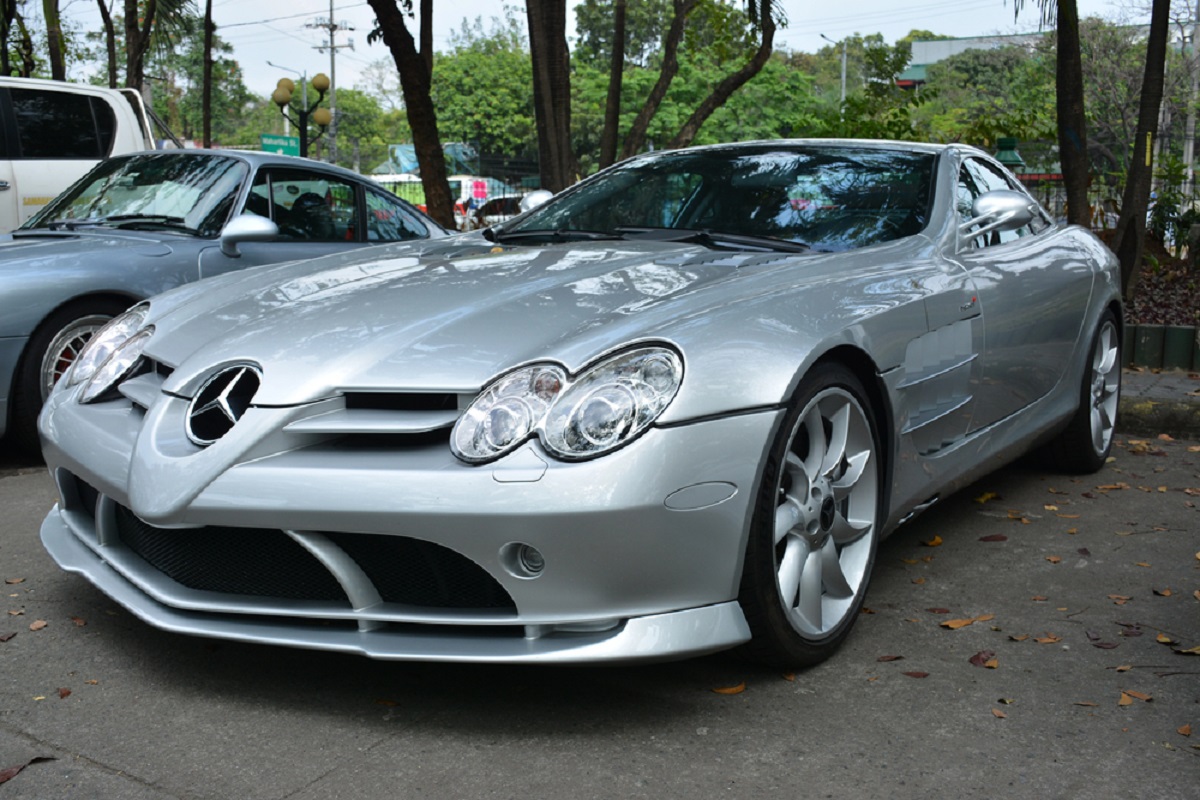
Combining Mercedes luxury with McLaren’s racing pedigree, the SLR McLaren is a masterpiece with a supercharged 5.4 liter V8. However, its complex electrical system, carbon-ceramic brakes, and extensive use of carbon fiber make it difficult and expensive to repair. The car’s butterfly doors require specialized knowledge to adjust properly, and even minor fixes can require extensive labor. Due to its rarity and highly specific parts, many mechanics refuse to work on it.
Maserati Quattroporte (DuoSelect Models)

The Maserati Quattro Porte, particularly early models with the Duo Select automated manual transmission, is notorious for its maintenance headaches. The gearbox is delicate and expensive to replace, and frequent clutch replacements are required due to its aggressive wear rate. Electrical issues are common, and diagnostics can be time consuming due to the car’s complicated onboard systems.
Related: 12 Gigantic Supercars That Are As Heavy As They Are Powerful
BMW i8

As a plug-in hybrid sports car, the BMW i8 combines a turbocharged three-cylinder engine with an electric motor, making repairs more complex than those of traditional sports cars. The high-voltage battery system demands specialized knowledge and safety precautions, limiting the number of qualified mechanics. Its lightweight carbon-fiber construction also complicates bodywork and repairs. With expensive components and a lack of aftermarket support, many mechanics prefer not to deal with the i8.
Related: 11 Japanese Car Brands That Influenced The Auto Industry
Porsche 959

The Porsche 959 was ahead of its time, featuring twin-turbocharging, an advanced all-wheel drive system, and computer controlled suspension. Unfortunately, its intricate engineering makes repairs extremely difficult, with even Porsche themselves struggling to support older models. Many components are bespoke, meaning replacements are expensive and often require sourcing from collectors. With only a handful of experts worldwide qualified to work on it, most mechanics stay far away from the 959.
Related: 12 Chrysler Powerhouses That Redefined Muscle And Performance
Lexus LFA

The Lexus LFA is a masterpiece of engineering, with a naturally aspirated V10 that revs to 9,000 RPM and an exotic carbon-fiber chassis. However, its exclusivity and high-tech construction make repairs and maintenance a challenge. The car’s electronic systems and integrated exhaust tuning require factory level expertise to handle. Even simple repairs can involve extensive labor, making it one of the most complicated Japanese cars ever built.
Related: 11 Porsche Features That Will Make You Want One
Tesla Model X (Early Models)

Tesla’s Model X is known for its futuristic technology, but early versions had serious maintenance challenges. The Falcon Wing doors, while visually impressive, were plagued with issues requiring highly specialized repairs. The car’s fully electric nature means traditional mechanics often lack the knowledge or tools to work on its battery and motor systems. Due to Tesla’s strict control over parts and software access, independent repair shops frequently turn down Model X work.
Related: 15 Classic Cars That Become Commercial Vehicles
Rolls-Royce Phantom

Rolls-Royce vehicles are the pinnacle of luxury, but their complexity makes them a nightmare for mechanics. The Phantom’s V12 engine, air suspension, and advanced electronics require factory trained specialists to service properly. Even minor issues can involve removing large sections of the car due to its intricate design. With parts that are astronomically priced and difficult to source, many shops refuse to touch these cars.
Related: 12 Amazing Cars Built By Ford That Weren’t Fords
Lamborghini Murciélago

The Lamborghini Murciélago features an aggressive V12 engine and an e-Gear automated manual transmission that requires frequent maintenance. Clutch replacements are costly and require engine removal, and the car’s scissor doors have complex hinge mechanisms that can be difficult to adjust. Electrical gremlins are common, adding to the frustration of diagnosing issues. Only Lamborghini specialists are willing to tackle the challenges of this supercar.
Related: 12 Legendary Cars That Featured 5-Cylinder Power
Audi RS6 (Early Models)

Early generations of the Audi RS6 featured a twin-turbo V8 that was packed tightly into the engine bay, making even simple repairs extremely labor-intensive. The car’s complex Quattro all-wheel drive system adds another layer of difficulty, requiring specialized knowledge to service properly. Turbo failures and transmission issues are common, making this one of the most dreaded Audis for mechanics. The cost of repairs often outweighs the value of the car itself.
Related: 11 Cars With The Shortest Wheelbases For Their Size
McLaren P1

The McLaren P1 combines a twin-turbo V8 with a hybrid-electric system, making it one of the most complicated hypercars ever built. The hybrid battery system requires specialized technicians, and the car’s active aerodynamics add another level of maintenance complexity. McLaren’s unique suspension system, which replaces traditional anti-roll bars with hydraulic dampers, is difficult to service without factory equipment. With limited parts availability and high costs, few mechanics are willing to take on a P1.
Related: 12 Iconic Campervans And EVs That Made Camping Cooler
Pagani Huayra
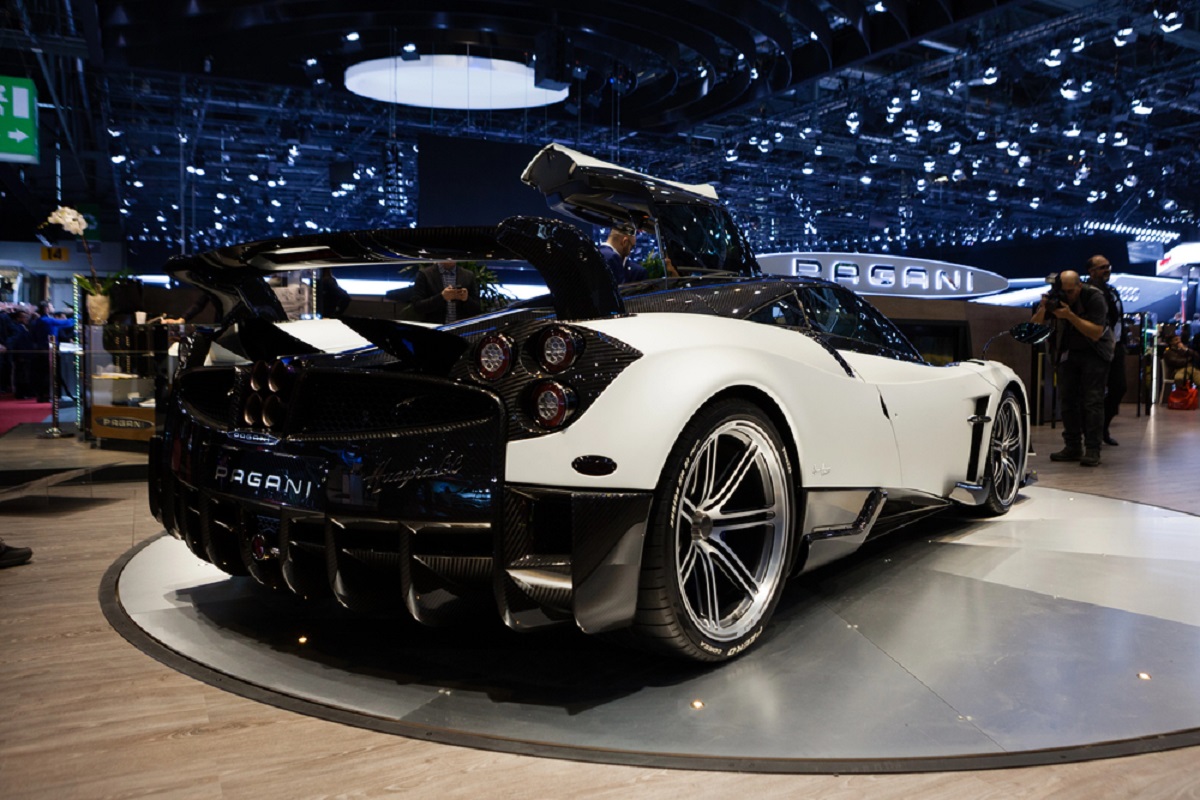
Pagani’s Huayra is a masterpiece of Italian craftsmanship, featuring an AMG built twin-turbo V12 and an intricate active aerodynamics system. Every component is custom built, meaning parts are expensive and often need to be hand fabricated. The car’s carbon titanium chassis and unique gullwing doors add complexity to body repairs. With only a few technicians worldwide trained to service it, most mechanics avoid the Huayra entirely.
Related: 11 Car Brands That Deliver The Best In-Car Audio Experience
Citroën SM

The Citroën SM was an ambitious French luxury coupe with a Maserati-built V6 engine and a hydropneumatic suspension system. The self-leveling suspension and powered steering system were groundbreaking but highly unreliable, requiring constant maintenance. The Maserati-sourced engine has its own set of quirks, further complicating service work. Due to these factors, even Citroën specialists hesitate to work on the SM.
Related: 13 Eastern European Cars That Spark Nostalgia
Alfa Romeo 4C

With a full carbon-fiber monocoque, the Alfa Romeo 4C is a lightweight, high-performance marvel. However, its exotic construction makes body repairs extremely expensive and difficult. The mid-engine layout means access to the engine bay is limited, complicating basic maintenance. The car’s unpredictable electronics and finicky transmission further deter mechanics from working on it.
Related: 14 Greatest Audi Models Of All Time
While these cars represent the peak of automotive engineering, their complexity makes them a nightmare for mechanics. From hypercars with intricate hybrid systems to luxury sedans with excessive electronics, these vehicles demand specialized knowledge, expensive tools, and extensive labor. Many mechanics prefer to avoid them altogether rather than risk costly mistakes. If you ever own one of these cars, be prepared for a long and expensive relationship with a specialist mechanic.
Disclaimer: This list is solely the author’s opinion based on research and publicly available information.
15 Incredible Performance Cars for Less Than $30,000

High-performance cars don’t have to come with sky high price tags. With the right choices, enthusiasts can find thrilling sports cars, muscle cars, and even luxury performance vehicles for under $30,000. Whether you’re looking for a turbocharged coupe, a V8 powered beast, or a finely tuned European machine, there are plenty of options that deliver speed and excitement on a budget. Here are 15 incredible performance cars that prove you don’t have to break the bank to go fast.
Read it here: 15 Incredible Performance Cars for Less Than $30,000
11 Biggest Automotive Design Flaws in History

Throughout automotive history, manufacturers have made design decisions that, in hindsight, proved to be disastrous. From poor engineering choices to outright safety hazards, some vehicles left owners frustrated and automakers scrambling to fix their mistakes. Whether it was an unreliable feature, a dangerous flaw, or a poorly executed concept, these design missteps serve as cautionary tales. Here are 11 of the biggest automotive design flaws that made headlines for all the wrong reasons.
Read it here: 11 Biggest Automotive Design Flaws in History
11 Brilliant Flat-6 Cars That Sound As Good As They Drive

Few engine layouts deliver an auditory experience as thrilling as a flat-six. Known for their smooth power delivery, perfect balance, and iconic exhaust notes, these engines have powered some of the most beloved performance cars ever built. Whether air-cooled classics or high-revving modern machines, these flat-six cars don’t just drive brilliantly, they create music on the open road.
Read it here: 11 Brilliant Flat-6 Cars That Sound As Good As They Drive
You’ll love these related posts: