Shocks and struts are critical components of your vehicle’s suspension system, ensuring a smooth and controlled ride. When they start to fail, they can cause handling issues, reduce braking efficiency, and even become a safety hazard. Recognizing the warning signs early can prevent costly repairs and accidents. Here are 12 scary signs that indicate your shocks and struts are about to fail.
Excessive Bouncing After Hitting a Bump

If your car bounces multiple times after going over a bump, it’s a clear sign of failing shocks or struts. These components help absorb road impact and maintain stability. When worn out, they can’t properly control the movement of your vehicle. This can make your ride uncomfortable and unsafe at high speeds.
Uneven Tire Wear

Shocks and struts keep your tires in constant contact with the road, ensuring even wear. If they’re failing, you may notice cupped or patchy tire wear patterns. This uneven wear reduces traction and increases the risk of hydroplaning. Replacing worn shocks can help extend the life of your tires and improve handling.
Car Dips When Braking
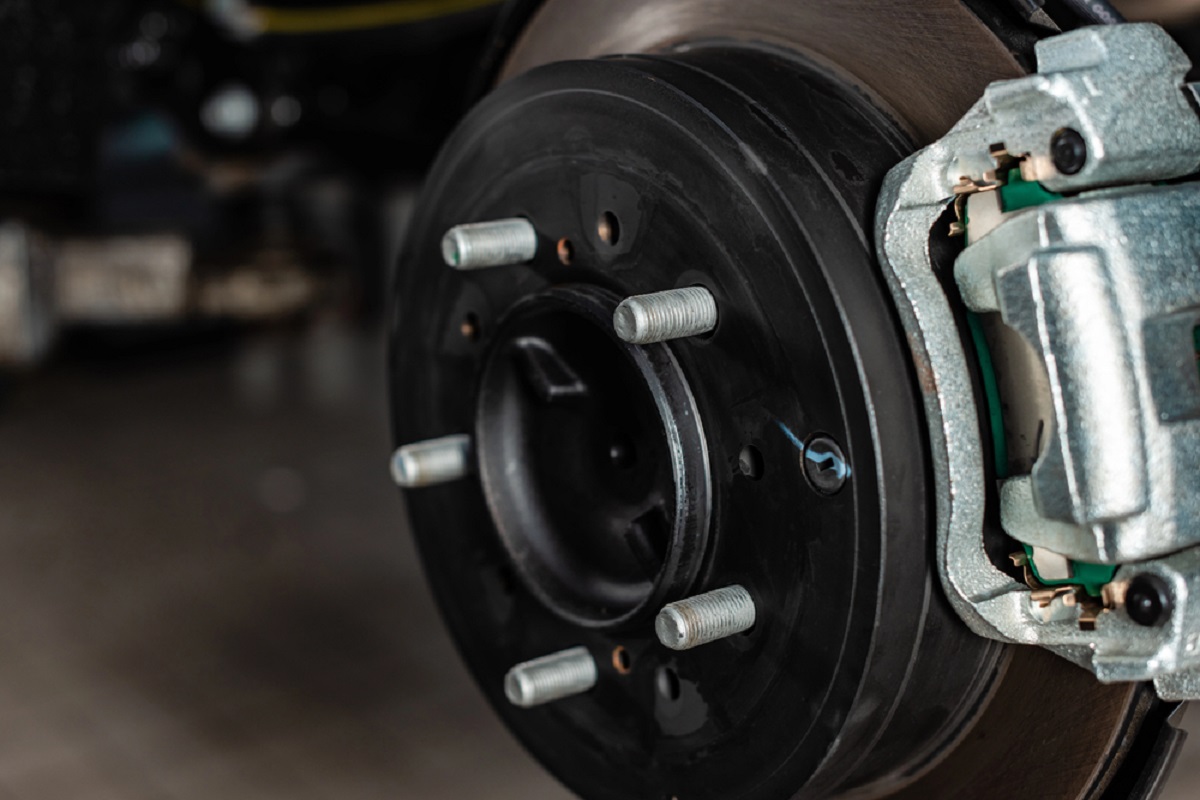
A car that excessively dips forward when you brake is a warning sign of weak shocks or struts. This happens because the suspension can’t properly distribute the braking force. It can significantly increase your stopping distance, making sudden braking more dangerous. If you experience this, it’s time to get your suspension checked.
Poor Steering Response

Failing shocks and struts can make your steering feel loose or imprecise. You may notice increased difficulty when turning or a delayed response to steering inputs. This can make highway driving particularly dangerous, as you have less control over your vehicle. A proper inspection can determine if worn suspension components are to blame.
Related: 15 Car Features That Are a Complete Waste of Money
Vehicle Nose-Diving on Sudden Stops

If your car nosedives aggressively when you slam the brakes, your shocks and struts are likely worn out. This makes emergency braking situations much riskier, as it reduces overall stability. The sudden forward movement can also place additional stress on other suspension components. Replacing faulty shocks will restore proper braking control.
Related: 13 Celebrity Car Restorations: Bringing Classics Back to Life
Rear Squats When Accelerating

When you press the gas pedal and your car’s rear end dips dramatically, it’s a sign of worn-out rear shocks or struts. This can affect traction and overall acceleration performance. It also puts extra strain on your drivetrain, potentially leading to more costly repairs. Proper suspension maintenance prevents this from becoming a recurring issue.
Related: 12 Loudest Stock Car Horns You Can Buy
Knocking or Clunking Noises
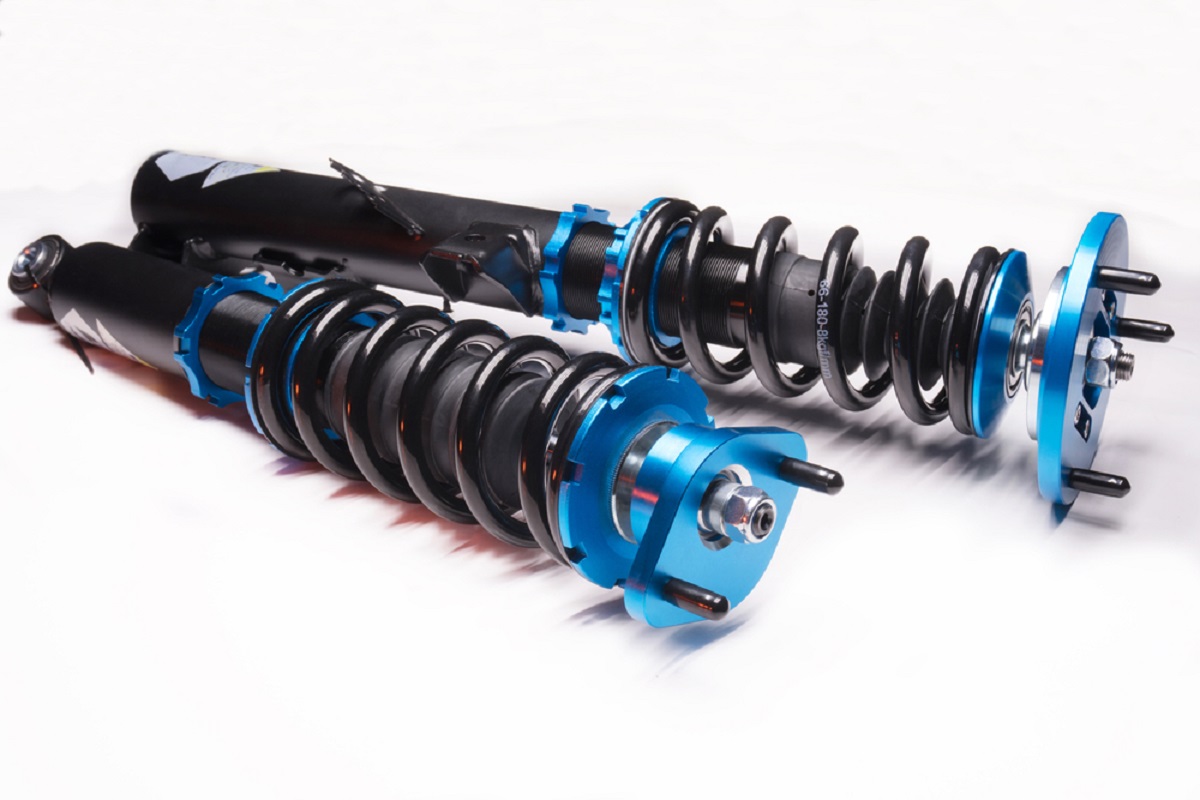
If you hear clunking or knocking noises while driving, your shocks or struts might be failing. These sounds usually come from loose or damaged suspension components. Ignoring these noises can lead to further damage, increasing repair costs. Getting them checked early can save you from more extensive repairs.
Excessive Body Roll When Turning

A well-functioning suspension system keeps your car stable during turns. If you feel excessive body roll or swaying when cornering, your shocks or struts are likely worn out. This instability makes high-speed turns especially dangerous. Replacing your suspension components will restore handling precision and improve safety.
Related: 15 Cruise Control Mistakes That Put You at Risk on the Highway
Vibration in the Steering Wheel

A vibrating steering wheel can indicate that your shocks and struts are no longer dampening road imperfections properly. This issue is particularly noticeable on rough or uneven roads. Over time, persistent vibrations can lead to premature wear on other suspension components. Addressing the problem early prevents further damage and improves driving comfort.
Related: 13 Hidden Dangers on the Road That Most Drivers Ignore
Leaking Fluid on Shocks or Struts

Visible fluid leaks on your shocks or struts indicate that their internal seals have failed. This reduces their ability to absorb shocks, leading to a rough and uncontrolled ride. Once the hydraulic fluid leaks out, the components become ineffective. Replacing them immediately is crucial for maintaining vehicle safety.
Swerving or Drifting on Straight Roads

If your car sways or drifts while driving straight, your shocks or struts may be compromised. This makes maintaining lane control difficult, increasing the risk of accidents. Suspension issues like this become more dangerous at higher speeds. Getting an inspection ensures your vehicle remains safe and stable on the road.
Related: 13 Reasons Why Compact SUVs Still a Good Choice for City Living
Strange Rattling Sounds Over Small Bumps
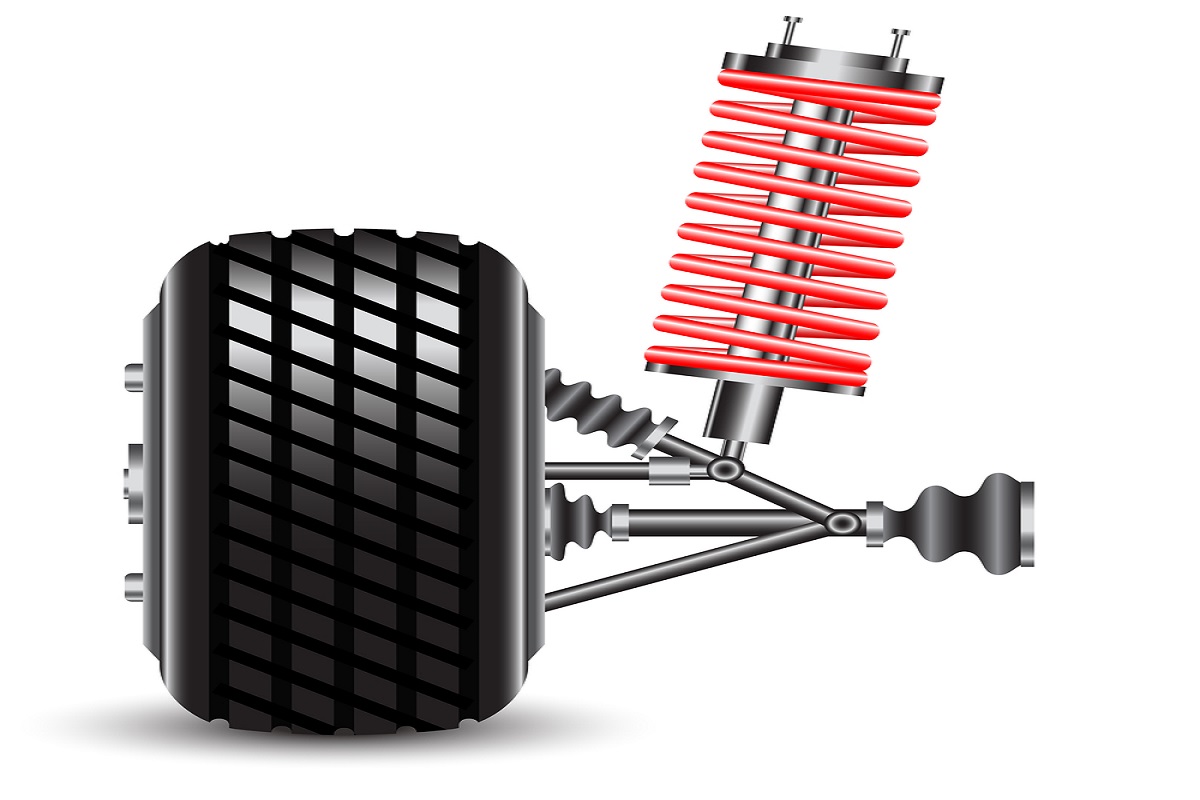
If your car rattles excessively over minor road imperfections, your shocks or struts might be failing. This occurs because the suspension can’t absorb small impacts effectively. The more rattling you hear, the more compromised your suspension system is. Addressing the issue early can prevent damage to other components.
Related: New or Used? 15 Crucial Car Buying FAQs Uncovered!
Your vehicle’s shocks and struts play a crucial role in maintaining safety, handling, and ride comfort. Ignoring the warning signs of failing suspension components can lead to serious accidents and expensive repairs. Regular inspections and timely replacements help keep your vehicle performing optimally. If you experience any of these issues, getting your suspension checked by a professional is essential.
Disclaimer: This list is solely the author’s opinion based on research and publicly available information.
13 Cars Mechanics Avoid Buying for Their Own Families

Not all cars are built to last, and no one knows this better than professional mechanics. Some vehicles are notorious for reliability issues, expensive repairs, or poorly designed components that make maintenance a nightmare. Mechanics who work on cars every day know which ones to steer clear of when it comes to their own families. Here are 13 cars that mechanics avoid buying for their loved ones.
Read it here: 13 Cars Mechanics Avoid Buying for Their Own Families
Is Your Car in Trouble? 15 Warning Signs and Fixes

Ignoring car warning signs can lead to costly repairs or even dangerous breakdowns. Whether it’s a strange noise, a warning light, or a change in performance, knowing what your car is telling you can save you time and money. Here are 15 common car warning signs and what you can do to fix them.
Read it here: Is Your Car in Trouble? 15 Warning Signs and Fixes
12 Scary Car Emergencies and Exactly What to Do to Stay Safe

Got a sudden car emergency? Don’t panic, knowing what to do can make all the difference. Whether your brakes fail, your engine overheats, or your accelerator sticks, staying calm and acting fast is key. Here’s how to handle these common car emergencies safely and effectively.
Read it here: 12 Scary Car Emergencies and Exactly What to Do to Stay Safe
You’ll love these related posts: