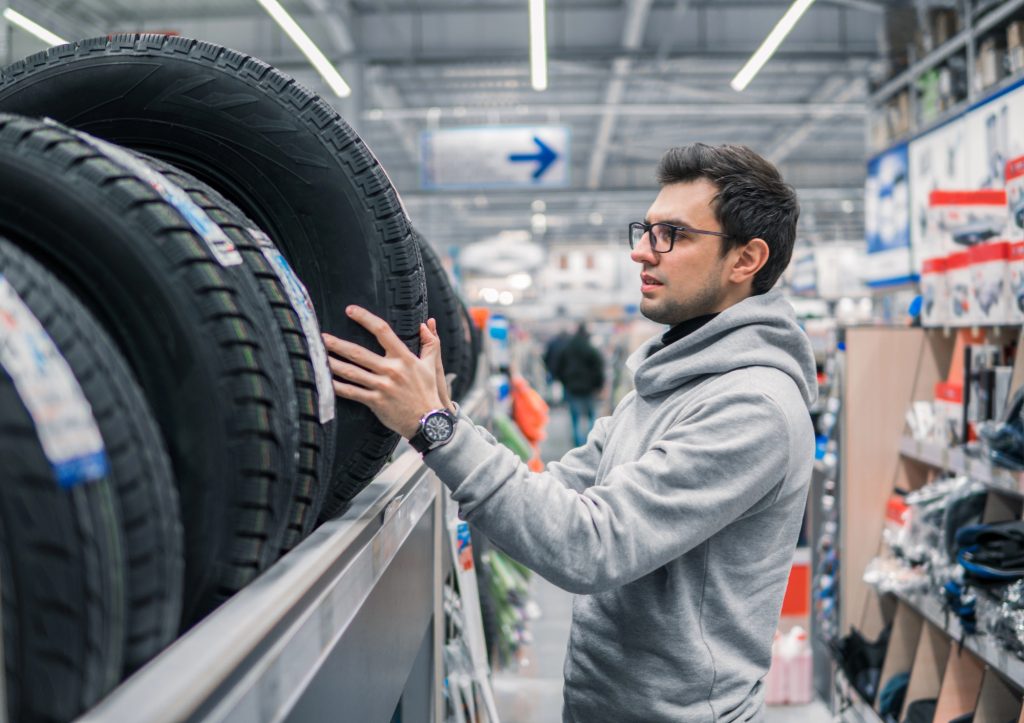
Smart tire technology is revolutionizing the way vehicles interact with the road, enhancing safety, efficiency, and performance like never before. Unlike traditional tires, smart tires are embedded with sensors, AI-driven analytics, and real-time monitoring systems that adapt to different driving conditions. These innovations help improve fuel efficiency, alert drivers to potential issues, and even adjust tire pressure automatically.
Monitor Tire Pressure in Real Time

Smart tires continuously measure air pressure and send alerts if levels drop too low or become too high. This helps prevent blowouts, improves fuel efficiency, and extends tire lifespan. Unlike traditional pressure monitoring systems, smart tires provide precise, real-time updates. Drivers can access this data via a smartphone app or in-car display.
Automatically Adjust Tire Pressure

Some smart tires can regulate their own air pressure based on road conditions and driving needs. They deflate slightly for better traction on rough terrain and reinflate for smoother highway driving. This dynamic adjustment improves performance, safety, and fuel economy. By maintaining optimal pressure at all times, smart tires reduce wear and tear.
Detect and Predict Tire Wear

Embedded sensors track how much a tire has worn down over time and alert drivers when replacement is needed. AI-driven analysis can even predict future wear patterns based on driving habits. This prevents unexpected failures and enhances vehicle maintenance planning. Drivers no longer need to rely on visual inspections alone.
Improve Fuel Efficiency

Underinflated tires increase rolling resistance, making the engine work harder and consuming more fuel. Smart tires optimize inflation levels and track energy efficiency to reduce fuel consumption. By maintaining ideal conditions, they contribute to better mileage and lower emissions. This is a game-changer for both everyday drivers and fleet operators.
Related: 11 Fastest British Cars Ever Built
Enhance Traction on Different Surfaces

Some smart tires can detect road conditions such as wet, icy, or gravel surfaces and adjust their grip accordingly. Advanced models use temperature and moisture sensors to improve stability. This reduces the risk of skidding or hydroplaning, making driving safer in all weather conditions. Drivers receive real-time alerts if road grip decreases significantly.
Related: 11 Driving Habits That Are Slowly Destroying Your Car
Communicate with Other Vehicles and Infrastructure

Through vehicle-to-everything (V2X) technology, smart tires can share data with other vehicles, traffic systems, and road infrastructure. They can warn nearby cars of slippery conditions or sudden stops. This enhances safety in high-traffic areas and improves autonomous driving responses. The ability to connect with smart cities makes driving more intelligent and efficient.
Related: 12 Lost Mustangs That Might Be Sitting In A Barn Waiting To Be Found
Adapt to Changing Weather Conditions

Smart tires use built-in sensors to detect temperature and humidity, adjusting their characteristics accordingly. In cold weather, they can stiffen for better grip, while in hot conditions, they soften to prevent excessive wear. This adaptability makes them ideal for all-season performance. Drivers benefit from increased safety and reliability no matter the climate.
Related: 12 Gas-Powered Cars That Outshine EVs In Style
Provide Real-Time Road Condition Feedback

Smart tires gather data on potholes, road debris, and uneven surfaces, then share this information with navigation systems. This allows for automatic route adjustments to avoid hazards. The data can also help city planners identify roads that need maintenance. By mapping out road quality, smart tires enhance overall driving comfort and efficiency.
Related: 11 Supercars With Designs Inspired By Jets, Rockets, And Sci-Fi
Assist in Autonomous Driving

Self-driving cars rely on multiple sensors, and smart tires add another layer of intelligence to their systems. By providing real-time traction and road condition data, they improve vehicle response times. They also help autonomous systems adjust braking and acceleration more precisely. This makes self-driving technology even safer and more reliable.
Related: 13 Classic Sports Cars You Can Own Without Constant Repairs
Reduce Road Noise for a Smoother Ride

Smart tires are designed to absorb vibrations and reduce the amount of noise entering the cabin. By adjusting their internal structure based on road conditions, they minimize harsh impacts. This results in a quieter, more comfortable driving experience. Luxury car manufacturers are incorporating this technology to improve ride quality.
Related: 12 Insider Tips Every Toyota Highlander Owner Should Know
Alert Drivers to Potential Tire Failures

Unlike traditional tires that require manual inspections, smart tires detect issues such as internal damage or overheating. They send alerts before small problems become dangerous failures. This helps prevent sudden blowouts that could lead to accidents. Predictive maintenance features make smart tires an essential safety upgrade.
Related: 12 Honda Cars That Are Set To Dominate The Roads In 2025
Smart tires are transforming the driving experience by offering advanced safety features, fuel efficiency improvements, and real-time road condition monitoring. From self-adjusting pressure and hydroplaning prevention to self-healing punctures and autonomous driving assistance, these tires bring intelligence to every journey.
Disclaimer: This list is solely the author’s opinion based on research and publicly available information.
12 Biggest Car Production Lines on Earth

The automotive industry is powered by massive production lines that churn out millions of vehicles every year. These factories use cutting-edge technology, automation, and skilled labor to keep up with global demand. From Asia to North America and Europe, some of the biggest car plants are capable of producing thousands of vehicles daily. Here are the 12 largest car production lines on Earth that keep the world moving.
Read it here: 12 Biggest Car Production Lines on Earth
11 Must-Know Tire Buying Tips That Every Driver Should Read
Buying the right tires for your vehicle is crucial for safety, performance, and long-term savings. With so many options available, it’s easy to make mistakes that lead to poor handling, reduced fuel efficiency, and even premature tire wear. Understanding key factors such as tire type, size, tread pattern, and maintenance can make all the difference. Here are 11 essential tire buying tips that every driver should know before making a purchase.
Read it here: 11 Must-Know Tire Buying Tips That Every Driver Should Read
11 Genius Upgrades In the Mercedes CLA That Make It Worth Every Penny

The Mercedes CLA has evolved into one of the most stylish and tech-packed luxury sedans on the market. Combining cutting-edge technology, refined performance, and sleek design, the CLA offers premium features at a more accessible price point than its larger Mercedes siblings. From advanced driver assistance systems to a high-tech interior, Mercedes has packed this compact sedan with innovations that make it a true standout. Here are 11 genius upgrades that prove the Mercedes CLA is worth every penny.
Read it here: 11 Genius Upgrades In the Mercedes CLA That Make It Worth Every Penny
You’ll love these related posts: