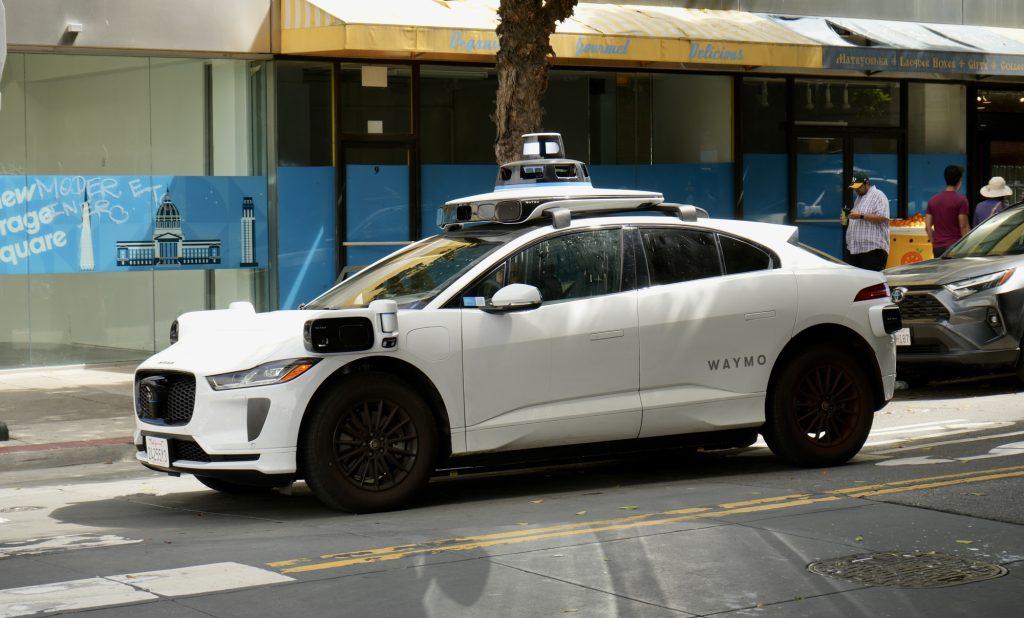
Artificial intelligence is transforming the automotive world, and performance tuning is no exception. AI-driven algorithms are optimizing everything from engine efficiency to suspension dynamics, making modern cars faster, smoother, and more efficient. Unlike traditional manual tuning, AI systems can analyze massive amounts of data in real time and make instant adjustments for peak performance.
Real-Time Engine Optimization for Maximum Power

AI continuously analyzes engine data and fine-tunes parameters like fuel injection, ignition timing, and air intake. By making micro-adjustments in real time, AI maximizes horsepower while maintaining fuel efficiency. Traditional tuning requires manual tweaks, but AI eliminates guesswork and optimizes settings instantly. This results in smoother acceleration and improved overall engine performance.
AI-Driven Adaptive Transmission Tuning

Modern automatic transmissions use AI to learn a driver’s habits and adjust shift points accordingly. Instead of relying on a fixed shifting pattern, AI optimizes gear changes for better acceleration, fuel efficiency, and responsiveness. Whether driving aggressively or cruising, AI ensures seamless shifts tailored to the driver’s style. This personalized tuning enhances both performance and comfort.
Predictive Maintenance Prevents Performance Loss

AI-powered diagnostics monitor a car’s components and predict potential failures before they happen. By analyzing wear and tear, AI suggests maintenance at optimal intervals, preventing sudden breakdowns. This proactive approach keeps performance levels high and avoids unnecessary downtime. AI ensures that vehicles operate at peak efficiency with minimal surprises.
AI Enhances Turbocharger Performance

Turbocharged engines rely on AI to adjust boost pressure dynamically based on driving conditions. Traditional turbo systems use preset settings, but AI-controlled turbos fine-tune themselves for optimal efficiency and power delivery. This results in better throttle response, reduced turbo lag, and improved overall performance. AI transforms turbos into smarter, more adaptive power boosters.
Related: 12 Insider Tips Every Toyota Highlander Owner Should Know
Intelligent Suspension Tuning for a Smoother Ride

AI-powered adaptive suspension systems continuously adjust damping and stiffness based on road conditions and driving behavior. By analyzing terrain data and driver inputs, AI fine-tunes suspension settings in real time. This eliminates excessive body roll, enhances cornering stability, and improves ride comfort. AI ensures a perfect balance between sportiness and luxury.
Related: 13 Classic Sports Cars You Can Own Without Constant Repairs
AI Learns and Adapts to Individual Driving Styles

Modern vehicles use AI to analyze a driver’s habits, including acceleration, braking, and cornering tendencies. The system then adjusts performance settings to match the driver’s unique style. This results in a personalized driving experience where the car feels more intuitive and responsive. AI makes every ride feel tailor-made for the person behind the wheel.
Related: 11 Supercars With Designs Inspired By Jets, Rockets, And Sci-Fi
Advanced Fuel Efficiency Optimization

AI analyzes fuel consumption patterns and optimizes engine performance to reduce waste. By adjusting air-to-fuel ratios and ignition timing in real time, AI ensures maximum efficiency without sacrificing power. Hybrid and electric vehicles especially benefit from AI-driven energy management. This results in lower fuel costs and reduced emissions while maintaining strong performance.
Related: 12 Gas-Powered Cars That Outshine EVs In Style
AI-Optimized AWD and Traction Control

All-wheel drive and traction control systems now use AI to instantly detect and react to wheel slip. Instead of relying on fixed parameters, AI continuously adjusts torque distribution to each wheel for maximum grip. This enhances stability in wet, icy, or off-road conditions while improving acceleration. AI transforms traction control into a predictive, real-time optimization system.
Related: 12 Lost Mustangs That Might Be Sitting In A Barn Waiting To Be Found
Smart Aerodynamics for Reduced Drag
AI controls active aerodynamic elements like adjustable spoilers and grille shutters. By analyzing speed, wind resistance, and driving conditions, AI optimizes aerodynamics to reduce drag and improve fuel efficiency. Performance cars use AI to balance downforce and speed dynamically. This results in better stability at high speeds without compromising efficiency.
Related: 11 Driving Habits That Are Slowly Destroying Your Car
AI-Powered Steering Adjustments for Precision Handling
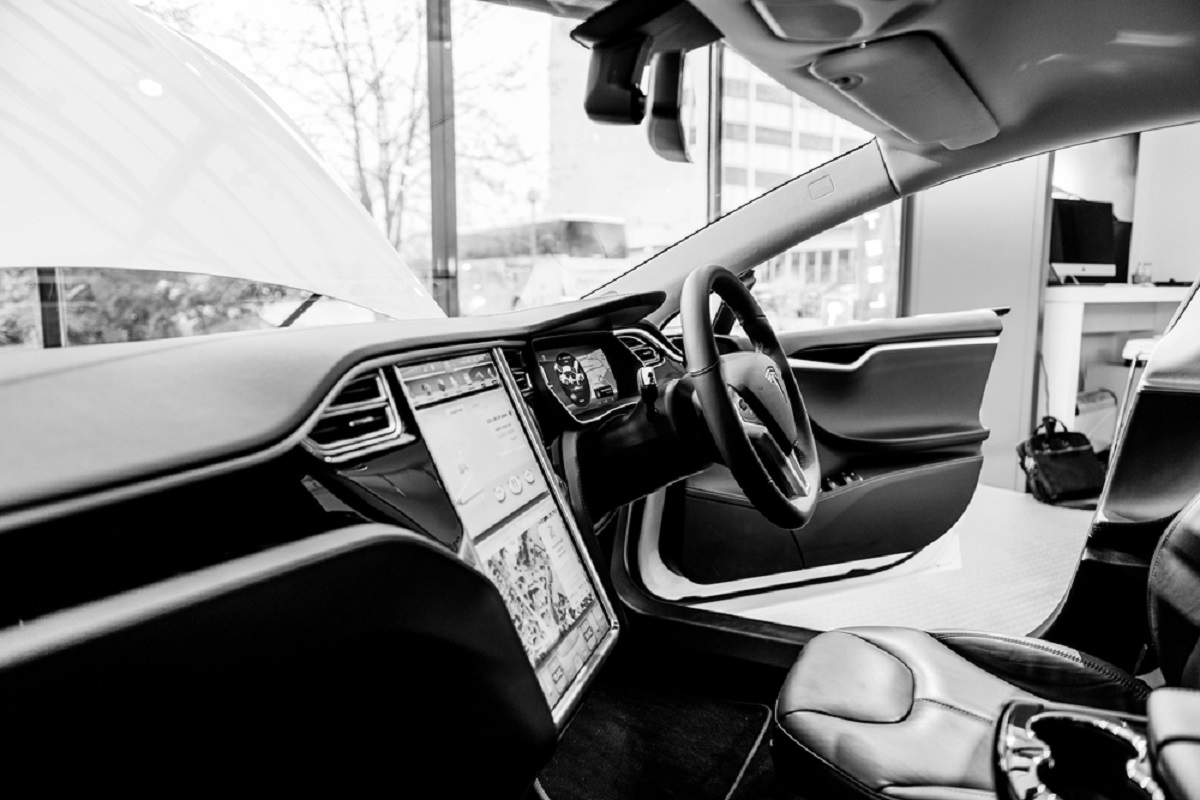
Electric power steering systems use AI to adjust responsiveness based on speed and road conditions. At low speeds, AI provides lighter steering for easy maneuverability, while at high speeds, it firms up for better stability. This results in a more controlled and engaging driving experience. AI ensures that steering always feels just right, regardless of conditions.
Related: 11 Fastest British Cars Ever Built
AI Eliminates Human Error in Performance Tuning
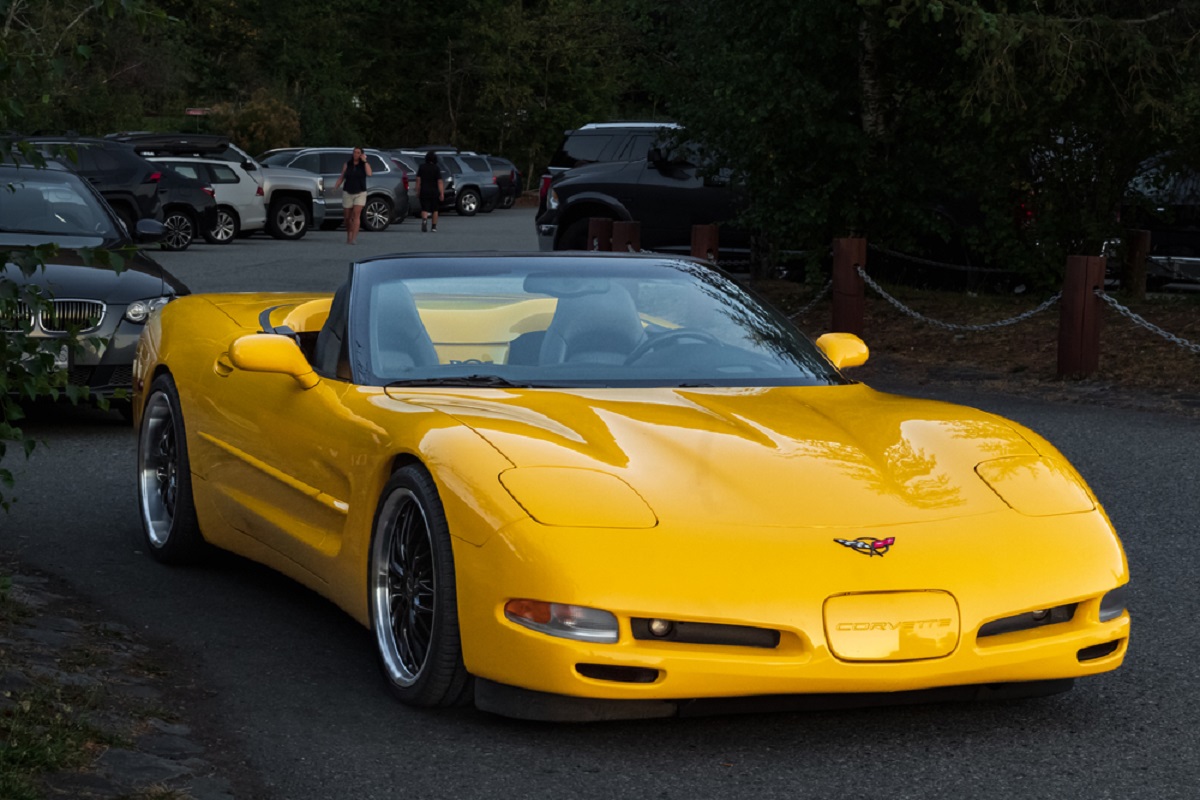
Manual tuning often involves trial and error, but AI relies on precise data analysis. AI can simulate thousands of tuning variations in seconds to find the best possible configuration. This removes guesswork and ensures optimal performance without the risk of human miscalculations. AI delivers accuracy that even expert tuners can’t match.
Related: 13 Obscure German Automakers That Built Incredible Cars
AI-Enhanced Regenerative Braking for EVs
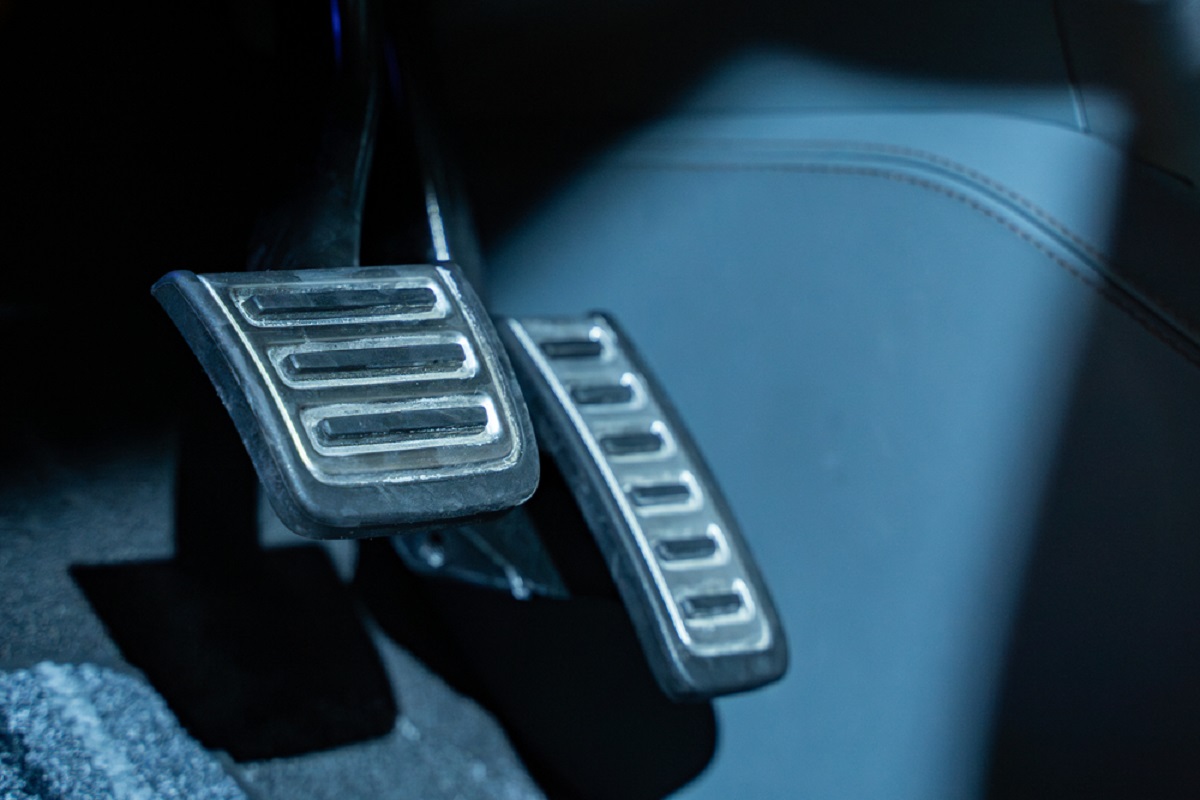
Electric vehicles use AI to optimize regenerative braking, maximizing energy recovery while maintaining smooth braking performance. AI continuously adjusts braking force based on road conditions, battery charge, and driving patterns. This improves efficiency and extends battery range without compromising stopping power. AI makes regenerative braking smarter and more effective.
Related: 13 Hottest-Looking Cars of 2025 That Stole The Show
Smarter Launch Control for Faster Acceleration

Performance cars with AI-driven launch control adjust throttle, torque, and traction settings based on grip levels. Instead of using a one-size-fits-all approach, AI optimizes each launch for maximum acceleration with minimal wheel spin. This results in consistently faster and more controlled takeoffs. AI gives sports cars an edge on the track and the street.
Related: 15 Must-Have Cars For Any Serious Collector
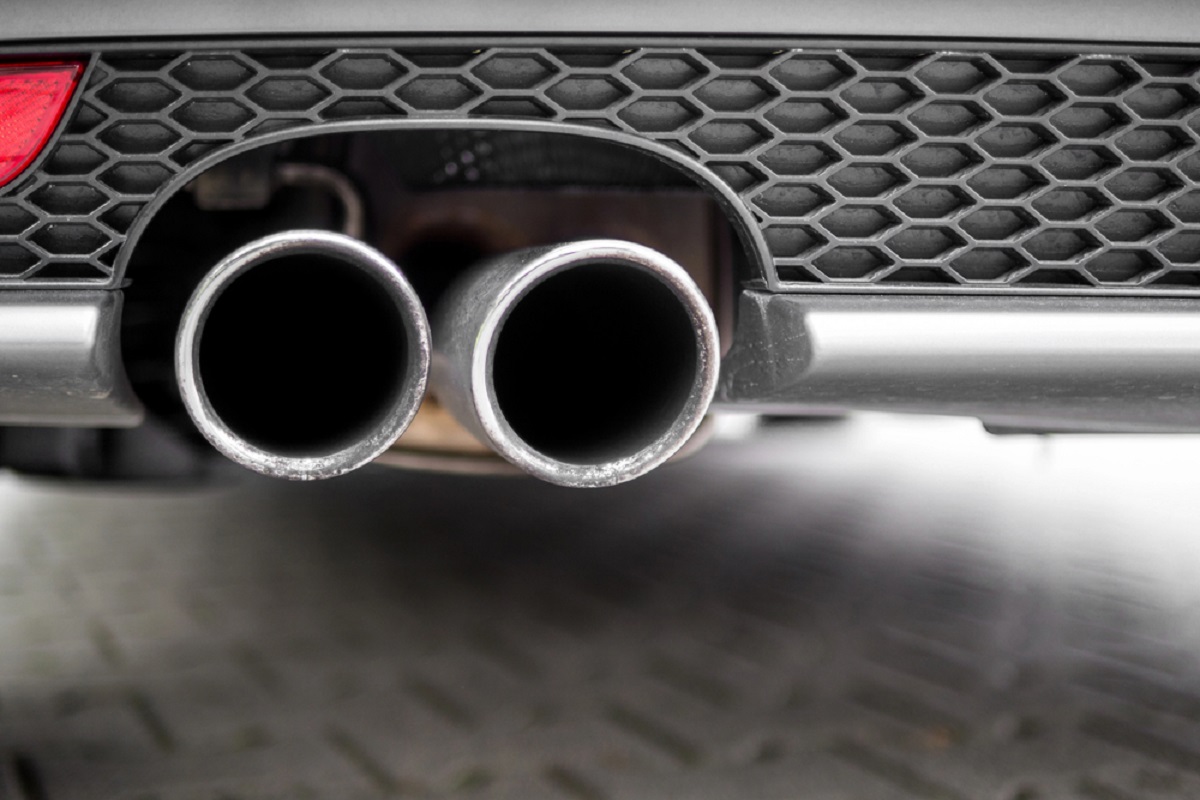
AI Tunes Exhaust Sound for the Perfect Note

Many modern sports cars use AI to enhance or modify exhaust sounds based on driving mode. AI analyzes throttle input and adjusts valve openings to create deeper, more aggressive tones under acceleration while keeping things quiet at cruising speeds. This gives drivers the best of both worlds, exhilarating sound when wanted and refinement when needed.
Related: 13 Exotic Cars In Sylvester Stallone’s Garage That Will Blow Your Mind
AI Upgrades Vehicles with Over-the-Air Software Updates
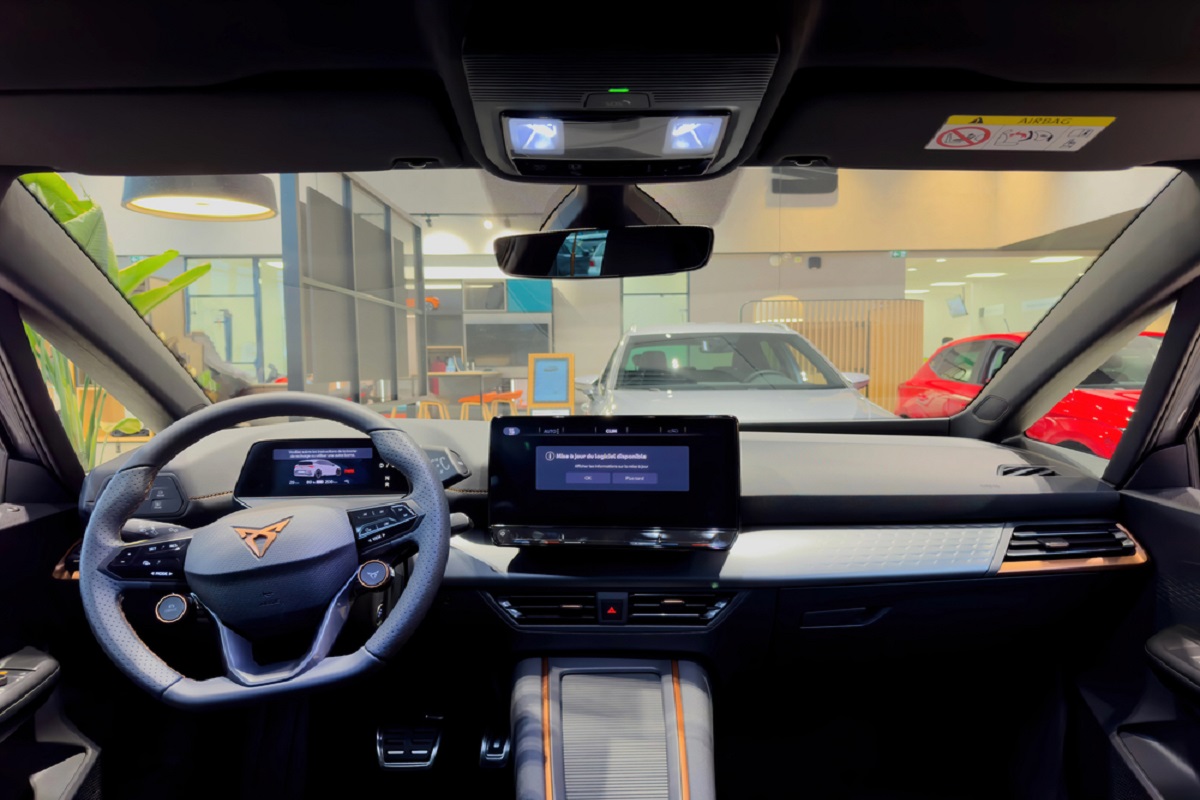
Performance tuning no longer requires physical modifications, AI-driven updates allow automakers to enhance vehicle performance remotely. Companies like Tesla continuously improve acceleration, efficiency, and handling through software updates. This means cars can become faster and more refined without ever visiting a mechanic. AI is turning performance tuning into a seamless, wireless process.
Related: 12 Insider Secrets Every Subaru Forester Owner Needs To Know
AI is quietly reshaping the world of car performance tuning, making vehicles faster, smarter, and more efficient than ever before. From real-time engine optimization to predictive traction control and AI-powered aerodynamics, this technology enhances every aspect of driving. Unlike traditional tuning methods, AI learns, adapts, and refines performance continuously.
Disclaimer: This list is solely the author’s opinion based on research and publicly available information.
11 Classic Fiberglass Cars You Didn’t Know Came From Big Brands

Fiberglass has played a crucial role in automotive history, allowing manufacturers to build lightweight, durable, and uniquely styled vehicles. While most people associate fiberglass with kit cars and small manufacturers, several major automakers have embraced the material for groundbreaking designs. From sports cars to concept vehicles, some of the biggest names in the industry have produced fiberglass bodied models.
Read it here: 11 Classic Fiberglass Cars You Didn’t Know Came From Big Brands
11 Capri Prototypes That Never Saw The Light Of Day
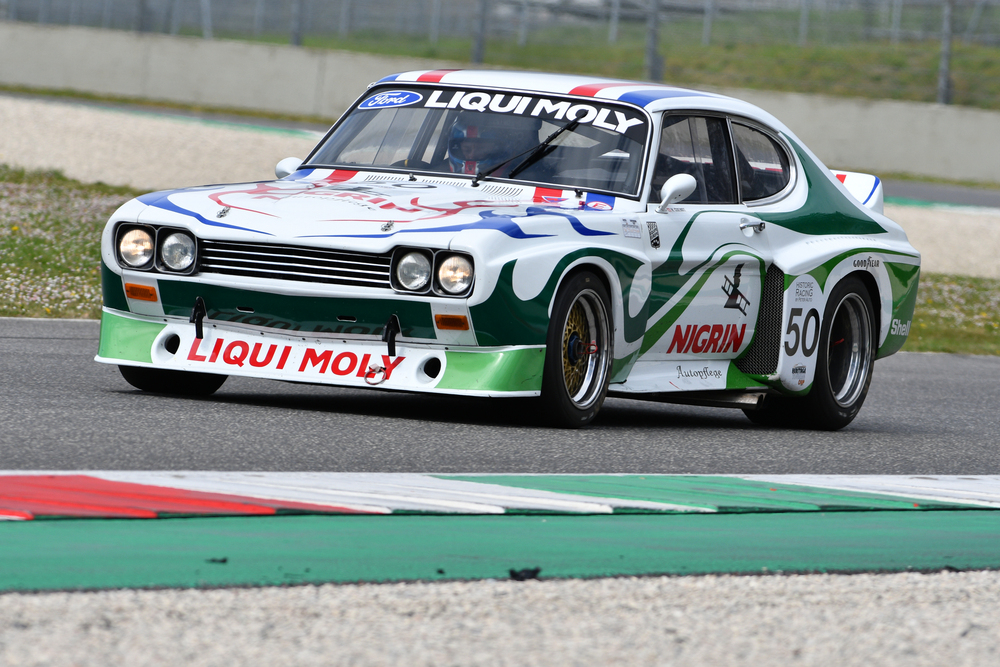
The Ford Capri was one of the most beloved European coupes, known for its sporty styling and accessible performance. However, many prototypes were developed that never made it to production due to shifting market demands and internal company decisions. These concept cars featured futuristic designs, advanced engineering, and experimental technology that could have changed the Capri’s legacy. Here are 11 remarkable Capri prototypes that were left behind in the design studios and test tracks.
Read it here: 11 Capri Prototypes That Never Saw The Light Of Day
13 Game-Changing Cars in 2025 That Look Straight Out Of The Future

Automakers are pushing boundaries in 2025, delivering futuristic designs, cutting-edge technology, and groundbreaking performance. From electric hypercars with spaceship-like aerodynamics to AI-driven autonomous vehicles, these cars feel like they belong in a sci-fi movie. Whether redefining luxury, speed, or sustainability, they showcase the next evolution of automotive innovation. Here are 13 game-changing cars that look straight out of the future.
Read it here: 13 Game-Changing Cars in 2025 That Look Straight Out Of The Future
You’ll love these related posts: