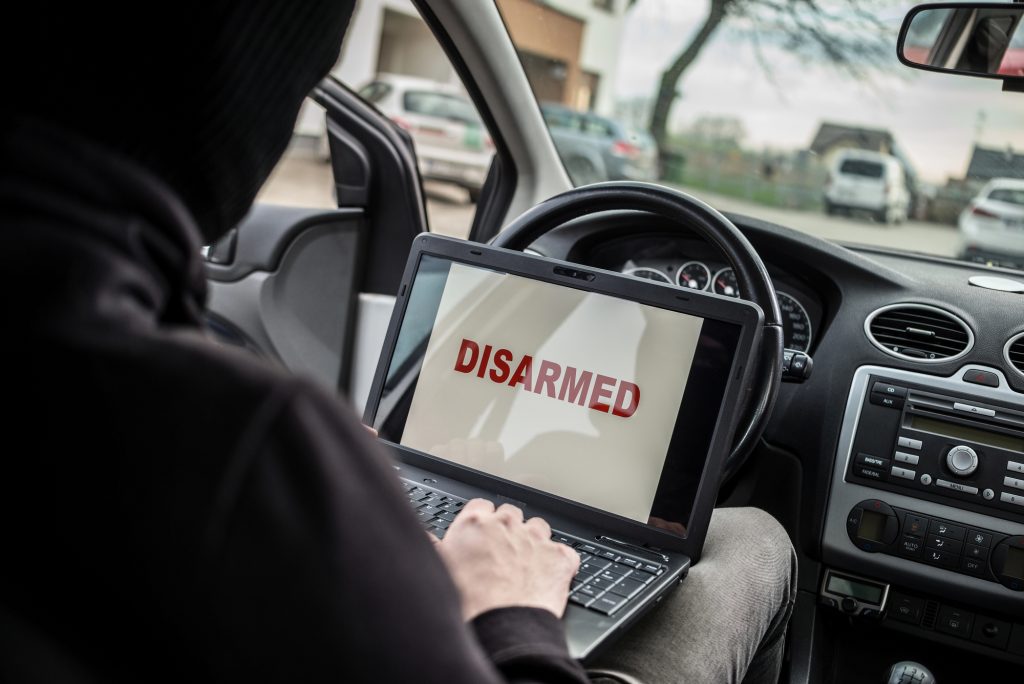
As cars become more connected, they also become more vulnerable to cyber threats. Hackers no longer need physical access to steal or manipulate a vehicle, advanced techniques allow them to exploit software flaws, intercept signals, and bypass security measures remotely. The increasing digital landscape of vehicles brings many risks. Here are some of the most alarming ways cybercriminals could hijack your car without ever laying a finger on it.
Keyless Entry Signal Hijacking

Hackers use relay attacks to intercept and amplify the signal from your key fob, tricking your car into unlocking and starting. This method can be executed from a distance, often without the owner realizing anything is wrong or noticing any unusual behavior or anomalies.
Remote Engine Takeover

Modern cars with over-the-air (OTA) updates and app-based controls can be compromised if hackers exploit software vulnerabilities. They can start, stop, or even disable the engine remotely, leaving you powerless and potentially stranded on the road in dangerous situations and conditions.
GPS Spoofing

By sending false location data to your car’s navigation system, hackers can mislead drivers or even reroute stolen vehicles to designated locations without raising suspicion, effectively hiding them from any tracking or monitoring systems designed for protection.
Wireless Tire Pressure Sensor Hacks

Some cars rely on wireless sensors to monitor tire pressure, but hackers can manipulate these signals, tricking the system into displaying false readings or even triggering emergency braking responses, potentially causing dangerous accidents and unsafe driving conditions.
Related: 14 Mind-Blowing Car Features Inspired by the Cybertruck That You Can Get Now
Infotainment System Backdoor Attacks

Connected infotainment systems serve as an entry point for cybercriminals to access more critical car functions. By exploiting weak security protocols, they can control everything from climate settings to braking systems, creating significant safety hazards for drivers and passengers alike.
Related: 13 Genius Things to Keep in Your Car That Will Make Your Life So Much Easier
Malware in Vehicle Apps

Many drivers connect their smartphones to their cars, but a compromised mobile app can serve as a backdoor for hackers to access car controls, steal personal data, or remotely disable the vehicle, making the car vulnerable to various malicious attacks and threats.
Related: 12 Weird Ways Your Car Reveals More About You Than You Think
Fake Software Updates

Hackers can deploy malicious OTA software updates that appear legitimate but secretly install malware, allowing them to take control of various vehicle functions without the owner’s knowledge, leaving the vehicle exposed to further vulnerabilities and exploitation.
Related: 13 Smartest First Car Choices Millennials Can Make Without Regret
Brute-Force Attacks on Smart Locks

Some high-tech vehicles rely on PIN codes or biometric authentication. Hackers can use automated scripts to repeatedly attempt combinations until they gain access, bypassing security measures that were once thought to be foolproof and impenetrable.
Related: 15 Nostalgic ’80s & ’90s Cars That Are Making A Comeback
Vehicle-to-Vehicle (V2V) Communication Hacks

Future autonomous vehicles rely on V2V communication for safety and traffic coordination. Cybercriminals could disrupt these signals, causing cars to misinterpret road conditions or even crash, creating chaos on the roads and causing multiple dangerous accidents or fatalities.
Related: 15 Cars That Defined Boomer Childhoods and Are Now Ultimate Collectibles
Charging Station Attacks

Public EV charging stations can be hacked to inject malware into electric vehicles. Once infected, a car’s software can be remotely manipulated to disable features or steal personal information, leaving drivers unaware of the potential risk and vulnerability.
Related: 12 Used Car Buying Mistakes That Could Cost You Thousands Overnight
Cloud-Based System Exploits

Many modern vehicles rely on cloud-based services for navigation, diagnostics, and remote access. Hackers targeting these cloud platforms can disrupt operations or lock owners out of their cars, rendering them completely useless until a fix is implemented or security measures are restored.
Related: 13 Costly Driving Blunders That Are Putting You at Risk
Remote Braking and Acceleration Control

By accessing a car’s electronic control units (ECUs), cybercriminals can manipulate braking and acceleration, creating dangerous situations or even forcing crashes. This level of control can cause severe accidents and endanger both drivers and passengers in life-threatening ways.
Related: 12 Car Repairs Mechanics Don’t Want You to Know
Smart Key Cloning

Advanced hackers can duplicate digital smart keys by intercepting communication between the key and car, allowing them to unlock and drive away without raising alarms or triggering any security measures, making it almost impossible for owners to detect theft.
Related: These 15 Cars Ruled Their Time and Became Cultural Phenomena
As cars become more software-driven, cybersecurity will be just as crucial as physical locks and alarms. Manufacturers must prioritize security updates, and drivers should stay vigilant by updating their car’s software and using additional protective measures like signal-blocking key pouches. The future of driving is digital, but so is the evolving threat landscape of cybercriminal activity that could impact you.
Disclaimer: This list is solely the author’s opinion based on research and publicly available information.
11 Hidden Cybersecurity Threats That Could Shut Down Your Car Instantly

As vehicles become more connected, they also become more vulnerable to cyberattacks. Hackers can exploit weaknesses in software, wireless systems, and even infotainment units to disable your car or gain control over critical functions. These threats aren’t just theoretical, they’ve already been tested in real-world scenarios by researchers and criminals alike. Here are 11 hidden cybersecurity threats that could shut down your car instantly.
Read it here: 11 Hidden Cybersecurity Threats That Could Shut Down Your Car Instantly
13 Terrifying Ways Driving Will Change Forever By 2030

The future of driving isn’t just about sleek electric vehicles and self-driving technology, it’s about a complete transformation of how we experience the road. By 2030, dramatic changes will reshape everything from car ownership to traffic laws, and not all of them will be welcome. Buckle up, because the next decade is bringing shifts that might just make driving unrecognizable and far more controlled than ever before.
Read it here: 13 Terrifying Ways Driving Will Change Forever By 2030
11 Anti-Theft Features That Could Save Your Car From Being Stolen

Car theft is a growing problem, with criminals using both traditional and high-tech methods to steal vehicles. Fortunately, advancements in automotive security have led to the development of powerful anti-theft technologies. From AI-driven security systems to physical deterrents, these features help protect cars and improve recovery chances. Understanding and implementing these technologies can make the difference between keeping your vehicle safe or falling victim to theft.
Read it here: 11 Anti-Theft Features That Could Save Your Car From Being Stolen
You’ll love these related posts:
- 15 Game Changing Car Tricks That Will Transform How You Drive
- 12 Most Unforgettable Movie Cars That Every Fan Wishes They Owned
- 13 Weirdest Things That Secretly Raise Your Car Insurance Rates
- 13 Brilliant Driving Hacks Every Car Owner Needs to Try Right Now
- 12 Expensive Cars That Promise Luxury But Will Leave You Disappointed