Spring is a beautiful time of year, but it can be tough on your car’s paint job. Rain brings not just water but also acidic contaminants that can eat away at your vehicle’s finish. To preserve your car’s shine and value, proactive steps are necessary during the rainy season. From protective coatings to smarter parking habits, these tips can help you maintain a clean and polished exterior throughout spring. Here are effective ways to prevent spring showers from ruining your car’s paint.
Apply a High-Quality Wax
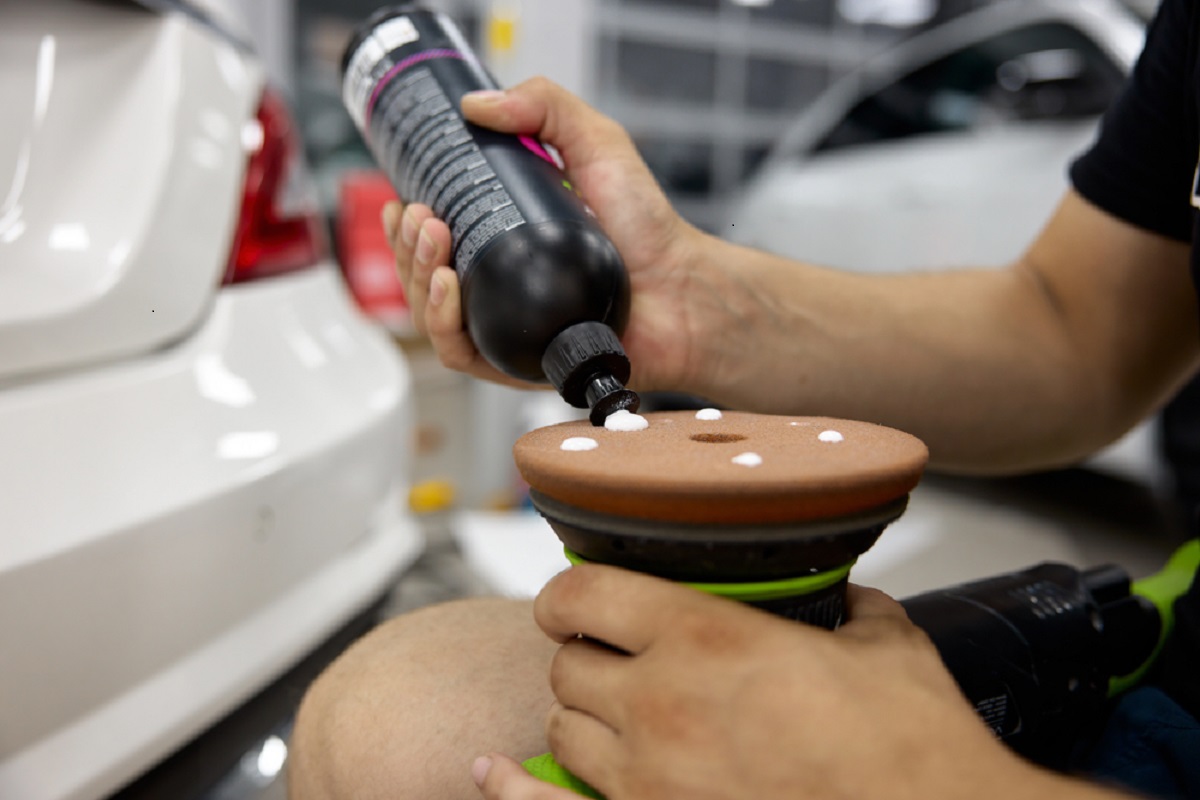
Wax creates a thick, protective barrier between your car’s paint and the rainwater, preventing acid rain and road grime from penetrating and settling on the surface. It also helps water bead up and roll off, taking contaminants and dirt with it rather than letting them linger. Reapply every few months to ensure lasting protection, especially during high-precipitation seasons.
Use Ceramic Coating for Long-Term Shielding
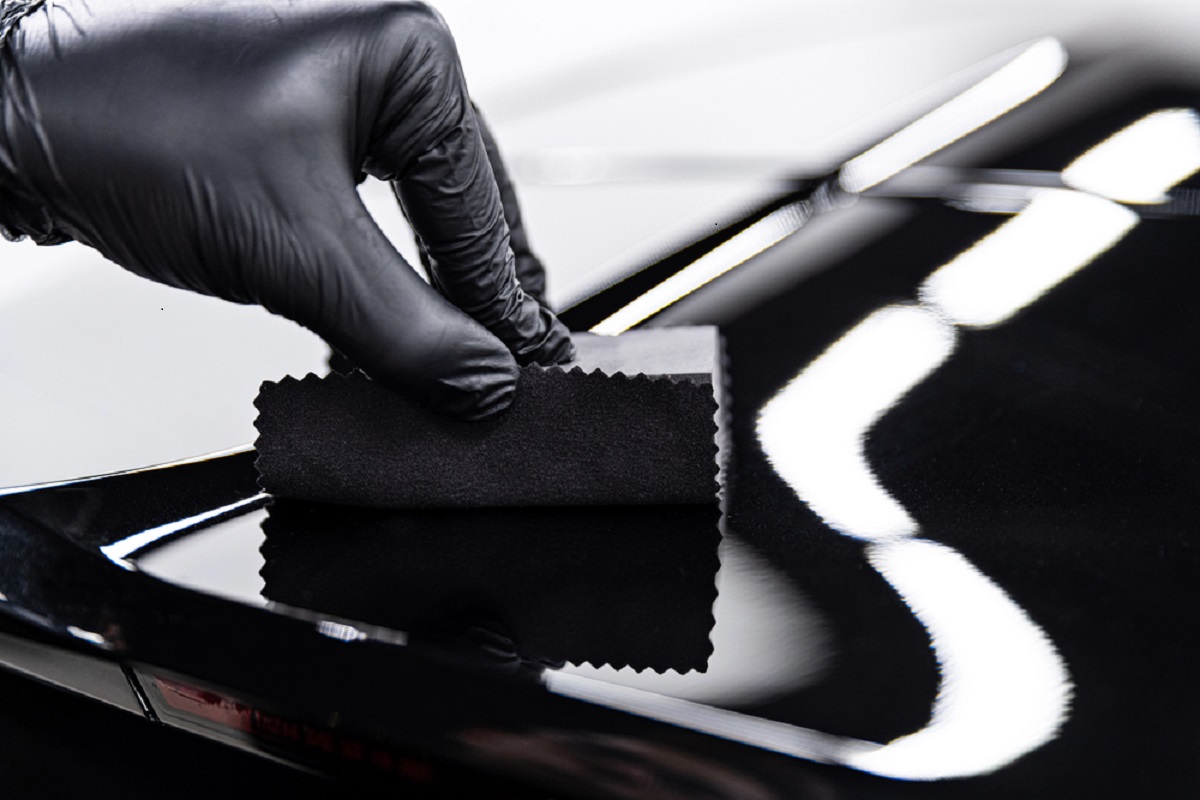
Ceramic coatings offer longer-lasting and more durable protection than traditional wax, bonding to the paint and resisting harsh elements. This advanced layer repels water, UV rays, and other environmental hazards like road salt and pollution. It’s a smart investment for car owners looking for set-it-and-forget-it paint defense that keeps the exterior flawless.
Wash Your Car Regularly
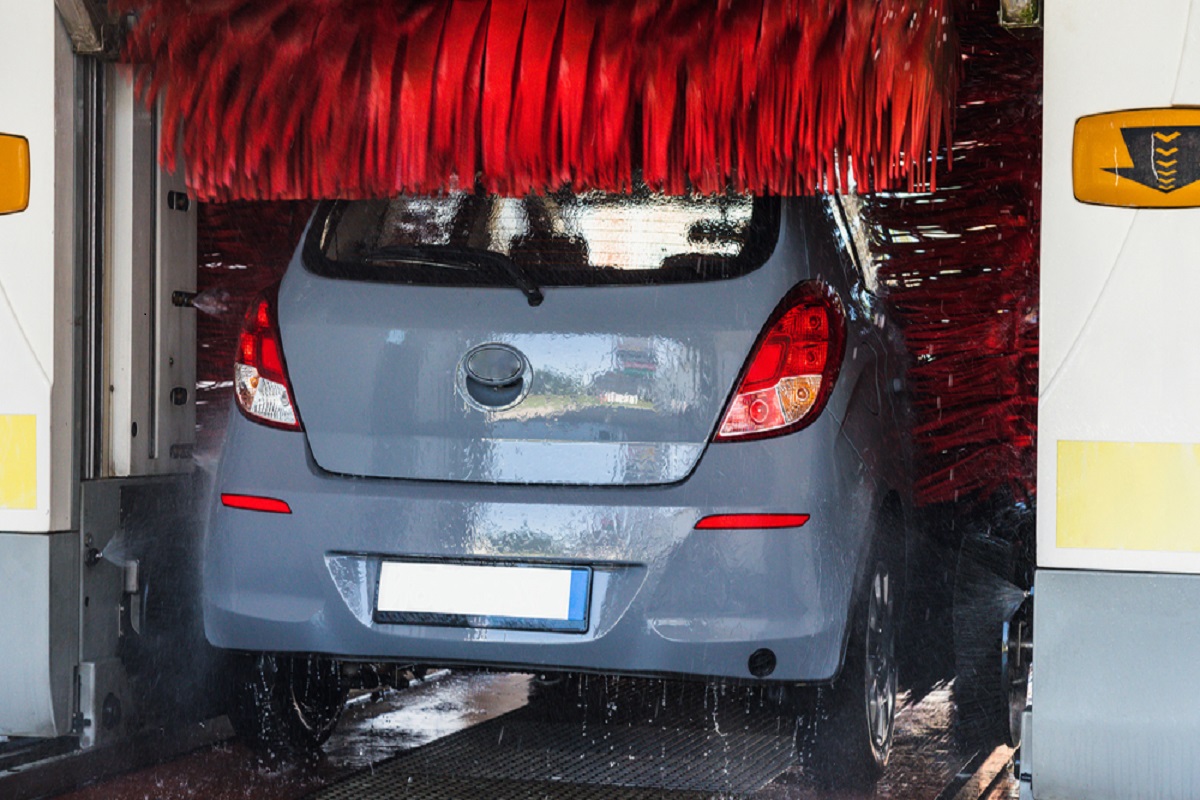
Frequent washes remove harmful residue like salt, dirt, and acid rain that can dull your paint or cause corrosion. A clean car also makes it easier to spot potential issues like scratches, chips, or oxidation early. Use pH-neutral soap and soft cloths or mitts to avoid scratching the surface and maintain a glossy finish.
Avoid Parking Under Trees

Trees may offer shelter from direct rain, but they also drop sap, pollen, leaves, and bird droppings that can damage your paint. During rainy seasons, these organic materials mix with moisture to create stubborn, corrosive stains. Whenever possible, park in covered or open areas away from vegetation and overhanging branches.
Related: 12 Reasons AI-Powered Co-Pilots Might Be The Future
Invest in a Quality Car Cover
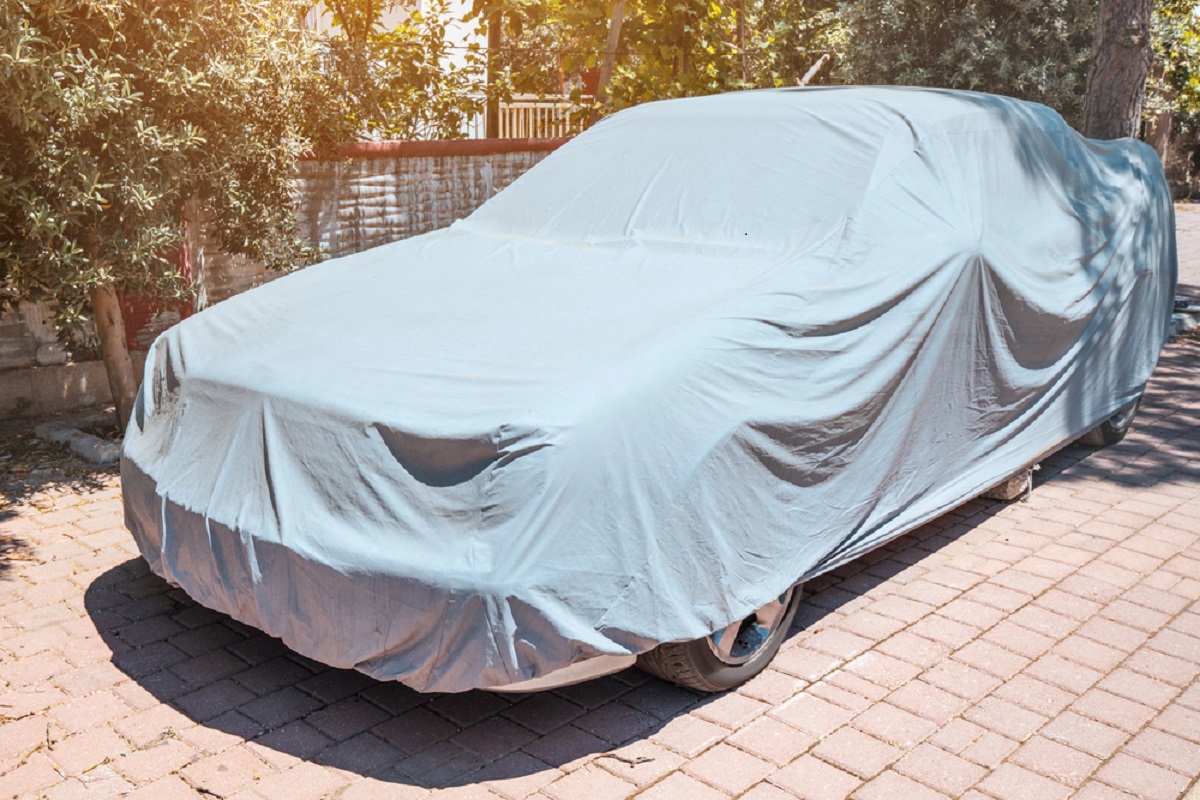
A waterproof car cover acts as a physical barrier between your paint and the elements, especially if you don’t have garage access. Make sure the cover is breathable and fitted properly to avoid trapping moisture underneath. Always use it on a clean, dry car to prevent friction scratches or mildew buildup.
Related: 12 Most Iconic Mercedes Benz Convertibles Ever Built
Clean off Bird Droppings Immediately
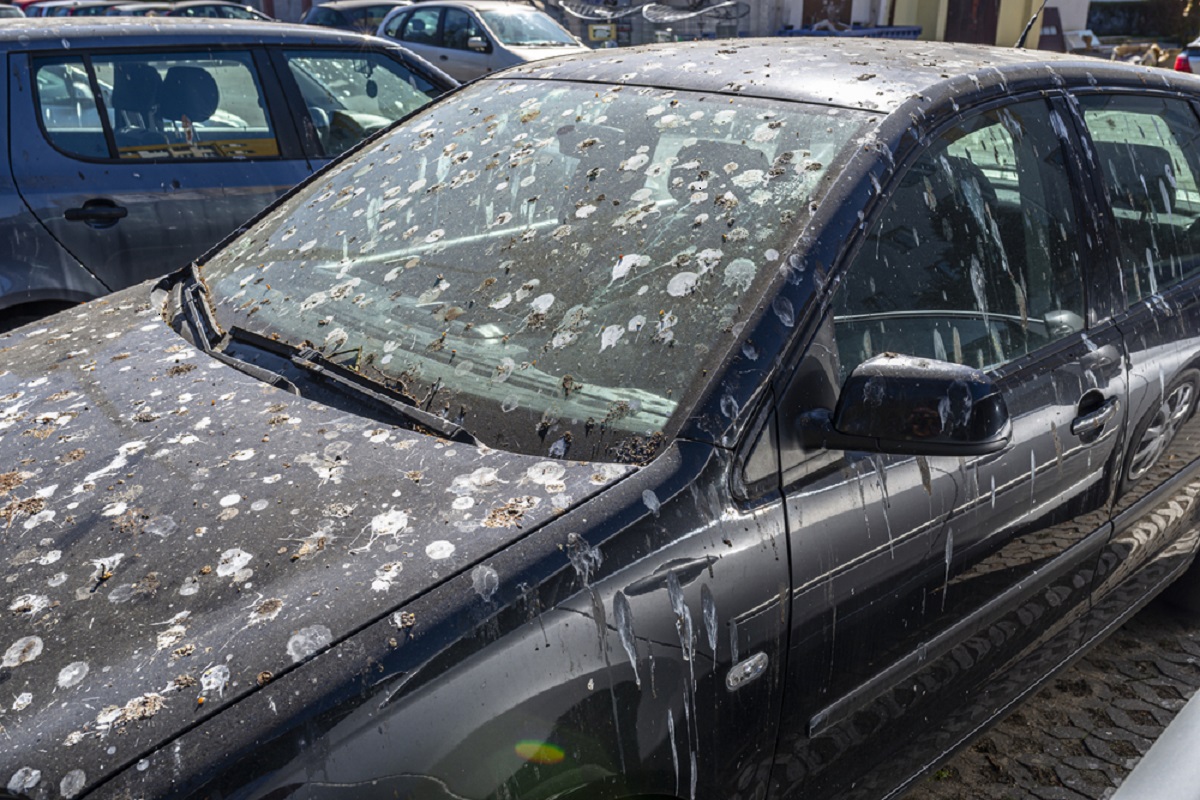
Bird droppings are highly acidic and can quickly eat through wax and paint layers if left unattended for even a short time. During spring, these are more frequent due to increased bird activity and nesting season. Keep a detailing spray and soft microfiber cloth in your car for quick, safe cleanups on the go.
Related: 12 Insane Car Stunts That Defy The Laws Of Physics
Treat Chips and Scratches Right Away

Small chips from road debris allow moisture and contaminants to seep into the paint, eventually causing peeling, rust, or oxidation. Touch-up paint or sealant can stop this progression and restore surface integrity. Prompt repair ensures your paint remains intact, visually appealing, and protected from weather damage.
Related: 13 Ways 3D Printing Is Making Cars Faster, Stronger, And Cheaper
Perform Seasonal Paint Inspections
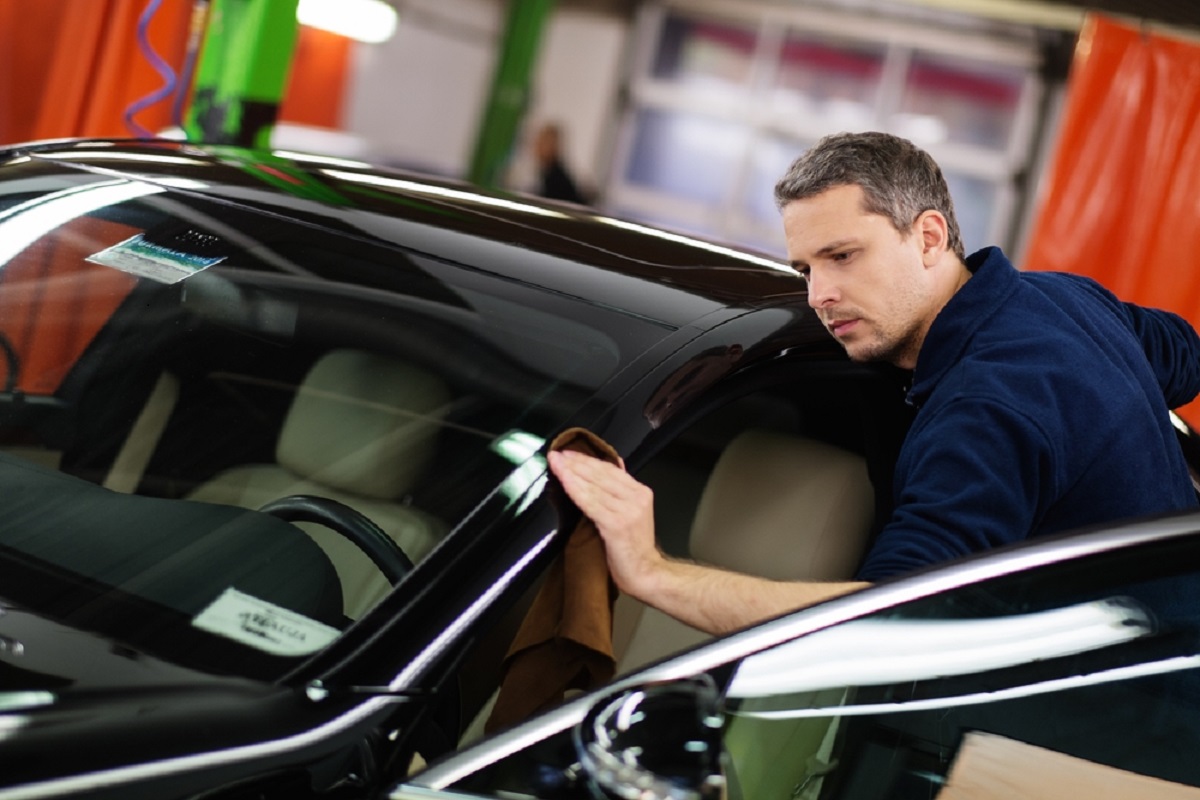
Check your car’s exterior at the start of spring for any signs of wear, fading, or damage from winter conditions. Early detection allows you to take corrective action before small problems turn into costly repairs. Look for dull spots, paint chips, or areas where water no longer beads, these can indicate worn protection.
Related: 15 Jaw-Dropping Monster Trucks That Crush Everything In Their Path
Avoid Automatic Car Washes with Brushes
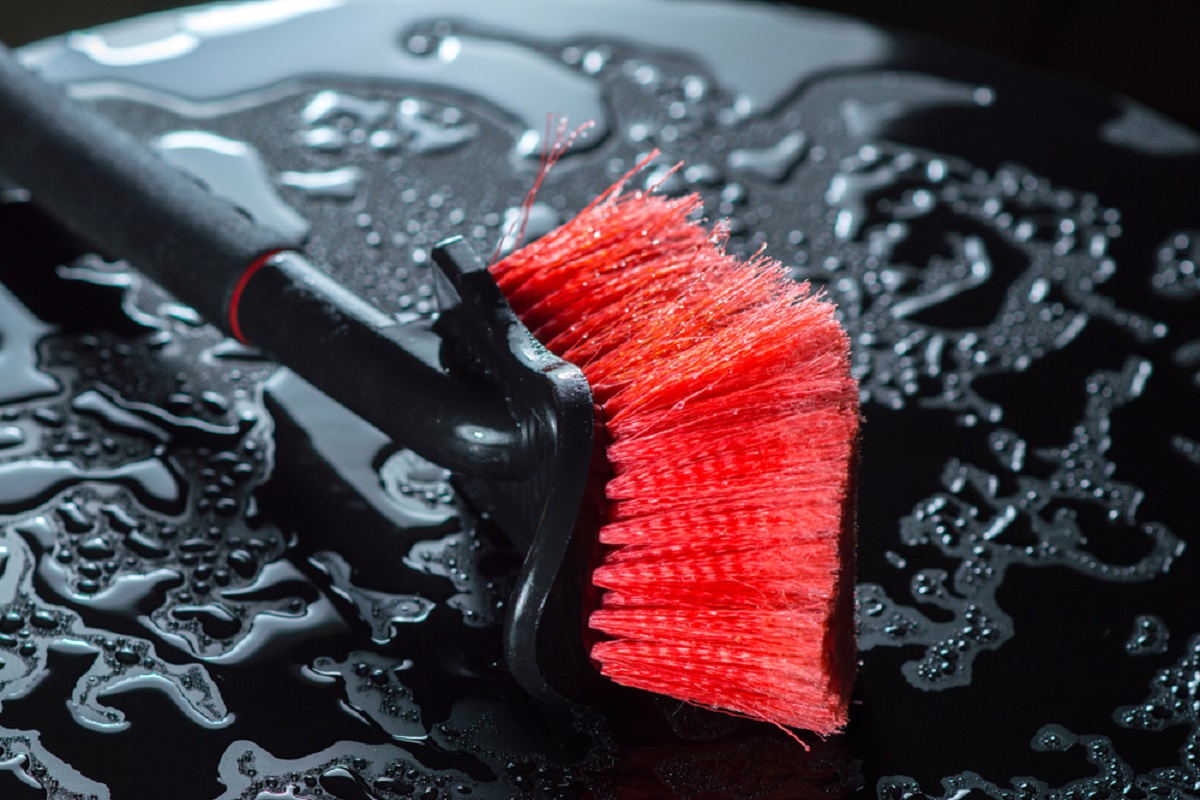
Brush-style car washes can leave micro-scratches and swirl marks on your paint, especially if dirt or grit is embedded in the bristles. These scratches allow water to settle in tiny grooves, causing long-term damage to your vehicle’s finish. Opt for touchless car washes or hand washing with gentle materials instead.
Related: 11 Subaru Models Built To Outlast Anything
Choose Covered Parking Whenever Possible

Garage or covered parking minimizes exposure to rain, tree sap, sun, and airborne pollutants that can degrade your car’s finish. If not available at home, look for covered spaces when running errands, commuting, or parking overnight. Less exposure means reduced maintenance and lower chances of paint damage.
Related: 13 Terrifying Ways Hackers Could Steal Your Car Without Ever Touching It
Install Mud Flaps to Reduce Splash Damage

Mud flaps act as protective shields against water, rocks, and road grime kicked up by your tires during rain. This keeps your paint cleaner and prevents chips, scratches, or rust along lower panels and wheel arches. They are especially helpful during the messy spring season when roads are constantly wet and dirty.
Related: 14 Wild Reasons Millennials And Gen Z Are Obsessed With 90s Cars
Keep Tires and Wheel Wells Clean
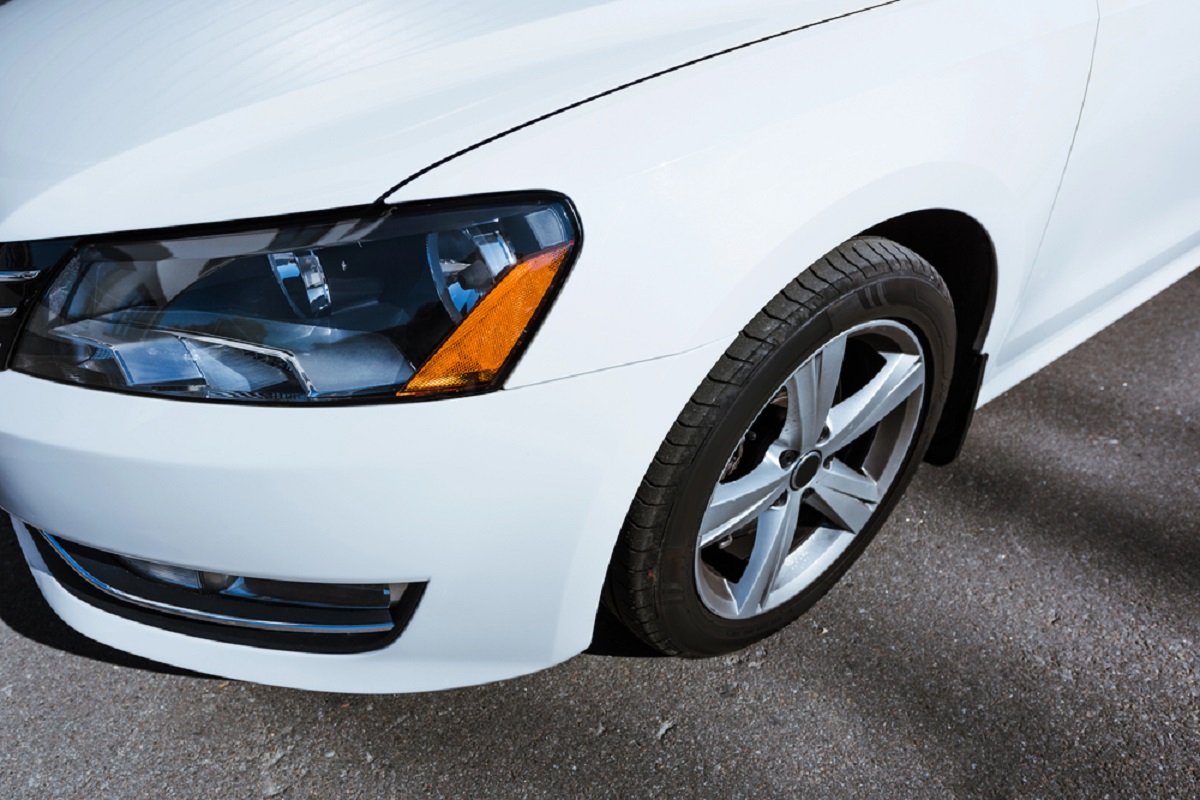
Dirt and grime from tires can be flung onto your car’s sides, especially during rainy conditions or after driving through mud. Cleaning these areas reduces splash-back and prevents buildup that can damage paint over time. Regular maintenance of these often-overlooked zones helps your entire vehicle stay in top condition.
Related: 14 Reasons Manual Transmissions Are Disappearing (And Why Some Drivers Are Fighting Back)
Spring showers don’t have to spell doom for your car’s paint if you take the right precautions. By using protective products like wax and ceramic coating, you can guard your paint from acidic rain and pollutants. Small habits like drying your car, avoiding tree sap, and cleaning off bird droppings go a long way. Proactive care and smart driving choices will not only maintain your car’s appearance but also preserve its value over time. Stay ahead of the weather and make spring a season of shine, not damage.
Disclaimer: This list is solely the author’s opinion based on research and publicly available information.
13 Self-Healing Car Paint That It Finally Becoming A Reality?

Car paint has always been prone to scratches, swirl marks, and environmental wear, but that’s changing. Advances in nanotechnology, polymers, and smart coatings are making self-healing paint a reality. From heat activated finishes to UV responsive coatings, automakers are developing solutions to keep cars looking new. Here are 13 self healing paint technologies that could transform vehicle maintenance.
Read it here: 13 Self-Healing Car Paint That it Finally Becoming a Reality?
13 Ways 3D Printing Is Making Cars Faster, Stronger, And Cheaper

3D printing is revolutionizing the automotive industry, reshaping how cars are designed, manufactured, and maintained. By enabling rapid prototyping, lightweight components, and cost-effective production, this technology is driving innovation at an unprecedented pace. From major automakers to independent startups, 3D printing is unlocking new possibilities that make vehicles faster, stronger, and more affordable. Here’s how it’s transforming the road ahead.
Read it here: 13 Ways 3D Printing Is Making Cars Faster, Stronger, And Cheaper
12 Ways Fashion And Luxury Brands Are Redefining The Future Of Automobiles

Luxury cars and high-end fashion have always shared a deep connection, driven by craftsmanship, exclusivity, and cutting-edge design. Now, top fashion houses and luxury brands are taking their influence even further, shaping the future of automotive interiors, materials, and brand collaborations. From bespoke customization to eco-friendly fabrics, here’s how fashion and luxury are redefining the driving experience today and beyond impressively.
Read it here: 12 Ways Fashion and Luxury Brands Are Redefining the Future of Automobiles
You’ll love these related posts:
- 15 Ways AI Is Turning Old-School Cars Into Fuel-Saving Machines
- 12 Hollywood Stars Who Risked It All With Their Own Car Stunts
- 13 Genius Hacks to Control Your Car Remotely Like a Pro
- 13 Hidden Challenges That Could Decide The Future Of Hydrogen And Electric Cars
- 13 Reasons Why Car Buyers Are Ditching Real Leather For Vegan Interiors