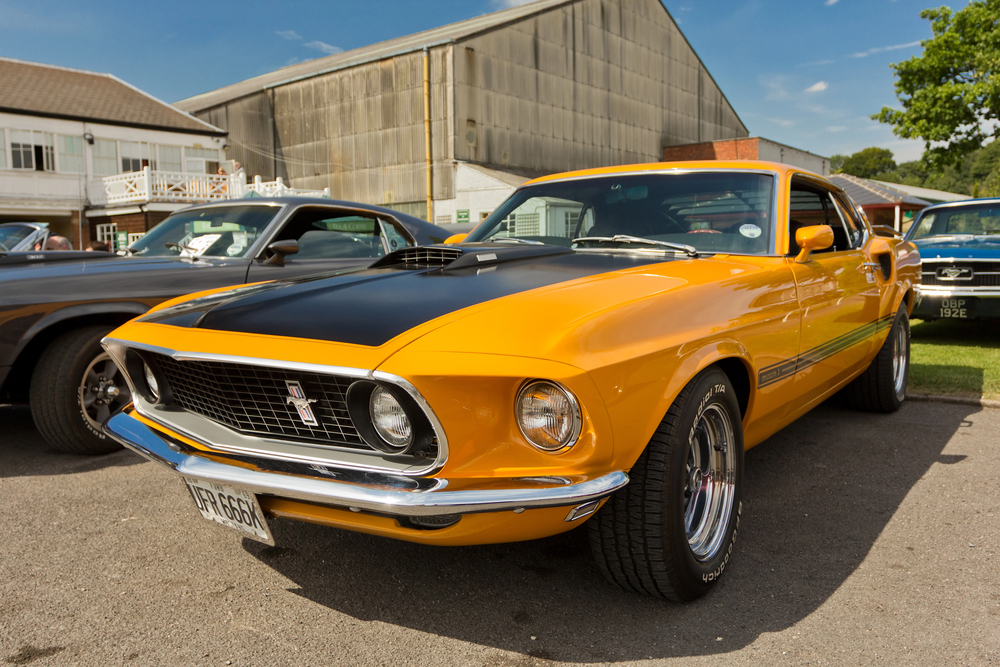
Artificial intelligence is transforming the automotive industry, enhancing not just new electric and self-driving cars but also traditional fuel powered vehicles. AI-driven upgrades improve fuel efficiency, reduce emissions, and boost performance in classic cars. From smart driving assistants to real-time engine optimization, AI helps save fuel without requiring a new vehicle. Here’s how AI is revitalizing old-school cars.
AI-Powered Engine Tuning

AI-based tuning systems analyze driving patterns and engine performance in real-time, making constant adjustments to maximize fuel efficiency. By optimizing air fuel ratios, ignition timing, and throttle response, these systems improve mileage without sacrificing power. This ensures older engines run at peak performance levels with minimal fuel waste and enhanced durability.
Smart Fuel Injection Optimization

Traditional fuel injection systems operate on fixed parameters, but AI-enhanced systems adjust fuel delivery based on real-time driving conditions. This reduces unnecessary fuel consumption, particularly in stop-and-go traffic or highway cruising. The result is smoother engine performance with better mileage, lower emissions, and improved power output.
Predictive Maintenance Alerts
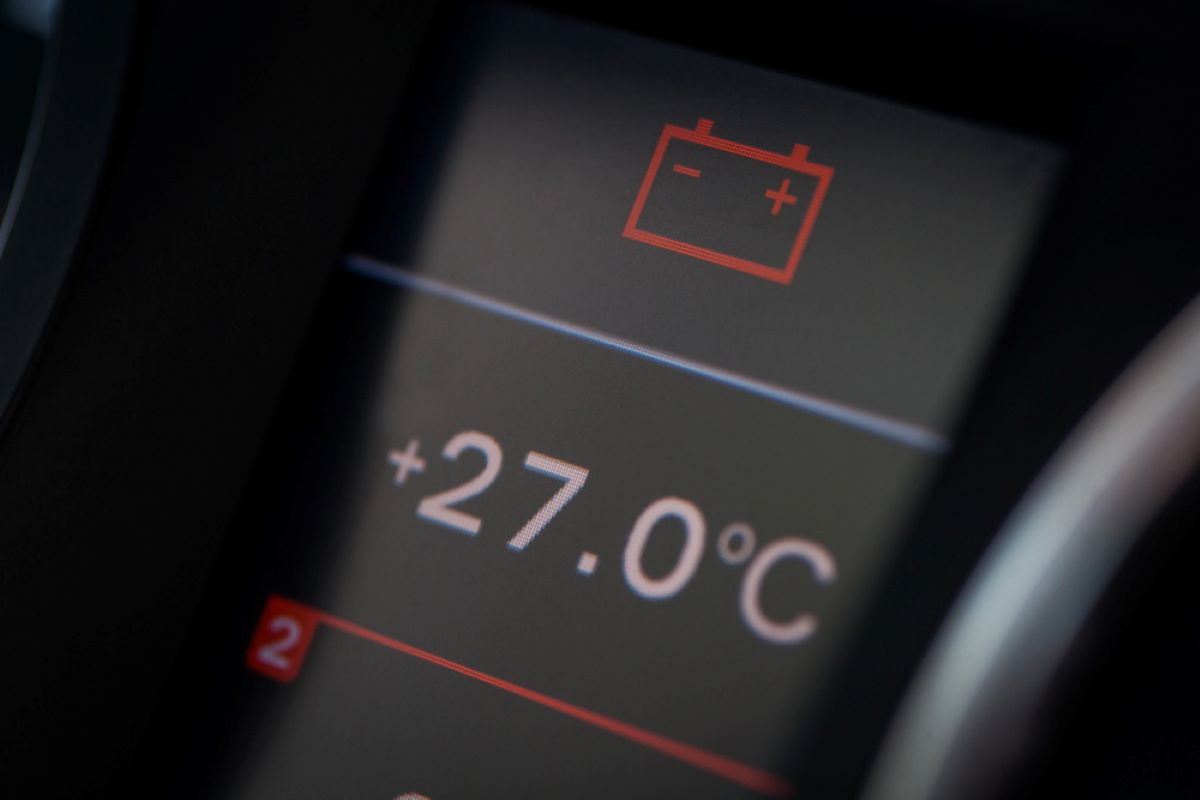
AI-driven diagnostics continuously monitor engine health, predicting potential issues before they become major problems. By detecting early signs of inefficiency, AI helps prevent costly repairs while ensuring the engine runs smoothly. This proactive approach keeps fuel consumption low, vehicle performance high, and unexpected breakdowns minimized.
AI-Enhanced Cruise Control
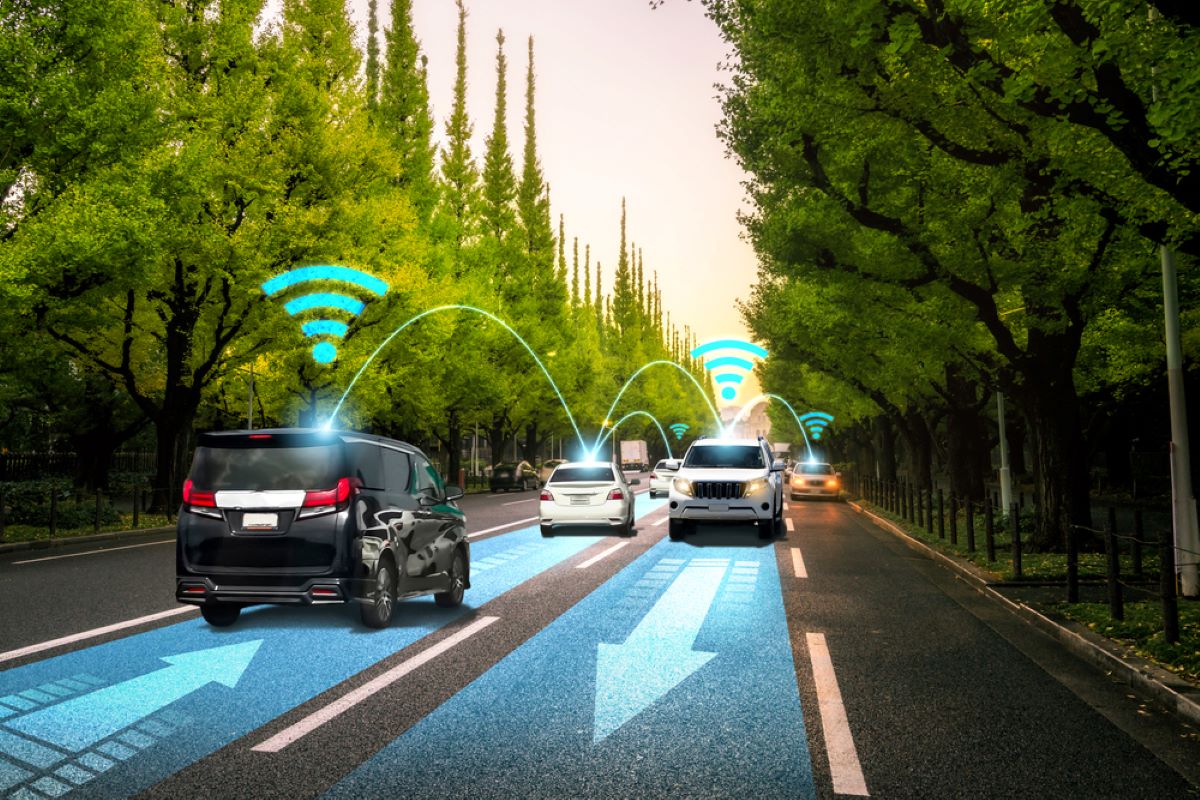
Adaptive cruise control powered by AI adjusts speed more efficiently than human drivers, reducing unnecessary acceleration and braking. This smooth driving style minimizes fuel consumption by maintaining optimal speeds. It’s especially useful for highway driving, where steady speed and minimal braking improve fuel economy.
Related: 12 Shockingly Cheap Cars That Perform Like a Porsche 718
Intelligent Transmission Optimization

AI-powered transmission controllers analyze road conditions and driving habits to select the most efficient gear shifts dynamically. This prevents unnecessary downshifts and reduces fuel-wasting high RPMs, improving overall driving efficiency. The result is a smoother ride with better fuel economy, reduced wear, and enhanced engine longevity.
Related: 15 Classic Cars Turning 50 In 2025
Smart Idle Reduction Systems

AI-controlled stop-start systems prevent unnecessary idling by automatically shutting down the engine when the vehicle is stationary. Unlike traditional systems, AI-powered versions predict stop durations and optimize restart timing. This reduces fuel waste, especially in urban driving conditions with frequent stops at traffic lights.
Related: 12 Gas-Powered Cars That Outshine EVs In Style
Real-Time Traffic Optimization

AI-integrated navigation systems analyze live traffic data to suggest the most fuel-efficient routes. By avoiding congestion, sudden stops, and inefficient detours, these systems help drivers conserve fuel. They also adapt in real-time to changing road conditions, ensuring better efficiency, reduced travel time, and improved mileage.
Related: 11 Ford Bronco Facts Every Owner (and Fan) Needs To Know
Aerodynamic Adjustments for Efficiency

Some AI-enhanced vehicles use active aerodynamic components, like adjustable grille shutters or spoilers, to reduce drag dynamically. By adapting airflow based on driving conditions, these systems optimize fuel economy, especially at higher speeds. This makes even older vehicles more aerodynamically efficient, improving speed, stability, and fuel savings.
Related: 11 Supercars With Designs Inspired By Jets, Rockets, And Sci-Fi
AI-Driven Tire Pressure Monitoring

Underinflated tires increase rolling resistance and reduce fuel efficiency, leading to higher fuel consumption. AI-powered tire monitoring systems provide real-time pressure alerts, ensuring tires remain at optimal inflation levels. By maintaining proper tire pressure, these systems help drivers maximize mileage, improve safety, and extend tire lifespan.
Related: 13 Classic Sports Cars You Can Own Without Constant Repairs
Smart Climate Control Optimization

Running air conditioning or heating inefficiently can waste fuel, affecting mileage and engine efficiency. AI-driven climate control systems manage cooling and heating based on cabin conditions and external temperatures. By adjusting airflow, cooling cycles, and fan speed, these systems minimize fuel consumption while keeping passengers comfortable.
Related: 12 Insider Tips Every Toyota Highlander Owner Should Know
AI-Assisted Hybrid Conversions

Some aftermarket AI-driven hybrid kits allow older cars to switch between fuel and electric power efficiently. AI manages the transition between power sources, optimizing energy use based on real-time driving needs. This makes hybridization accessible even for classic car owners, increasing fuel savings, efficiency, and sustainability.
Related: 12 Corvette Competitors That Are Bringing The Heat In 2026
Regenerative Braking Assistance

AI-powered braking systems help traditional vehicles recover energy typically lost during braking by reusing kinetic energy. While commonly found in hybrids and EVs, AI-assisted regenerative braking can also be integrated into conventional cars. This reduces wear and tear on brake components while saving fuel and extending engine lifespan.
Related: 12 Honda Cars That Are Set To Dominate The Roads In 2025
Intelligent Fuel Additive Management

AI systems analyze fuel quality, driving conditions, and engine performance, recommending or controlling additive use for maximum efficiency. By optimizing fuel combustion through proper additives, these systems enhance power output while reducing unnecessary fuel burn. This keeps the engine running cleaner, smoother, and more efficiently.
Related: 11 Must-Know Tire Buying Tips That Every Driver Should Read
Real-Time Cylinder Deactivation
AI-driven cylinder deactivation systems shut off unused cylinders when full engine power isn’t needed, such as during highway cruising. This reduces fuel consumption without affecting acceleration or driving performance. Older cars can be retrofitted with this technology to improve fuel efficiency, longevity, and sustainability.
Related: 12 Underrated Japanese Cars That Just Won’t Die
AI-Enhanced Driving Mode Selection

Many modern cars offer eco-driving modes, but AI takes this further by adjusting settings dynamically based on conditions. It can switch between sport, eco, or normal modes automatically, ensuring fuel efficiency and power balance. This allows vehicles to adapt seamlessly, maximizing fuel savings in all driving conditions.
Related: 12 Stunning Volkswagens That Redefined Style And Performance
AI is enhancing fuel-powered cars without full electrification. From predictive maintenance to smart driving assistance, these technologies cut fuel use, lower costs, and extend longevity. As AI advances, even older cars gain eco-friendly performance without major changes. The future of driving is greener and more efficient.
Disclaimer: This list is solely the author’s opinion based on research and publicly available information.
13 Game-Changing Cars in 2025 That Look Straight Out Of The Future

Automakers are pushing boundaries in 2025, delivering futuristic designs, cutting-edge technology, and groundbreaking performance. From electric hypercars with spaceship-like aerodynamics to AI-driven autonomous vehicles, these cars feel like they belong in a sci-fi movie. Whether redefining luxury, speed, or sustainability, they showcase the next evolution of automotive innovation. Here are 13 game-changing cars that look straight out of the future.
Read it here: 13 Game-Changing Cars in 2025 That Look Straight Out Of The Future
Luxury Electric Sedans: Which One Reigns Supreme?

Luxury electric sedans offer top-tier performance, advanced technology, and premium comfort. Automakers are pushing boundaries with cutting-edge design, high-end interiors, and impressive range. With so many options on the market, choosing the best one can be challenging. Here’s how today’s top luxury EVs compare.
Read it here: Luxury Electric Sedans: Which One Reigns Supreme?
15 Driving Mistakes That Secretly Drain Your Gas Tank
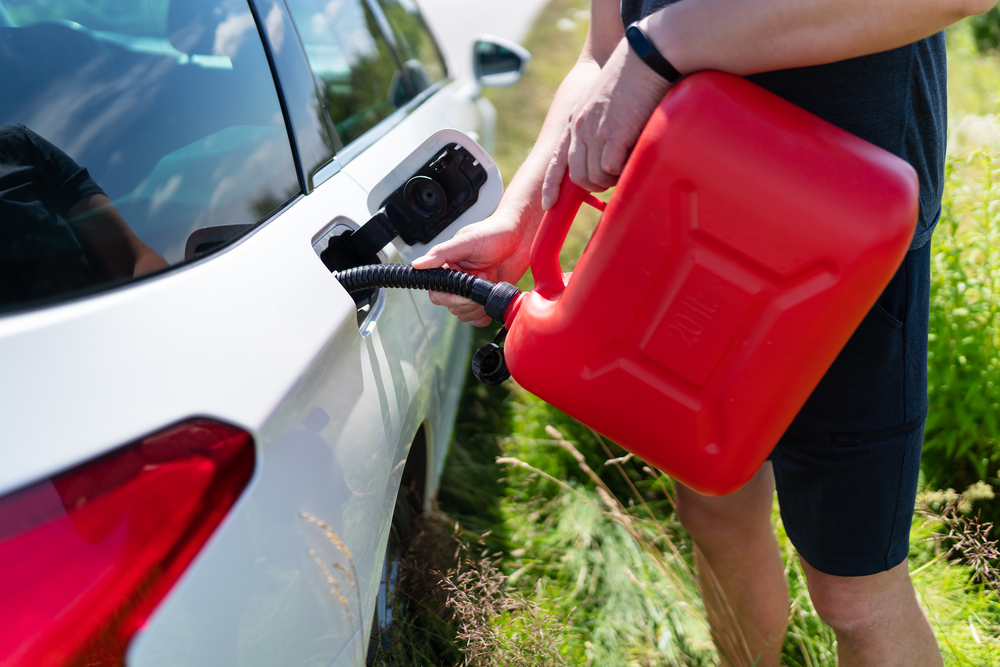
If you’re constantly refueling sooner than expected, you might be making simple driving mistakes that drain your gas tank. Poor habits like aggressive driving, idling too long, or ignoring maintenance can significantly impact your fuel economy. Fixing these bad habits will not only save you money but also reduce wear on your vehicle. Let’s go over 15 common mistakes that are costing you at the pump.
Read it here: 15 Driving Mistakes That Secretly Drain Your Gas Tank
You’ll love these related posts: