Spring rain showers bring more than just blooming flowers; they also create hazardous road conditions that many drivers underestimate. Wet roads, reduced visibility, and hydroplaning risks make rainy spring weather one of the most challenging times to drive safely. Even experienced drivers can make critical mistakes that lead to accidents, costly repairs, or worse, life-threatening situations. Understanding the most common mistakes and how to avoid them can make all the difference in staying safe on the road.
Driving Too Fast for Wet Conditions
Many drivers underestimate how slick the road becomes after even a light rain, leading them to maintain normal highway speeds. Water reduces tire traction, increasing the likelihood of hydroplaning and making sudden stops dangerous. Slowing down and allowing extra stopping distance can prevent losing control of your vehicle on wet surfaces.
Ignoring Worn-Out Tires

Bald or underinflated tires drastically reduce grip on wet roads, making it difficult to steer or brake effectively. Drivers who neglect regular tire maintenance put themselves at higher risk of skidding or hydroplaning in rainy conditions. Checking tread depth and tire pressure regularly ensures better traction and safer handling in wet weather.
Not Using Headlights in Low Visibility

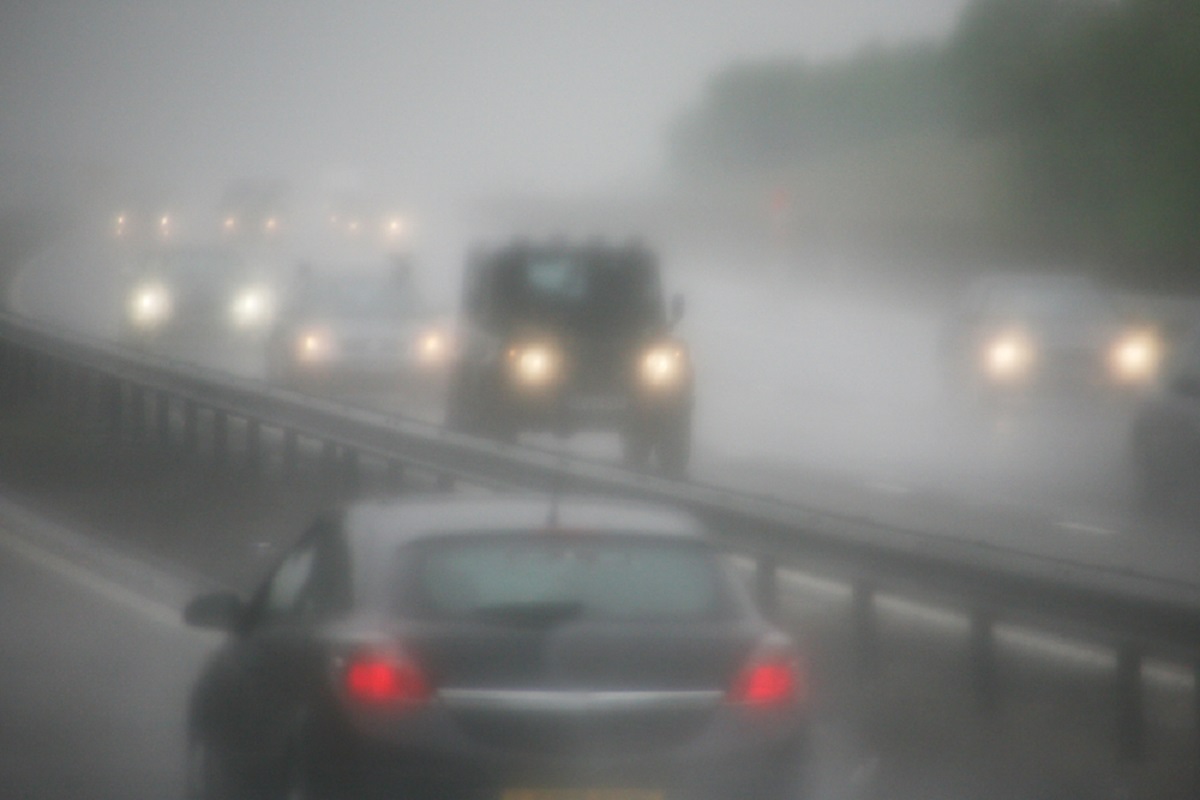
Many drivers fail to turn on their headlights during heavy rain, making their vehicles harder to see. Even in daylight, rain reduces visibility for all drivers, increasing the risk of collisions. Using headlights not only helps you see the road better but also makes your car more visible to others, enhancing overall road safety.
Tailgating in Heavy Rainfall

Following too closely in wet conditions significantly increases the risk of rear-end collisions. Wet roads double the stopping distance needed to slow down safely, making it crucial to leave more space between vehicles. Keeping a greater following distance allows drivers more time to react and brake safely.
Related: 11 Classic Cars That Resemble Hatchbacks But Aren’t
Braking Suddenly Instead of Easing Off the Gas

Slamming on the brakes in rainy weather can cause your car to skid uncontrollably. Instead, drivers should ease off the accelerator and apply steady, gentle pressure to the brakes to maintain traction. Practicing controlled braking helps prevent hydroplaning and keeps the vehicle stable on wet roads.
Related: 11 Capri Prototypes That Never Saw The Light Of Day
Using Cruise Control in the Rain
Cruise control is convenient for dry conditions but can be extremely dangerous in wet weather. If your car hydroplanes while cruise control is engaged, it can accelerate unexpectedly and cause a loss of control. Turning off cruise control and manually adjusting speed helps drivers stay in better command of their vehicles.
Related: 13 Throwback Cars That Revived Classic Designs
Failing to Replace Worn Wiper Blades

Worn-out wiper blades reduce visibility by leaving streaks and smudges on the windshield. Many drivers overlook the importance of clear visibility in heavy rain, making it difficult to react to road hazards. Replacing wipers every six to twelve months ensures they work effectively during downpours.
Related: 14 Fascinating Fiat Cars That Never Made It to Showrooms
Driving Through Deep Puddles Without Caution
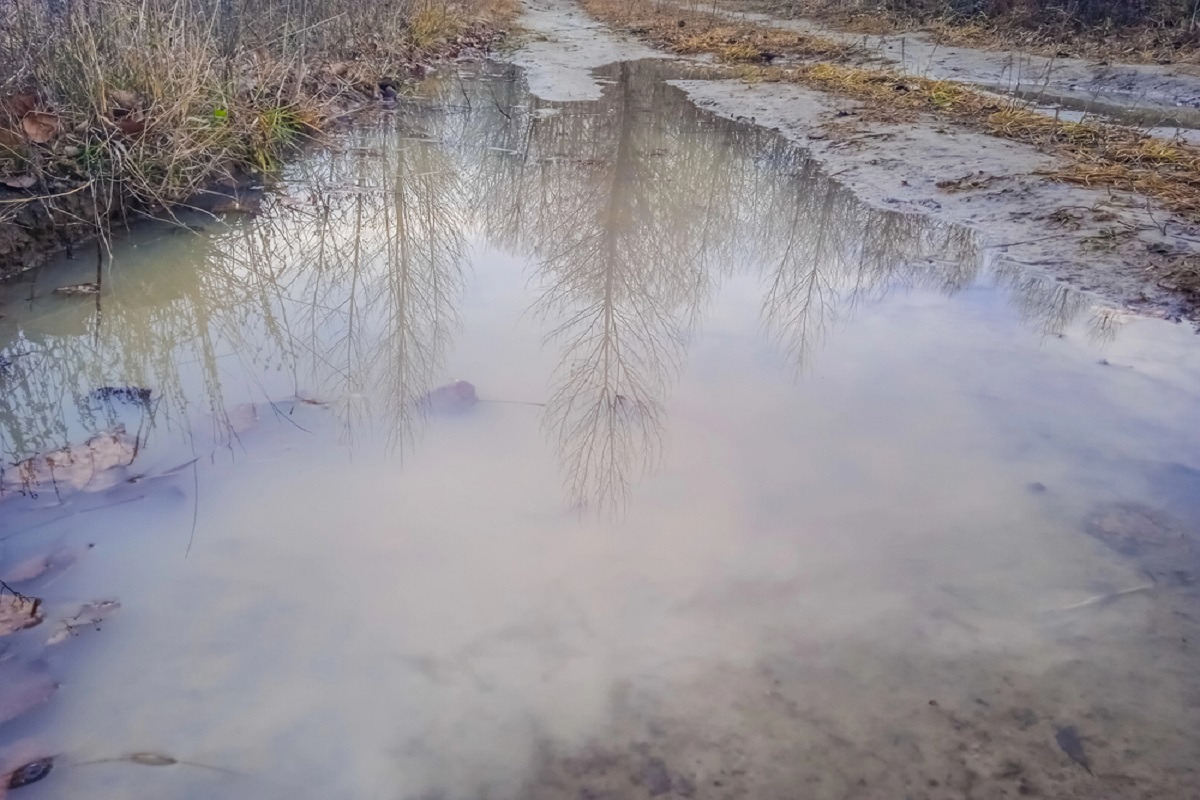
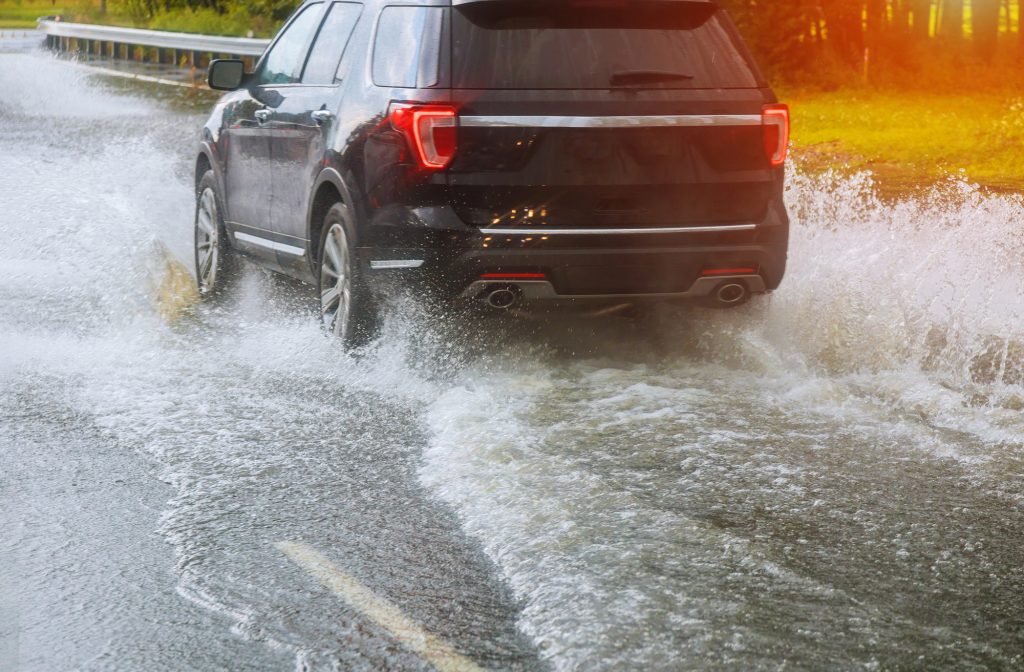
Puddles may seem harmless, but they can hide potholes, debris, or deep water that can flood your engine. Driving through standing water at high speed can also cause hydroplaning, leading to loss of vehicle control. It’s best to slow down and assess puddles carefully before driving through them.
Related: The Best And Worst Cars In 007 History
Failing to Adjust Driving Style for Spring Rain

Some drivers assume that normal driving habits will work just as well in rainy conditions as they do on dry roads. However, wet pavement changes how vehicles handle, requiring smoother steering, slower speeds, and gentler braking. Adjusting your driving approach to match road conditions can mean the difference between a safe trip and a dangerous accident.
Related: 11 Insane Camper Van Makeovers That Will Blow Your Mind
Not Cleaning Windshield and Headlights Regularly

Dirty windshields and fogged-up headlights reduce visibility significantly in wet conditions. Many drivers neglect to clean their car’s exterior, which can impair their ability to see and be seen by others. Regularly wiping down windows, mirrors, and headlights ensures maximum visibility on rainy days.
Related: 11 Most Underrated American Pickup Trucks You Shouldn’t Ignore
Driving Through Flooded Roads
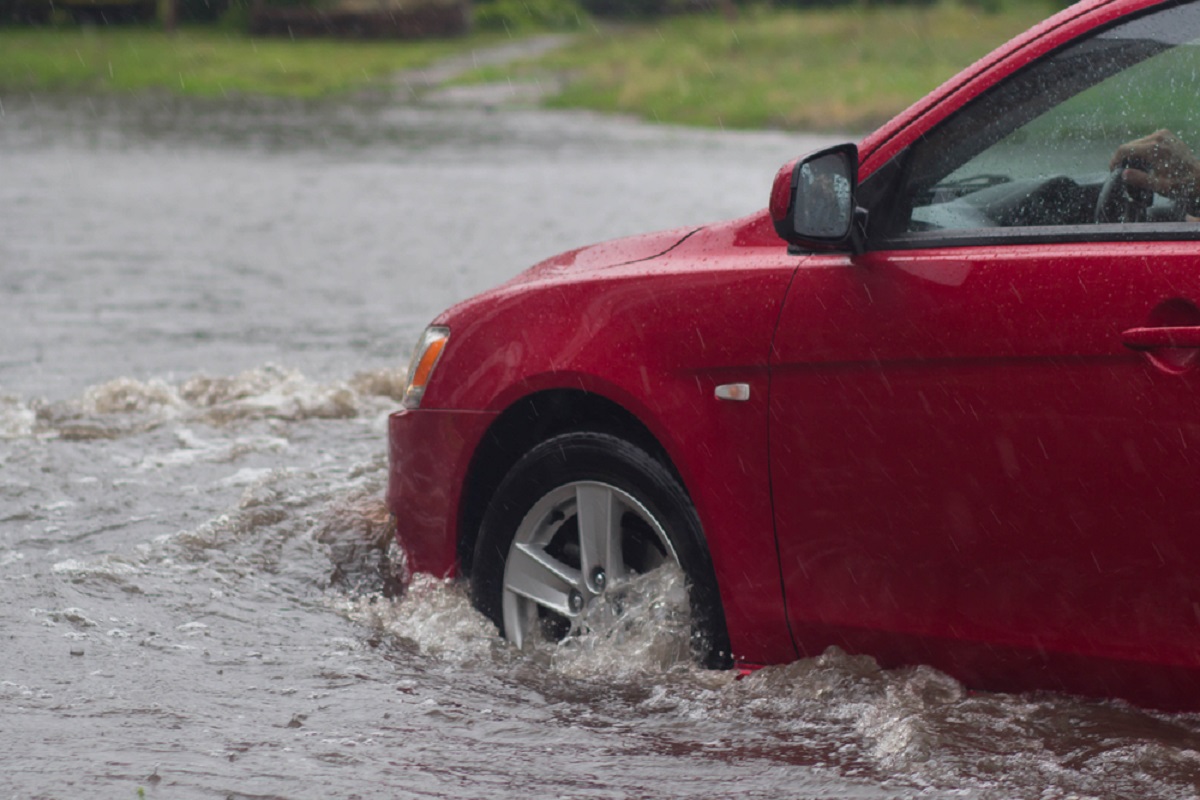
Attempting to drive through flooded roads is one of the most dangerous mistakes a driver can make. Just a few inches of water can cause a car to stall, while deeper water can sweep vehicles away. If in doubt, turning around and finding an alternate route is always the safest choice.
Related: 11 Fastest Buicks Ever Built That Will Blow Your Mind
Underestimating the Power of Wind Gusts

Spring storms often bring strong winds that can push vehicles off course, especially high-profile vehicles like trucks and SUVs. Failing to account for wind gusts when driving in heavy rain can make maintaining control difficult. Keeping both hands on the wheel and reducing speed can help counteract sudden wind shifts.
Related: 11 Startling Reasons People Still Don’t Trust Self-Driving Cars
Rainy spring roads can be treacherous, but avoiding these common mistakes will help keep you and other drivers safe. Slowing down, increasing following distance, and maintaining your vehicle properly are key ways to reduce risks in wet conditions. Always stay prepared by checking the weather and adjusting your driving habits accordingly. Taking extra precautions will not only protect you but also make the roads safer for everyone. With these tips in mind, you can confidently navigate rainy spring roads and arrive safely at your destination.
Disclaimer: This list is solely the author’s opinion based on research and publicly available information.
13 SUVs That Passed Crash Tests With Flying Colors

Safety is a top priority for SUV buyers, and some models have proven their worth by excelling in crash tests. These SUVs combine advanced safety features, strong structural integrity, and excellent crash-test ratings to ensure maximum protection for passengers. Organizations like the IIHS and NHTSA conduct rigorous testing to evaluate vehicle safety, and the SUVs on this list have passed with top marks. Here are 13 SUVs that offer exceptional safety and peace of mind.
Read it here: 13 SUVs That Passed Crash Tests With Flying Colors
12 Smart And Costly Mistakes To Avoid When Pulled Over By The Police

Getting pulled over by the police can be a stressful experience, and the way you handle it can greatly impact the outcome. Many drivers unknowingly make mistakes that escalate the situation, resulting in fines, tickets, or even arrests. Understanding what to do, and what not to do can help you stay calm, avoid unnecessary trouble, and ensure the interaction goes as smoothly as possible. Below are 12 crucial mistakes to avoid when you see those flashing lights in your rearview mirror.
Read it here: 12 Smart And Costly Mistakes To Avoid When Pulled Over By The Police
15 Cruise Control Mistakes That Put You at Risk on the Highway

Driving isn’t just about getting from point A to point B, it’s about doing it safely, efficiently, and with confidence. Whether you’re a new driver or a seasoned pro, knowing essential car basics can save you time, money, and stress. From routine maintenance to handling emergencies, these 15 auto essentials will help you become a smarter, more responsible driver. Let’s hit the road with knowledge on your side!
Read it here: 15 Cruise Control Mistakes That Put You at Risk on the Highway