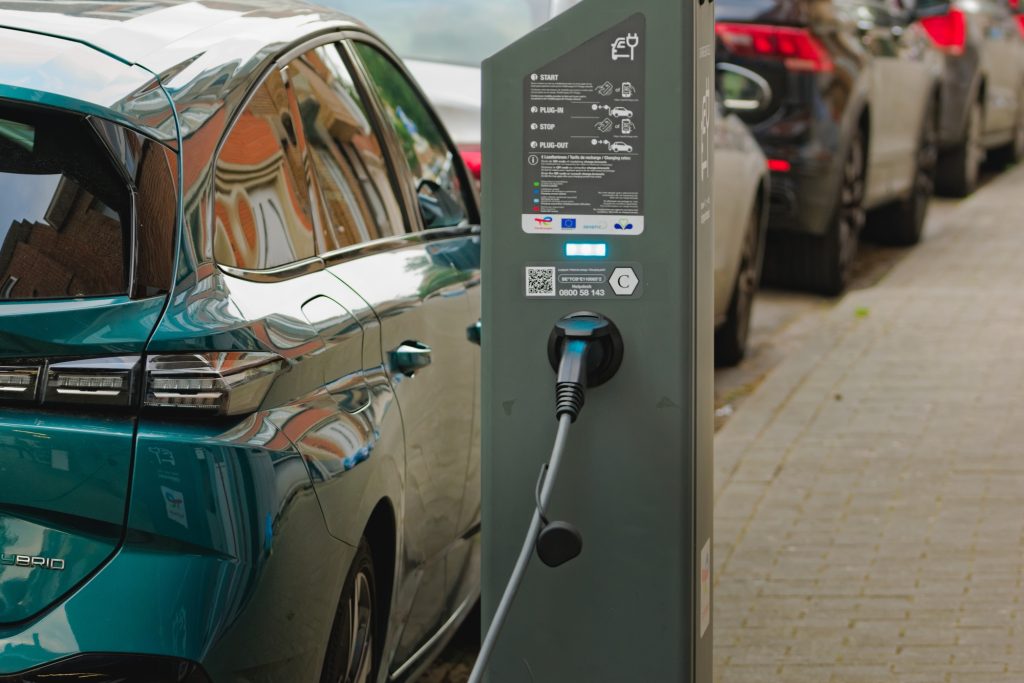
The race for sustainable transportation is heating up, with hydrogen fuel cell (FCEVs) and electric vehicles (EVs) positioned as the future of mobility. While each offers unique benefits, both face hurdles that could determine long-term viability. From infrastructure limitations to production costs and regulations, these challenges will shape the future of clean transportation. Here’s a look at hidden obstacles that could impact hydrogen and electric cars.
High Production Costs Remain a Barrier
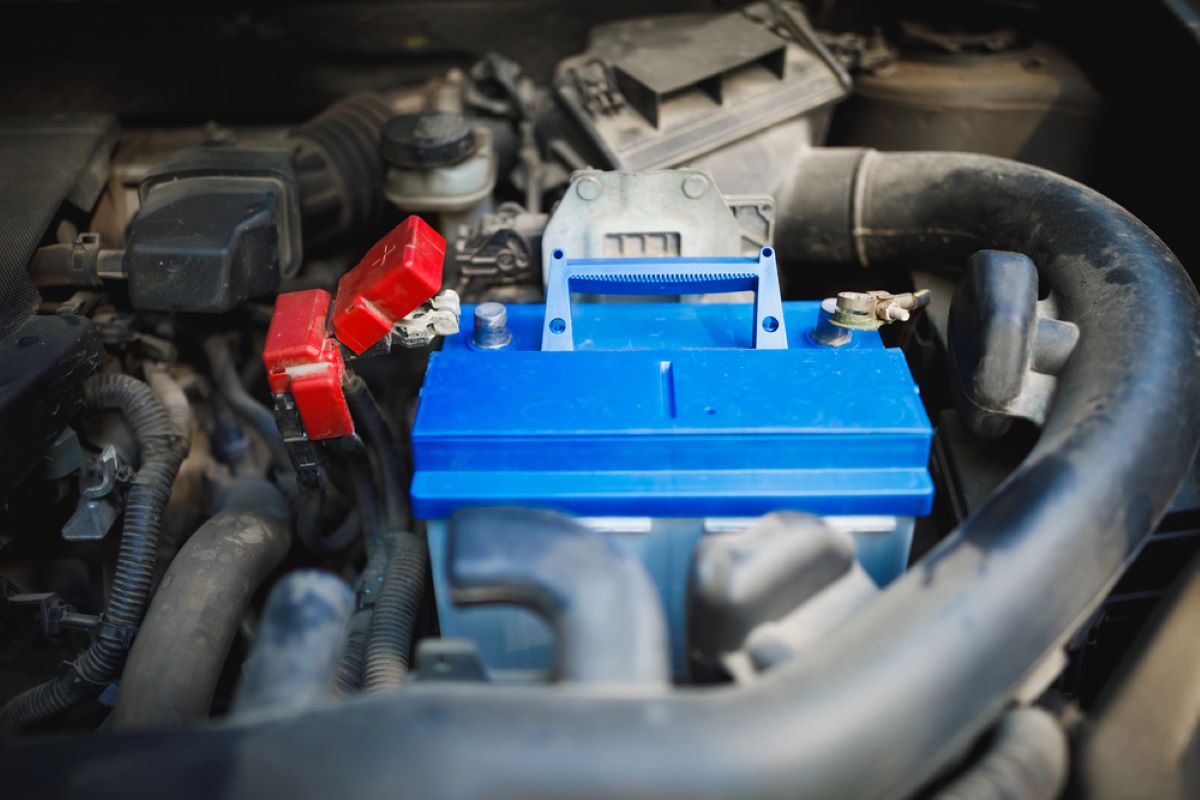
Manufacturing hydrogen fuel cells and advanced EV batteries requires expensive raw materials and complex production processes. These high costs make hydrogen vehicles and long-range EVs less accessible to mainstream buyers worldwide. Until production becomes more affordable, widespread adoption will remain slow and inconsistent for both sectors.
Charging and Refueling Infrastructure Gaps Exist

EV charging stations are expanding, but hydrogen refueling stations remain scarce, limiting convenience for potential buyers. A strong infrastructure is necessary for mass adoption, but building it requires time, investment, and government support. Without extensive networks, both technologies will struggle to replace gasoline cars entirely.
Energy Efficiency Differences Between Technologies

Hydrogen fuel cells lose more energy in production and storage than battery-electric powertrains, raising concerns about efficiency. EVs convert more energy directly into motion, making them more efficient for daily use. However, hydrogen remains a viable option for heavy-duty transport, aviation, and industrial applications globally.
Raw Material Availability and Mining Impact

EV batteries rely on lithium, cobalt, and nickel, which are finite resources with ethical and environmental concerns. Mining for these materials causes deforestation, pollution, and human rights violations, especially in developing countries. Hydrogen technology also depends on scarce platinum catalysts, adding to sustainability concerns significantly.
Related: 12 Shockingly Cheap Cars That Perform Like a Porsche 718
Grid Capacity and Power Demand Issues
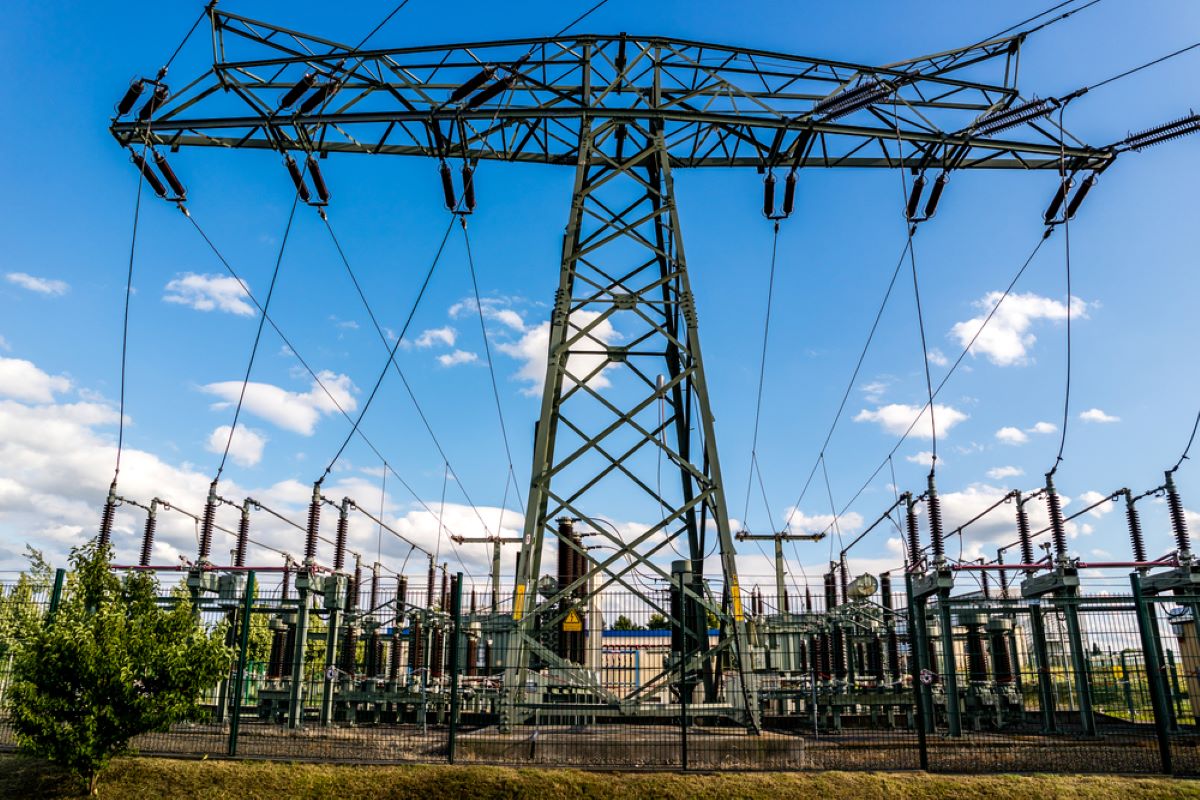
Widespread EV adoption increases electricity demand, potentially straining aging power grids in major cities worldwide. Hydrogen production requires vast amounts of energy, which could further stress global power supplies. Without upgrades to energy infrastructure, neither technology will reach full market potential.
Related: 15 Classic Cars Turning 50 In 2025
Consumer Perception and Market Hesitation

Many drivers still view hydrogen and electric cars as expensive, inconvenient, or technologically unproven for long-term use. Skepticism about battery longevity, resale value, and repair costs affects consumer confidence. Automakers must address these concerns through education, marketing, and technological advancements.
Related: 12 Gas-Powered Cars That Outshine EVs In Style
Limited Hydrogen Production from Renewable Sources
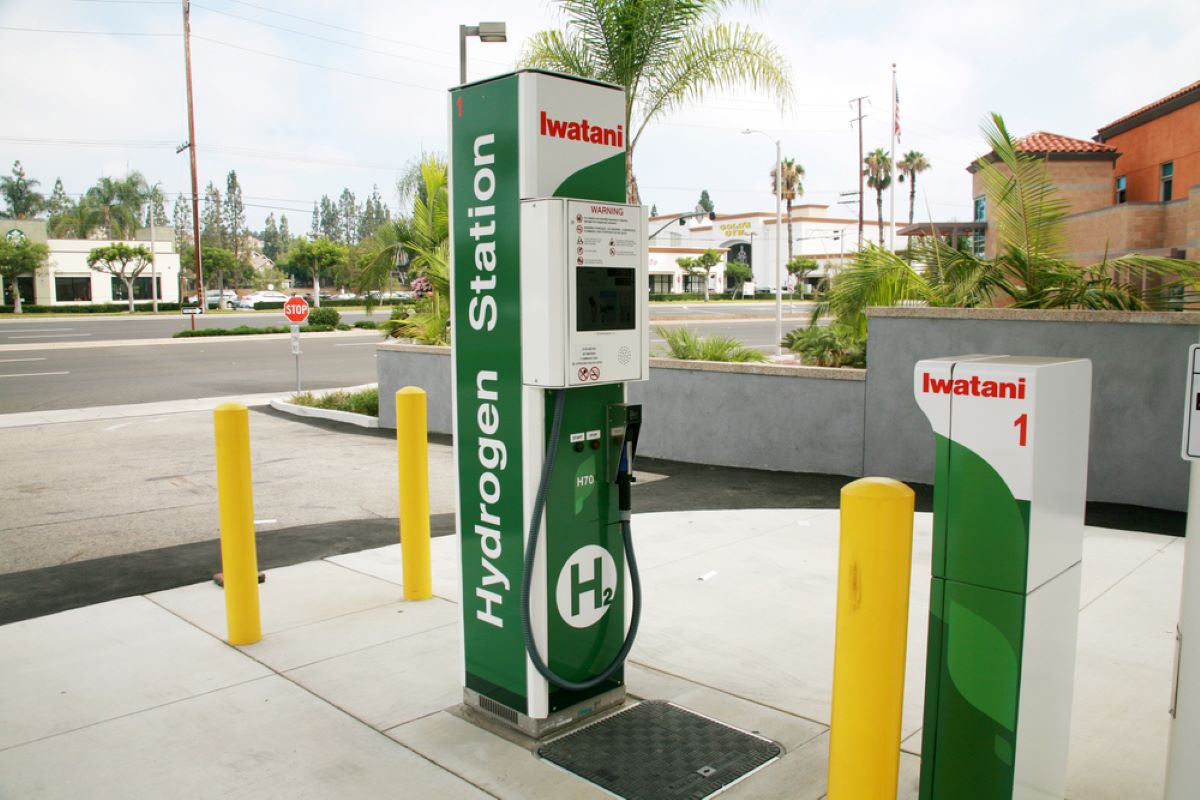
Most hydrogen today is produced using fossil fuels, undermining its environmental benefits as a clean energy source. Green hydrogen made from renewable energy is still expensive and difficult to scale up effectively. Without a shift to sustainable production methods, hydrogen won’t compete with battery-electric solutions.
Related: 11 Ford Bronco Facts Every Owner (and Fan) Needs To Know
Government Policies and Incentive Uncertainty

Subsidies, tax credits, and emissions regulations heavily influence the adoption of hydrogen and electric cars. However, shifting political landscapes create uncertainty for automakers and consumers worldwide. A consistent, long-term policy framework is crucial for sustainable growth and investment in clean energy.
Related: 11 Supercars With Designs Inspired By Jets, Rockets, And Sci-Fi
Hydrogen Storage and Transportation Complexities

Hydrogen must be stored under high pressure or at extremely low temperatures, making transportation costly and challenging. These storage difficulties add complexity to refueling station infrastructure and vehicle design. Until storage becomes more practical, hydrogen’s adoption in passenger cars will remain slow.
Related: 13 Classic Sports Cars You Can Own Without Constant Repairs
Slow Adoption by Commercial Fleets

Many companies hesitate to transition their fleets to hydrogen or electric due to high upfront costs and limited infrastructure. Businesses prioritize reliability and cost-effectiveness, making traditional fuel-powered fleets the safer choice for now. Until these technologies prove more economically viable, adoption will remain gradual.
Related: 12 Insider Tips Every Toyota Highlander Owner Should Know
Cold Weather Performance Concerns Exist

EV batteries lose efficiency in cold temperatures, reducing range and charging speed significantly. Hydrogen fuel cells also face issues with freezing conditions, making them less reliable in extreme climates. Automakers must continue developing solutions to improve year round performance for consumers worldwide.
Related: 12 Corvette Competitors That Are Bringing The Heat In 2026
Competition from E-Fuels and Hybrid Cars
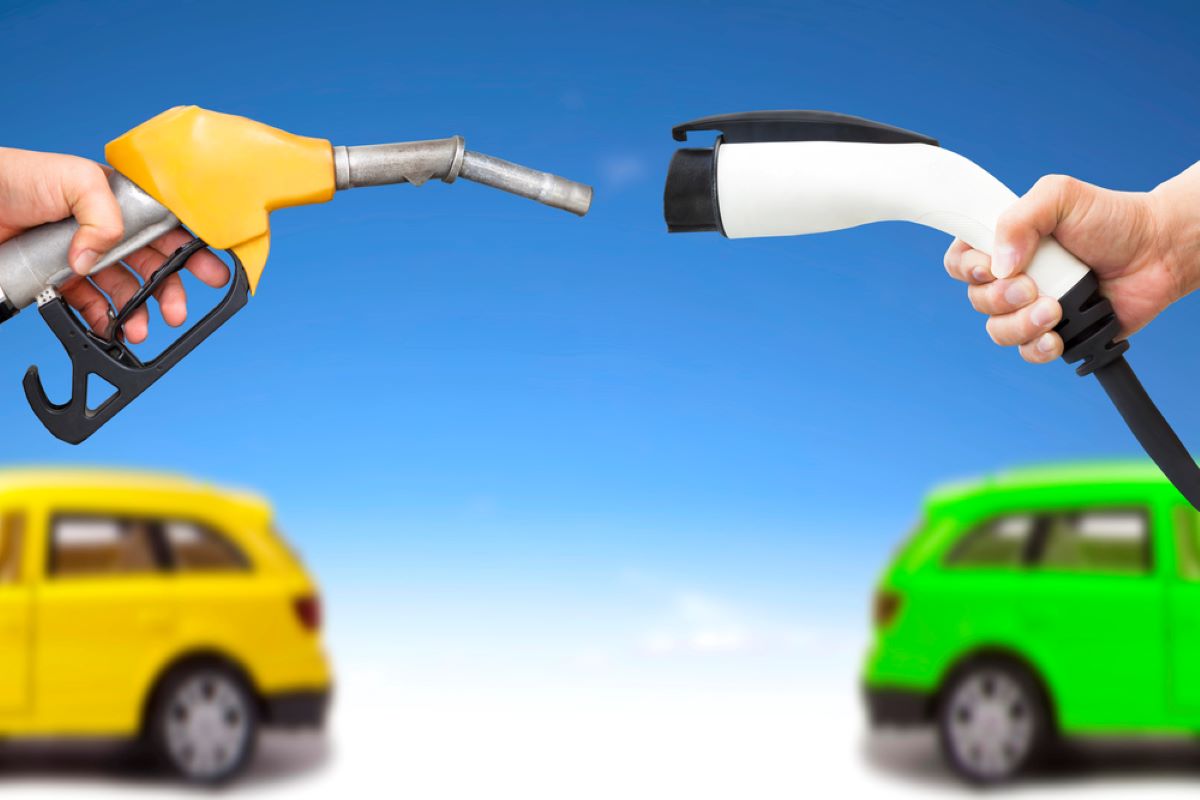
Synthetic fuels (e-fuels) and plug-in hybrid vehicles offer alternatives that extend the life of combustion engines. These technologies provide lower emissions without requiring drastic infrastructure changes. If advancements continue, they could slow down the transition to fully electric and hydrogen-powered transportation.
Related: 12 Honda Cars That Are Set To Dominate The Roads In 2025
Automaker Investment Uncertainty Remains High

While many automakers are committing to hydrogen and EV development, some remain cautious about long-term profitability. Investing in new technologies is risky, especially when market demand is still evolving. Companies must balance financial sustainability with the push for cleaner transportation.
Related: 11 Must-Know Tire Buying Tips That Every Driver Should Read
Hydrogen and electric cars offer promising solutions for a greener future, but they face significant challenges that could shape their long-term success. While EVs currently lead in adoption, hydrogen still holds potential for sectors like trucking and aviation. Addressing these hidden challenges will determine how quickly clean transportation becomes the global standard.
Disclaimer: This list is solely the author’s opinion based on research and publicly available information.
12 Alternative Fuels That Could Make Gas Cars Obsolete

As the world shifts toward sustainability, alternative fuels are gaining traction as viable replacements for gasoline. These fuels promise lower emissions, increased efficiency, and reduced dependence on fossil fuels, paving the way for a cleaner transportation future. Here are 12 alternative fuels that could eventually render gas-powered cars obsolete.
Read it here: 12 Alternative Fuels That Could Make Gas Cars Obsolete
Luxury Electric Sedans: Which One Reigns Supreme?

Luxury electric sedans offer top-tier performance, advanced technology, and premium comfort. Automakers are pushing boundaries with cutting-edge design, high-end interiors, and impressive range. With so many options on the market, choosing the best one can be challenging. Here’s how today’s top luxury EVs compare.
Read it here: Luxury Electric Sedans: Which One Reigns Supreme?
13 Most Recalled Cars Of The Last Decade

Vehicle recalls are a major concern for both manufacturers and consumers, as they indicate potential safety or mechanical issues. Over the past decade, some cars have been recalled more frequently than others due to persistent defects. These recalls range from minor software glitches to serious safety hazards, affecting millions of drivers worldwide. Here are 13 of the most recalled cars from the last ten years.
Read it here: 13 Most Recalled Cars Of The Last Decade
You’ll love these related posts: