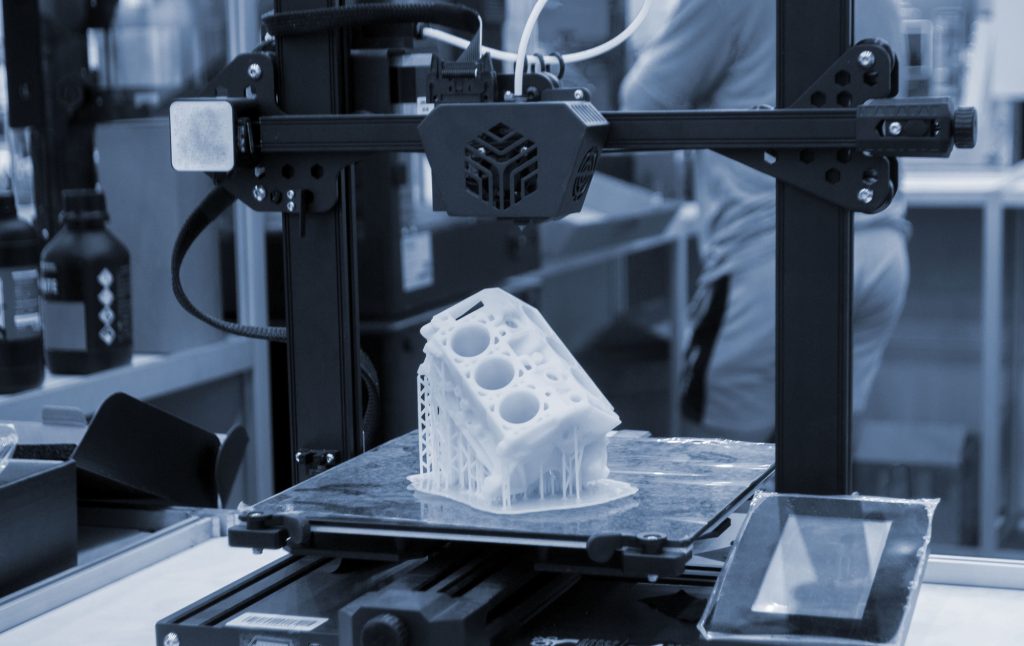
3D printing is revolutionizing the automotive industry, reshaping how cars are designed, manufactured, and maintained. By enabling rapid prototyping, lightweight components, and cost-effective production, this technology is driving innovation at an unprecedented pace. From major automakers to independent startups, 3D printing is unlocking new possibilities that make vehicles faster, stronger, and more affordable. Here’s how it’s transforming the road ahead.
Lightweight Parts Improve Speed and Efficiency
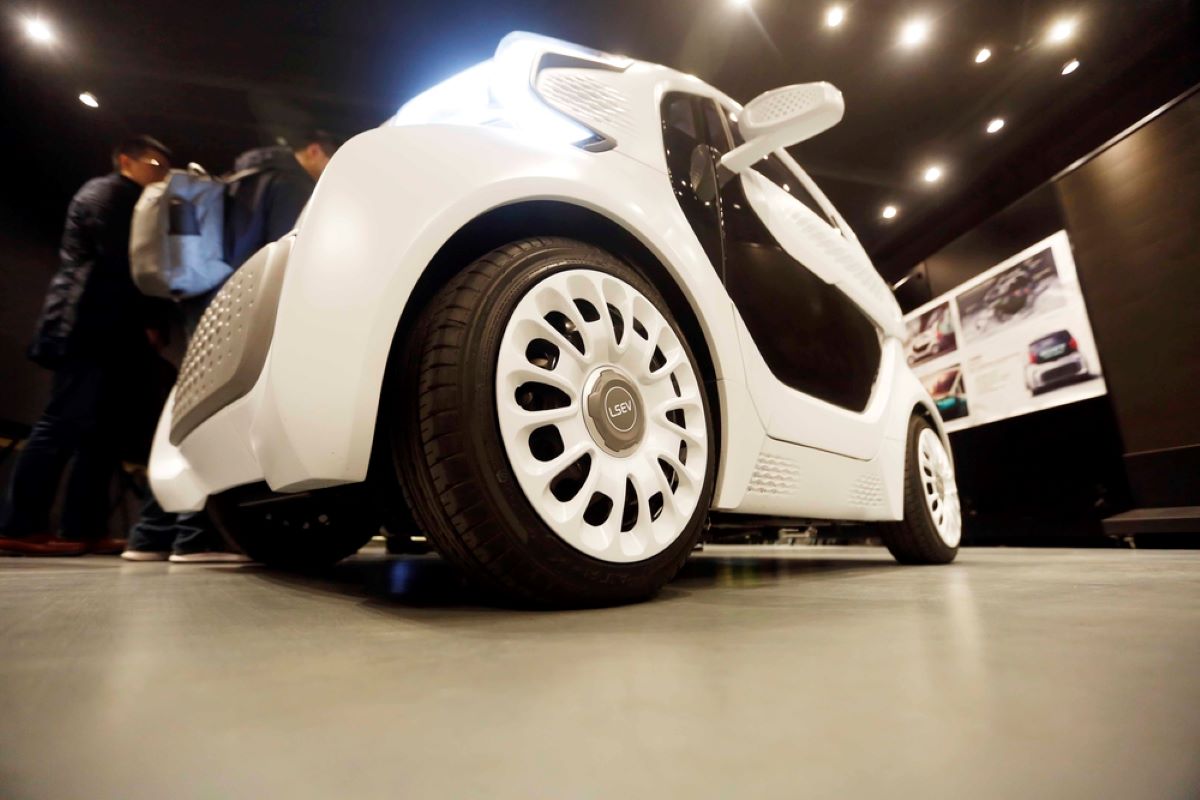
3D printing allows manufacturers to create ultra-lightweight components without sacrificing strength. By using advanced materials like carbon fiber composites and titanium, automakers can reduce overall vehicle weight, leading to better acceleration, improved fuel economy, and enhanced performance on the road.
Faster Prototyping Speeds Up Car Development
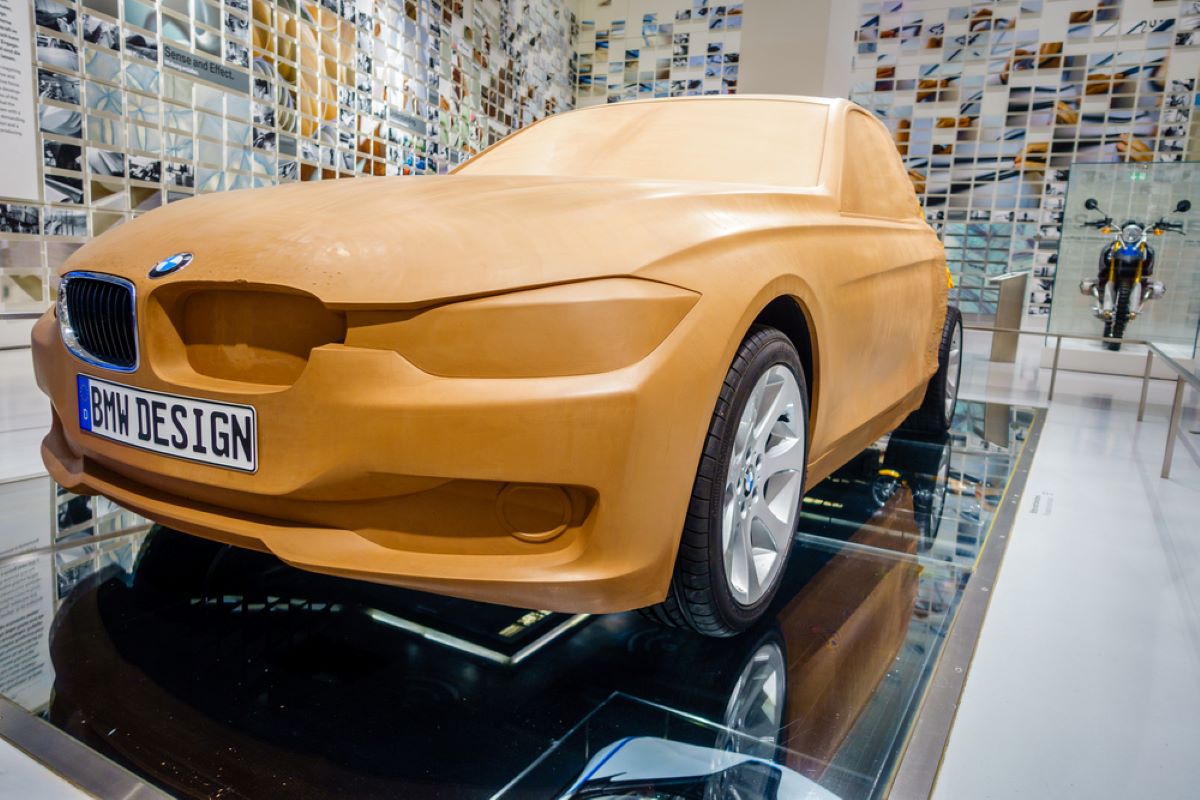
Traditionally, designing a new car takes years, but 3D printing drastically shortens the development cycle. Engineers can quickly print and test prototype parts, allowing for rapid adjustments and faster innovation. This means new car models can reach the market much sooner, keeping up with evolving trends and consumer demands.
Stronger, More Durable Components for Longevity

3D-printed car parts aren’t just lightweight, they’re also incredibly strong. Manufacturers can design intricate structures that maximize durability while minimizing material usage. This results in longer-lasting vehicles with parts that withstand wear and tear better than traditional manufacturing methods allow.
Customization Without High Manufacturing Costs
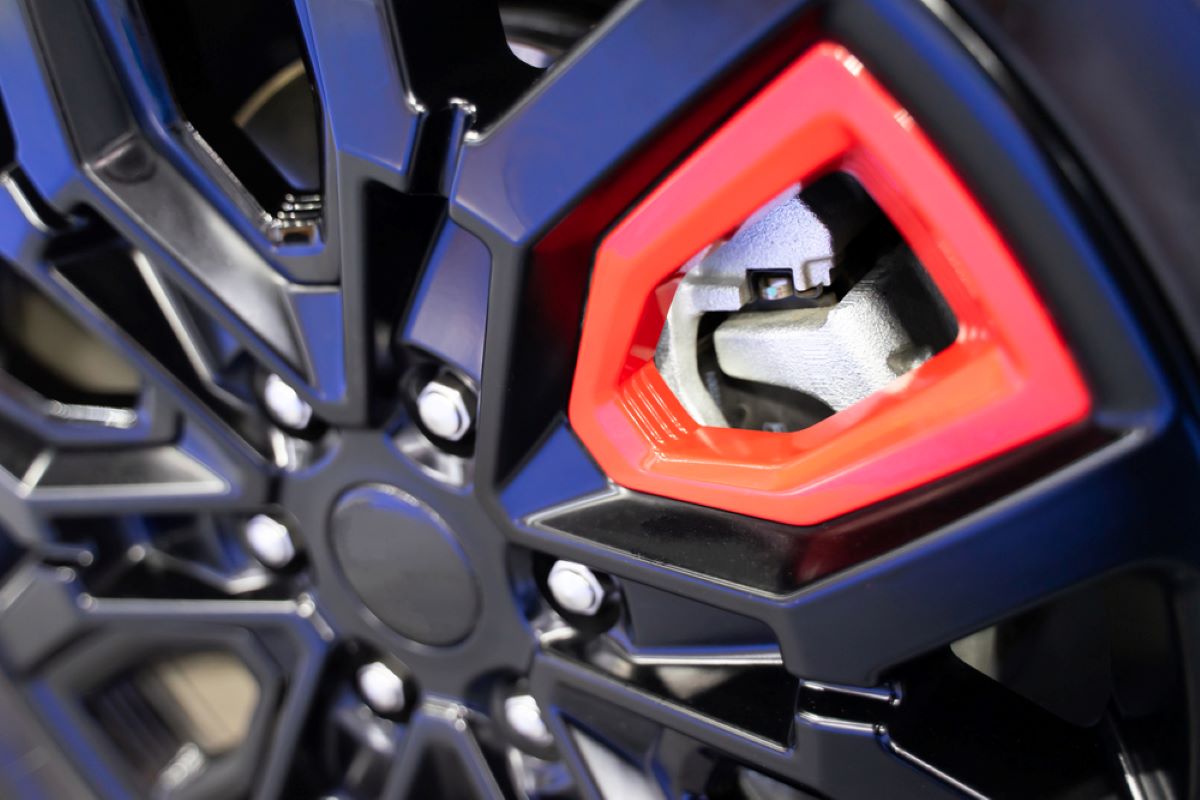
Mass production often limits personalization, but 3D printing makes customization more accessible. Drivers can order bespoke parts, from personalized dashboards to aerodynamic enhancements, without the need for expensive, large-scale production runs. This opens new opportunities for tailor-made vehicles.
Related: 15 Insanely Clever Driving Hacks Every Car Owner Wishes They Knew Sooner
Reduced Waste for a More Sustainable Industry

Traditional car manufacturing generates significant material waste, but 3D printing minimizes excess by using only the necessary amount of material. This eco-friendly approach reduces environmental impact while cutting costs for manufacturers and consumers alike, promoting a greener automotive industry overall.
Related: 11 Hidden Ways The Trump Trade War Is Quietly Driving Up Car Prices
Complex Geometries That Enhance Performance

3D printing enables the creation of intricate, highly optimized shapes that wouldn’t be possible with conventional manufacturing. From lightweight lattice structures to aerodynamic enhancements, these complex geometries can improve vehicle speed, efficiency, and overall driving dynamics, making modern cars even more capable.
Related: 12 Scary Car Warning Lights and Sounds You Should Never Ignore
Cheaper Replacement Parts for Repairs and Maintenance
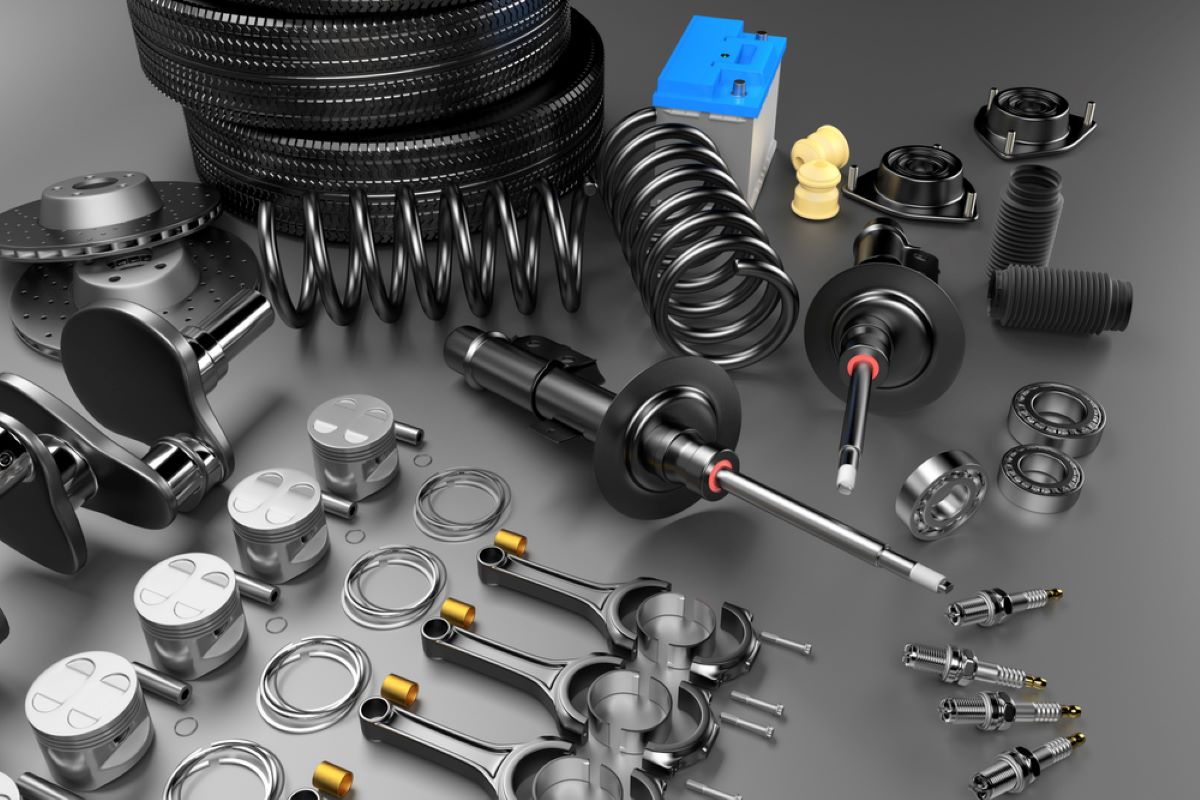
Instead of relying on expensive factory-made replacement parts, mechanics and car owners can 3D print components on demand. This reduces wait times, lowers repair costs, and makes it easier to maintain older or rare vehicles that may have discontinued parts, extending their roadworthy lifespan.
Stronger and Lighter Suspension Components
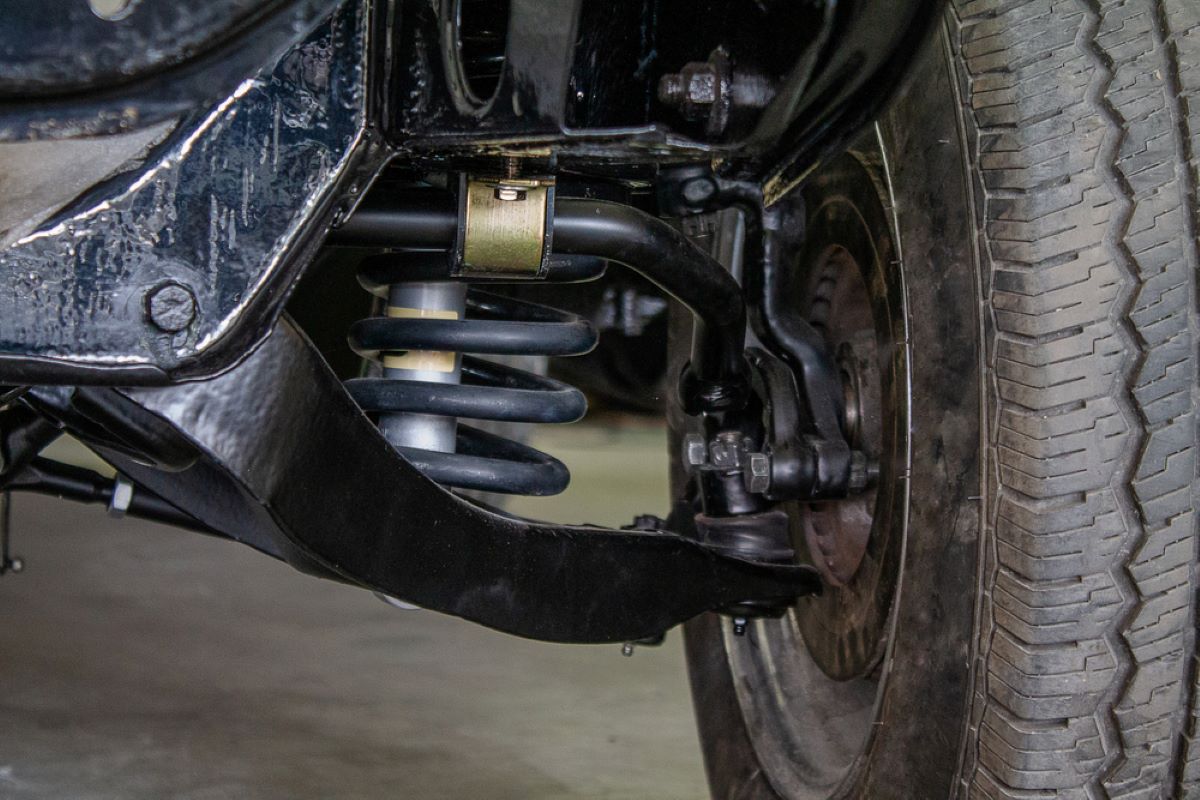
Suspension systems must be both durable and lightweight to optimize handling and performance. 3D printing allows manufacturers to create precision-engineered suspension parts that improve ride quality, stability, and durability while reducing overall vehicle weight, enhancing both comfort and control.
Related: 15 Nostalgic ’80s & ’90s Cars That Are Making A Comeback
Faster Production of Limited-Edition Vehicles
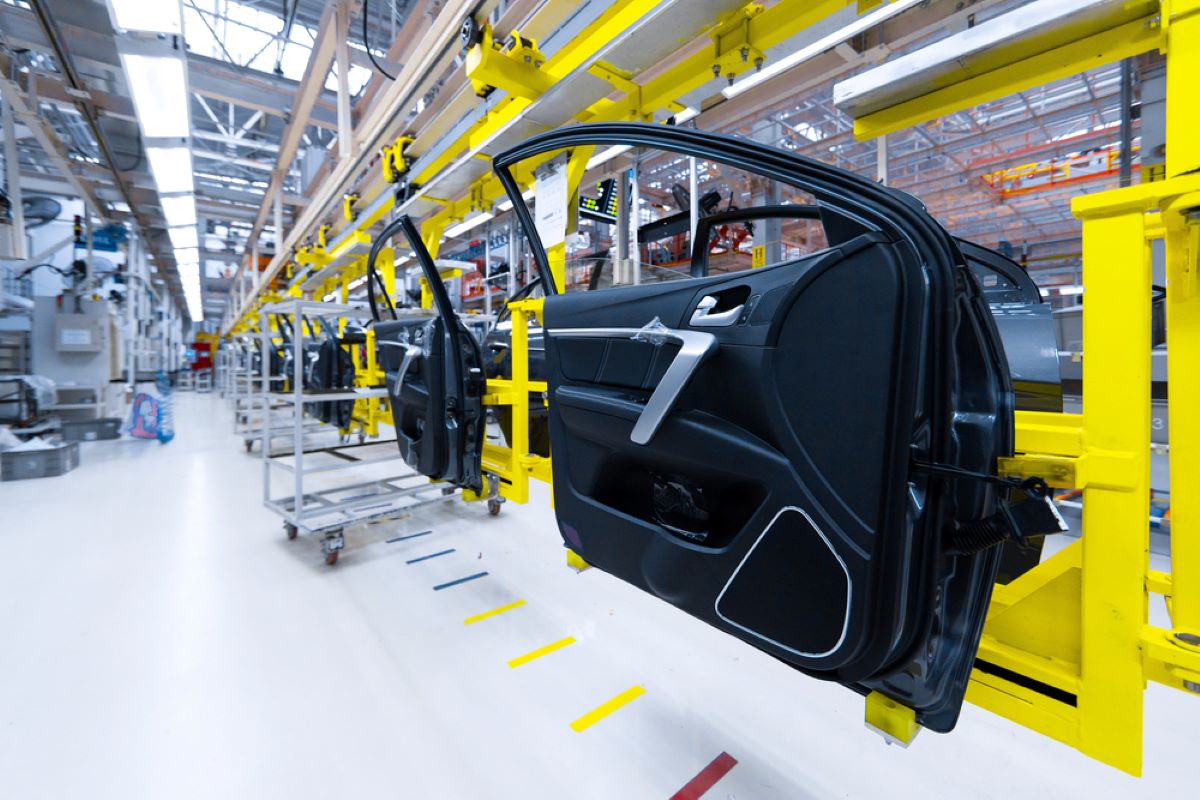
Exotic car manufacturers and boutique automakers can use 3D printing to produce small-batch, high-performance vehicles faster than traditional methods allow. This speeds up the manufacturing process while maintaining the exclusivity of limited-production models, appealing to automotive enthusiasts worldwide.
Related: 15 Cars That Defined Boomer Childhoods and Are Now Ultimate Collectibles
Heat-Resistant Materials for Engine Components
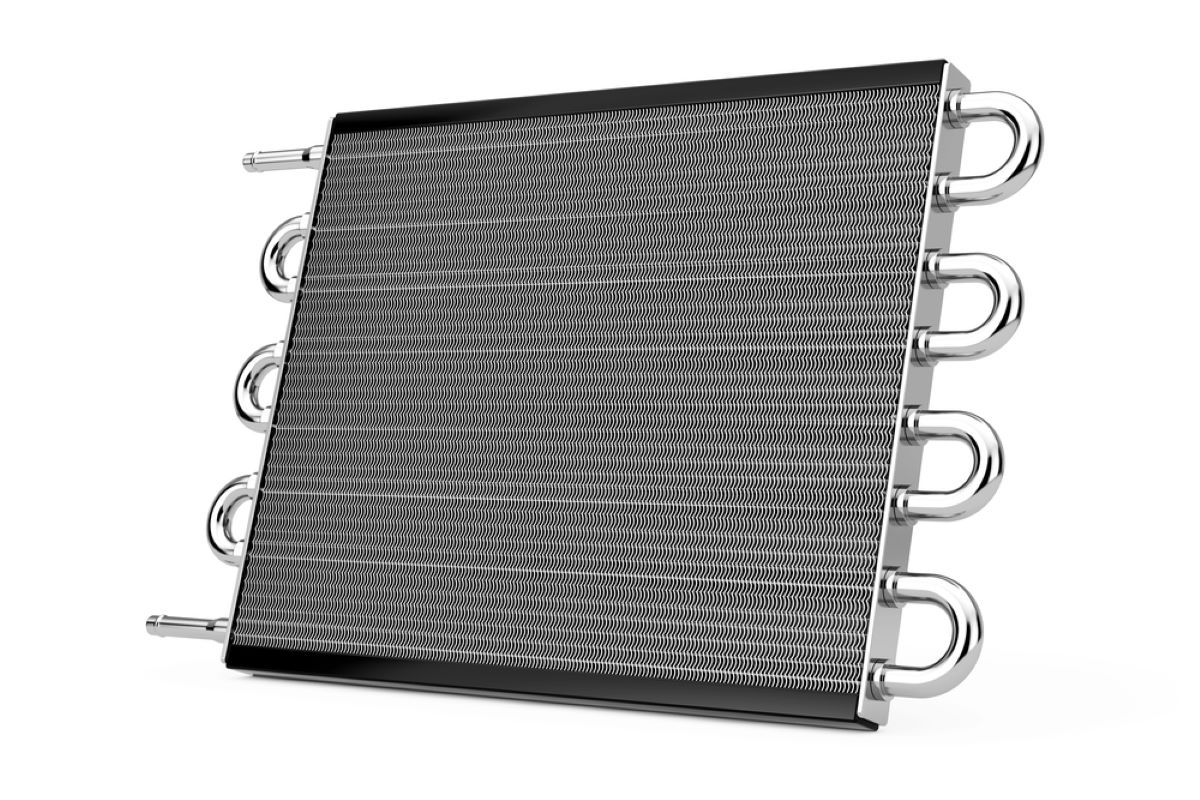
3D printing enables the use of advanced heat-resistant materials that improve engine performance and efficiency. By printing high-temperature-resistant components, automakers can design engines that run cooler, last longer, and perform better under extreme conditions, improving longevity and reliability.
Bio-Based Materials for Eco-Friendly Cars
Innovations in 3D printing include the use of biodegradable and recycled materials, making cars more sustainable. By incorporating bio-based plastics and composites, automakers can create environmentally friendly vehicles with reduced carbon footprints, contributing to a cleaner planet overall.
Related: 15 Game Changing Car Tricks That Will Transform How You Drive
Faster Innovation in Autonomous Vehicle Technology

Self-driving cars require advanced sensors, cameras, and computing systems. 3D printing allows for rapid prototyping and testing of these components, accelerating the development of safer and more efficient autonomous vehicles, bringing us closer to widespread adoption and mainstream availability worldwide.
Related: 12 Scary Car Emergencies and Exactly What to Do to Stay Safe
Lower Production Costs for Budget-Friendly Vehicles

As 3D printing technology becomes more widespread, automakers can cut production costs significantly. This means affordable cars with high-quality materials and performance-enhancing designs, making cutting-edge automotive technology accessible to more people, regardless of their budget.
Related: You’ve Been Washing Your Car Wrong This Whole Time Here’s The Right Way
3D printing is no longer just a futuristic concept, it’s actively shaping the cars we drive today and the innovations we’ll see tomorrow. From making vehicles lighter and faster to reducing waste and costs, this technology is pushing the auto industry toward a more efficient and customizable future. As 3D printing advances, we can expect even greater breakthroughs that redefine how cars are built, maintained, and experienced.
Disclaimer: This list is solely the author’s opinion based on research and publicly available information.
13 Genius Car Gadgets You’ll Wish You Bought Sooner

Cars have come a long way, but let’s be real, there’s always room for improvement. Whether you’re dealing with daily commutes, long road trips, or unexpected car troubles, the right gadgets can turn an average drive into a smooth, hassle free experience. From safety boosters to comfort enhancing upgrades, these 13 genius car accessories will save you time, reduce stress, and make driving more enjoyable than ever. You’ll wonder how you ever managed without them!
Read it here: 13 Genius Car Gadgets You’ll Wish You Bought Sooner
12 Outrageous Cars That Shouldn’t Exist But Somehow Do

There are cars on the market that leave you scratching your head, wondering how they ever made it past the design stage. These vehicles defy logic, taste, and sometimes even the laws of physics, but here they are, rolling down the road. From bizarre designs to baffling performance specs, here are 12 outrageous cars that shouldn’t exist but somehow do.
Read it here: 12 Outrageous Cars That Shouldn’t Exist But Somehow Do
The 15 Biggest Disruptions in Car History That No One Saw Coming

From groundbreaking innovations to cultural revolutions, these 15 moments changed the automotive world forever. Whether it was the first mass produced car or the rise of electric vehicles, each event left an indelible mark on history. Buckle up as we explore the defining breakthroughs that made cars what they are today.
Read it here: The 15 Biggest Disruptions in Car History That No One Saw Coming
You’ll love these related posts:
- Car Maintenance Made Easy: 15 Essential FAQs Every Driver Should Read!
- Mechanic-Approved! 12 Expert Answers to Your Car Problems
- The Ultimate Car Owner’s Guide: 15 Common Auto Questions Solved
- 13 Self-Healing Car Paint That it Finally Becoming a Reality?
- 12 Cheapest Electric Cars That Still Have Great Range