
Spring may seem like a calmer season for drivers, but it brings its own set of unexpected dangers that many people overlook. With changing temperatures, unpredictable showers, and increased road travel, new risks emerge that can catch even experienced drivers off guard. Some of these hazards aren’t just annoying, they could lead to costly repairs, accidents, or even injuries. Failing to identify and address them early enough might compromise your safety and your wallet.
Potholes from Winter Damage

Snow and ice may be gone, but the damage they’ve left behind lingers in the form of deep potholes scattered across roads. These hazards can cause serious tire and suspension damage if not avoided, potentially resulting in expensive trips to the mechanic. Drivers often underestimate their impact until the repair bill lands in their hands, often with surprises they didn’t see coming.
Slick Roads from Spring Showers

April showers bring more than flowers, they transform roads into unpredictable slip hazards with reduced traction and longer stopping distances. A thin film of water mixed with winter oil residue creates a slick surface that tires struggle to grip effectively. Many accidents happen because drivers don’t adjust their speed or following distance to accommodate these new wet conditions.
Glare from the Sun’s New Position

The sun sits higher and at a different angle in spring, often blinding drivers during their daily commutes. This intense glare can reduce visibility drastically, making it harder to spot pedestrians, road signs, or other vehicles, especially in the early morning or late afternoon. Equipping your vehicle with polarized sunglasses and maintaining a clean windshield can significantly reduce this seasonal risk.
Engine Overheating in Sudden Warm Spells

Spring can bring sudden warm spells that stress cooling systems, especially if your vehicle wasn’t serviced after winter. Low coolant levels or debris in the radiator can lead to overheating and costly breakdowns. A basic springtime engine checkup can prevent serious issues later.
Related: 13 Hidden Challenges That Could Decide The Future Of Hydrogen And Electric Cars
More Teen Drivers on the Road

Spring break, school vacations, and longer daylight hours mean more teen drivers are out and about. These new drivers may lack experience and judgment, making unpredictable or unsafe decisions behind the wheel. Giving them extra space and anticipating sudden stops or turns can help avoid unnecessary accidents.
Related: 12 Hollywood Stars Who Risked It All With Their Own Car Stunts
Flooded Low Spots

Heavy spring rains can quickly flood underpasses and low-lying road sections, hiding deep water or dangerous potholes beneath the surface. Attempting to drive through can stall your engine or sweep your vehicle away in strong currents. It’s safest to turn around and seek another route rather than gamble on depth.
Related: 13 Genius Hacks to Control Your Car Remotely Like a Pro
Inconsistent Road Markings

Winter plowing and salting often strip away road paint, making lane boundaries and turning guides nearly invisible. This creates confusion and raises the risk of drifting into adjacent lanes or missing key signs. Until fresh paint is applied, drivers need to use extra caution when navigating intersections and merges.
Related: 15 Ways AI Is Turning Old-School Cars Into Fuel-Saving Machines
Hidden Road Debris

As snow recedes, it reveals months’ worth of debris like rocks, tree branches, and garbage that have accumulated along roadsides. Swerving to avoid these obstacles without checking your surroundings can lead to collisions or loss of control. Being alert and scanning ahead can help you respond calmly and safely.
Related: 12 Reasons AI-Powered Co-Pilots Might Be The Future
Soft Road Shoulders

Rain-saturated soil near road edges creates soft, unstable shoulders that can give way under a vehicle’s weight. If your tire drifts onto these shoulders, especially at high speed, it could result in a dangerous skid or rollover. It’s important to remain centered in your lane and avoid pulling over unless necessary and safe.
Related: 12 Most Iconic Mercedes Benz Convertibles Ever Built
Foggy Mornings

Cool nights followed by warmer mornings create the ideal conditions for dense fog that can reduce visibility to just a few feet. Fog can form quickly and without warning, leaving unprepared drivers blind to road signs, vehicles, and hazards. Driving with low beams and slowing your speed are critical to staying safe in these conditions.
Related: 12 Insane Car Stunts That Defy The Laws Of Physics
More Construction Zones

With winter over, municipalities rush to repair roads, leading to a spike in construction activity and work zones. These areas often involve lane changes, reduced speeds, abrupt stops, and the presence of heavy equipment, factors that demand heightened awareness. Failure to navigate them carefully can lead to fines, crashes, or injuries to road workers.
Related: 13 Ways 3D Printing Is Making Cars Faster, Stronger, And Cheaper
Pollen-Covered Windshields

Spring pollen can quickly coat your windshield and reduce visibility, especially when mixed with light rain or condensation. This sticky mixture is hard for standard wiper blades to clear and can create dangerous driving conditions. Regular cleaning and swapping out old wipers for new ones is a simple but essential springtime task.
Related: 14 Reasons Manual Transmissions Are Disappearing (And Why Some Drivers Are Fighting Back)
Spring driving isn’t as carefree as it might appear at first glance, with numerous hidden hazards waiting to trip up the unprepared. The mix of environmental changes and road behavior shifts can present serious challenges, especially if you’re caught off guard. By understanding these risks and preparing accordingly, you’re not just protecting your car, you’re safeguarding yourself and your passengers. Something as simple as cleaning your windshield or checking your tires can have a major impact.
Disclaimer: This list is solely the author’s opinion based on research and publicly available information.
13 Terrifying Ways Hackers Could Steal Your Car Without Ever Touching It

As cars become more connected, they also become more vulnerable to cyber threats. Hackers no longer need physical access to steal or manipulate a vehicle, advanced techniques allow them to exploit software flaws, intercept signals, and bypass security measures remotely. The increasing digital landscape of vehicles brings many risks. Here are some of the most alarming ways cybercriminals could hijack your car without ever laying a finger on it.
Read it here: 13 Terrifying Ways Hackers Could Steal Your Car Without Ever Touching It
15 Insanely Complicated Cars That Mechanics Avoid
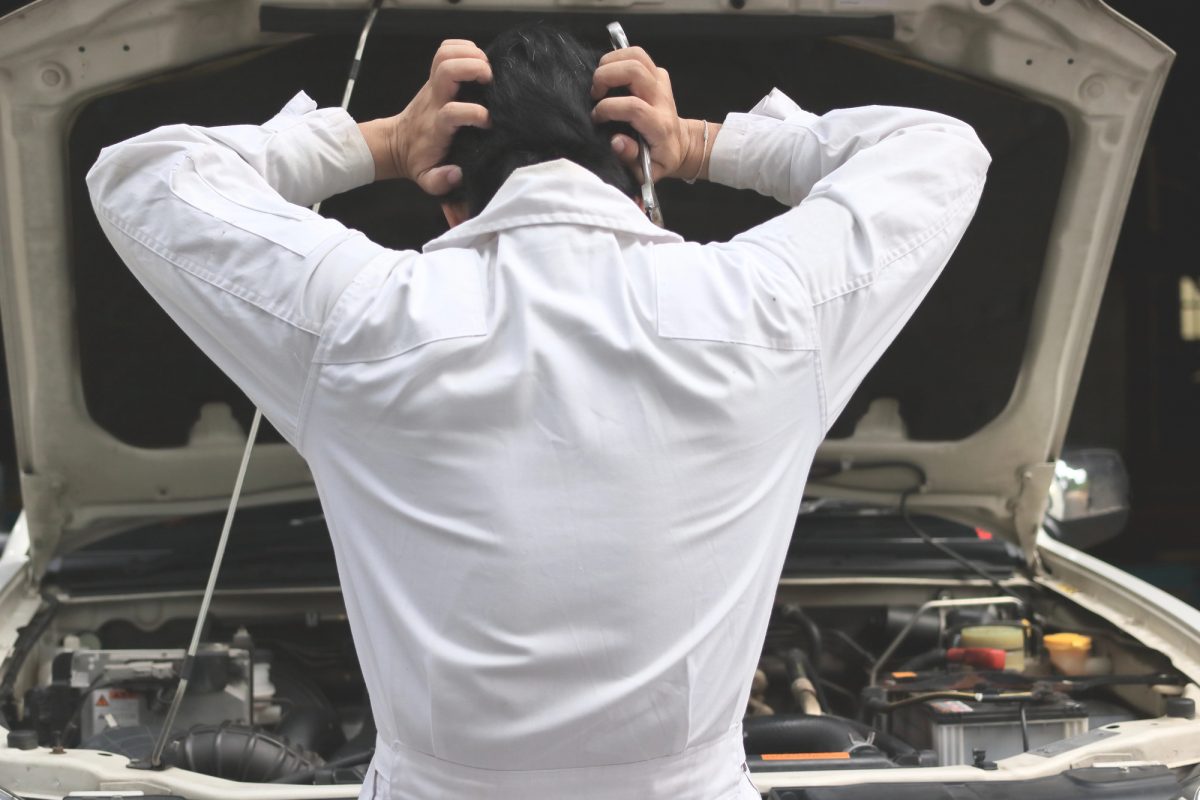
Some cars are known for their exceptional engineering, but that doesn’t always translate to easy maintenance. Certain models come with intricate technology, unusual designs, or parts that require specialized tools and knowledge, making mechanics think twice before working on them. These vehicles often lead to frustration, extended repair times, and sky-high service bills, making even the most experienced professionals avoid them.
Read it here: 15 Insanely Complicated Cars That Mechanics Avoid
The Engineering Marvels That Took Cars To A Million Miles

Most cars are designed to last around 200,000 miles with proper maintenance, but a select few have defied the odds, crossing the million-mile mark and beyond. What makes these cars so special? It’s a combination of robust engineering, meticulous maintenance, and sometimes sheer luck. From legendary engines to overbuilt drivetrains, these vehicles stand as testaments to automotive durability.
Read it here: The Engineering Marvels That Took Cars To A Million Miles
You’ll love these related posts:
- 15 Jaw-Dropping Monster Trucks That Crush Everything In Their Path
- 11 Subaru Models Built To Outlast Anything
- 13 Terrifying Ways Hackers Could Steal Your Car Without Ever Touching It
- 14 Wild Reasons Millennials And Gen Z Are Obsessed With 90s Cars
- 14 Reasons Manual Transmissions Are Disappearing (And Why Some Drivers Are Fighting Back)