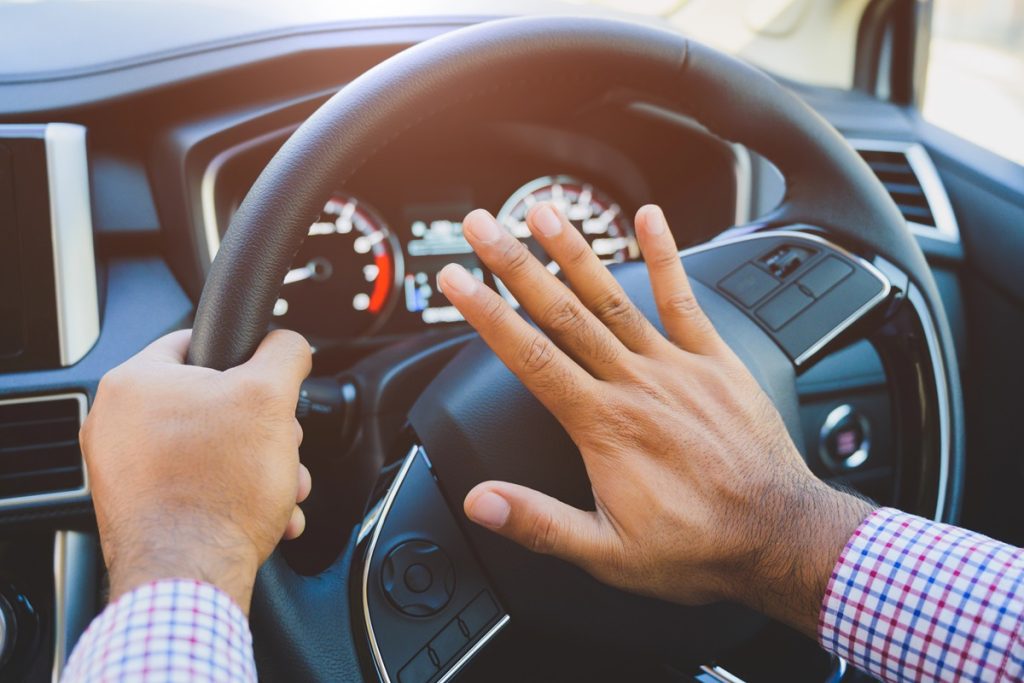
Staying safe on the road isn’t always about skill; it’s also about trategy and mindfulness. Road rage is a growing problem in many parts of the U.S., often fueled by stress, traffic congestion, and personal frustrations. But by adopting defensive driving habits, you can protect yourself and those you love while keeping your cool behind the wheel. Here are 12 defensive driving secrets that can help you avoid road rage encounters and arrive at your destination safely.
Don’t Tailgate, Ever

Following another car too closely creates pressure, stress, and zero room for error, especially during sudden stops. Defensive drivers always leave a generous buffer space, which allows time to react smoothly rather than slamming the brakes in panic. This one simple habit prevents accidents and keeps emotions from flaring on the highway.
Use Your Horn Sparingly
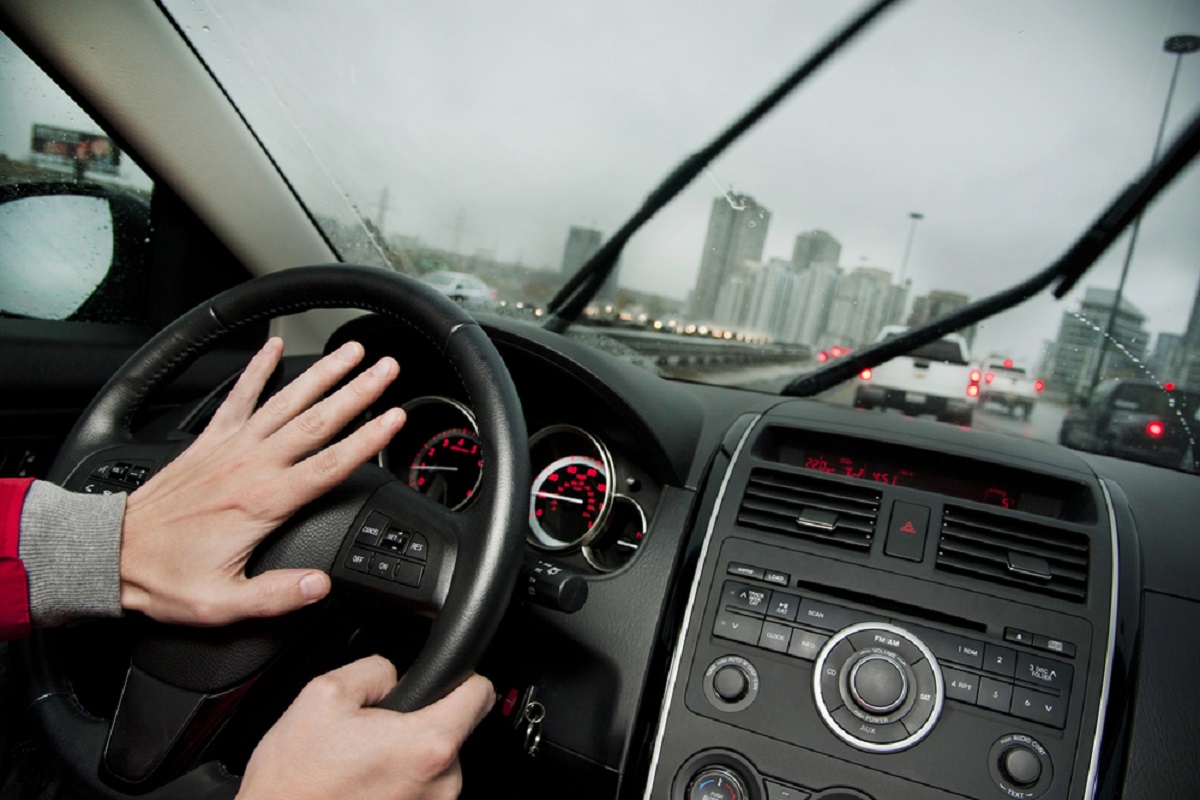
While your car horn is there to alert others, excessive or aggressive use can easily escalate tension and provoke frustration. A quick, polite honk can prevent an accident, but repeated or long honks may come across as disrespectful or confrontational. Defensive drivers know how to use their horn with intention, only when it truly supports safe driving.
Plan to Avoid Traffic Stress
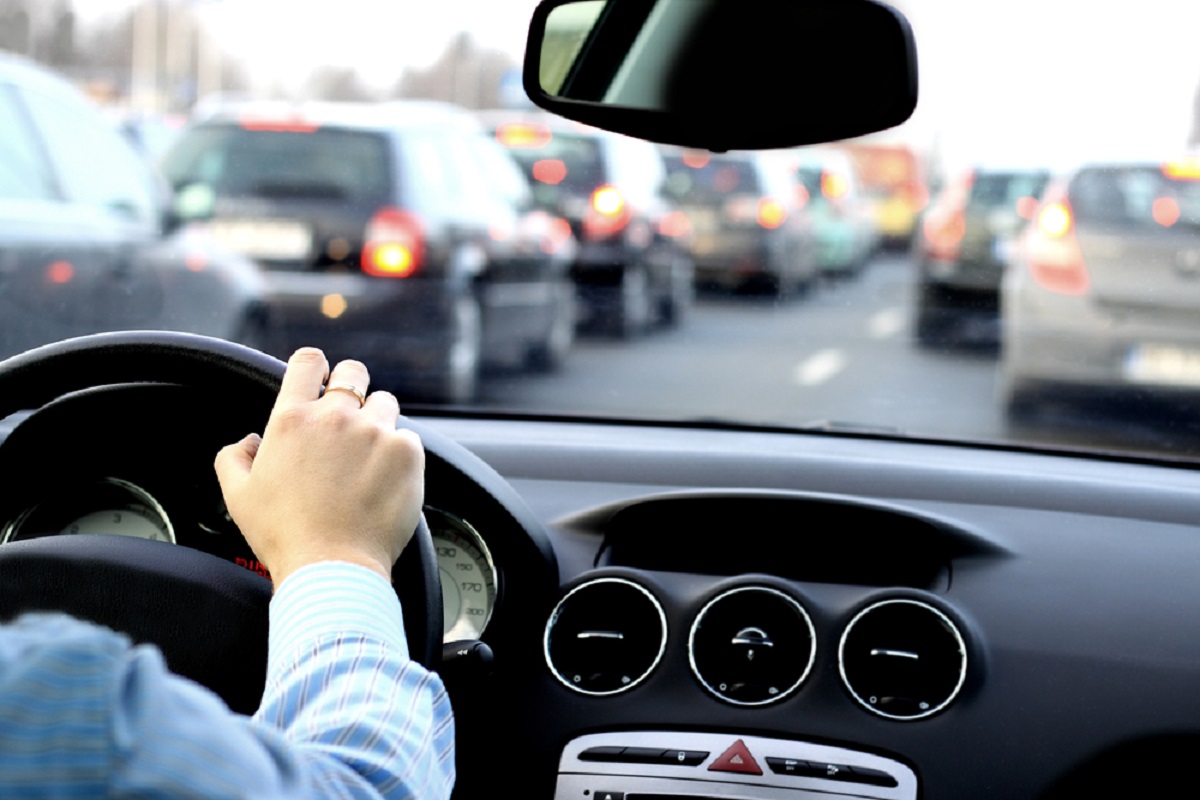
Leaving late causes pressure, making it harder to drive patiently and more tempting to speed or lash out when others make mistakes. By planning your trips early and checking traffic reports in advance, you give yourself room to breathe and drive at a relaxed pace. Defensive drivers know that preparation is key to staying composed in stressful driving conditions.
Be Predictable and Use Signals

When you make sudden moves without signaling, other drivers are left guessing, which leads to confusion and potential accidents. Defensive drivers use their indicators early and consistently, showing respect for those sharing the road. Predictability helps build trust among drivers and reduces the chance of provoking aggressive responses.
Related: 10 Reasons Why Porsche EV’s $56K Depreciation Is A Dream Deal For Buyers
Avoid the Fast Lane Unless Necessary

The leftmost lane is often home to speeders and impatient drivers who have little tolerance for slower traffic. Staying in the middle or right lanes minimizes pressure and gives you more flexibility to respond to unfolding traffic situations. Defensive drivers avoid unnecessary confrontation by steering clear of high-speed tension zones.
Related: 11 Italian Engineering Principles Driving Ferrari’s Electric Revolution
Keep Your Vehicle Well-Maintained

A car in poor condition is more likely to stall, break down, or malfunction, creating dangerous scenarios on busy roads. Routine maintenance like checking brakes, lights, tires, and engine fluids helps ensure your vehicle performs reliably under pressure. A well-functioning car allows you to focus on the road, not on unexpected problems that can irritate other drivers.
Related: 11 Hidden Engineering Nightmares Behind Mazda’s Next Rotary Engine
Mind Your Gestures

Even innocent gestures can be misunderstood as rude, sarcastic, or threatening in emotionally charged traffic environments. Defensive drivers maintain neutral, respectful body language and avoid eye-rolling, hand signals, or exaggerated movements. Small actions can have big consequences, and calm communication is always the smarter choice.
Related: 11 Global Clues That Reveal Where Tesla Is Headed Next
Stay Off Your Phone While Driving

Using your phone while driving not only distracts you but also causes other drivers to become frustrated with your delayed reactions or poor lane control. Staying off your device ensures you remain present and responsive, which can prevent countless misunderstandings or near-misses. Defensive drivers prioritize attention and understand that one moment of distraction could lead to disaster.
Related: 15 Forgotten Porsche Prototypes Hiding In The Vault
Don’t Engage in Games or Competition

Trying to race, block, or “teach a lesson” to another driver turns the road into a battleground and invites dangerous retaliation. Defensive drivers avoid engaging with aggressive motorists and never see driving as a competition. Winning means staying calm, avoiding conflict, and reaching your destination safely, not asserting dominance.
Related: 10 Ways Ford Could Reinvent ST And RS For The EV Era
Keep a Safe Escape Route in Mind

Always be aware of your surroundings and look for open shoulders, wide lanes, or side roads that you could use if an emergency occurs. Defensive drivers understand that unpredictability is part of the road, and being boxed in can increase the risk of collisions or confrontation. Thinking a few steps ahead gives you more control and options in high-pressure moments.
Related: Car Experts Say These 10 SUVs Are Fooling Everyone
Avoid Driving When You’re Emotionally Upset
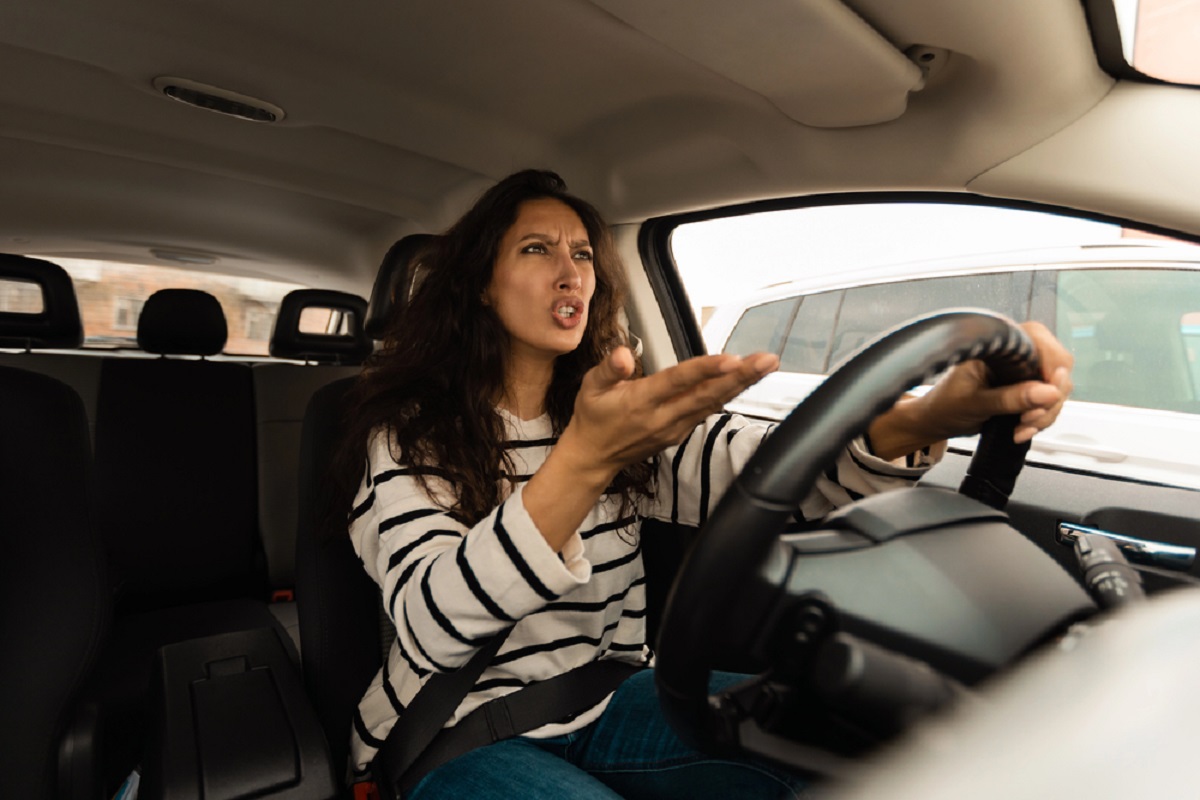
Emotions like anger, sadness, or anxiety cloud your judgment, slow your reaction time, and make you more susceptible to road rage. Defensive drivers know when to take a break, pull over, or delay a trip until they’re in the right mindset. Driving requires mental clarity, and emotional control is one of the most overlooked safety tools.
Related: 10 Convertibles That Will Make You Ditch Your Coupe In 2025
Watch for Warning Signs of Aggression in Others

When a driver is swerving, honking aggressively, tailgating, or yelling out the window, those are clear red flags of danger. Defensive drivers notice these signs early and make intentional choices to increase distance, change lanes, or even exit the highway to avoid conflict. Recognizing aggressive behavior quickly can help you steer clear of it completely.
Related: 10 Weird Pontiac Details That Saved It From The Junkyard
Defensive driving isn’t just a technique, it’s a mindset built on awareness, self-control, and smart decision-making. These 12 habits allow you to stay grounded even when others around you are unpredictable or aggressive. With every safe choice you make, you reduce the risk of being pulled into a road rage nightmare. Let your calm presence be the shield that keeps tension at bay. Drive wisely, drive kindly, and always drive to make it home safe.
Disclaimer: This list is solely the author’s opinion based on research and publicly available information.
10 Spring Driving Skills Most US Drivers Still Get Wrong
As winter fades and warmer weather returns, many drivers assume the roads are automatically safer. But spring introduces its own set of challenges, ranging from wet roads and potholes to increased pedestrian and cyclist activity. Unfortunately, too many drivers don’t adjust their habits accordingly, leading to avoidable accidents and costly mistakes. Mastering spring driving requires attention to subtle seasonal changes and a willingness to unlearn bad habits. Here are the top driving skills most U.S. drivers still overlook when the season shifts to spring.
Read it here: 10 Spring Driving Skills Most US Drivers Still Get Wrong
13 Tricks That Calm Driving Test Nerves Fast

Taking a driving test can be a nerve-wracking experience, even for the most prepared learner. The pressure of being evaluated, fear of making mistakes, and uncertainty about what comes next often lead to anxiety. But calming those nerves is entirely possible with the right strategies and mindset. From simple breathing exercises to practical pre-test routines, there are many ways to reduce stress and boost confidence behind the wheel. These 13 tried and true tricks can help you stay focused and perform at your best on test day.
Read it here: 13 Tricks That Calm Driving Test Nerves Fast
11 Driving Habits That Are Slowly Destroying Your Car

Your car is one of your most valuable assets, but many drivers unknowingly engage in habits that cause premature wear and costly repairs. From aggressive acceleration to neglecting routine maintenance, small mistakes can lead to major mechanical failures over time. Avoiding these bad habits can significantly extend your vehicle’s lifespan and improve overall performance. Here are 11 common driving habits that are slowly destroying your car.
Read it here: 11 Driving Habits That Are Slowly Destroying Your Car