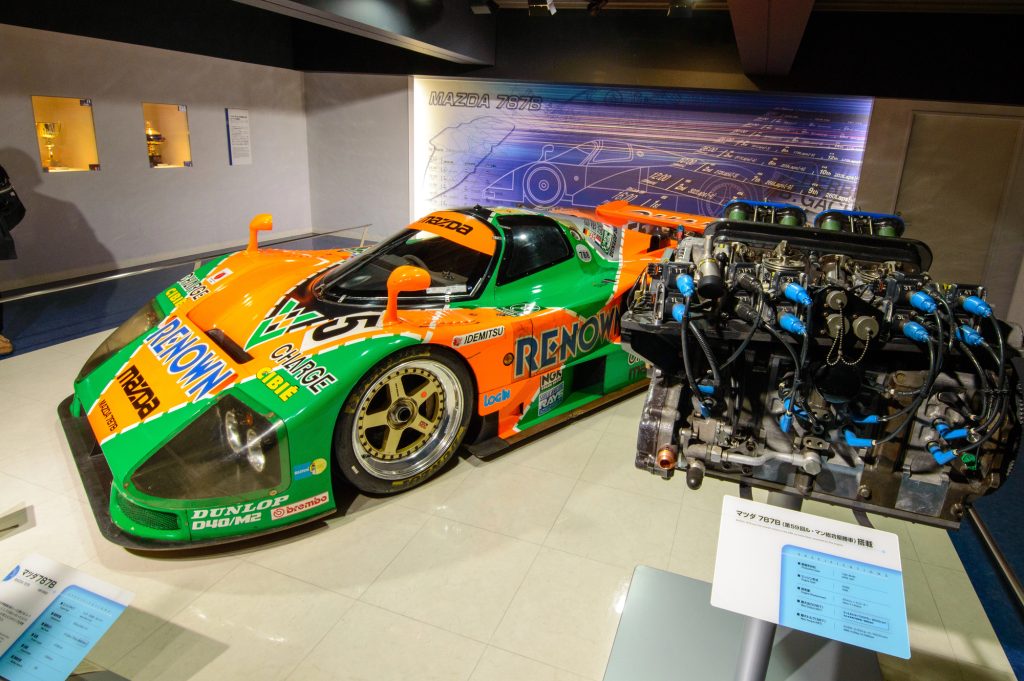
Mazda’s return to the rotary engine, also known as the ‘Wankel’ engine, stirs both nostalgia and concern in the automotive world. While enthusiasts celebrate its unique sound and compact power, engineers face tough realities behind the scenes. From thermal issues to emissions headaches, the rotary remains a technical puzzle. Here are 11 hidden nightmares haunting Mazda’s ambitious rotary revival.
Thermal Management Chaos
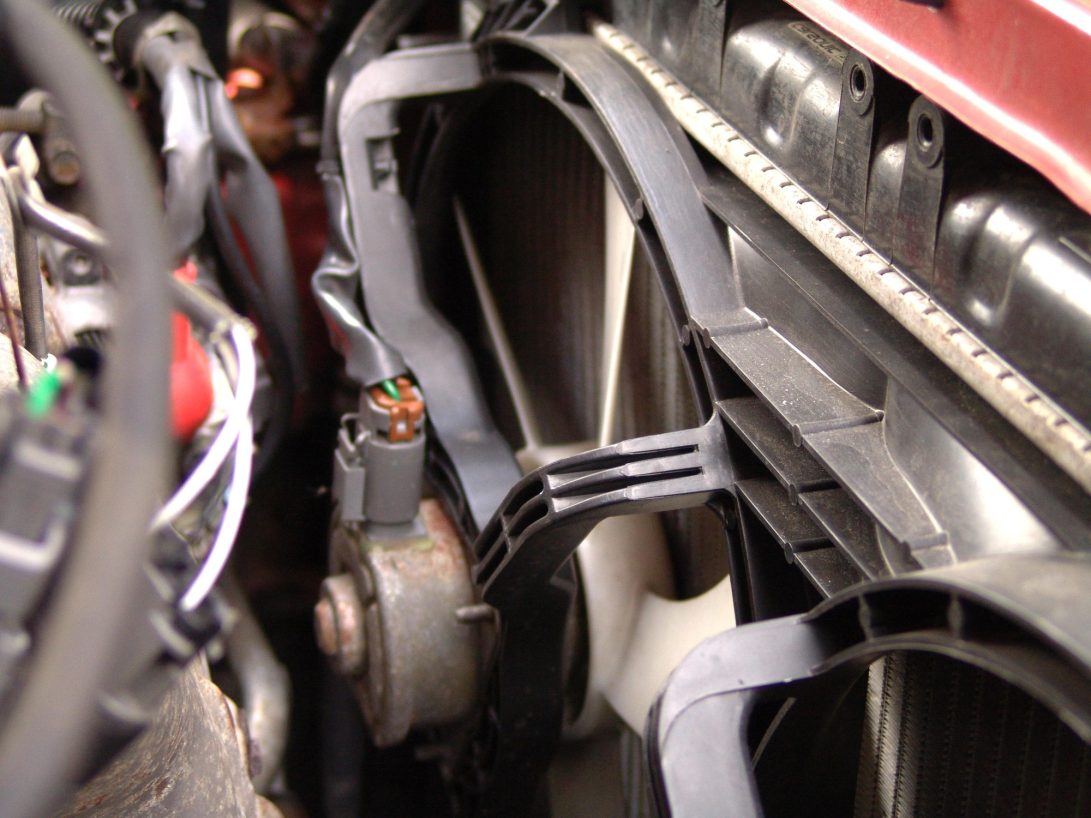
Rotary engines generate uneven heat that’s incredibly difficult to control. The housing gets far hotter than the rotor itself, causing long-term warping and sealing issues. Cooling systems must work overtime, yet they still struggle to keep things stable. It’s a silent killer that can sabotage reliability without warning.
Subpar Fuel Efficiency

Despite its size, the rotary gulps fuel at an alarming rate. Its poor thermal efficiency leads to constant combustion waste, draining your tank too quickly. For a world obsessed with MPG, this is a major setback. Engineers must balance performance with a desperate need to improve the economy.
Apex Seal Durability Issues

The apex seal, the rotary’s equivalent of a piston ring, is notoriously fragile. It wears out quickly under pressure, especially during spirited driving. Once worn, it causes power loss and oil consumption spikes. Reinventing this part is one of Mazda’s toughest engineering hurdles.
Complex Engine Mapping

Getting smooth power delivery out of a rotary requires pinpoint ECU calibration. Every ignition and injection point must be perfectly timed, or it leads to hesitation and rough idling. Creating that balance takes countless hours of testing and tuning. It’s a technical nightmare behind an otherwise simple-looking motor.
Related: 12 Unbelievable Car Features You Didn’t Know Existed But Are In Your Car Right Now
Emissions Regulation Struggles

Rotaries burn oil by design, which makes meeting modern emissions regulations extremely difficult. Even advanced catalytic converters struggle to clean the exhaust effectively. Tighter global standards make it almost illegal without major tech breakthroughs. It’s a pollution puzzle Mazda has yet to fully solve.
Related: 13 Revolutionary Features That Set The 2025 Ram 1500 And Ford F 150 Ahead Of The Pack
Premature Engine Wear

Due to unique stresses on internal components, rotary engines wear faster than their traditional counterparts. Combustion chamber heat cycles rapidly degrade metals and gaskets. Even daily driving can age a rotary quicker than expected. Mazda must find new materials or tech to extend longevity.
Related: 12 Genius Ways To Bring Dead Car Batteries Back To Life Before You Waste Money On A New
Limited Torque at Low RPMs
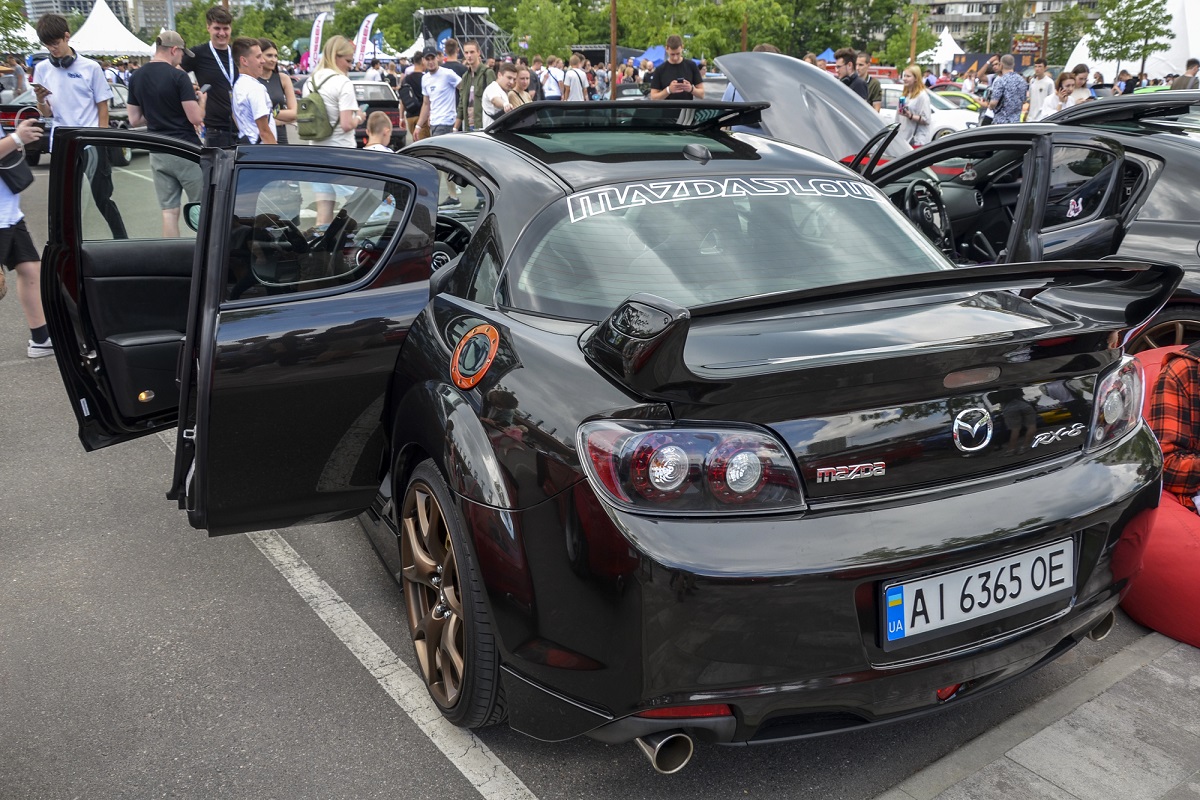
Rotary engines don’t deliver strong torque unless revved high. This makes them less usable in daily driving compared to piston engines. Without turbocharging or hybrid assistance, they can feel sluggish off the line. It’s a fundamental design flaw that’s hard to engineer around.
Related: 12 Legendary Chevy Muscle Cars from ’69 That No One Realized Were So Rare
Vibration and NVH Challenges
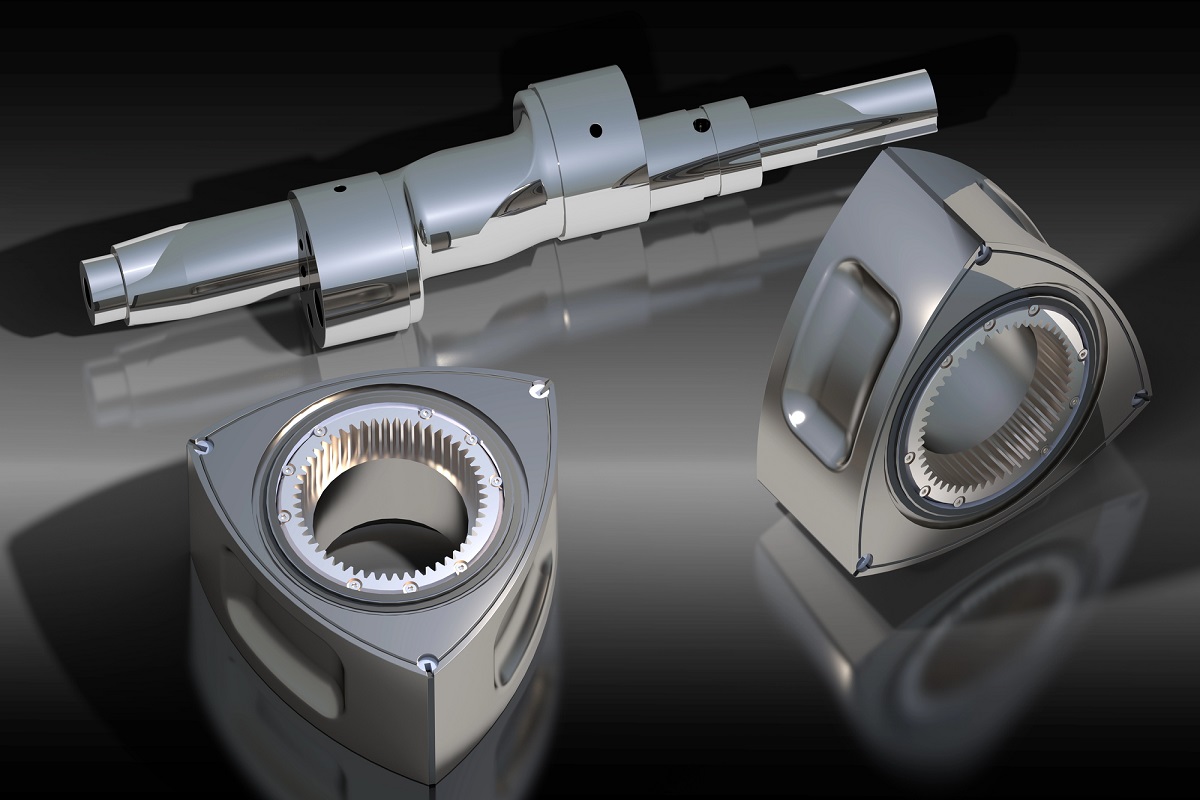
Rotary engines are smooth in rotation but vibrate differently from pistons. These unique frequencies can shake through the cabin, affecting refinement. Engineers have to combat noise, vibration, and harshness without compromising engine feel. It’s a delicate trade-off between excitement and comfort.
Related: 11 Surprising Car Rules In 2025 That Could Change How You Drive Forever
Turbocharging Complications

Boosting a rotary engine sounds great, but creates thermal and pressure extremes. Turbo setups must be carefully designed to avoid warping and premature failure. Too much boost and the apex seals suffer instantly. Getting it right is possible, but brutally unforgiving if you get it wrong.
Related: 11 Retro Car Accessories That Will Make You Wonder Why They Ever Disappeared
Packaging Limitations

Though compact, the rotary engine’s need for extra cooling and oil systems complicates car design. It forces designers to make awkward trade-offs in space and layout. Weight balance, crash structure, and serviceability are all affected. Mazda must package brilliance inside a very tight box.
Related: 10 Reasons Skipping Solo Drives Is The Hottest Earth Day Trend
Hybrid Integration Complexity

Mazda plans to use the rotary as a range extender in hybrids, which adds layers of complexity. Mating an inefficient, high-rev engine with a quiet EV system is no easy feat. Engineers must sync powertrains seamlessly to avoid jerks or surges. It’s a dance of two opposites that must feel like one.
Related: 10 Jaw Dropping Facts About The Ford Supercar That Couldn’t Be Street Legal
Mazda’s rotary revival isn’t just a nod to its past, it’s an uphill battle against physics, reputation, and regulation. While the idea excites fans, the engineering demands are extreme and unforgiving. From sealing challenges to hybrid integration, the road ahead is littered with obstacles. But if Mazda succeeds, it won’t just resurrect the rotary, it will redefine it.
Disclaimer: This list is solely the author’s opinion based on research and publicly available information.
12 JDM Legends Gaining Value Fast This Spring Before They Become Unaffordable
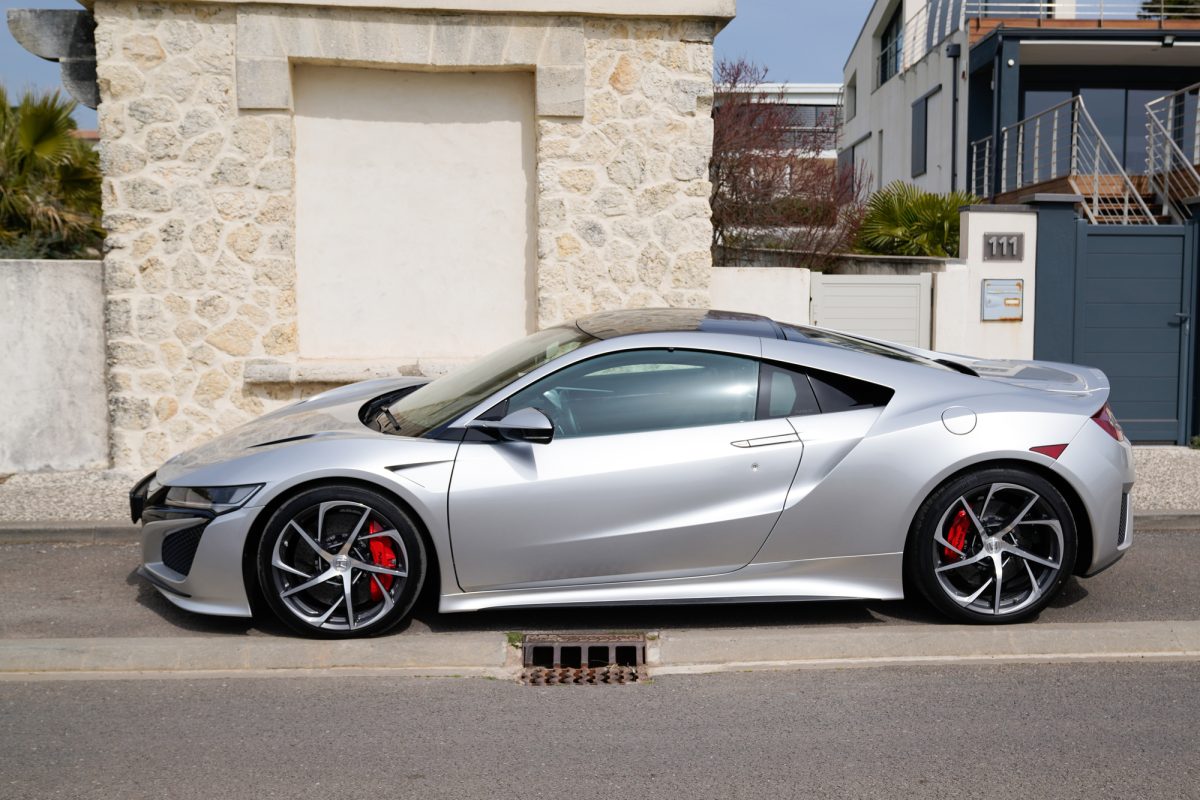
The spring season has arrived, and with it, a surge in interest for Japanese Domestic Market (JDM) vehicles, which are quickly gaining value. Once considered niche models, these JDM legends have now become highly sought-after collectibles. The automotive world is witnessing a significant shift, with iconic JDM cars rising in value faster than ever before. Enthusiasts and collectors are racing to secure these vehicles before prices reach unaffordable levels.
Read it here: 12 JDM Legends Gaining Value Fast This Spring Before They Become Unaffordable
The 14 Most Reliable SUVs That Won’t Leave You Stranded, According To J.D. Power

Reliability is one of the most critical factors when choosing an SUV, especially for those who depend on their vehicles for daily commuting, family trips, and long road adventures. J.D. Power, a trusted name in automotive research, has analyzed real-world data to determine which SUVs offer the best dependability, ensuring drivers won’t be left stranded on the side of the road. These vehicles have proven themselves with strong performance, durable engineering, and owner satisfaction. Here are the 14 most reliable SUVs that continue to earn the trust of drivers year after year.
Read it here: The 14 Most Reliable SUVs That Won’t Leave You Stranded, According To J.D. Power
The 13 Most Underrated Car Model

When people think of great cars, they often picture best-sellers, high performance supercars, or luxury vehicles with sky high price tags. However, plenty of incredible models fly under the radar, offering reliability, performance, and value without the hype. These 13 underrated cars prove that sometimes the best choices are the ones most people overlook.
Read it here: The 13 Most Underrated Car Model
You’ll love these related posts:
- 10 Massive Mistakes That Nearly Wrecked The Volvo V60’s Legacy
- 10 Dangerous Risks You Take When You Skip Brake Flushes
- 12 Waxing Habits That Are Ruining Your Car’s Shine And What To Do Instead
- 15 Secret Hazards Of Towing An AWD Car In Neutral That Could Lead To Expensive Repairs
- 13 Common Tire Pressure Habits That Are Quietly Costing You Safety And Fuel