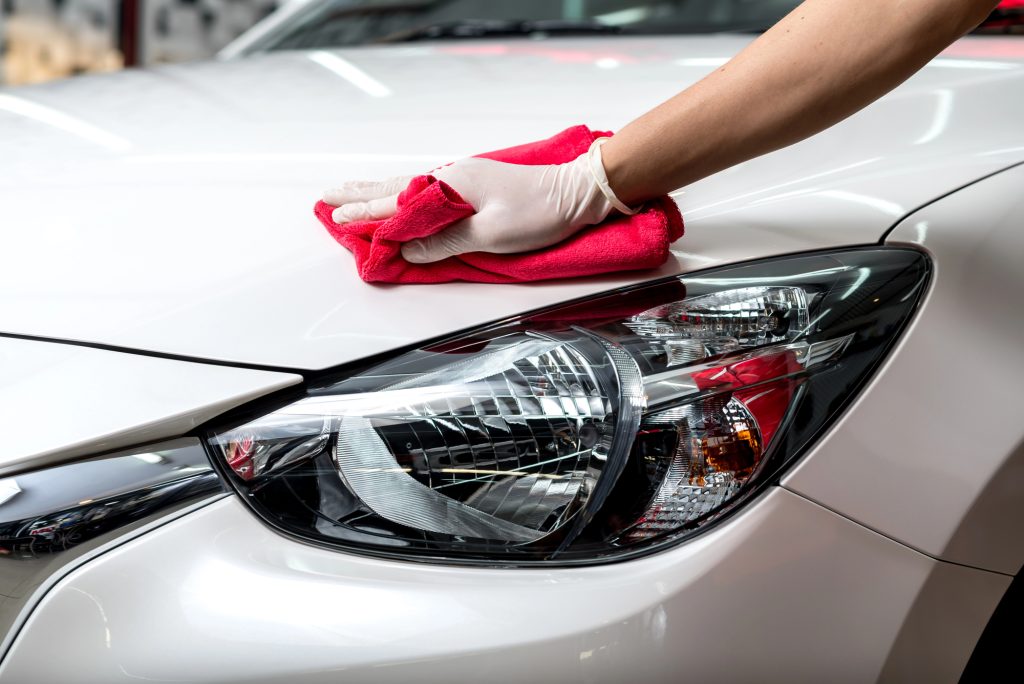
Drying your car may seem like the simplest part of a wash, but it’s where many car lovers unknowingly cause the most damage. From water spots to micro-scratches, the tools and techniques you use can either preserve your shine or ruin your finish. If you truly care about your vehicle’s appearance and longevity, you’ll want to avoid these all too common drying mistakes. Here are 10 ways you might be drying your car wrong and how to fix them.
Skipping the Final Buff
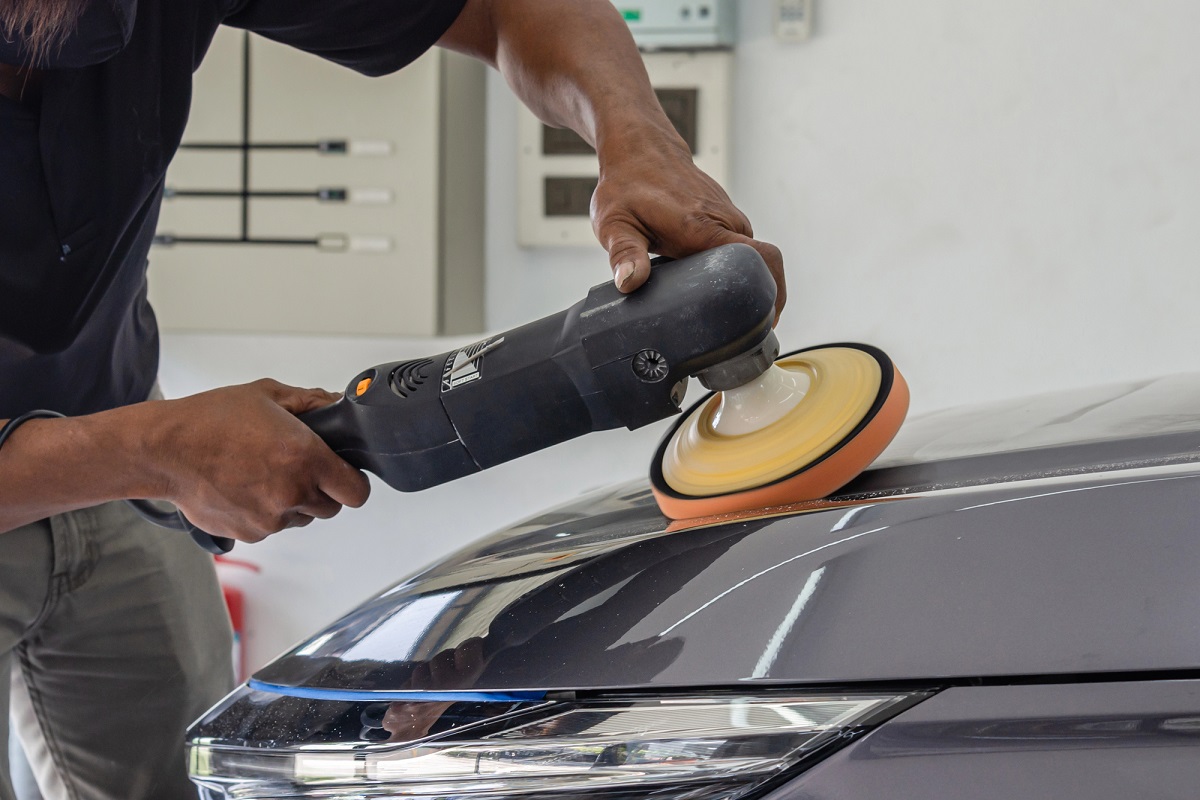
Even after you’ve finished drying your car, a quick final buff with a clean microfiber towel can make a significant difference. This step helps eliminate any remaining streaks, water spots, or moisture left behind. The final buff not only enhances the shine but also gives your car a polished, showroom-quality appearance.
Not Using a Leaf Blower or Car Dryer
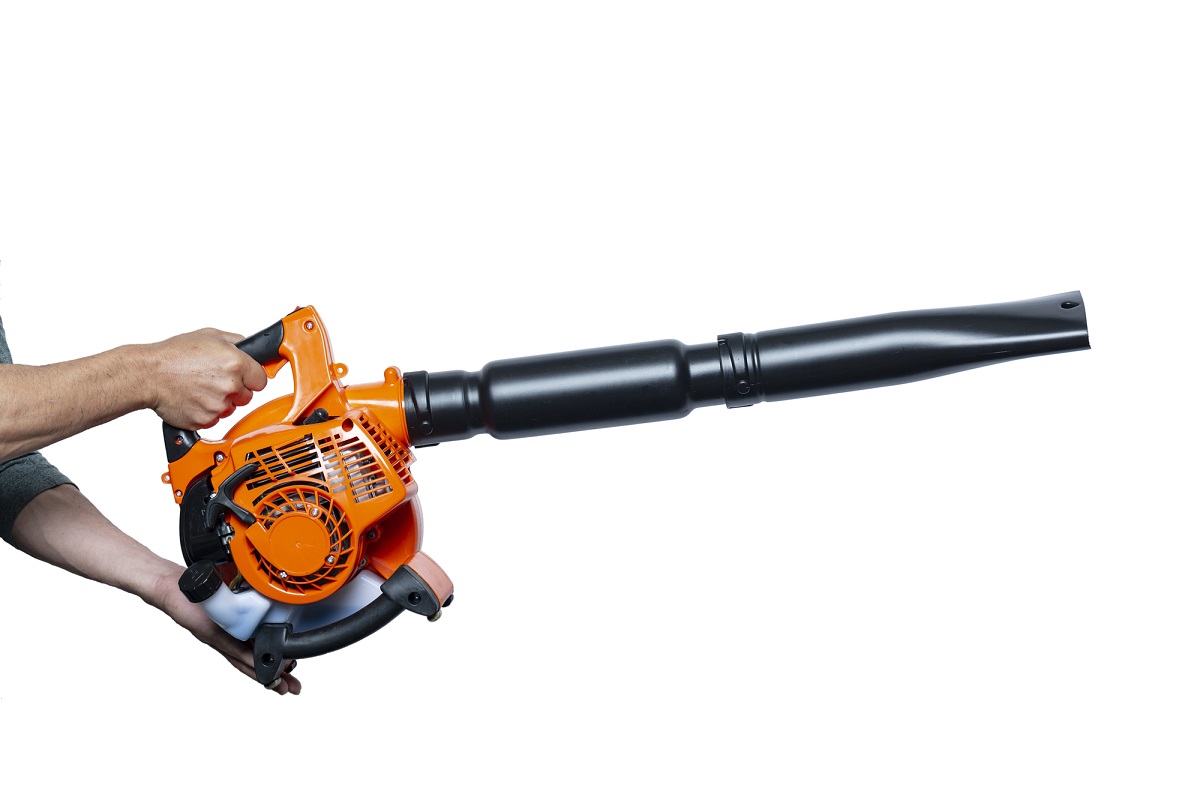
Using a leaf blower or a car dryer can save you time and effort when drying your vehicle, especially in hard-to-reach areas like side mirrors, vents, and around trim pieces. These tools allow you to dry the car without physically touching the surface, reducing the risk of scratches. They also help to dislodge any remaining water from crevices and hidden areas, which a towel might miss.
Not Drying Immediately After Washing
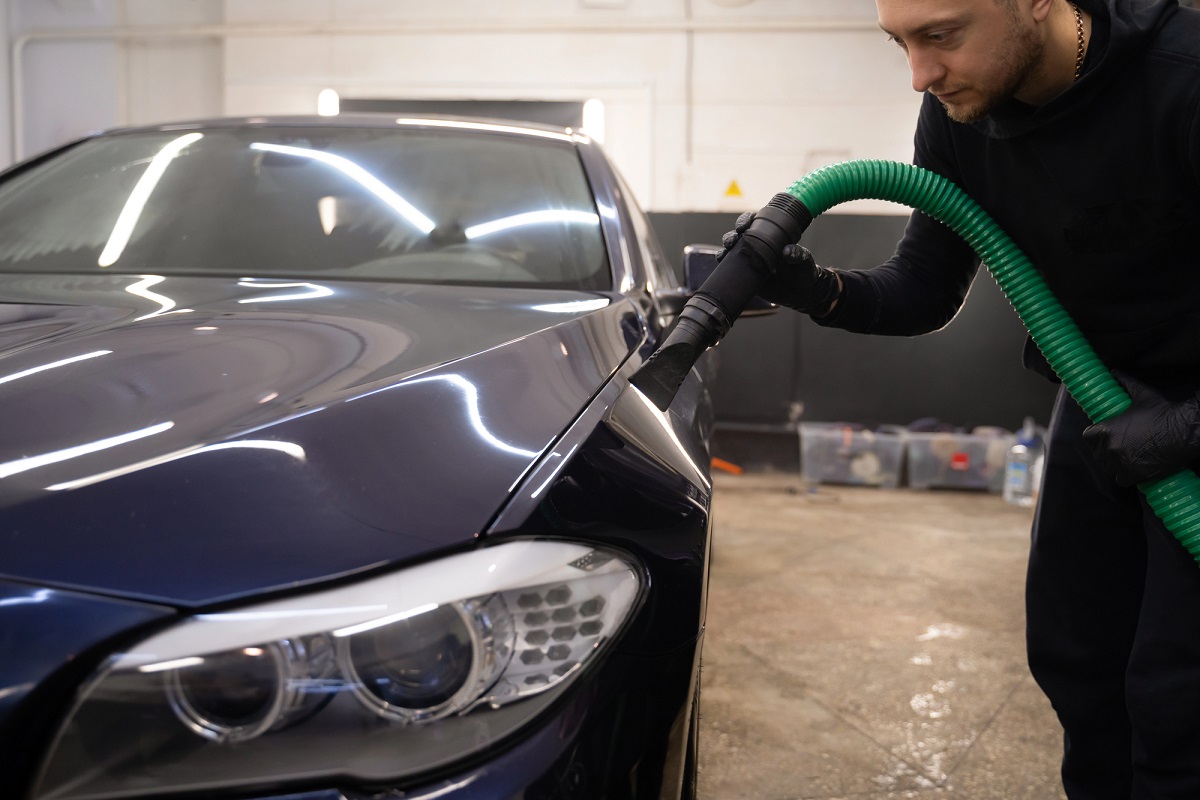
If you leave water to air-dry on your car after washing, it can evaporate and leave behind water spots, which are tough to remove once set. It’s best to dry your car as soon as you can after washing to prevent this. If you’re unable to dry it immediately, rinse the car with clean water to remove minerals and contaminants that could cause staining.
Overlooking the Wheels and Tires
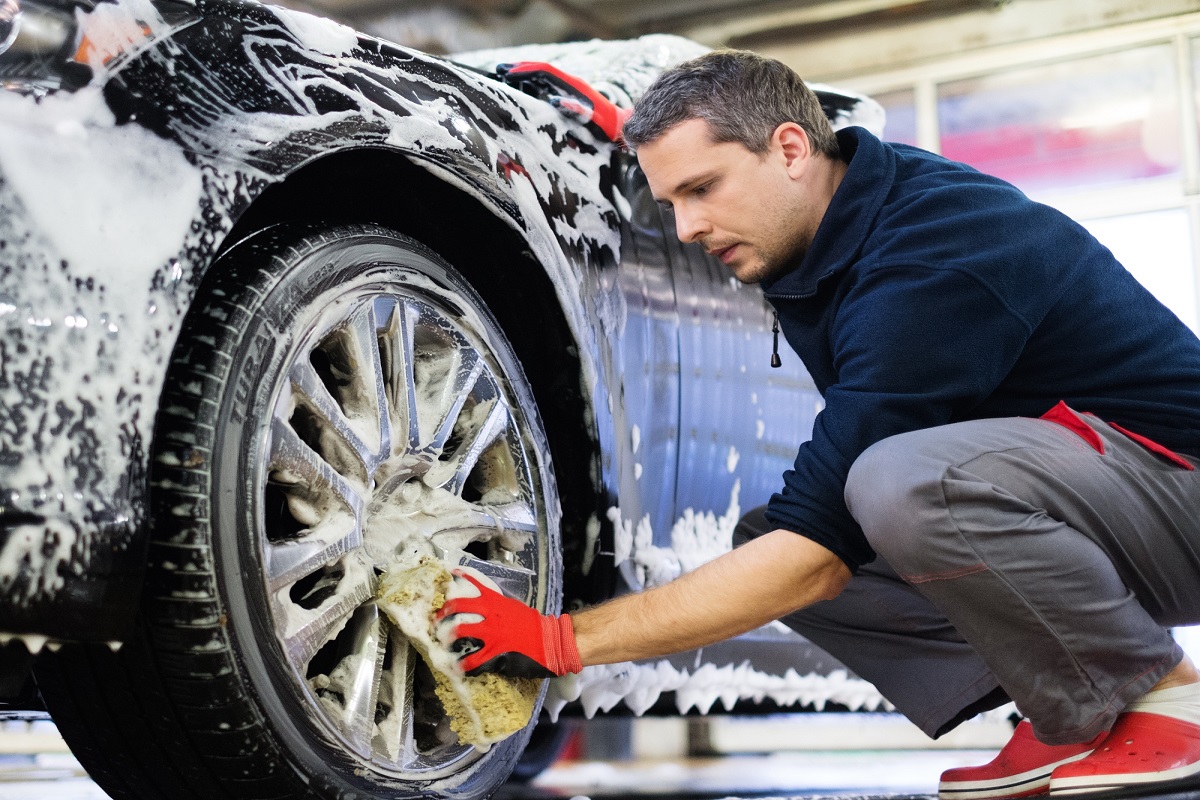
Wheels and tires often accumulate a significant amount of dirt and moisture that, if not dried properly, can stain or transfer to the body of your car. Be sure to use separate towels for the wheels and tires to avoid contamination. Drying these parts thoroughly also helps maintain the overall cleanliness of your car, ensuring no unsightly water streaks appear on the body.
Related: 13 Car Subscription Services That Could Replace Traditional Car Buying
Rubbing Instead of Blotting
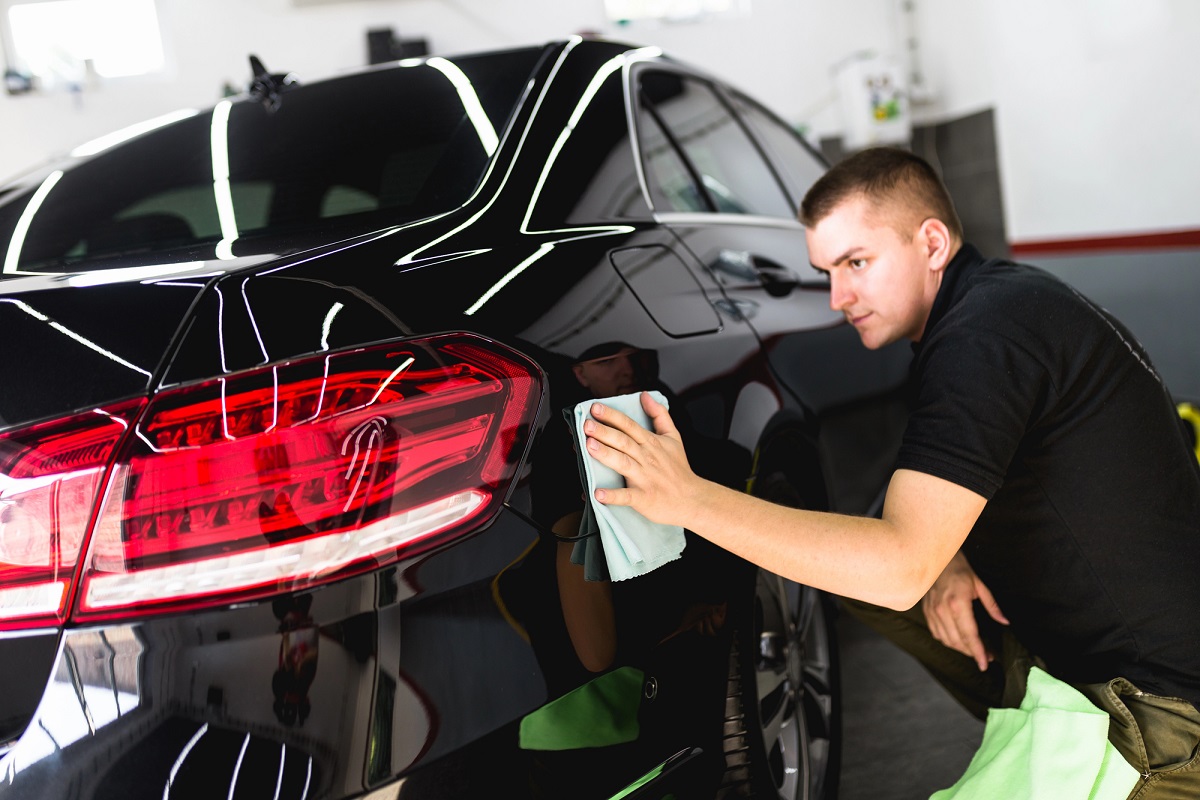
When you rub your towel across the surface, you risk pushing dirt or debris into the paint, which can cause swirl marks and scratches. Instead of rubbing, use a blotting motion, gently pressing the towel onto the surface to lift water off. This method minimizes the risk of damaging the paint while speeding up the drying process.
Related: 12 Scary Warning Signs Your Shocks And Struts Are About To Fail
Not Washing the Drying Towels Properly
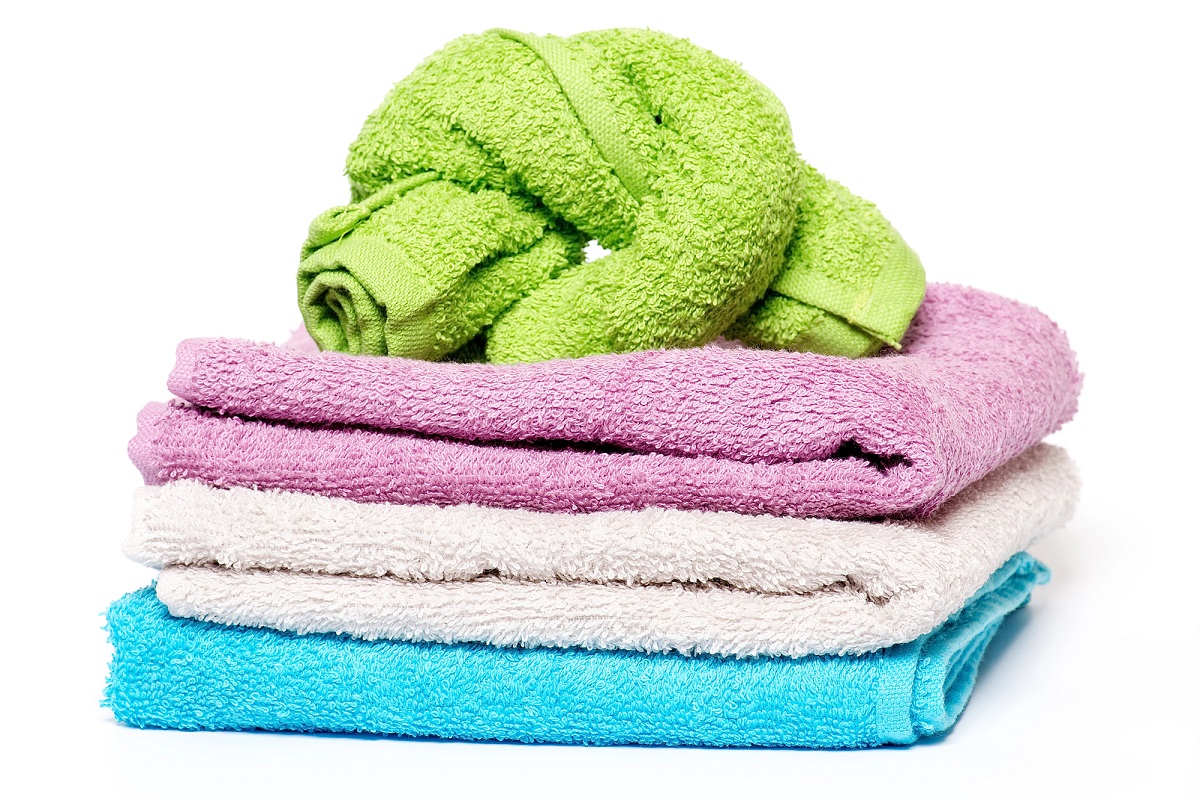
Dirty or poorly maintained drying towels can deposit grime, dust, and oils back onto your vehicle, effectively undoing all your hard work. It’s important to wash towels regularly with a mild detergent and avoid using fabric softeners, which can leave residue on the towel and harm the paint. Properly cleaned towels will maintain their softness and effectiveness over time, ensuring they won’t scratch or stain your car’s surface.
Related: 12 Genius Gift Ideas That Will Make Any Car Lover Freak Out
Using Synthetic Chamois Improperly
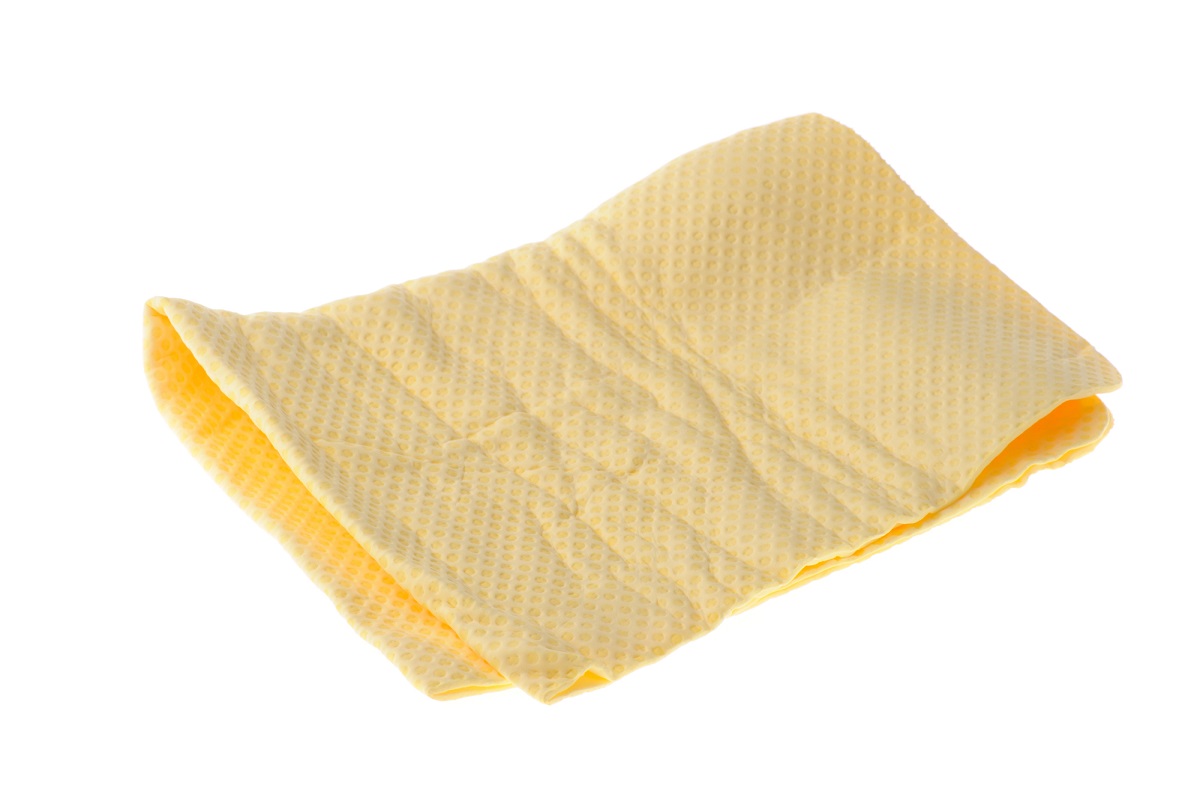
While synthetic chamois are highly absorbent, they can cause friction and even scratch the paint if used too roughly or when dry. Always make sure the chamois is damp before using it on your car’s surface. For a safer and more efficient drying option, microfiber towels can be an excellent alternative, as they are gentle and absorb moisture without causing harm to the paint.
Related: 13 Absolutely Ridiculous Car Nicknames That Somehow Make Total Sense
Drying Dirty Areas First
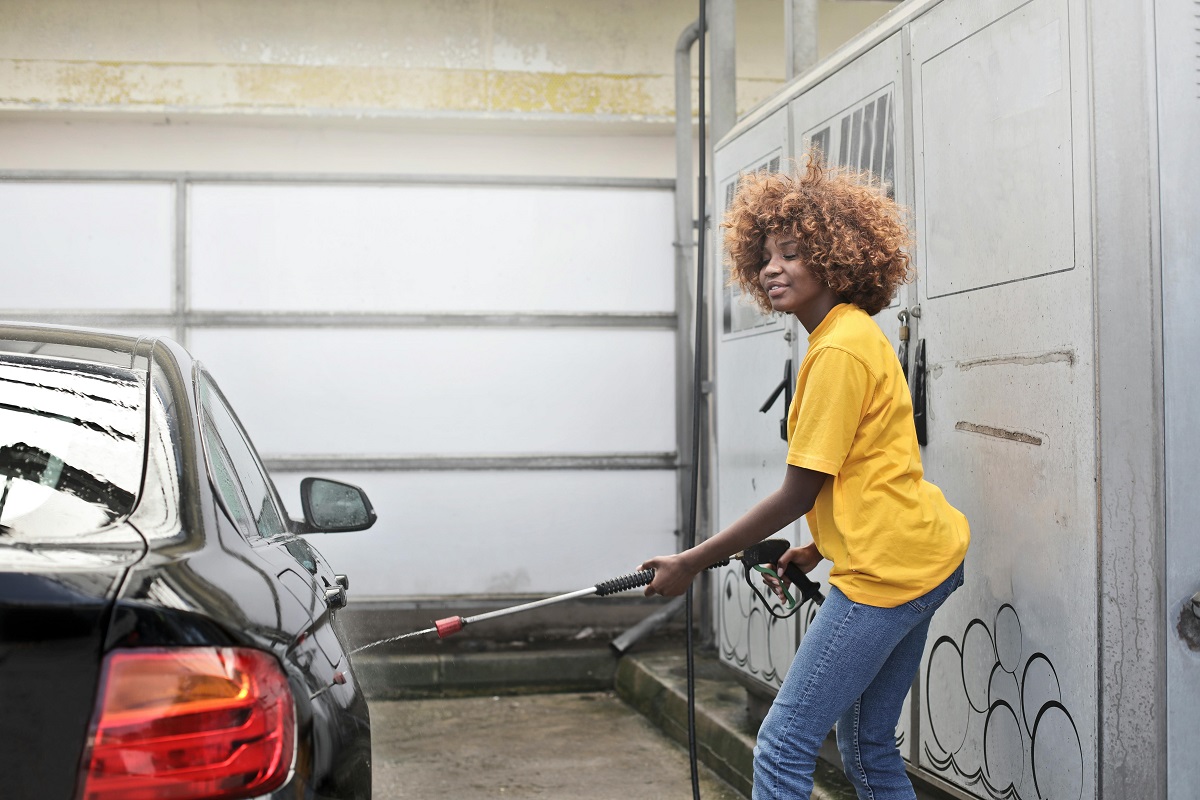
If you start drying the dirtier sections of your car, such as the wheels or lower body, it’s easy to transfer dirt onto cleaner areas of the vehicle. To avoid this, always begin drying from the top down, working on the roof, windows, and windshield first. This prevents dirt from spreading across the surface and ensures that the clean areas stay pristine.
Related: 13 Absolutely Genius Bumper Stickers That Are Too Funny to Ignore
Wiping in Circular Motions
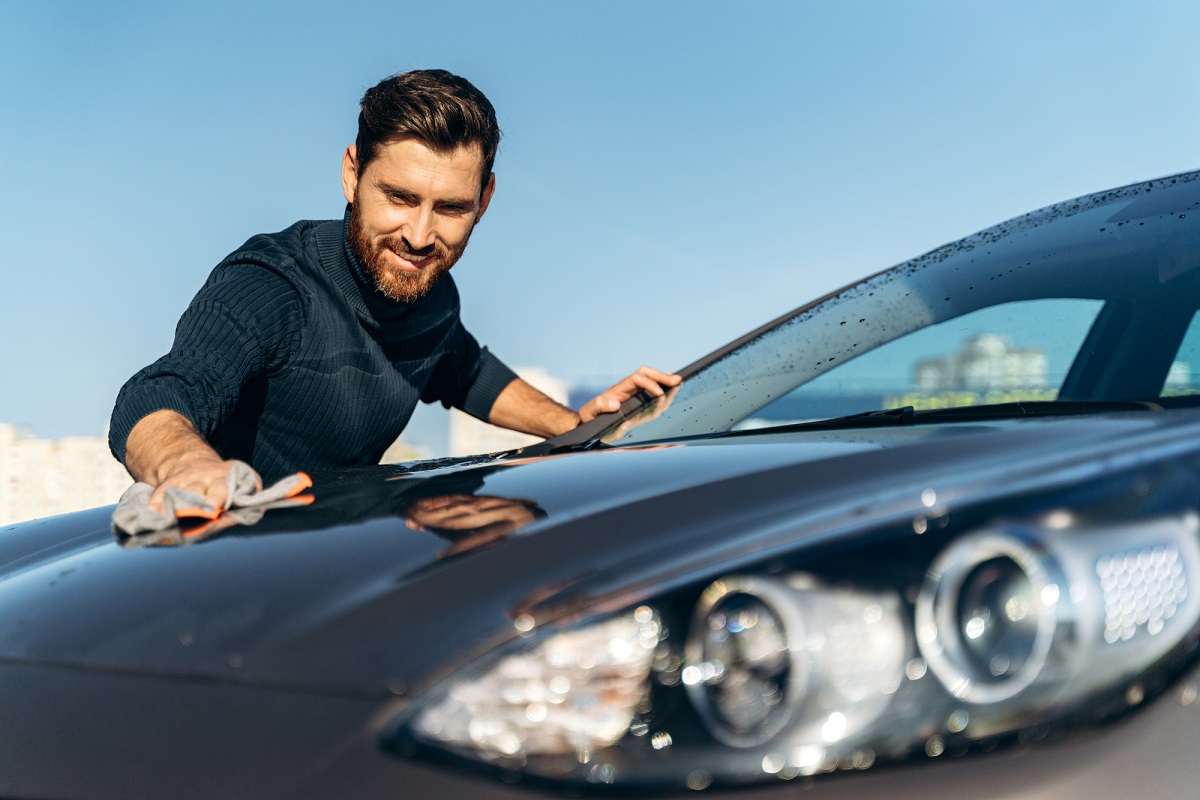
While circular wiping might feel natural, it can actually cause micro-scratches and swirl marks on your car’s paint, especially if there’s dirt or grit on the surface. The best practice is to wipe in straight lines or use a blotting technique to gently lift the water off. This method reduces the risk of damaging the paint and helps maintain that clean, streak-free shine.
Related: 12 Secret Millionaire Garages That Hide The Most Insane Car Collections
Using One Towel for the Entire Car
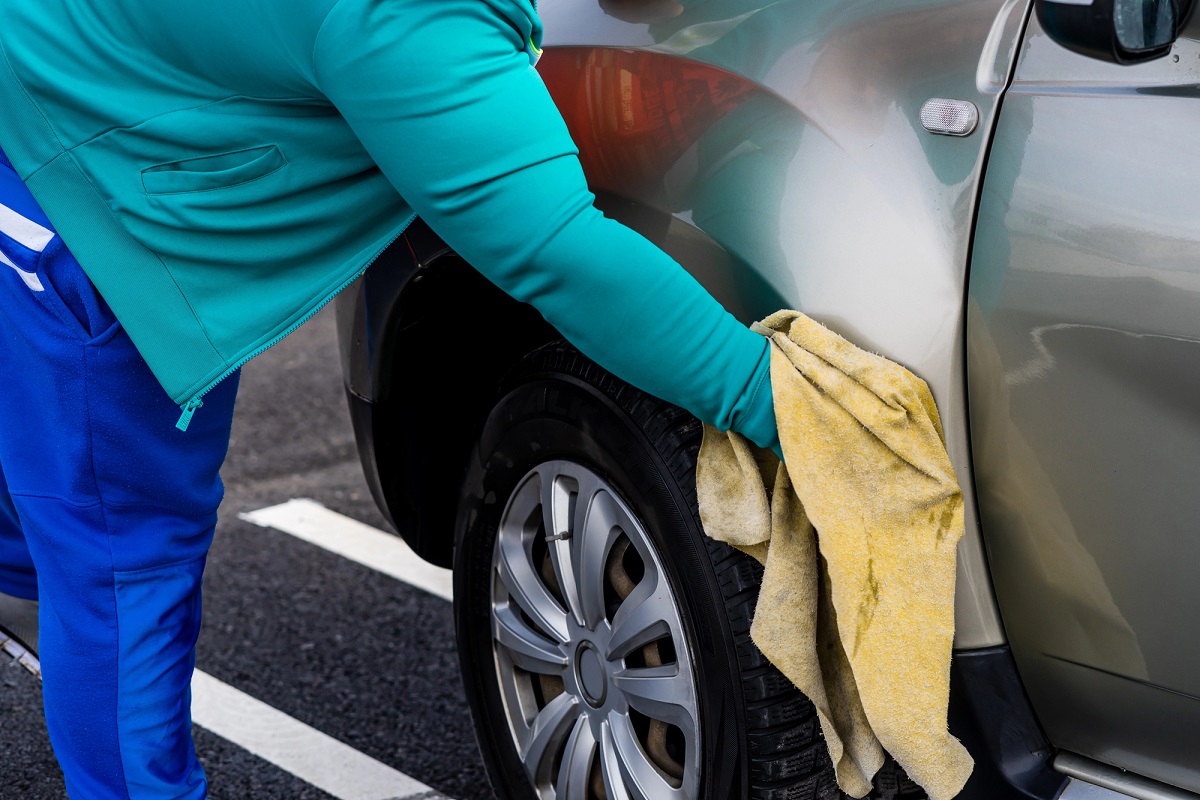
Using a single towel for the whole vehicle often leads to oversaturation, making the towel ineffective as it gets too damp. When the towel is overloaded, it can drag dirt back onto the surface, causing streaks or even small scratches. It’s recommended to use multiple towels, so each section is dried with a fresh, dry cloth.
Related: 14 Hybrid SUVs That Are Crushing Gas Cars in 2025
Drying your car the wrong way might not seem like a big deal, but over time, the damage adds up. Swirl marks, water spots, and dull paint all stem from improper post-wash habits. By switching to better tools, techniques, and a bit of patience, you can protect your car’s finish for years to come. Your drying method should be just as meticulous as your washing routine. Master these hacks, and your car will reward you with a lasting showroom shine.
Disclaimer: This list is solely the author’s opinion based on research and publicly available information.
13 Windshield Cleaning Errors You Didn’t Know Were Costing You Big Time

Proper windshield cleaning is essential for maintaining clear visibility, especially during harsh weather conditions. However, many car owners unknowingly commit errors that not only reduce the effectiveness of their cleaning efforts but can also lead to costly repairs. These common mistakes can result in streaks, scratches, and even damage to your vehicle’s windshield over time. It’s important to understand the right techniques and tools to ensure a pristine windshield that enhances safety and driving comfort.
Read it here: 13 Windshield Cleaning Errors You Didn’t Know Were Costing You Big Time
Here’s How To Stop Spring Showers From Ruining Your Car’s Paint
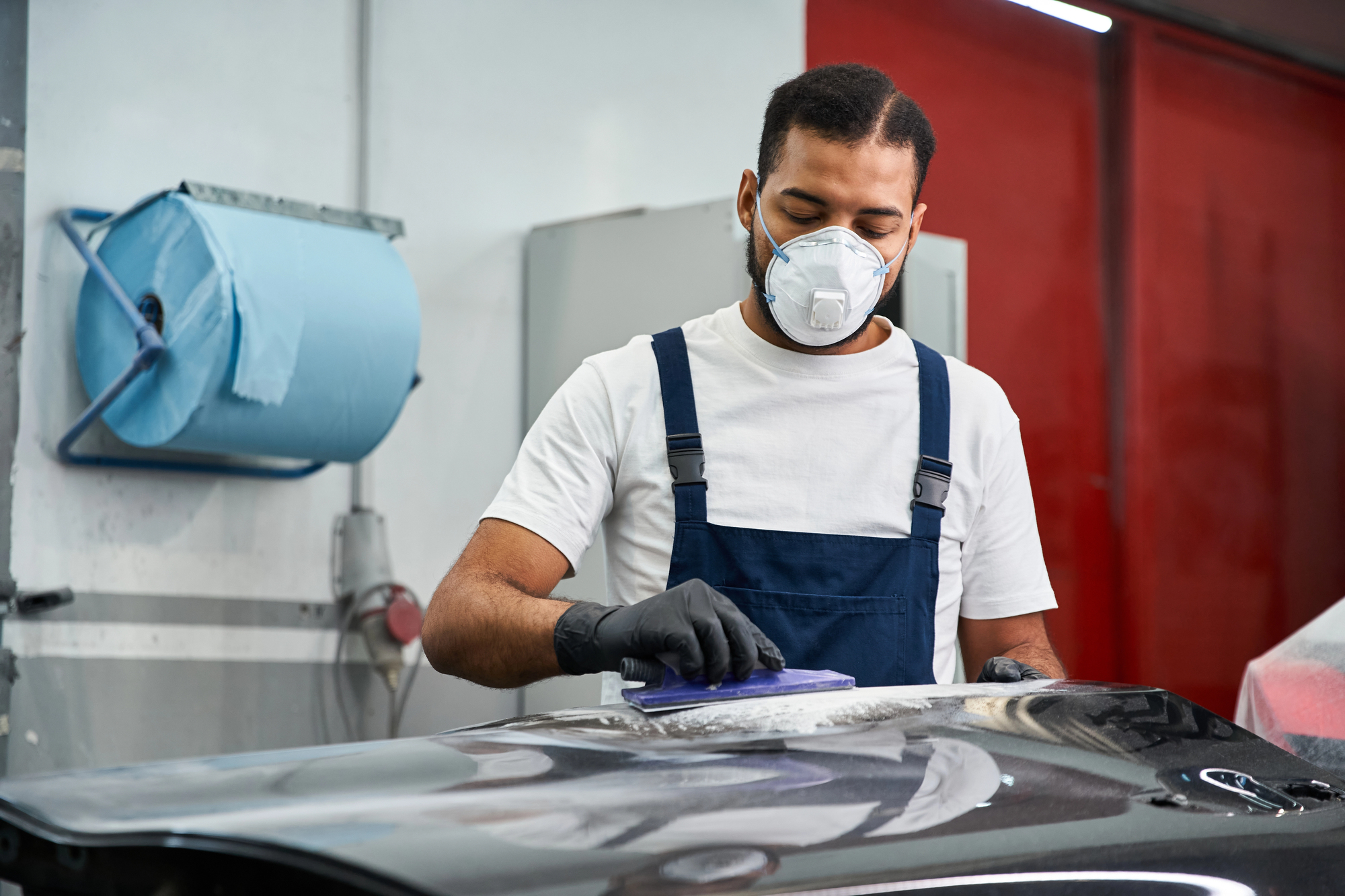
Spring is a beautiful time of year, but it can be tough on your car’s paint job. Rain brings not just water but also acidic contaminants that can eat away at your vehicle’s finish. To preserve your car’s shine and value, proactive steps are necessary during the rainy season. From protective coatings to smarter parking habits, these tips can help you maintain a clean and polished exterior throughout spring. Here are effective ways to prevent spring showers from ruining your car’s paint.
Read it here: Here’s How To Stop Spring Showers From Ruining Your Car’s Paint
You’ve Been Washing Your Car Wrong This Whole Time Here’s The Right Way

Many car owners think a quick soap and hose wash is enough to keep their ride looking fresh. However, improper washing techniques can cause swirl marks, scratches, and even damage to your car’s paint over time. If you’ve been using dish soap, washing in direct sunlight, or skipping important steps, you’re doing it wrong. Here are 12 expert-approved ways to wash your car the right way!
Read it here: You’ve Been Washing Your Car Wrong This Whole Time Here’s The Right Way
You’ll love these related posts: