Taxicabs have been a staple of American transportation for over a century, but behind the bright yellow exteriors and flashing rooftop signs lies a maze of strange laws and regulations. Some were created to protect passengers, while others seem to make little sense at all. These 13 bizarre rules and laws helped shape the taxi industry into what it is today.
New York Cabs Must Be Yellow by Law
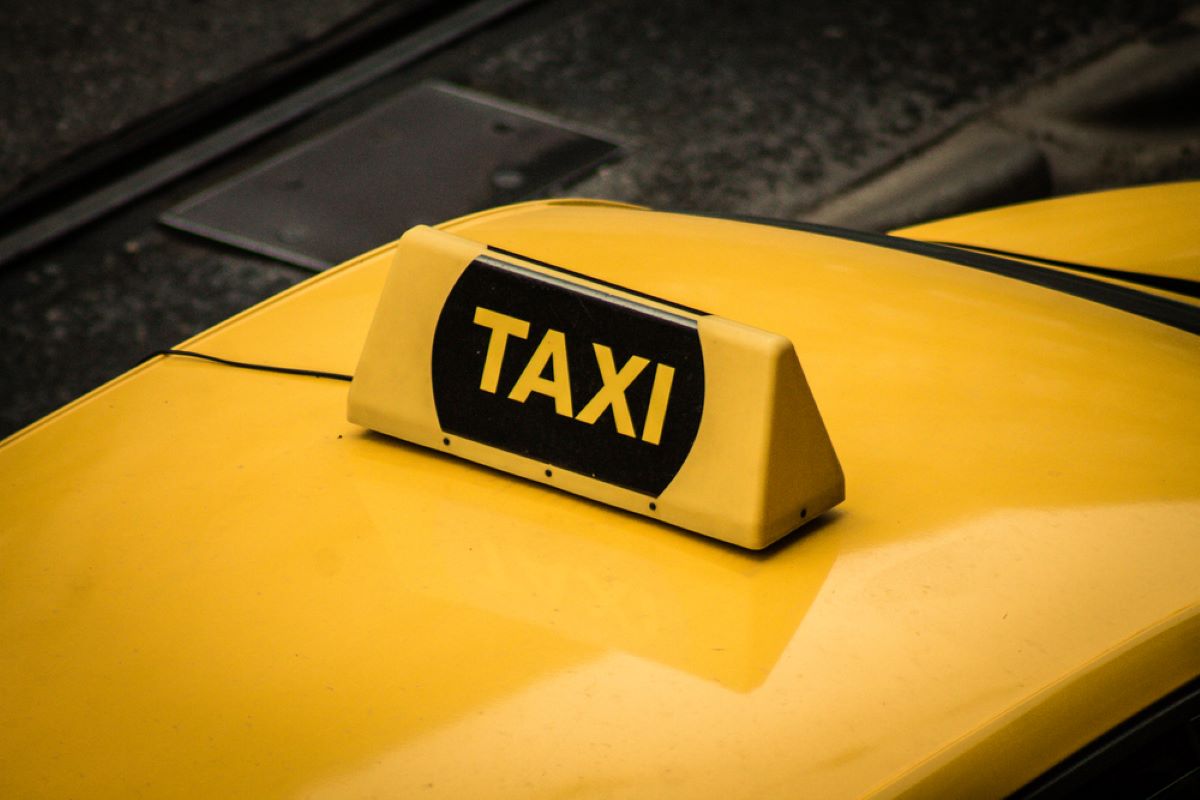
Since 1967, all official NYC taxis must be painted a specific shade of yellow to stand out from unlicensed cabs. The rule was implemented to help passengers easily identify legal taxis and avoid getting scammed. Anyone operating a non-yellow cab for public fares can face hefty fines and vehicle impoundment.
Las Vegas Taxis Can’t Use Airport Tunnel Without Permission

Drivers in Las Vegas were once notorious for “long-hauling” tourists by taking them through the airport tunnel unnecessarily. In response, authorities enacted strict rules preventing cabs from using the tunnel unless absolutely necessary. Any driver caught taking passengers on an unnecessary detour could be fined or lose their license.
Boston Taxis Had to Be Able to Fit a Trunk Load of Potatoes

In the mid-20th century, Boston had an unusual requirement: taxi trunks needed to be large enough to fit a specific number of potatoes. The rule was allegedly created to accommodate farmers who relied on cabs for produce transport. Though outdated, it highlighted how taxis once served more than just human passengers.
Honolulu Taxis Must Have Working Air Conditioning by Law

Given Hawaii’s warm climate, Honolulu enforces a rule that all taxis must have functioning air conditioning. If a cab’s AC breaks, it cannot legally pick up passengers until it is repaired. The law ensures tourists and locals alike don’t suffer through sweltering rides in the tropical heat.
Related: 13 Genius Things to Keep in Your Car That Will Make Your Life So Much Easier
In San Francisco, Taxi Fares are Determined by an Ancient Formula
San Francisco still calculates taxi fares using an old equation that factors in time, distance, and even certain traffic conditions. The pricing model was set decades ago and has barely changed, despite the introduction of rideshare services. Many taxi drivers argue that the outdated fare structure puts them at a disadvantage.
Related: 13 Smartest First Car Choices Millennials Can Make Without Regret
Washington, D.C. Once Had a “Zone-Based” Fare System

For years, Washington, D.C. operated on a confusing zone-based fare system rather than using meters. Instead of charging by distance, fares were determined by which zones a passenger traveled through. The system was so complex that it often led to disputes between drivers and customers.
Related: 15 Nostalgic ’80s & ’90s Cars That Are Making A Comeback
Taxis in Miami Must Have an Emergency Panic Button

To improve driver safety, Miami requires all taxis to be equipped with an emergency button that silently alerts authorities. This rule was implemented to combat crime and ensure drivers can call for help without escalating dangerous situations. Many cities have since adopted similar security measures.
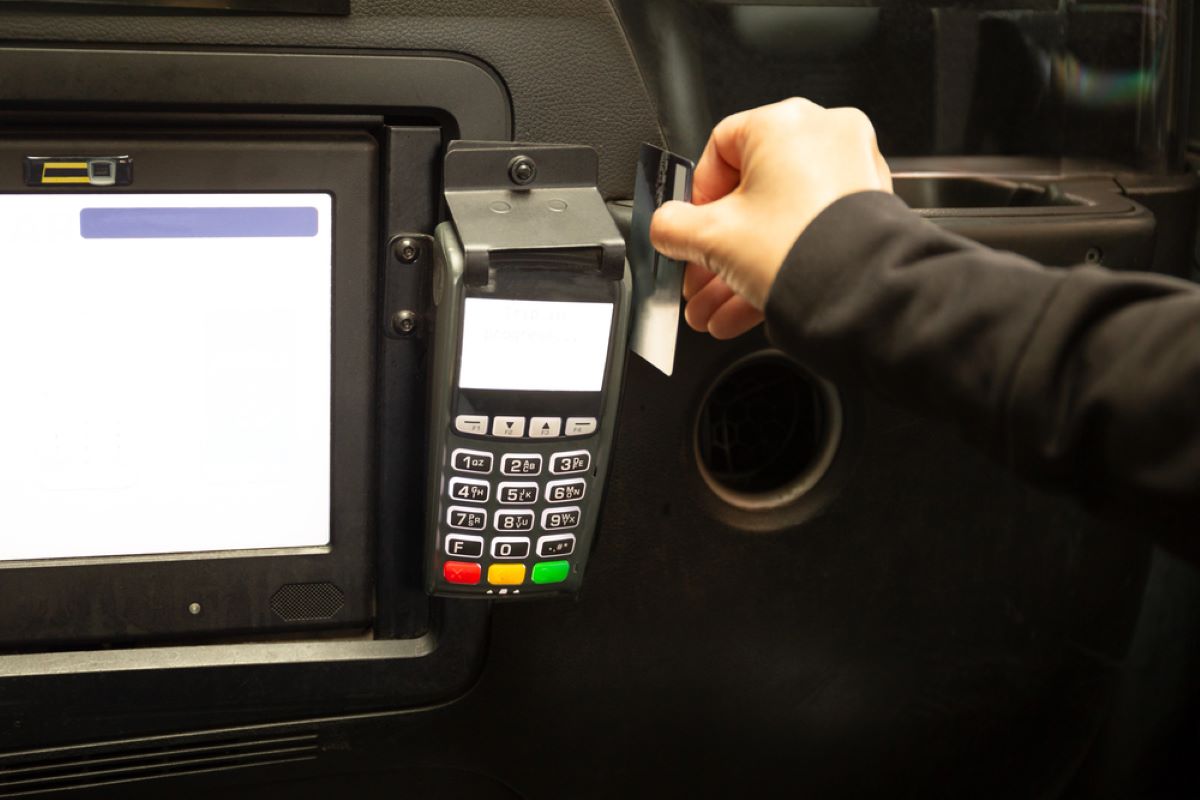
In Los Angeles, Taxis Must Be Capable of Accepting Cash and Credit

Unlike some rideshare services that operate cashless, Los Angeles mandates that all licensed taxis must accept both cash and credit card payments. This ensures that passengers, regardless of payment preference, can always find a ride. The law also prevents cab drivers from refusing fares based on payment type.
Related: 15 Cars That Defined Boomer Childhoods and Are Now Ultimate Collectibles
New York Once Banned Drivers from Wearing Shorts

In the 1990s, NYC enforced a dress code banning taxi drivers from wearing shorts while working. The rule was meant to maintain a professional appearance, but it sparked controversy during hot summers. It was eventually overturned, allowing drivers to dress more comfortably in extreme weather.
Related: 12 Luxurious Road Trip Cars That Redefine Comfort on the Road
Some Cities Require Taxis to Be Handicap-Accessible

Certain cities, including New York and Chicago, have laws requiring a percentage of taxis to be wheelchair-accessible. These laws aim to provide equal transportation options for people with disabilities. However, many taxi companies have struggled to comply due to the cost of modifying vehicles.
London’s Influence: Some American Cities Require “Knowledge Tests” for Taxi Drivers

Inspired by London’s legendary “Knowledge” test for cabbies, some U.S. cities have required drivers to pass rigorous exams about streets and landmarks. While GPS has made these tests less relevant, some places still mandate them to ensure drivers have a strong local knowledge.
Related: 12 Genius Upgrades That Will Transform Your Car’s Performance Instantly
Taxi Licenses (Medallions) in Some Cities Cost More Than a House
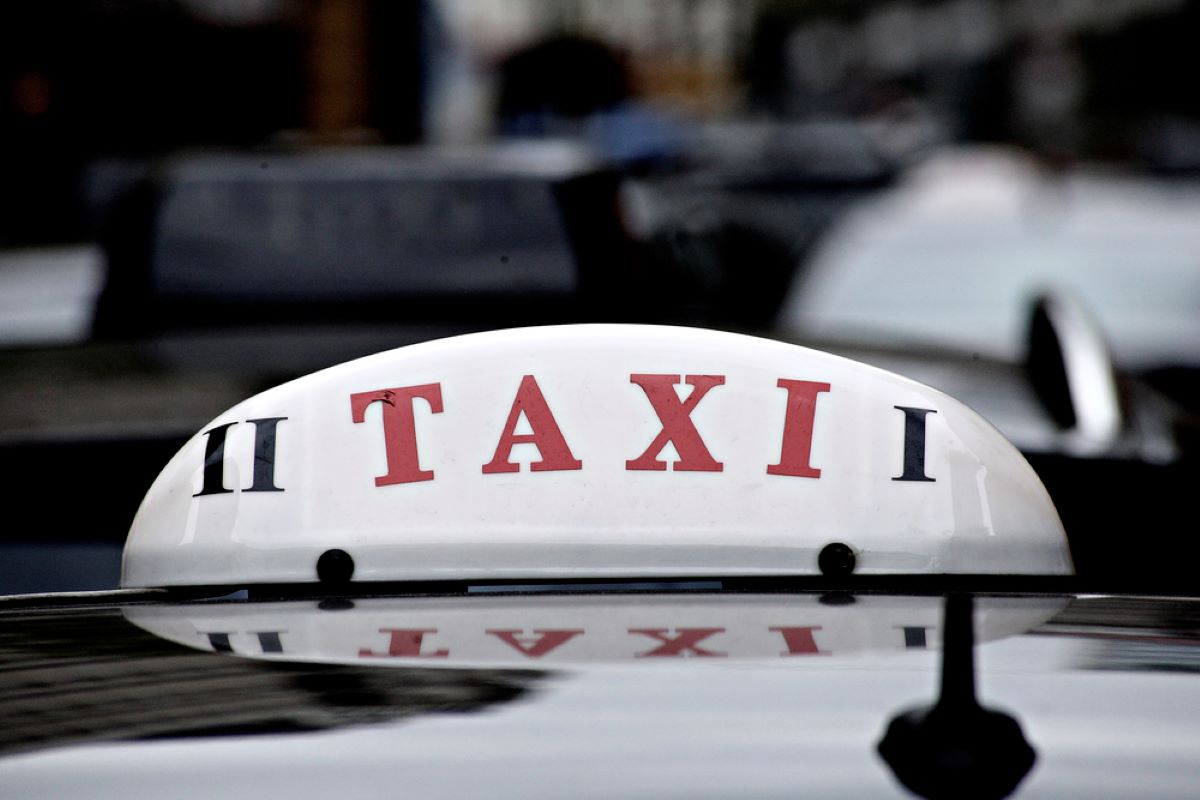
In cities like New York, taxi medallions official permits to operate a cab, once sold for over $1 million each. The extreme cost created a monopoly, with only a select few able to afford licenses. However, the rise of rideshare services has significantly lowered medallion values in recent years.
Related: 14 Shocking Reasons Your Car Is Burning Gas Faster Than It Should
Taxis Must Have Specific Insurance Coverage That’s More Expensive Than Personal Cars

Unlike regular vehicles, taxis are required to carry higher levels of insurance due to their commercial use. This rule ensures passengers are fully covered in case of accidents and unexpected emergencies. However, it also makes operating a cab significantly more expensive than driving a personal car daily.
Related: 12 Scary Car Emergencies and Exactly What to Do to Stay Safe
From strange color requirements to unexpected potato-trunk regulations, American taxi laws have taken some wild turns over the years. While some of these rules still make sense, others remain bizarre relics of the past. Have you ever encountered a strange taxi rule in your city?
Disclaimer: This list is solely the author’s opinion based on research and publicly available information.
12 Weird Ways Your Car Reveals More About You Than You Think

Your car is more than just a way to get from point A to point B, it’s a reflection of your personality, habits, and lifestyle choices. Every detail, from the color of your vehicle to how clean or messy you keep it, says something about you. If you’ve ever wondered what your car might be silently telling the world, here are 12 weird ways your vehicle reveals more about you than you think.
Read it here: 12 Weird Ways Your Car Reveals More About You Than You Think
13 Hidden Dangers on the Road That Most Drivers Ignore

Driving safely isn’t just about following the rules, it’s about knowing how to react in different situations. Whether you’re dealing with bad weather, tricky road conditions, or vehicle maintenance concerns, having the right knowledge can make a huge difference. To help you stay prepared, we’ve answered 13 of the most common driving safety questions. Let’s dive in.
Read it here: 13 Hidden Dangers on the Road That Most Drivers Ignore
Mechanic-Approved! 12 Expert Answers to Your Car Problems

Keeping your car in top shape means understanding common issues and how to fix them. Whether it’s strange noises, warning lights, or performance problems, knowing what’s wrong can save you time and money. Here are 12 expert-approved answers to some of the most frequent car questions.
Read it here: Mechanic-Approved! 12 Expert Answers to Your Car Problems
You’ll love these related posts:
- 15 Futuristic Car Innovations That Prove Tesla Is Playing a Different Game
- 12 Most Unforgettable Movie Cars That Every Fan Wishes They Owned
- The 15 Biggest Disruptions in Car History That No One Saw Coming
- 15 Insanely Clever Driving Hacks Every Car Owner Wishes They Knew Sooner
- These 12 Cars Are Appreciating Like Fine Wine – And Why You Should Consider Buying Now