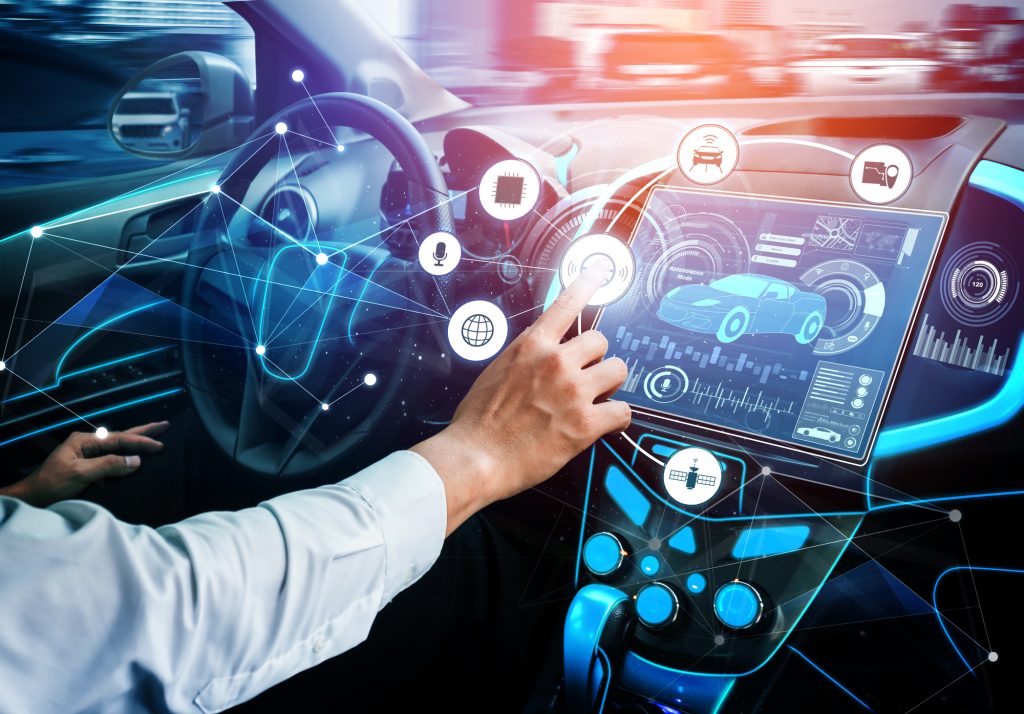
Modern driving is more intelligent than ever, thanks to the advanced sensor systems revolutionizing vehicle safety and performance. These cutting-edge sensors do more than just alert you to danger, they actively help prevent accidents and make navigating tricky roads feel less daunting. Whether foggy highways, icy mountain passes, or chaotic city traffic, smart sensors are like having an extra set of eyes and reflexes. Here are 12 powerful sensor systems that are transforming how we handle high-risk driving conditions.
Rear Occupant Alert Systems

Sensors located in the back seats monitor weight distribution and movement, detecting if someone is left behind when the vehicle is turned off. If the driver exits and locks the car while a passenger, often a child or pet, is still inside, the system triggers visual and audio warnings. Some models also send alerts to your phone, providing an extra layer of security against tragic oversights.
Electronic Stability Control (ESC) Sensors
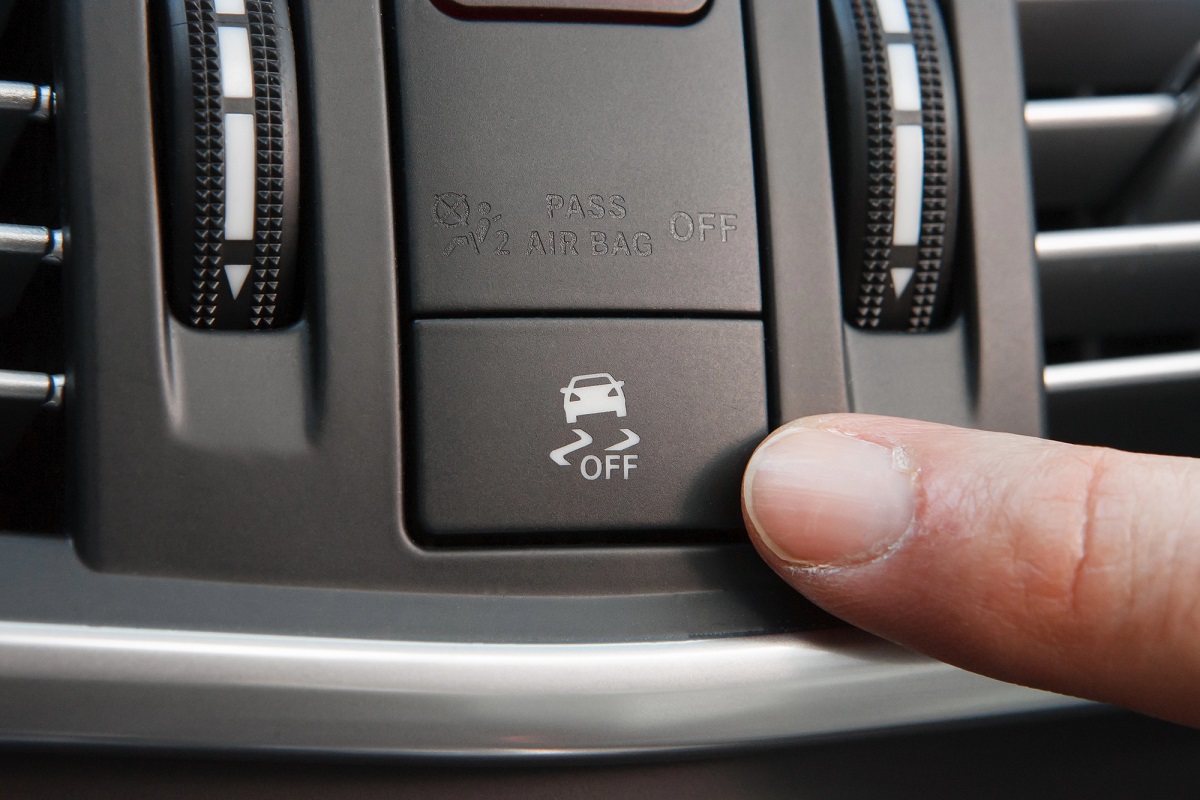
ESC uses a network of gyroscopic and wheel-speed sensors to detect when the vehicle begins to oversteer or understeer. It selectively applies braking to individual wheels and adjusts engine power to bring the car back in line with your steering input. This automatic correction dramatically reduces the likelihood of skidding and rollovers on wet or uneven road surfaces.
Hill Descent and Incline Sensors
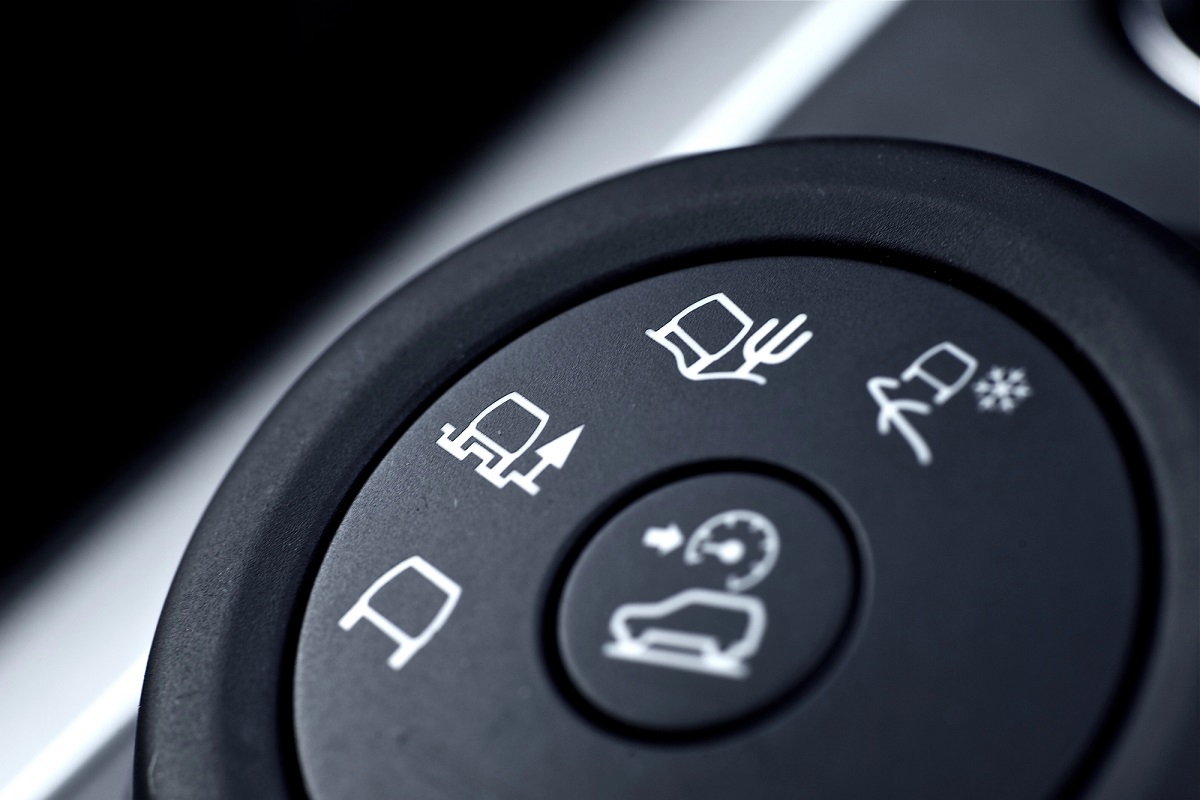
In steep driving conditions, these sensors monitor vehicle angle and rate of descent to maintain a controlled, steady pace. The system regulates braking and engine output automatically, minimizing wheel slip and driver input. This is especially useful during off-road adventures, snowy hills, or rocky terrain where manual braking could lead to dangerous skidding or loss of control.
Driver Monitoring Systems
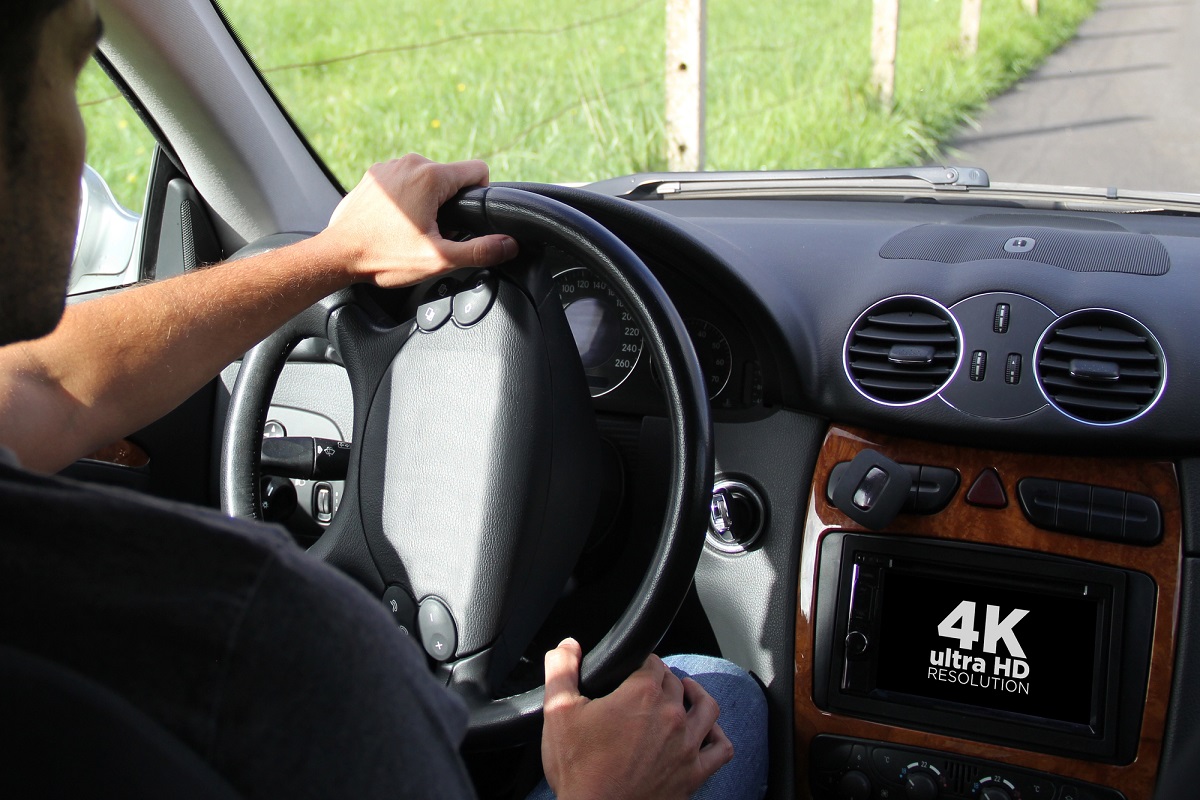
Using infrared cameras or facial recognition sensors, these systems analyze the driver’s head position, eye movement, and blink rate to detect signs of drowsiness or distraction. If inattentiveness is detected, the system issues escalating alerts, from gentle chimes to visual cues and even seat vibrations. Some vehicles can initiate braking or steering interventions if the driver fails to respond, serving as a last line of defense.
Related: 13 Ways That Aerodynamics Is Quietly Controlling Your Driving Costs
Rain and Light Sensors
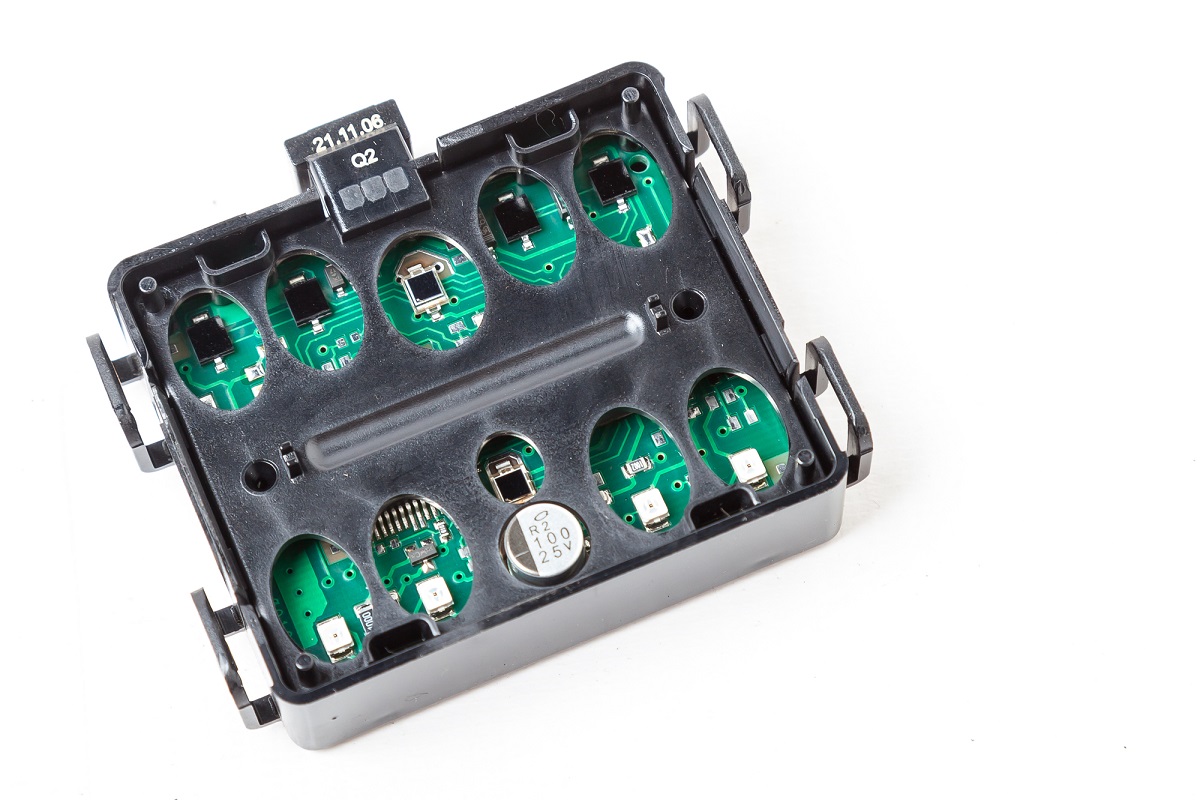
A small sensor mounted on the windshield detects moisture and adjusts the windshield wiper speed automatically based on rain intensity. Similarly, ambient light sensors activate your headlights when it gets dark or when entering tunnels and shaded areas. These systems ensure you maintain optimal visibility without taking your hands off the wheel or diverting your attention from the road.
Related: 11 GPS Strategies That Could Be Secretly Saving You Hundreds On Fuel
Tire Pressure Monitoring Systems (TPMS)

Each wheel is equipped with pressure sensors that measure air levels and transmit this data wirelessly to your vehicle’s onboard computer. If any tire falls below the recommended pressure, the system triggers a warning on your dashboard. Proper tire pressure not only ensures better traction and handling but also helps reduce tire wear and improve fuel efficiency critical on slippery or rugged roads.
Related: 13 RV Electrical Nightmares That Strike When You’re Miles From Help
Traffic Sign Recognition

High-resolution forward-facing cameras scan the environment for speed limit signs, yield signs, and other regulatory markers. The system interprets and displays these signs in real time on your dashboard or head-up display, keeping you informed and helping you obey traffic laws. This becomes especially valuable in unfamiliar areas or when weather conditions obscure road signs.
Related: 11 Life Saving Reasons Night Vision Features Are Essential For Every Driver
Adaptive Cruise Control (ACC)
ACC enhances regular cruise control by maintaining a safe following distance from the car ahead using radar and camera data. It adjusts your speed automatically, slowing down or speeding up to match traffic flow without needing constant manual input. In stop-and-go traffic, some systems can bring your vehicle to a complete stop and resume driving automatically, making long commutes far less stressful.
Related: 11 Innovative Airbag Technologies Revolutionizing Vehicle Safety
Rear Cross-Traffic Alert
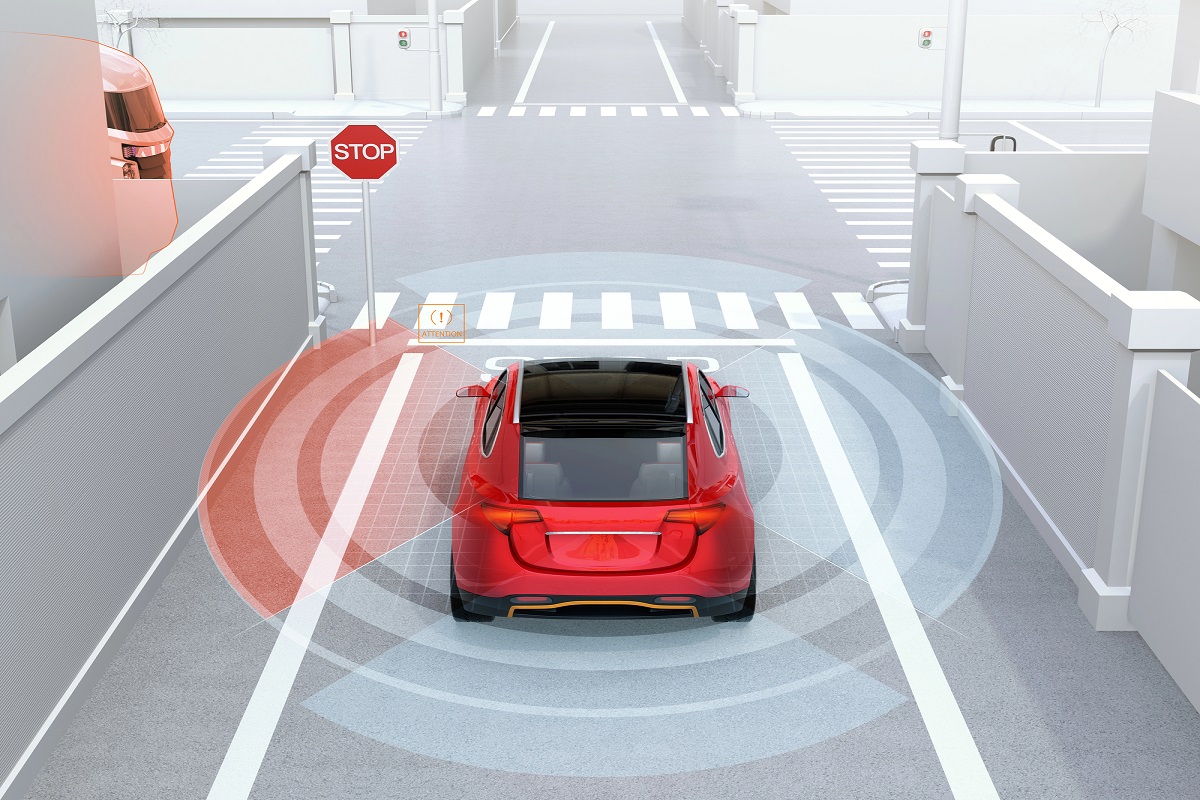
This sensor system activates when your car is in reverse and detects traffic approaching from the left or right behind you. It uses wide-angle radar sensors located in the rear bumper to spot vehicles, cyclists, or pedestrians that may be moving into your path. The system provides audible warnings and, in some vehicles, may even apply the brakes to avoid a collision while backing out of parking spots.
Related: 12 Heated And Ventilated Seat Features You Didn’t Know You Needed
Road Surface Condition Detection

Some luxury vehicles now feature sensors that analyze the texture and grip of the road surface. These systems can adjust traction control, suspension, or braking accordingly. It’s like having a co-pilot reading the road surface beneath your tires to optimize safety in real time.
Related: 15 Hidden Perks In Car Wireless Charging You Didn’t Know About
Lane Departure Warning and Lane-Keeping Assist
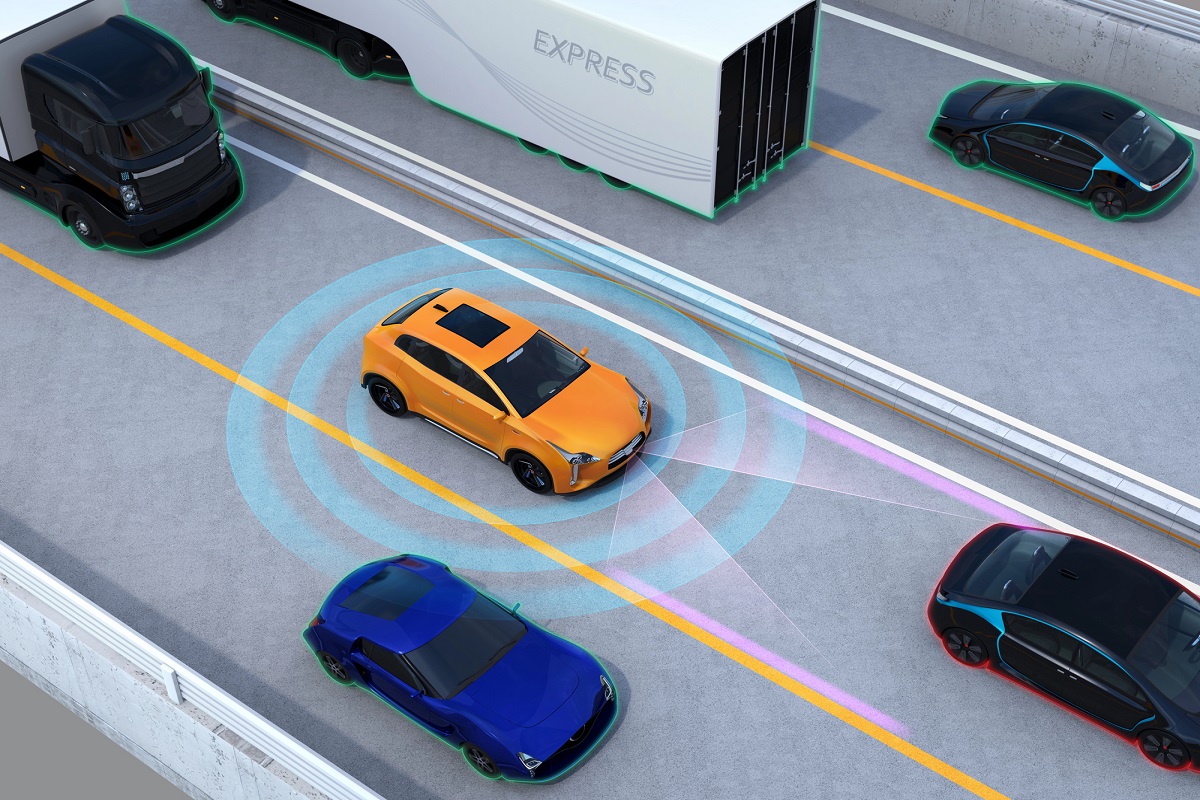
Cameras track lane markings to detect when your vehicle starts drifting unintentionally. The system then alerts you or even gently steers you back if you’re veering out of your lane. It’s especially useful during long drives or when driving at night on poorly marked roads.
Related: 13 Car Body Styles Everyone Regrets During Usage
Automatic Emergency Braking (AEB)

AEB sensors can sense imminent crashes and apply the brakes automatically if you don’t react in time. They combine radar and camera data to calculate safe stopping distances in real time. This system dramatically reduces rear-end collisions and is becoming standard in many vehicles.
Related: 11 Effective Ways To Organize Your Car And Boost Your Daily Productivity
Sensor technology has become the unsung hero of modern driving, giving us greater confidence and control in even the most challenging road conditions. These systems don’t just respond, they anticipate danger, protect passengers, and adapt to real-time changes around the vehicle. Whether it’s helping you brake in time, steer within your lane, or detect invisible hazards, they are making driving smarter, safer, and more intuitive.
Disclaimer: This list is solely the author’s opinion based on research and publicly available information.
11 Reasons Cars Will Never Be Fully Automated And How It Affects You

The promise of fully automated vehicles has captured the imagination of tech enthusiasts, automakers, and futurists for years. While major strides have been made in autonomous technology, several persistent obstacles suggest that total automation may remain just out of reach. These barriers not only delay full automation but also shape how drivers, passengers, and pedestrians interact with transportation today and in the future. Here are 11 reasons why cars may never be fully automated and what that means for you.
Read it here: 11 Reasons Cars Will Never Be Fully Automated And How It Affects You
12 Genius Multimeter Hacks Every Driver Needs To Know To Avoid Major Car Repair Bill

A multimeter is one of the most underrated tools a driver can own, yet it holds the power to diagnose problems before they become costly repairs. With a bit of know-how, you can use a multimeter to check key components in your car and avoid unnecessary trips to the mechanic. These hacks aren’t just for professionals, they’re simple enough for any car owner to master with a little patience. From dead batteries to faulty sensors, understanding how to use a multimeter can keep you one step ahead of expensive surprises.
Read it here: 12 Genius Multimeter Hacks Every Driver Needs To Know To Avoid Major Car Repair Bill
These 15 Deadly Roadside Dangers Put Truckers At Risk Every Day

The open road is full of hidden threats that can turn a routine drive into a dangerous situation for truckers. Every day, professional drivers face unpredictable hazards ranging from poor weather conditions to reckless motorists. Being aware of these risks and knowing how to handle them is essential to staying safe on the road. While experience helps truckers navigate challenges, some dangers remain unavoidable.
Read it here: These 15 Deadly Roadside Dangers Put Truckers At Risk Every Day
You’ll love these related posts:
- 11 Cars Seniors Are Choosing For Effortless Independence And Comfortable Rides
- 15 Road Trip Secrets That Save Your Sanity When Traveling With Kids
- 12 Genius Car Mods That Add Style And Value Without Breaking The Bank
- 12 Genius Ways Public Transit Could End Your Daily Gridlock
- 12 Common Car Lighting Mistakes That Could Lead To Serious Consequences