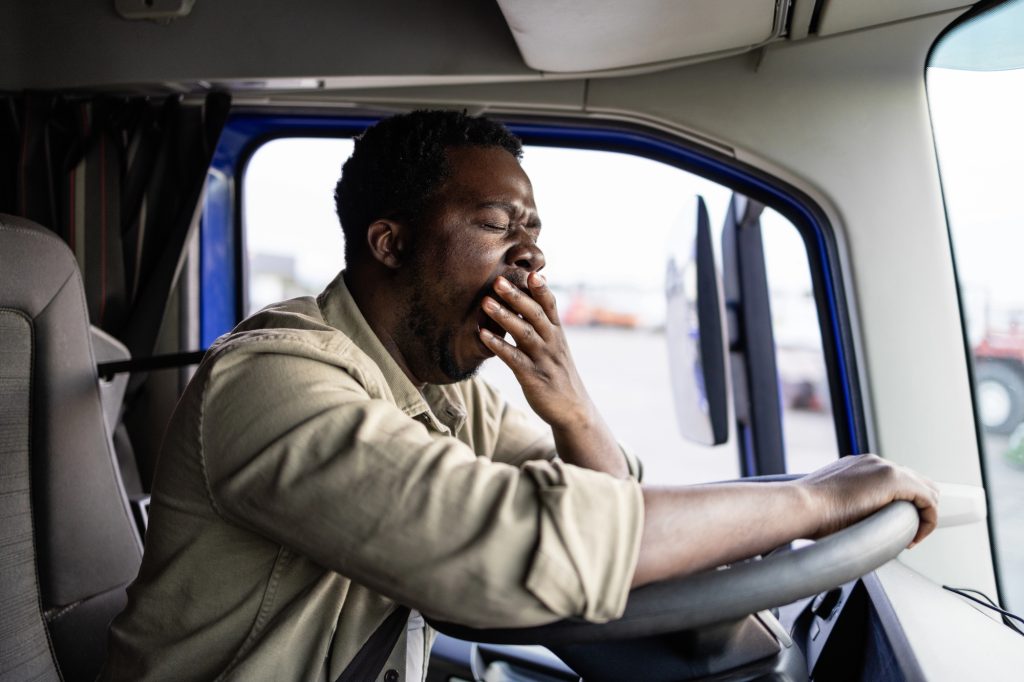
The open road is full of hidden threats that can turn a routine drive into a dangerous situation for truckers. Every day, professional drivers face unpredictable hazards ranging from poor weather conditions to reckless motorists. Being aware of these risks and knowing how to handle them is essential to staying safe on the road. While experience helps truckers navigate challenges, some dangers remain unavoidable.
Distracted Drivers

Passenger vehicle drivers who text, eat, or engage in other distractions pose a serious threat to truckers. These inattentive motorists often fail to notice large trucks or misjudge their movements, leading to accidents. Truckers must remain vigilant, anticipate reckless behavior, and maintain a safe following distance at all times
Unpredictable Weather Conditions

Truckers frequently encounter hazardous weather conditions like heavy rain, snow, and fog, which can reduce visibility and make roads slippery. Sudden storms and high winds can also cause instability, making it difficult to maintain control of the vehicle. Drivers must always check forecasts, adjust their speed accordingly, and be prepared to pull over when conditions become too severe.
Fatigue and Drowsy Driving

Long hours on the road can lead to fatigue, significantly impairing a trucker’s reaction time and decision-making ability. Many truckers push themselves to meet deadlines, sometimes ignoring the need for rest breaks. Proper scheduling, adhering to hours-of-service regulations, and getting quality sleep are critical for avoiding fatigue-related accidents.
Poorly Maintained Roads

Potholes, uneven pavement, and lack of proper road signage can create dangerous conditions for truckers. These hazards can lead to tire blowouts, loss of control, and vehicle damage. Truckers must stay alert, adjust their speed when approaching rough roads, and report hazardous conditions when possible.
Related: 11 Stunning Electric Toy Cars So Realistic Even Adults Want One
Reckless Motorists Cutting Off Trucks

Some drivers fail to respect the size and braking distance of semi-trucks, often cutting in front of them abruptly. This reckless behavior can result in sudden braking, which increases the risk of jackknifing or rear-end collisions. Truckers should anticipate these actions and leave extra space to react safely.
Related: 12 Drop-Dead Gorgeous ‘50s Convertibles Everyone Wishes They Owned
Brake Failures and Mechanical Issues

Truck breakdowns and brake failures can occur unexpectedly, making it difficult to control the vehicle. Regular maintenance checks and pre-trip inspections are crucial to ensuring that all components function properly. Truckers should always have a contingency plan in case of a mechanical failure on the road.
Related: 11 Awesome Reasons Why Automakers Are Turning Car Interiors Into High Tech Lounges
Work Zones and Construction Areas

Roadwork zones often create tight lanes, sudden detours, and unexpected stops, increasing the risk of accidents. Poorly marked construction areas can add to the confusion, making navigation more challenging. Truckers must reduce speed, stay alert for workers, and follow posted signs carefully.
Related: 11 Anti-Theft Features That Could Save Your Car From Being Stolen
Unsecured Cargo and Load Shifts

Improperly secured cargo can shift unexpectedly, affecting the truck’s balance and handling. Load shifts may lead to rollovers or lost freight, causing significant delays and dangers on the road. Conducting thorough cargo inspections and following proper load-securing procedures can prevent such incidents.
Related: 13 Jaw-Dropping Reasons Car Lovers Are Obsessed With AI-Powered Vehicles
Aggressive Drivers and Road Rage

Truckers often encounter impatient drivers who tailgate, weave through traffic, or display road rage. These aggressive actions increase the likelihood of accidents and create unnecessary stress. Staying calm, avoiding confrontations, and allowing aggressive drivers to pass safely can help mitigate the risks.
Related: 12 Adorable Cars You Can Buy For Less Than 10,000 Dollars
Blind Spots and Lane Changes

Large trucks have significant blind spots that make it difficult to see surrounding vehicles. Passenger cars may linger in these areas, increasing the chance of a collision when changing lanes. Truckers should use their mirrors frequently, signal early, and be aware of potential vehicles in their blind spots.
Related: 11 Genius Eletric Vehicle Hacks That Instantly Boost Your Battery Range
Tire Blowouts

A sudden tire blowout can cause a truck to swerve unpredictably, endangering the driver and others on the road. Poor tire maintenance, overloading, and road debris can all contribute to blowouts. Routine tire inspections and proper inflation levels are necessary to reduce this risk.
Related: 12 Shocking Truths About Electric Off-Roaders That Will Change How You See Them
Sudden Traffic Jams and Stop-and-Go Traffic

Unexpected traffic congestion can lead to abrupt stops, increasing the likelihood of rear-end collisions. Trucks require longer stopping distances, making stop-and-go traffic especially hazardous. Drivers should maintain a safe distance, anticipate slowdowns, and avoid sudden braking when possible.
Related: 14 Jaw Dropping Reasons Your Car Keys Might Disappear Sooner Than You Expect
Medical Emergencies While Driving
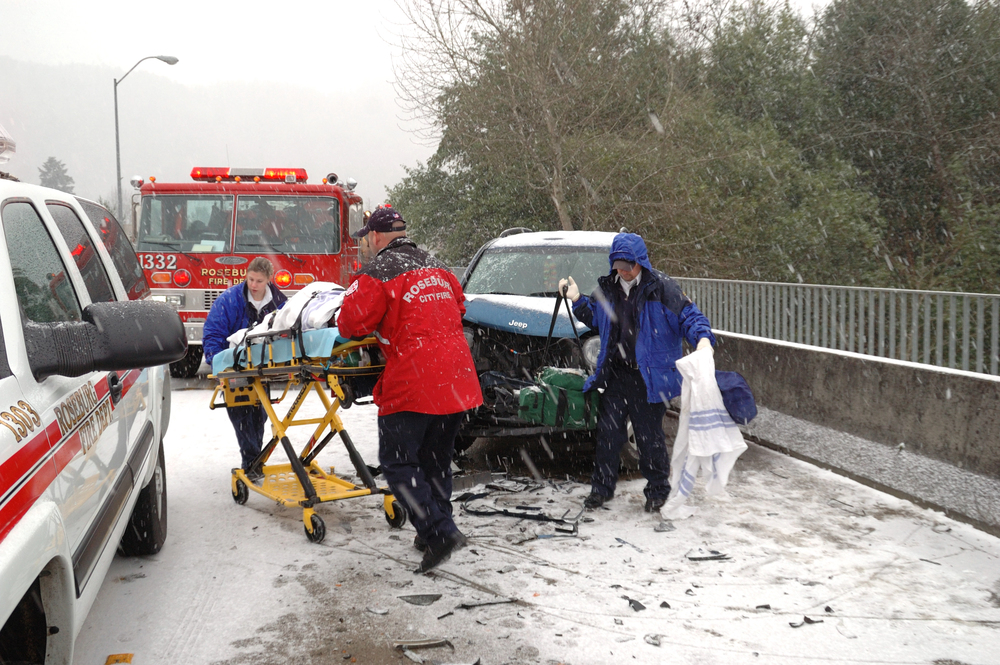
Truckers spend long hours behind the wheel, making them susceptible to medical emergencies such as heart attacks or strokes. Health conditions can quickly become life-threatening if they occur while driving. Regular medical checkups, staying hydrated, and recognizing warning signs can help prevent serious incidents
Related: 14 New Electric Cars You Need To Know About In 2025
Strong Crosswinds

High winds can destabilize trucks, particularly when hauling empty trailers. Crosswinds on open highways and bridges can push trucks off course, making it difficult to maintain control. Drivers should monitor wind conditions and adjust their speed or route if necessary.
Related: 11 Secrets Behind Alfa Romeo’s Bold Electric Revolution
Overhead Clearance Issues

Low bridges, tunnels, and overpasses with inadequate clearance can lead to devastating collisions. Truckers must always be aware of height restrictions and plan routes accordingly to avoid tight clearances. Using GPS systems designed for commercial vehicles can help prevent these dangerous situations.
Related: 11 Secrets Behind Alfa Romeo’s Bold Electric Revolution
Truckers must remain constantly alert and prepared for these roadside dangers that threaten their safety every day. Proper training, regular vehicle maintenance, and defensive driving techniques are crucial in reducing risks on the road. While some hazards are unavoidable, staying informed and proactive can make all the difference. Trucking is a demanding profession, but those who take precautions and stay vigilant can navigate the highways more safely. Awareness and preparedness are the keys to ensuring that every journey ends without incident.
Disclaimer: This list is solely the author’s opinion based on research and publicly available information.
Are Speed Traps About Safety Or Just A Cash Grab

Speed traps have been a controversial topic for years, with many drivers wondering if they truly exist to keep roads safe or if they’re just a sneaky way to generate revenue. While enforcing speed limits is essential for road safety, some speed traps seem designed more for catching unsuspecting drivers than for preventing accidents. Are they about protection, or are they just a legal money-making scheme? Here are 12 reasons to question their true purpose.
Read it here: Are Speed Traps About Safety Or Just A Cash Grab
11 Biggest Automotive Design Flaws in History

Throughout automotive history, manufacturers have made design decisions that, in hindsight, proved to be disastrous. From poor engineering choices to outright safety hazards, some vehicles left owners frustrated and automakers scrambling to fix their mistakes. Whether it was an unreliable feature, a dangerous flaw, or a poorly executed concept, these design missteps serve as cautionary tales. Here are 11 of the biggest automotive design flaws that made headlines for all the wrong reasons.
Read it here: 11 Biggest Automotive Design Flaws in History
13 Hidden Dangers on the Road That Most Drivers Ignore

Driving safely isn’t just about following the rules, it’s about knowing how to react in different situations. Whether you’re dealing with bad weather, tricky road conditions, or vehicle maintenance concerns, having the right knowledge can make a huge difference. To help you stay prepared, we’ve answered 13 of the most common driving safety questions. Let’s dive in.
Read it here: 13 Hidden Dangers on the Road That Most Drivers Ignore
You’ll love these related posts:
- 12 Massive Challenges Car Companies Face Under New Emission Rules
- 11 Surprising Reasons Some Drivers Refuse To Go Electric
- 12 Reasons Why More Grads Are Getting EVs As Gifts
- 12 Reasons Why More Car Lovers Are Switching To Hybrid Vehicles
- Dodging Tickets or Just Lucky? Twelve Traffic Laws You Have Definitely Broken