Ford’s Turbine Truck isn’t just a relic of experimentation, it’s a time capsule from a moment when automakers dared to dream big and boldly. Born during an era of exploration into alternative propulsion, this truck didn’t run on a traditional combustion engine but instead on a jet-inspired turbine. Here are 12 undeniable reasons why Ford’s Turbine Truck was far ahead of its time and why it deserves more recognition than it ever received.
Jet Engine Powertrain
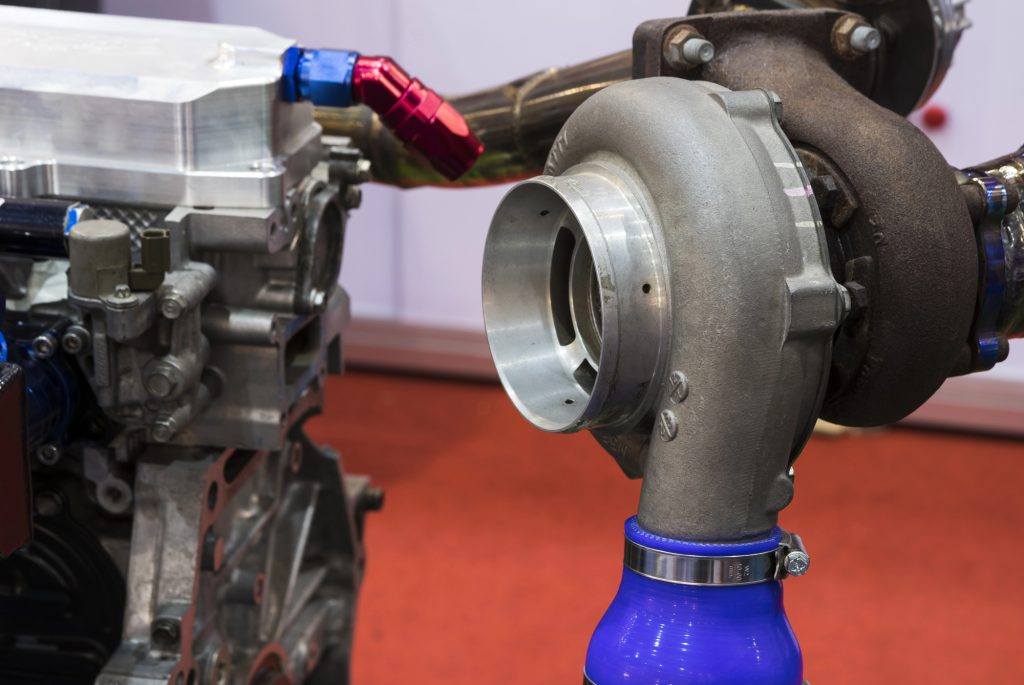
Instead of a piston engine, Ford equipped the truck with a turbine engine that could rev up to 35,000 RPM. This innovative approach offered smoother operation, fewer moving parts, and the potential for longer life. In the 1960s, it was unheard of to see jet-age technology under the hood of a hauler.
Multi-Fuel Capability

The turbine engine could run on nearly any combustible liquid, from diesel and kerosene to even vegetable oil. This flexibility offered a glimpse at a future where fuel sources weren’t limited to gasoline alone. For its time, this was incredibly forward-thinking in both economic and environmental terms.
Fewer Moving Parts
Traditional truck engines had thousands of moving components, but the turbine engine simplified this drastically. With fewer parts that could break or wear out, the potential for reliability and lower maintenance was enormous. This mechanical simplicity was decades ahead of what would become a core automotive trend.
Instant Throttle Response

The turbine engine could spool up quickly, providing rapid throttle response and smooth acceleration. This characteristic made it feel more responsive than traditional diesels, especially during highway merging or hauling loads. That level of responsiveness was a performance perk in a segment not known for finesse.
Related: How The Porsche 911 That Nobody Wanted Became One Of The Most Valuable In 12 Bold Facts
Advanced Transmission System

Ford paired the turbine with a specially designed automatic transmission that could handle the high RPMs and torque characteristics of a jet engine. This required pioneering a new kind of drivetrain interface, one that laid groundwork for later CVT and electric driveline developments. It wasn’t just the engine that was different—the whole powertrain had to evolve.
Related: 10 Unbelievable Details That Make This Shelby Hertz Mustang A Time Capsule On Wheels
Lighter Than Diesel Engines

Turbine engines were generally lighter than comparable diesel engines, improving power-to-weight ratio and potentially fuel economy. This also had implications for payload capacity and overall truck efficiency. Reducing vehicle weight without sacrificing strength was a precursor to modern efficiency strategies.
Related: 11 Places Drivers Swear By For Free Top Off For Tires
Simplified Cooling Systems

Because turbine engines operate at higher internal temperatures, they require different cooling techniques, ones that simplify radiators and engine cooling complexity. This reduced mechanical drag and points of failure under strain. The innovations here would eventually influence cooling designs in later performance vehicles.
Related: 11 Ways That BYD’s New Tech Could Flip The EV Industry On Its Head
Space-Age Styling

Ford didn’t just engineer a futuristic powertrain, it dressed the truck in design that looked like it had rolled out of a science fiction novel. Its aerodynamic curves, elongated front, and bold grille gave it an unmistakable presence that screamed innovation. It wasn’t just transportation, it was a rolling billboard for Ford’s vision of the future.
Related: 12 Mistakes To Avoid When Dealing With Aggressive Drivers
Smooth Ride Quality

Without pistons hammering away, the turbine engine produced far less vibration, which translated into a much smoother ride for the driver. This reduction in mechanical harshness helped lessen fatigue during long hauls, a critical benefit for over-the-road trucking. Ford was essentially prioritizing driver comfort long before it became a mainstream industry goal.
Related: 12 Defensive Driving Secrets That Could Save You From A Road Rage Nightmare
Experimental Materials

The intense heat and friction within the turbine required Ford to turn to aerospace-grade metals like high-nickel alloys and ceramic coatings. These materials weren’t commonly used in vehicles of the era, making the truck a proving ground for advanced metallurgy. Their successful integration influenced material choices in future high-performance and commercial engines.
Related: 14 Cult Bikes Every Real Rider Dreams Of Owning
Showcased at World’s Fairs

The Turbine Truck wasn’t just locked in test labs, it was publicly showcased at major global events like the World’s Fair and auto expos. These exhibitions gave Ford the chance to demonstrate its forward-thinking spirit and attract global attention to its engineering efforts. It became a symbol of American innovation during a time when futuristic design captured imaginations worldwide.
Related: 10 Classic Kawasakis That Deserve Way More Respect
Paved the Way for Hybrid Thinking
While the Turbine Truck wasn’t a hybrid by today’s definition, it made automakers consider alternative combinations of engines and powertrains. This open-mindedness eventually led to hybrid-electric setups and experimentation beyond internal combustion. It opened minds and sparked curiosity in future vehicle propulsion.
Related: 12 Shocking Reasons Why The Jeep Gladiator Is Gone For Good
Ford’s Turbine Truck wasn’t just ahead of its time, it was in a class entirely its own. From its jet-age propulsion to its futuristic silhouette, it dared to challenge everything we thought we knew about heavy-duty transport. Though its production never became a reality, the innovations packed into its frame continue to echo through automotive design. It taught the industry that true progress requires risk, vision, and a willingness to think beyond the road ahead.
Disclaimer: This list is solely the author’s opinion based on research and publicly available information.
10 Ford Maverick Shots That Are Blowing Up In 2025
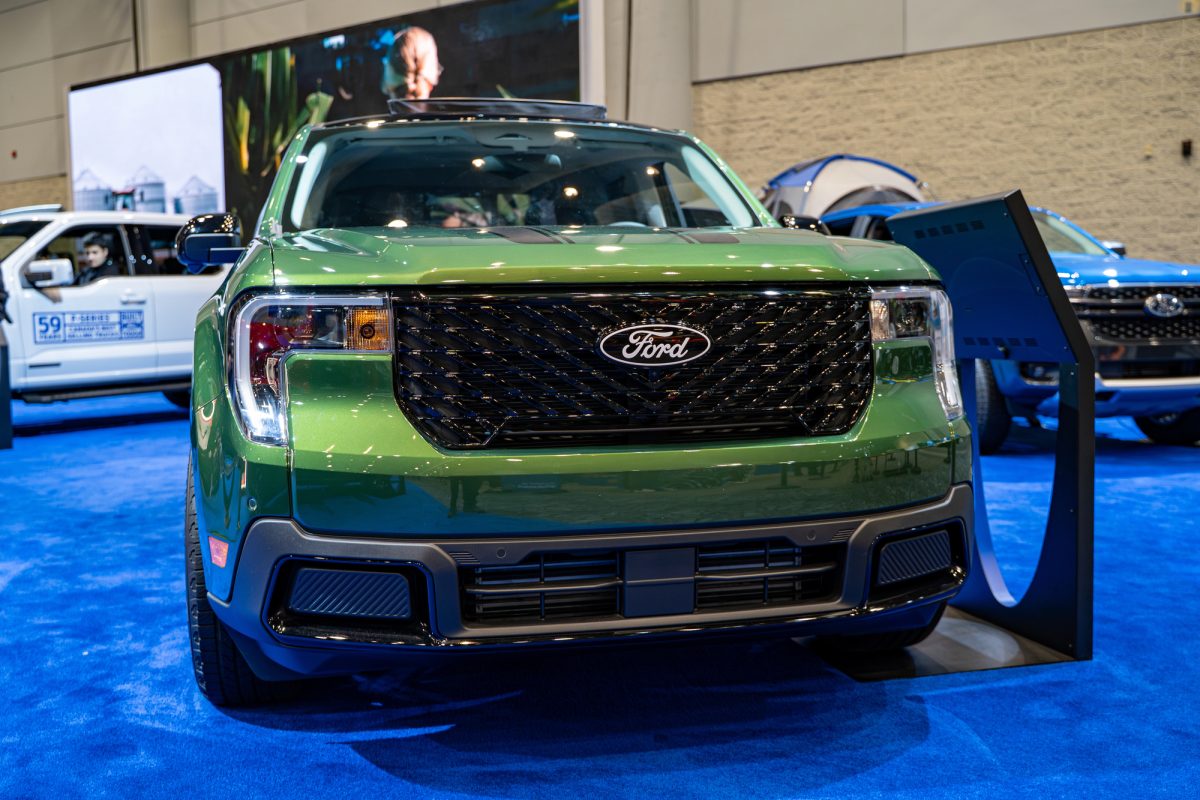
The Ford Maverick has made waves since its debut, but in 2025, it’s not just the specs getting attention; it’s the stunning photos lighting up social feeds. This compact truck has become a fan favorite, combining utility with good looks and a price tag that feels like a win. Owners and photographers are capturing the Maverick from bold, creative angles that show off its versatility and modern style in fresh ways. Whether it’s climbing mountain trails, shining under city lights, or parked in front of rustic barns, these shots highlight the truck’s unexpected charm. Here are 10 Ford Maverick photos taking over 2025 with style, edge, and attitude.
Read it here: 10 Ford Maverick Shots That Are Blowing Up In 2025
13 Revolutionary Features That Set The 2025 Ram 1500 And Ford F 150 Ahead Of The Pack

The 2025 Ram 1500 and Ford F-150 are redefining what it means to drive a modern pickup, blending cutting-edge technology with rugged performance. Both vehicles have introduced a host of new features designed to improve efficiency, safety, comfort, and overall driving experience. These upgrades aren’t just cosmetic; they represent a new era in automotive innovation that prioritizes the needs of today’s drivers. From enhanced powertrains to smart connectivity solutions, each addition showcases the brand’s dedication to staying ahead of the curve.
Read it here: 13 Revolutionary Features That Set The 2025 Ram 1500 And Ford F 150 Ahead Of The Pack
10 Old School Trucks That Could Crush Trails Without Breaking A Sweat

Before high-tech traction controls and luxury SUV trims took over, there were trucks built purely for grit. These old-school beasts were made to handle rocks, mud, and anything else in their path, with no help from fancy software. Rugged suspensions, solid axles, and torque-heavy engines were the name of the game. Here are 10 tough, old-school trucks that still demand respect off-road today.
Read it here: 10 Old School Trucks That Could Crush Trails Without Breaking A Sweat
You’ll love these related posts: