When the Porsche 911 Carrera RS 2.7 first rolled off the production line in 1972, it wasn’t exactly greeted with open arms. Built for homologation purposes and intended mainly for racing, its stripped-down build and high-revving engine made it unpopular among casual buyers. Yet over time, this very version, once overlooked and undervalued, evolved into one of the most collectible 911s of all time. These 12 bold facts show how the Porsche that almost faded away became a crown jewel in the automotive world.
Its Iconic ‘Ducktail’ Spoiler Was Revolutionary
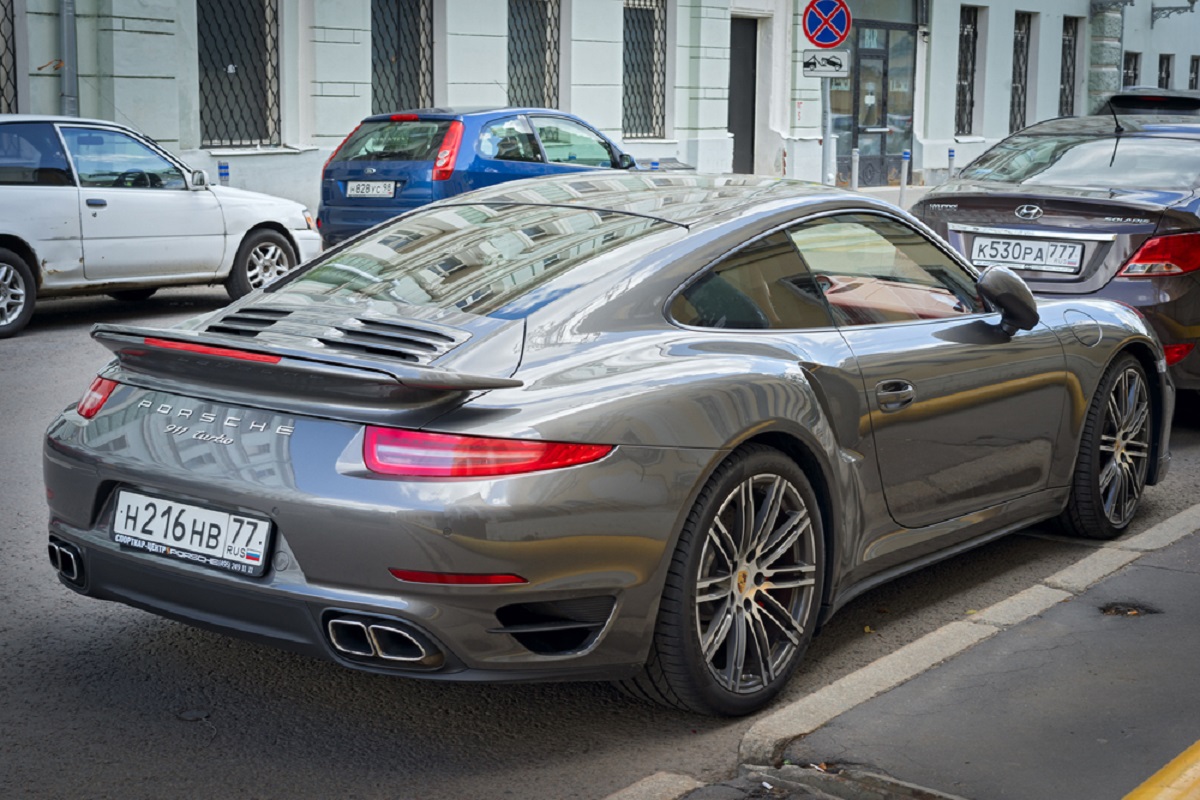
The RS 2.7 introduced the world to Porsche’s first integrated rear spoiler, affectionately known as the “ducktail.” This aerodynamic addition wasn’t just for looks; it significantly reduced rear-end lift and improved high-speed stability. While some traditionalists initially resisted its appearance, it soon became one of the car’s most defining and celebrated features.
It Introduced the Carrera Name to the 911

Before the RS 2.7, the Carrera name had only appeared on earlier Porsche models, paying homage to the Carrera Panamericana race. This was the first time it graced a 911, cementing a legacy that would span decades. That single branding move gave the car a new layer of motorsport prestige that persists in Porsche’s lineup today.
Only 1,580 Were Made- Scarcity Became Its Strength
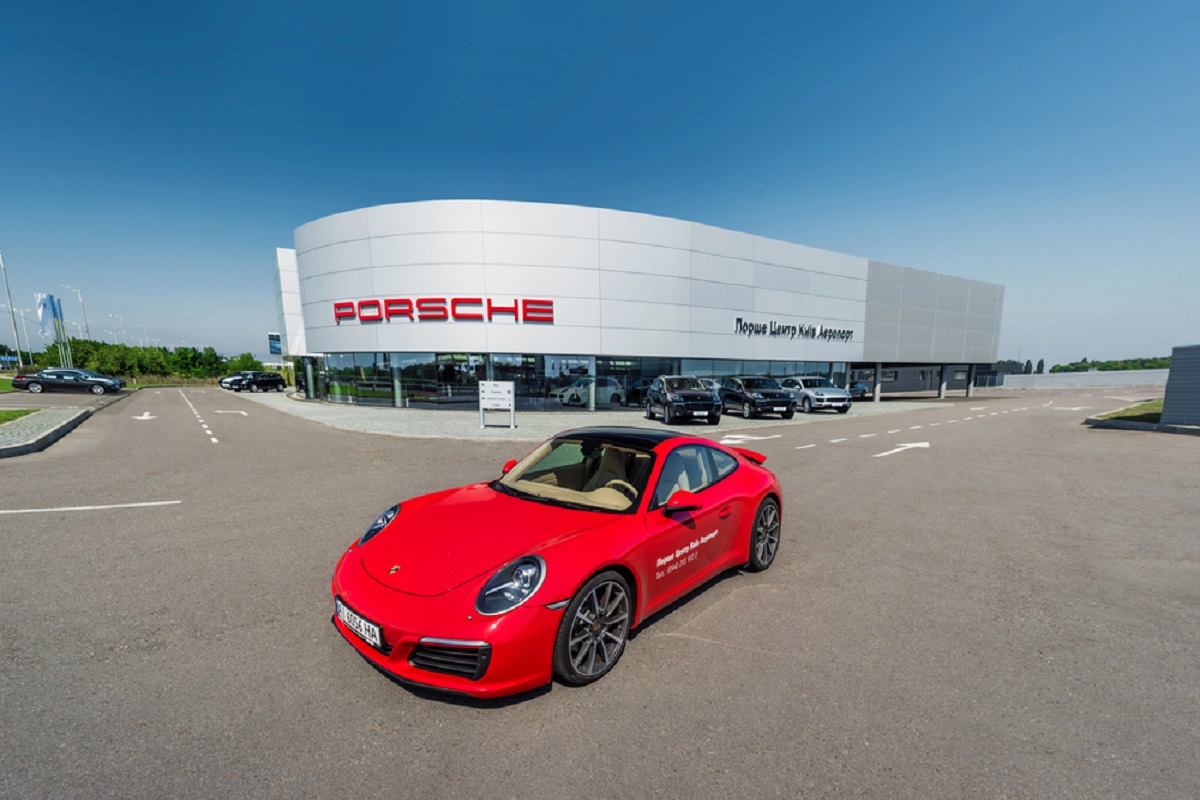
With a limited production run of just 1,580 units, the RS 2.7 became an instant rarity in the sports car world. Porsche didn’t expect high demand and only aimed to meet homologation requirements, yet that very exclusivity turned it into a prized possession. Today, collectors view its scarcity as a major factor in its skyrocketing value and desirability.
It Was Porsche’s Fastest Production Car at the Time
In its prime, the RS 2.7 could hit 0–60 mph in under six seconds and reach nearly 150 mph—impressive figures for the early 1970s. Its lightweight frame and responsive handling made it a thrilling performer both on track and street. Compared to its contemporaries, it delivered racecar-level performance in a road-legal shell.
Related: 10 Reasons Gen Z Can Not Get Enough Of The Honda Civic
The Lightweight Variant Took Simplicity to Extremes
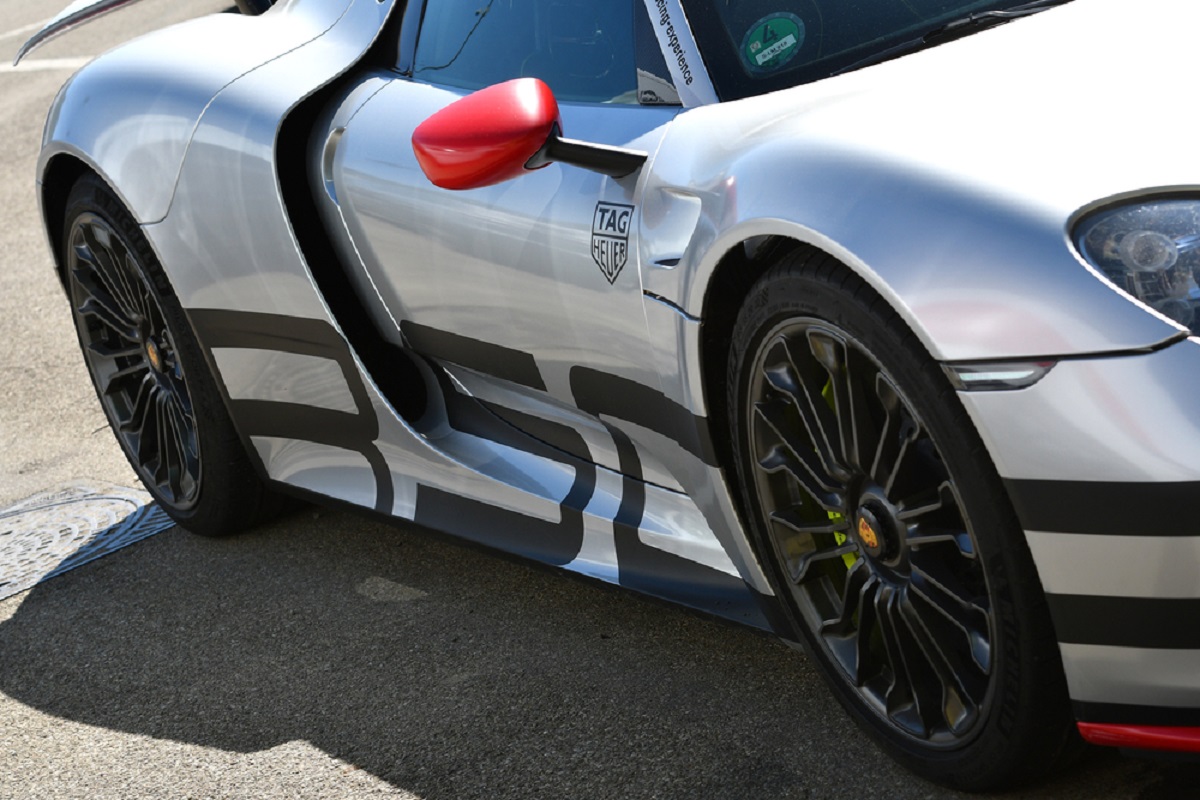
Porsche took the minimalist philosophy to heart with the RS 2.7 Sport version, removing everything not essential for speed. No sound deadening, carpeting, or comfort amenities, just bare metal, bucket seats, and an unfiltered driving experience. This ruthless dedication to lightness made it even more capable on the racetrack and now incredibly rare.
Related: 10 Reasons Home EV Charging Might Save Your Life Or Wallet
Rally and Track Wins Boosted Its Legend
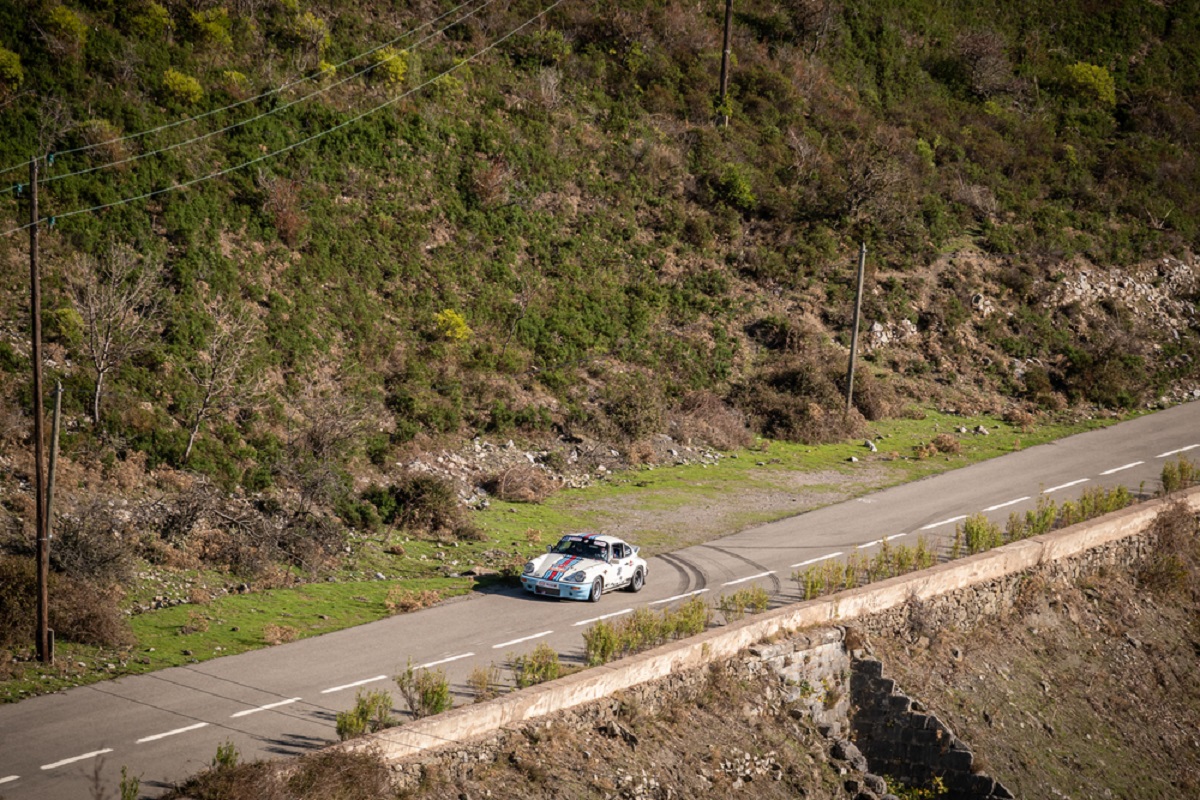
The RS 2.7 didn’t just look fast, it proved itself by dominating rallies and endurance races shortly after release. Victories in events like the Targa Florio and Tour de France Auto elevated its status beyond a niche 911. These track credentials laid the groundwork for its transition from commercial flop to motorsport icon.
Related: 10 Risky Musk Moves That Sent Shockwaves Through The Tesla Community
Collectors Rediscovered it Decades Later
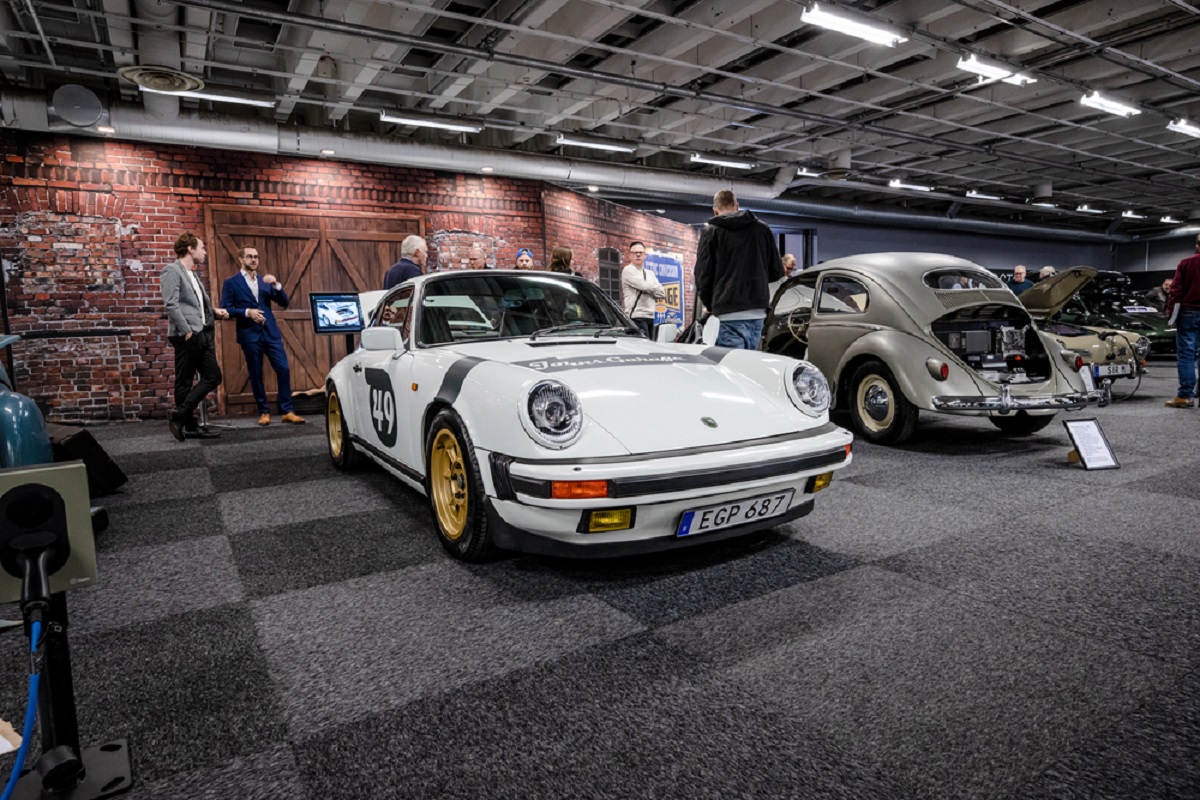
For years, the RS 2.7 sat in relative obscurity until collectors in the late ’80s and ’90s began recognizing its historical significance. As vintage Porsche values rose, so did the spotlight on this overlooked gem. The result was a massive shift in perception, turning it into one of the most desirable classic sports cars ever built.
Related: 11 Cars That Fit Your Inner Persona
It Inspired Future Porsche Icons
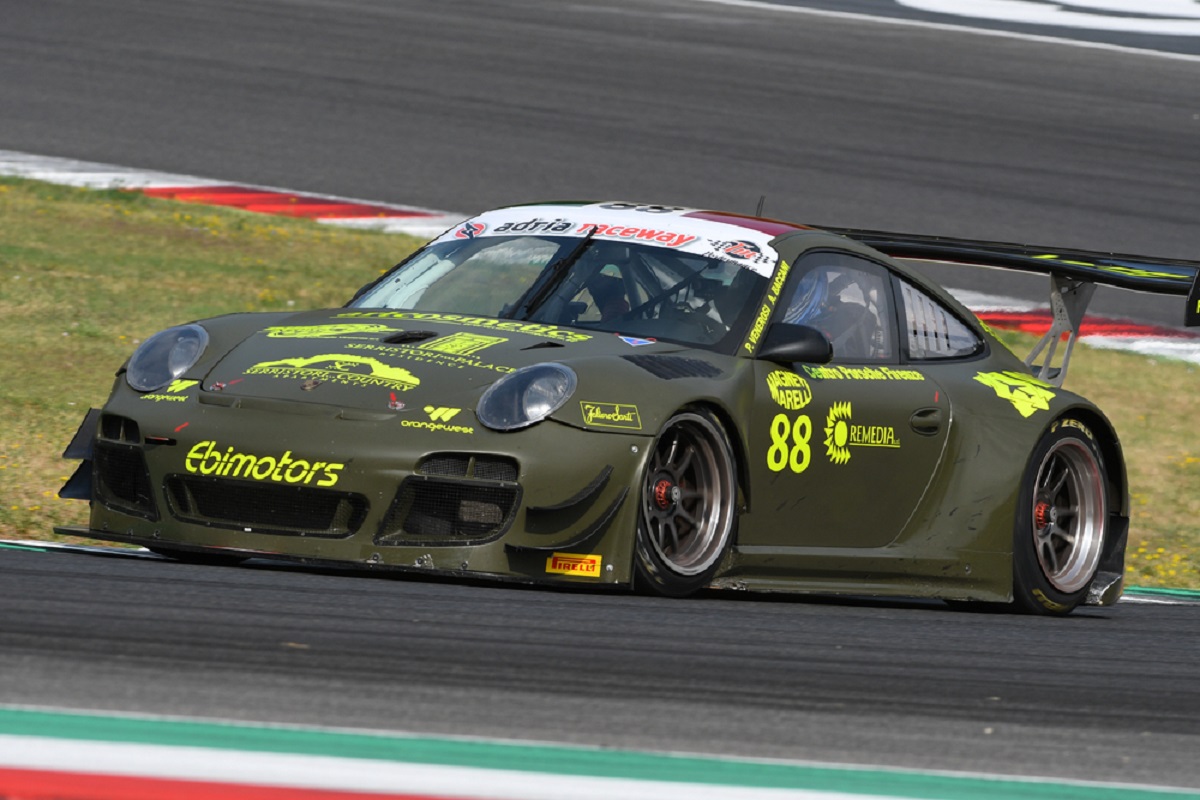
The RS 2.7 pioneered a blueprint of lightweight performance and driver engagement that would influence every 911 RS model to follow. From the 964 to the 997 GT3 RS, its DNA lives on in Porsche’s most revered track-focused cars. The balance of raw power and precision set a standard few other automakers could match.
Related: These 10 Car Details Spark Instant Joy or Rage
It Represents Peak Driver Engagement

With manual everything-steering, transmission, and throttle, the RS 2.7 demands total driver involvement. Unlike today’s tech-heavy sports cars, it rewards skill, timing, and feel with every corner and gear change. Driving one is less about speed and more about connection, creating an experience that’s nearly extinct in modern motoring.
Related: 10 Used BMWs That Will Never Let You Down
Auction Prices Have Skyrocketed

What was once a bargain 911 is now a seven-figure superstar, regularly fetching over $1 million at high-end auctions. Even models with moderate wear or non-original parts command premium prices due to their pedigree. It’s a dramatic reversal of fortune that illustrates how taste and value evolve.
Related: 10 CVT Hacks That Stop The Shudder For Good
It Laid the Foundation for the GT Department
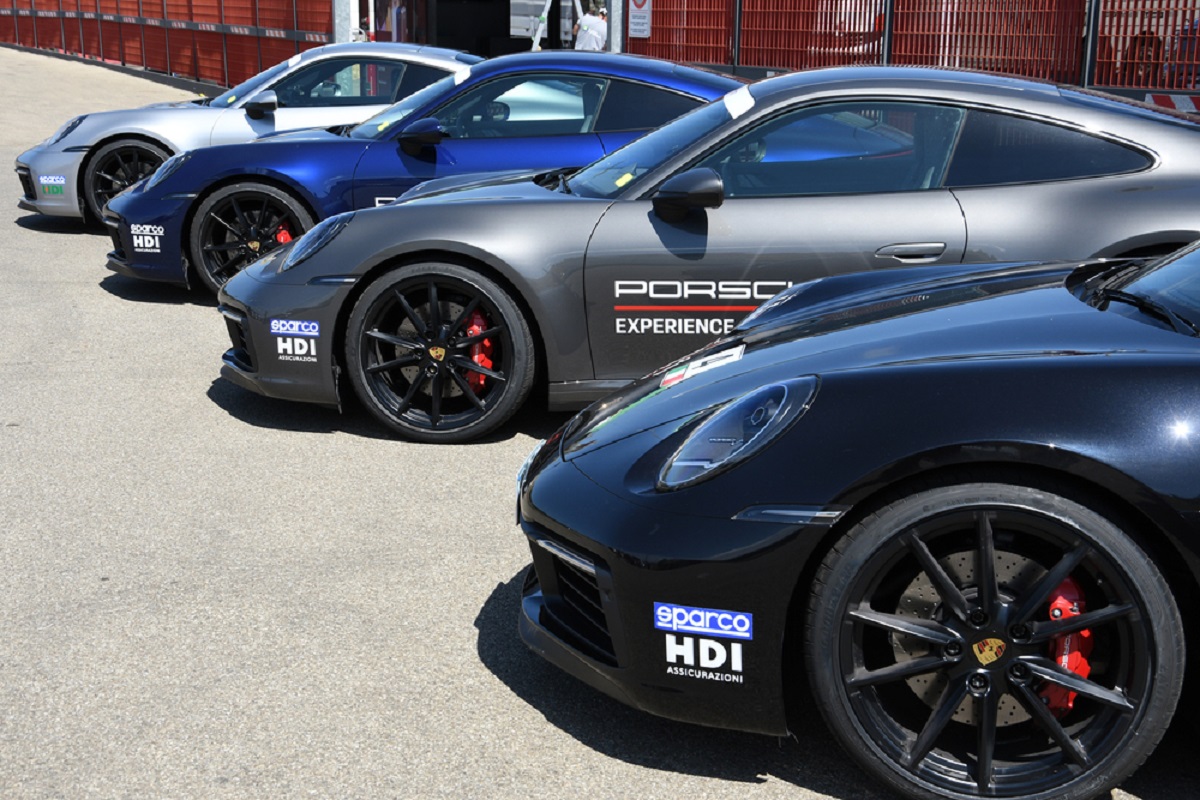
Porsche’s revered GT division, responsible for today’s GT2 and GT3 models, owes its origin to the success of the RS 2.7. The formula of less weight, more power, and razor-sharp dynamics was perfected here first. Without the RS 2.7’s influence, the entire philosophy behind Porsche’s track cars might not exist.
Related: 10 Car Wash Hacks That Actually Save You Cash
Restoration is Now a Fine Art
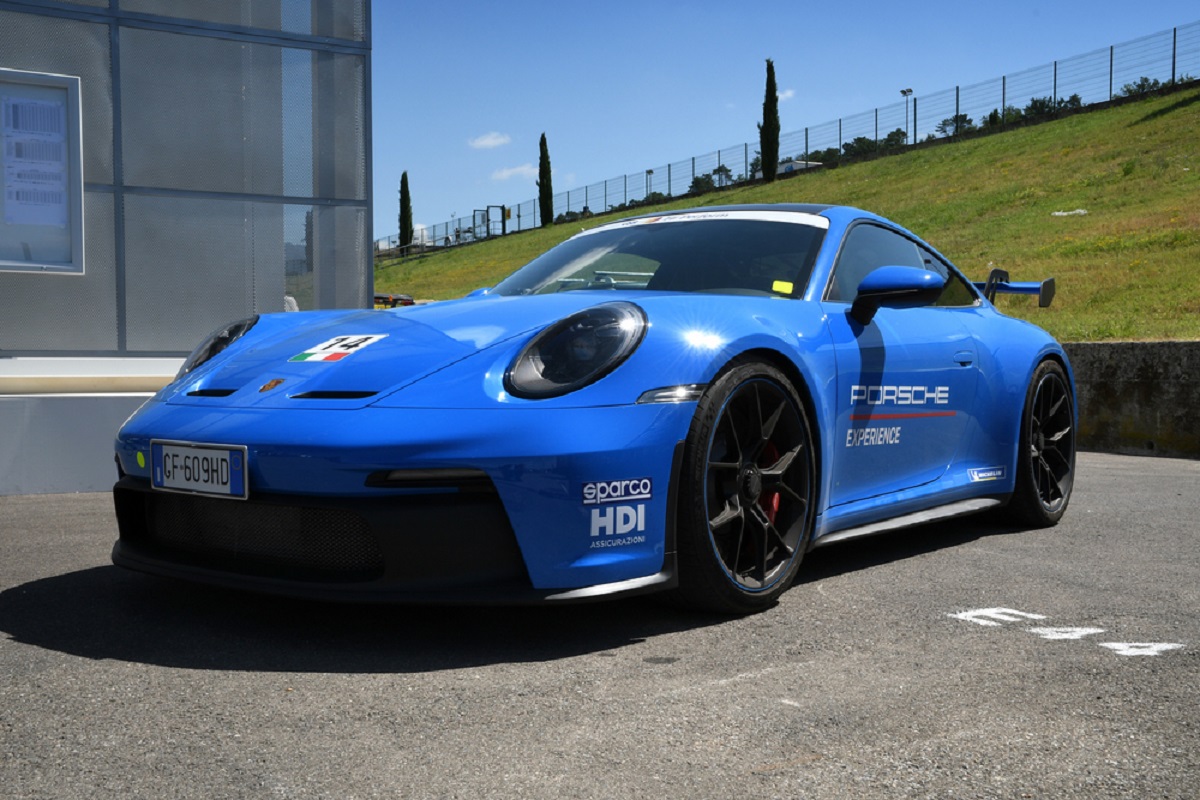
Restoring an RS 2.7 today is not just a mechanical task; it’s a high-stakes craft requiring deep historical knowledge and precision. Specialists go to great lengths to source original parts, match period-correct paint, and preserve unique identifiers. The car’s high value has driven a restoration industry dedicated entirely to its authenticity.
Related: These 10 Cars Were Too Bold For A Comeback
What once seemed like a misstep in the Porsche lineup has become one of the most celebrated automotive success stories of all time. The Porsche 911’s unlikely rise to fame proves that innovation, persistence, and timeless design can outlast initial criticism. From overlooked oddity to global icon, it now stands as a symbol of automotive excellence. Its journey reminds us that true value often lies in what was once misunderstood.
Disclaimer: This list is solely the author’s opinion based on research and publicly available information.
11 Porsche Features That Will Make You Want One

Porsche isn’t just a car brand, it’s an engineering masterpiece that seamlessly blends luxury with adrenaline-pumping performance. Every model is designed with precision, offering cutting-edge technology and breathtaking speed that sets it apart from competitors. Owning a Porsche isn’t just about driving; it’s about experiencing the road with unparalleled control, comfort, and exhilaration. Whether you’re a speed enthusiast, a tech lover, or someone who appreciates fine craftsmanship, these 11 standout Porsche features will make you crave one in your garage.
Read it here: 11 Porsche Features That Will Make You Want One
13 Legendary Porsches That Changed Sports Cars Forever

Few brands have shaped the world of sports cars like Porsche. With a relentless pursuit of performance, engineering excellence, and timeless design, Porsche has pushed boundaries for decades. From race-winning legends to groundbreaking road cars, each model has left an undeniable mark on the automotive world. Here are 13 legendary Porsches that didn’t just define the brand—they changed sports cars forever.
Read it here: 13 Legendary Porsches That Changed Sports Cars Forever
12 Shockingly Cheap Cars That Perform Like a Porsche 718

The Porsche 718 Cayman and Boxster are known for their sharp handling, balanced chassis, and exhilarating driving experience. But what if you could get similar thrills for a fraction of the price? Believe it or not, several budget-friendly cars deliver comparable speed, agility, and excitement. Whether you’re looking for a lightweight sports car or a powerful coupe, these 12 shockingly cheap options prove you don’t need a Porsche badge to enjoy world-class performance.
Read it here: 12 Shockingly Cheap Cars That Perform Like a Porsche 718