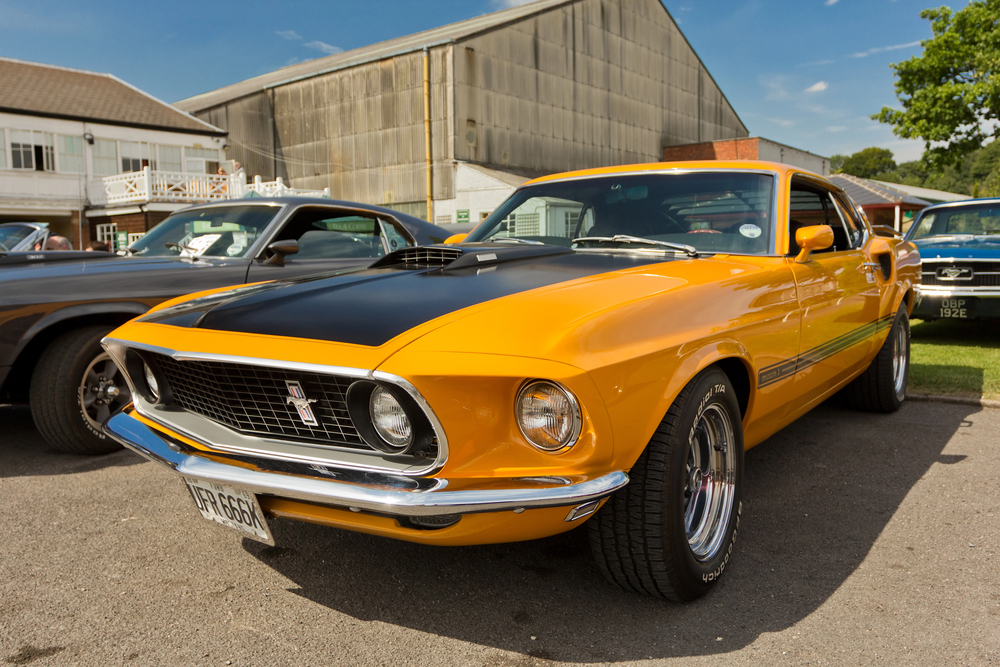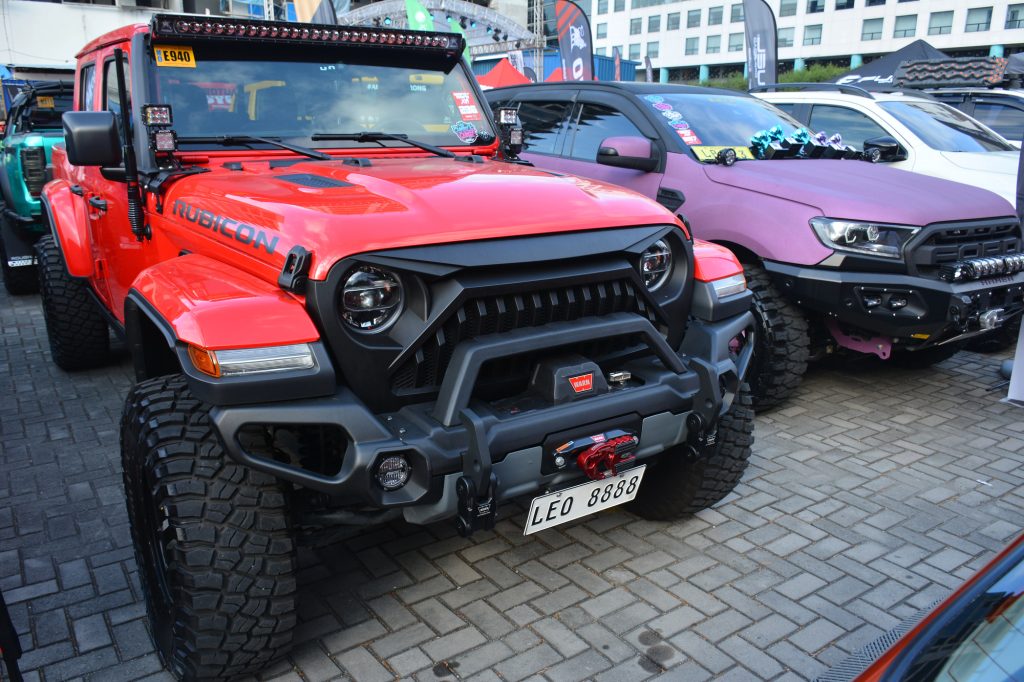
The Jeep Gladiator stormed into the market with aggressive styling, rugged features, and off-road DNA that promised big things. Yet despite the initial hype and fanfare, its time on the market was surprisingly short-lived, leaving many fans puzzled and disappointed. While it looked like a winning combo of a Wrangler and a truck, deeper issues slowly unraveled its fate behind the scenes. Here are 12 shocking reasons why the Jeep Gladiator has disappeared from showrooms for good.
Outdated Interior Design
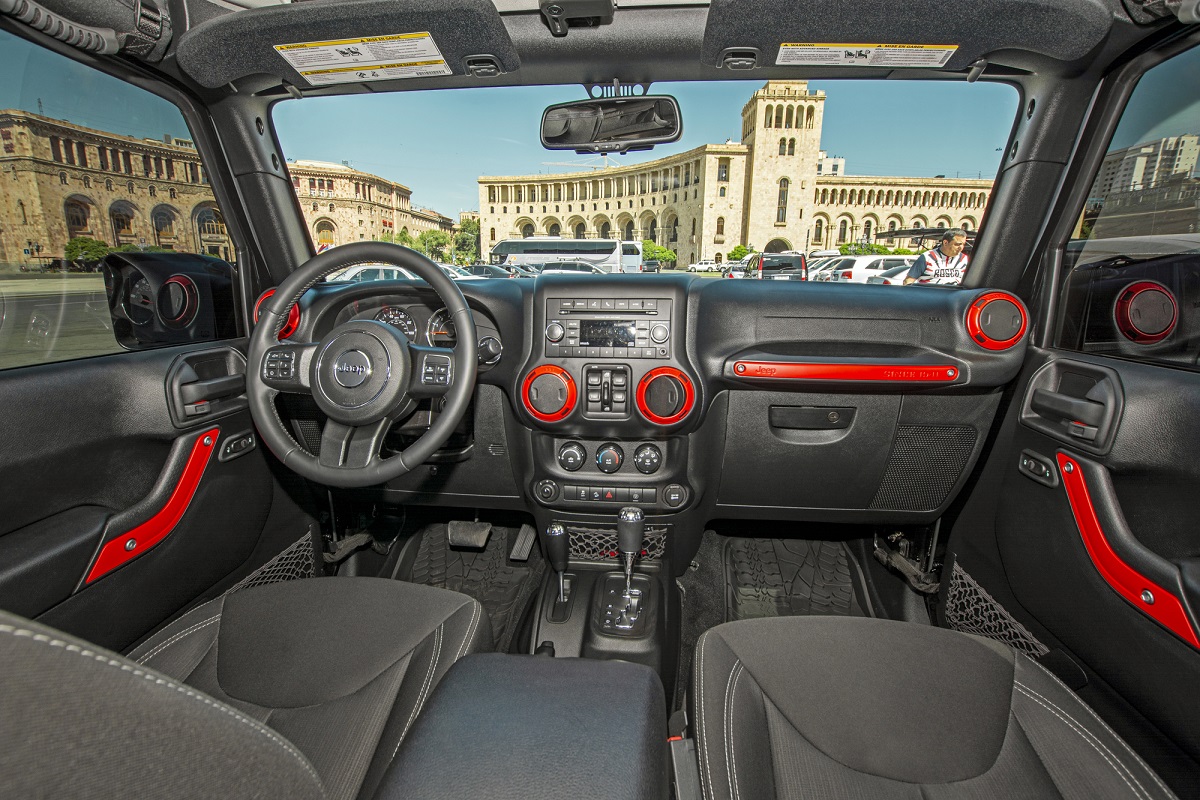
The Gladiator carried over Jeep’s traditional rugged interior that lacked the modern appeal found in newer trucks. While the styling may have been charming for off-road purists, the lack of upscale features and technology hurt its value perception. Buyers expecting luxury or even moderate refinement were often let down by the plasticky finish and dated layout.
Limited Engine Options
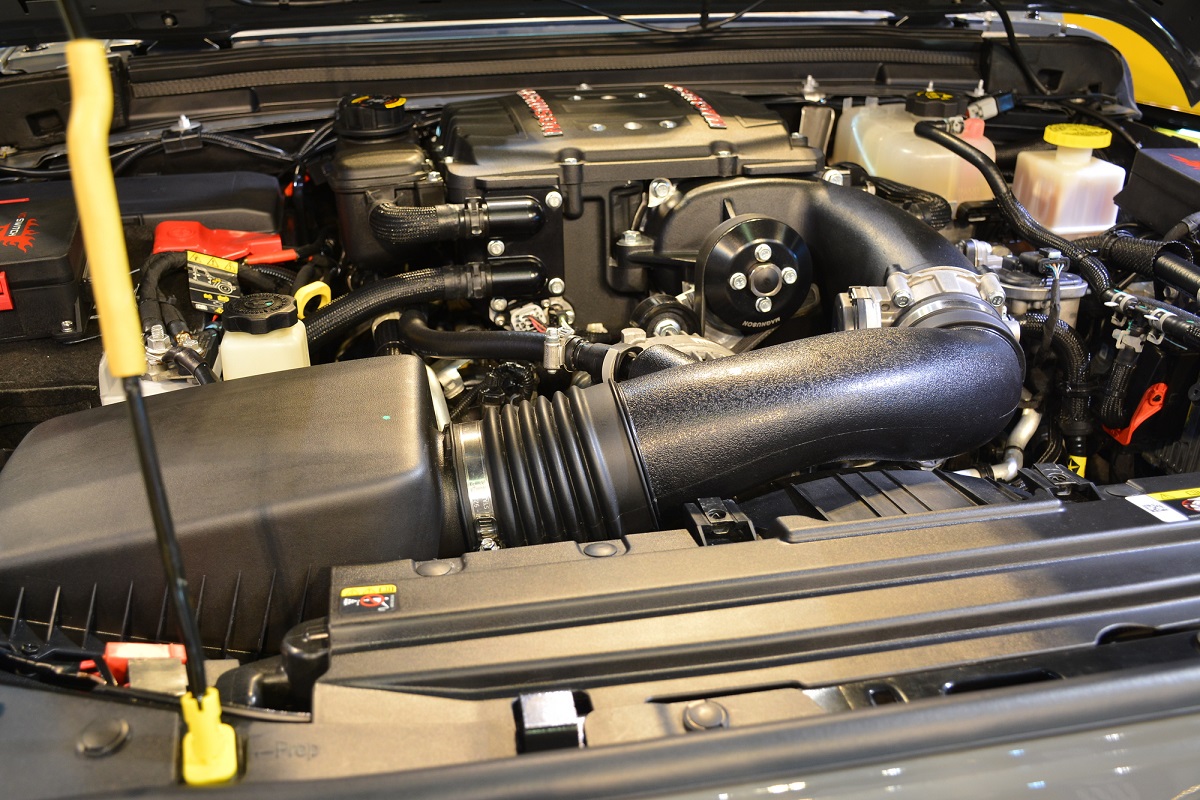
The Gladiator’s engine lineup didn’t offer much variety or excitement beyond the base V6. With competitors rolling out turbocharged and hybrid options, Jeep’s lack of innovation in this area became glaring. Powertrain diversity could have added performance appeal, but instead, it left buyers with few choices and no real upgrades.
Heavy Weight
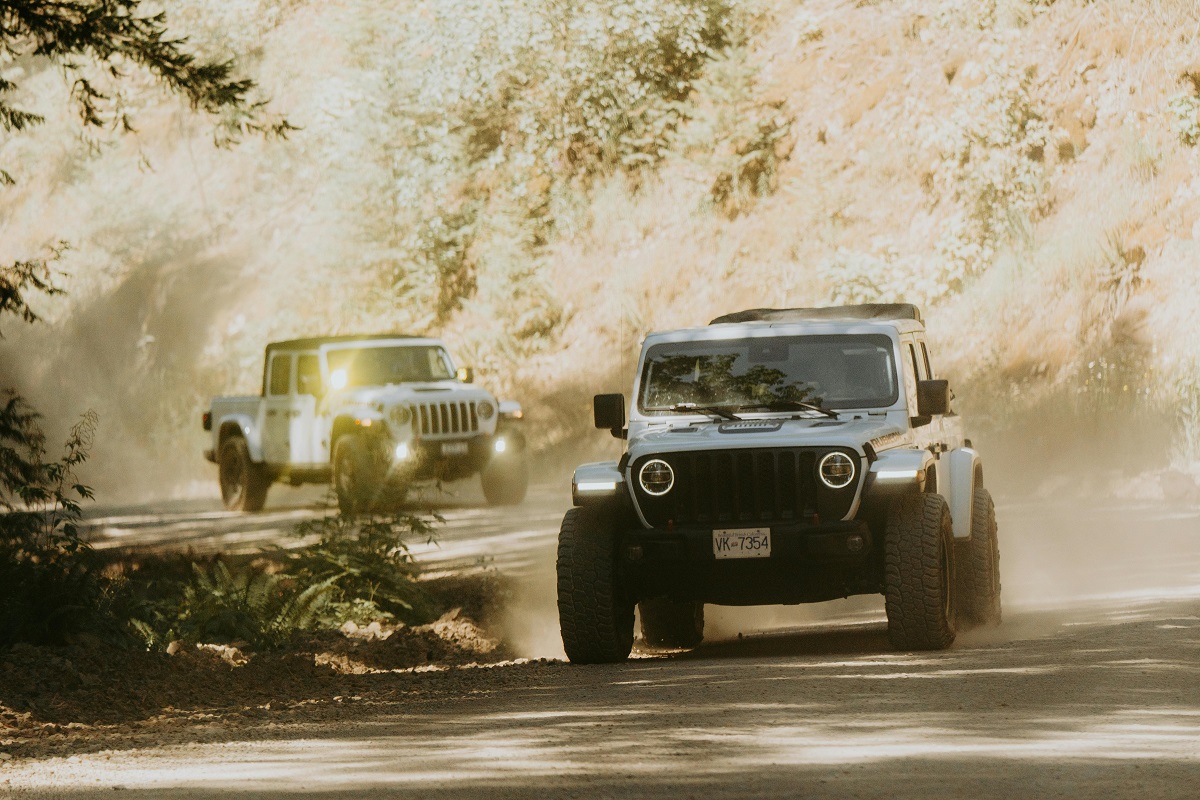
Despite being mid-sized, the Gladiator was heavy and cumbersome on-road, affecting acceleration and handling. The extra weight also contributed to its mediocre fuel economy and sluggish driving feel. This made it less desirable for urban drivers or those looking for agility in a work truck.
Oversaturated Jeep Lineup
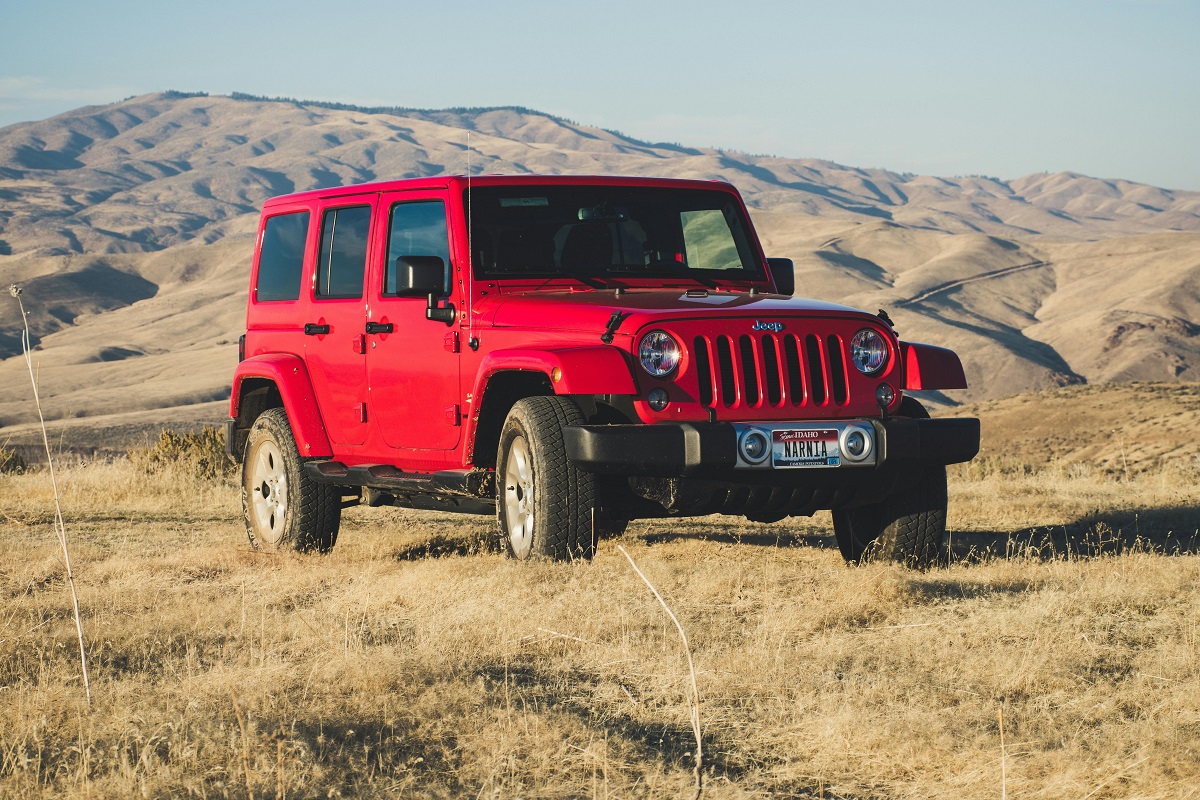
With the Wrangler, Grand Cherokee, and other models offering similar features, the Gladiator felt redundant in Jeep’s lineup. There wasn’t a unique enough value proposition to justify its place alongside already popular off-roaders. As buyers focused on well-established Jeep models, the Gladiator became an afterthought.
Related: 10 Weird Pontiac Details That Saved It From The Junkyard
Reliability Concerns
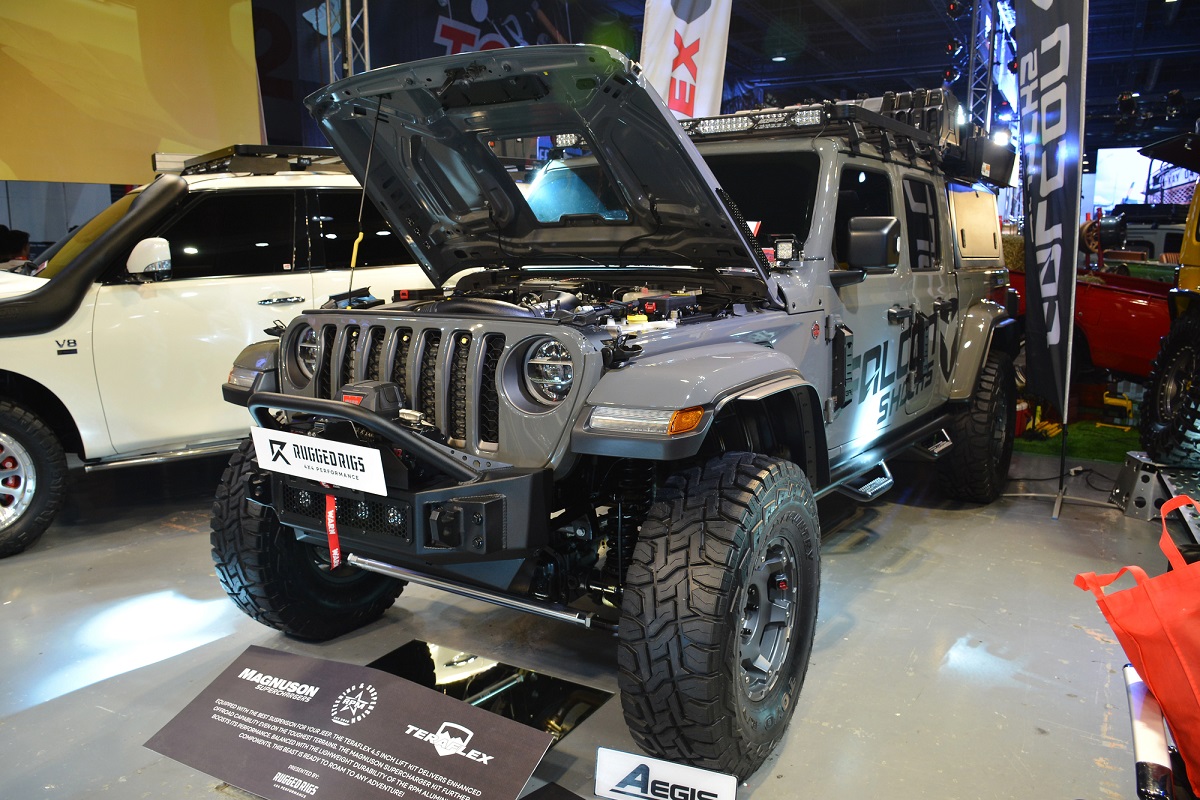
Multiple owners reported recurring issues with the transmission, electronics, and drivetrain components. For a brand that prides itself on ruggedness, this was a damaging blow to the Gladiator’s reputation. Reliability ratings from consumer reports and automotive reviewers reflected these complaints, making resale even more difficult.
Related: 10 Convertibles That Will Make You Ditch Your Coupe In 2025
Not Ideal for Daily Driving
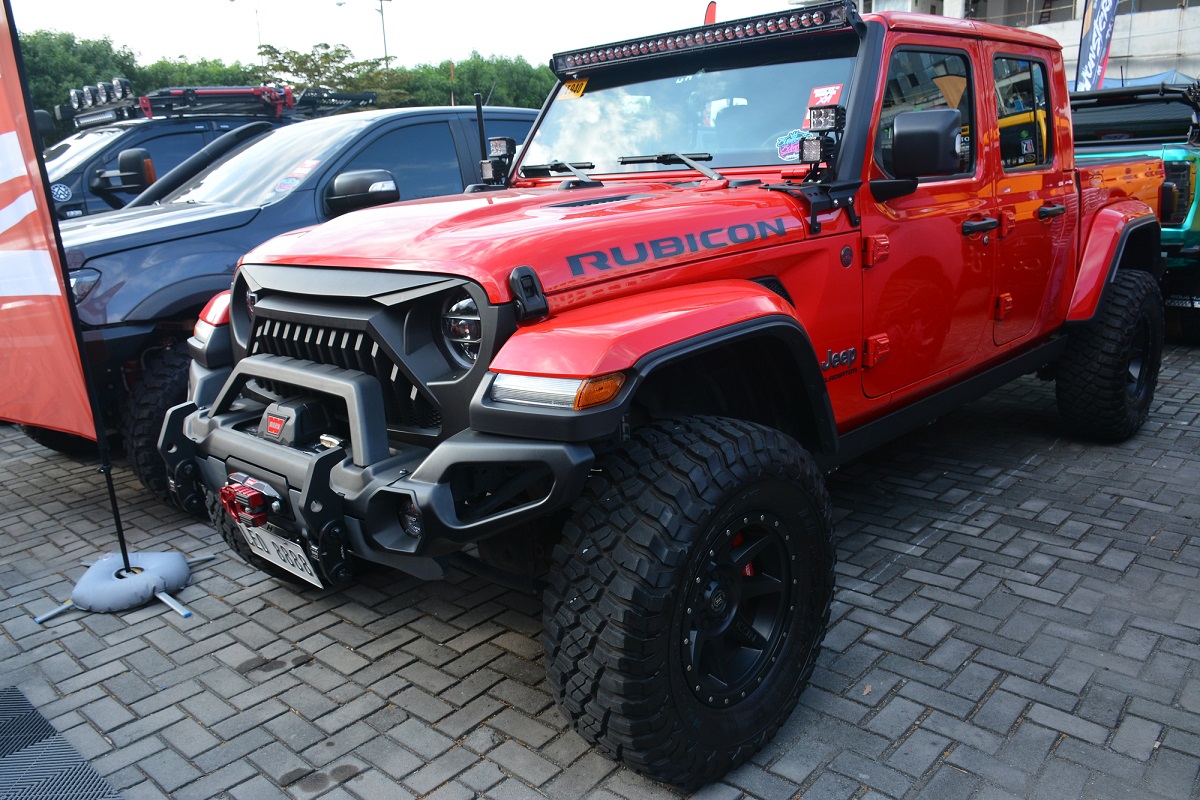
Many owners discovered that the Gladiator’s off-road-focused design made it uncomfortable for routine city or highway commutes. Bumpy rides, excessive road noise, and a stiff suspension system added up to a tiring daily experience. This practicality gap pushed regular drivers to seek alternatives that balanced adventure with comfort.
Related: Car Experts Say These 10 SUVs Are Fooling Everyone
Lack of Innovation Over Time
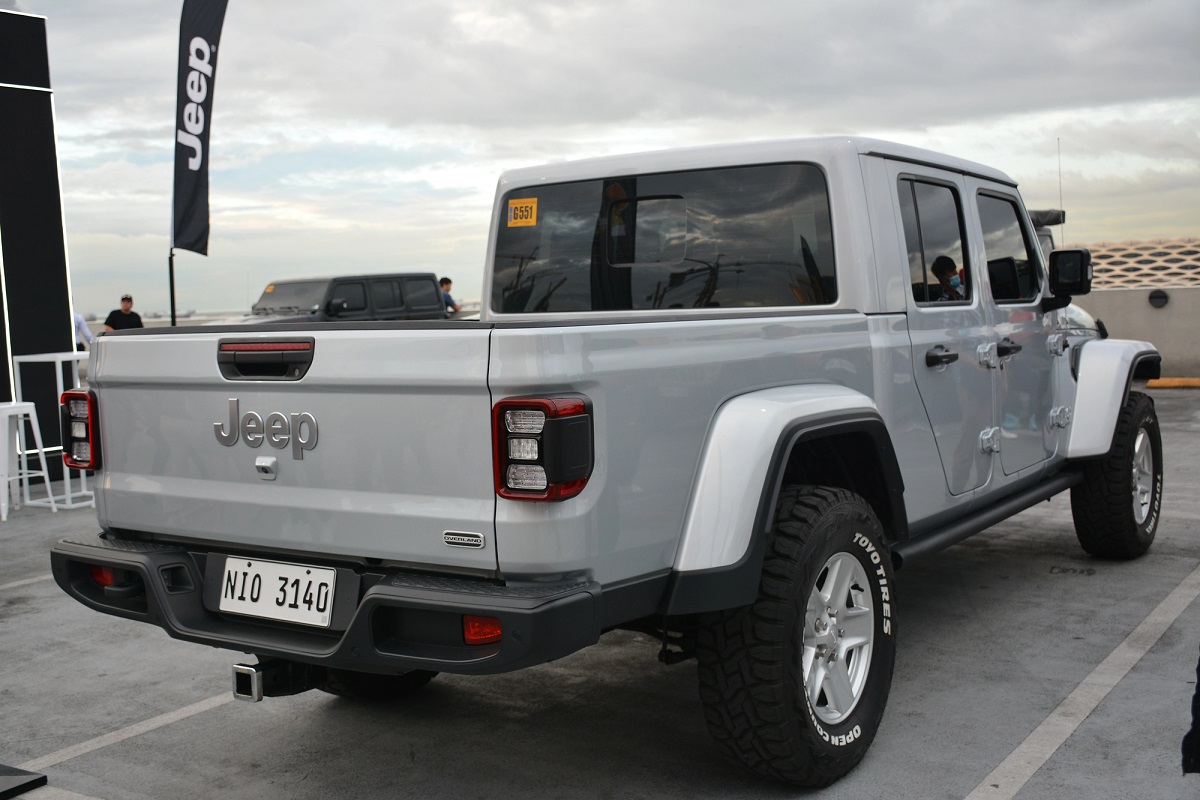
As years passed, the Gladiator received minimal design or feature upgrades, falling behind faster-evolving rivals. It lacked the tech refreshes, infotainment overhauls, and new trims that keep models competitive. Without consistent improvements, consumer interest waned quickly in favor of fresher options.
Related: 10 Ways Ford Could Reinvent ST And RS For The EV Era
Poor Aerodynamics
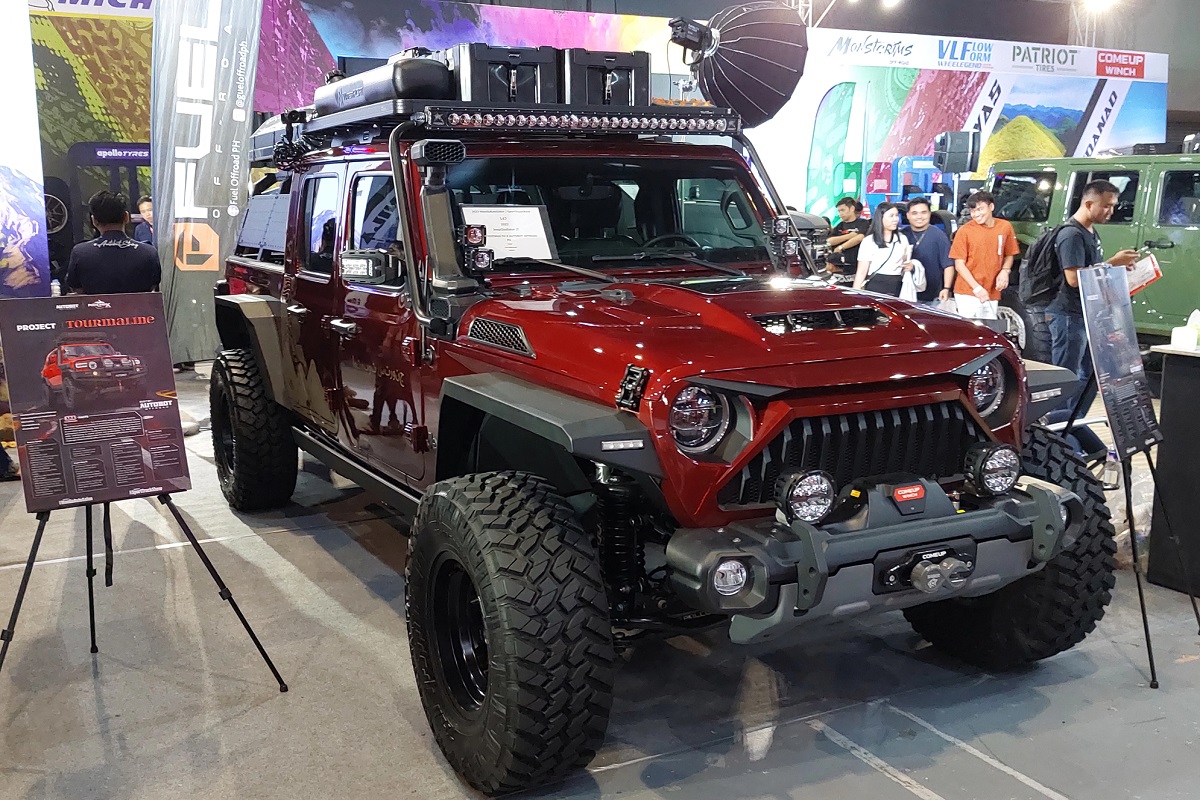
The Gladiator’s blocky, upright design might have been great for trail crawling, but terrible for highway efficiency. Wind resistance negatively impacted fuel economy and added noticeable cabin noise at higher speeds. It simply wasn’t designed with aerodynamic performance in mind, something other manufacturers have improved upon.
Related: 15 Forgotten Porsche Prototypes Hiding In The Vault
High Maintenance Costs
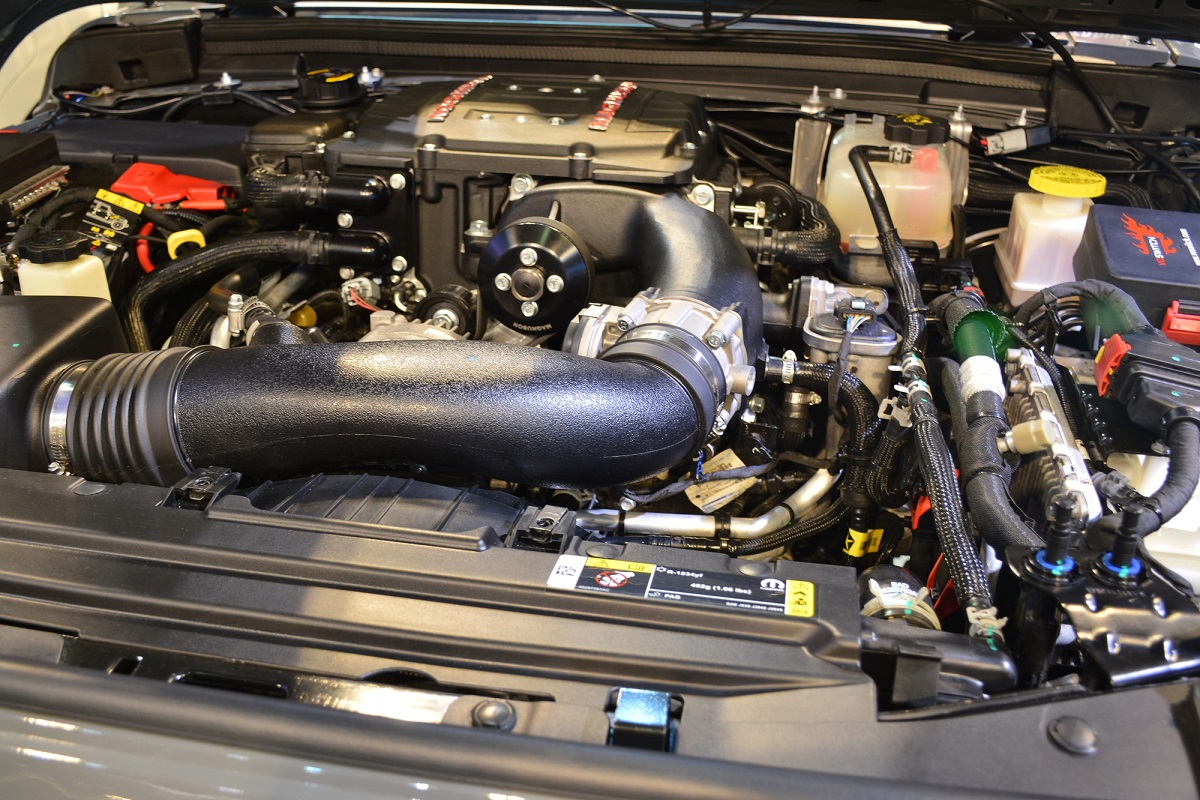
Owners frequently reported expensive service visits due to complex mechanical systems and parts not commonly shared with other trucks. This meant fewer aftermarket options and higher labor fees at Jeep-certified repair shops. Over time, even loyal buyers began to consider lower-maintenance alternatives.
Related: 11 Global Clues That Reveal Where Tesla Is Headed Next
Better Rivals Emerged
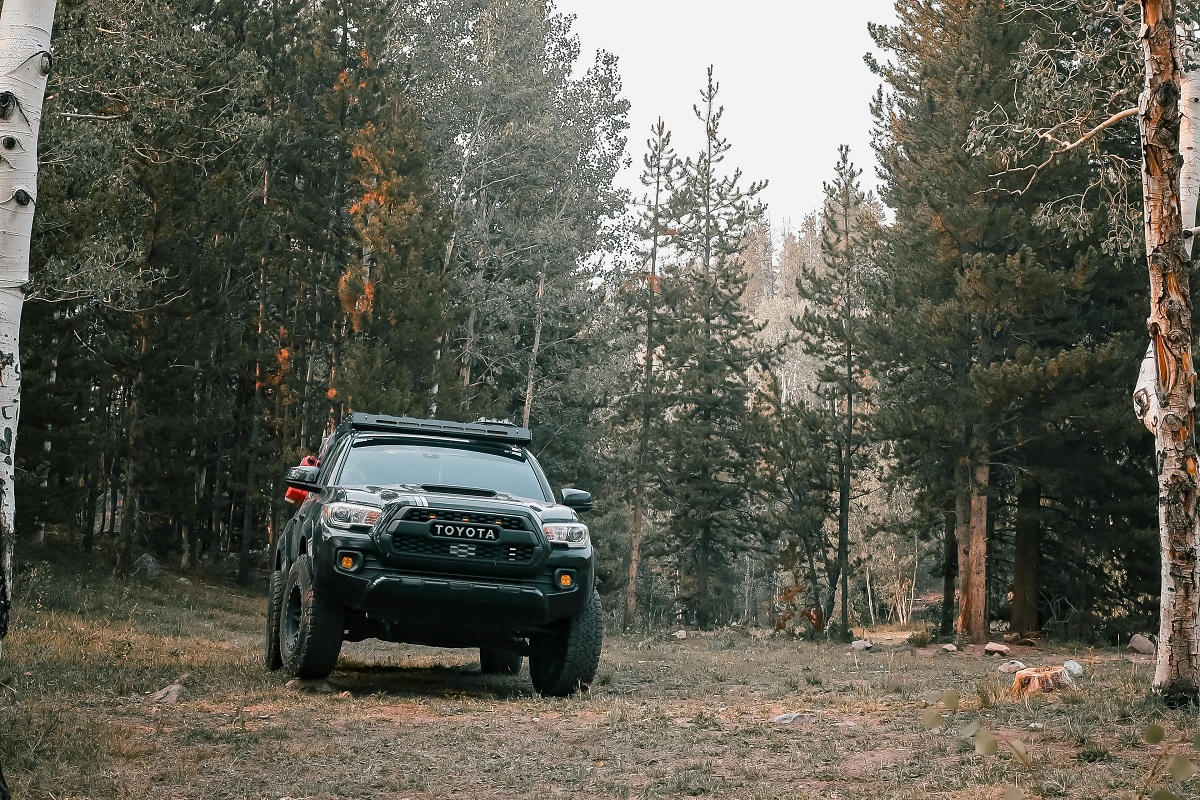
While the Gladiator stayed mostly the same, competitors like the Ford Ranger, Toyota Tacoma, and Chevy Colorado received multiple updates and enhancements. These rival trucks began offering more features, better fuel economy, and competitive pricing, chipping away at Jeep’s market share. Buyers had increasingly fewer reasons to pick the Gladiator over these evolving models.
Related: 11 Hidden Engineering Nightmares Behind Mazda’s Next Rotary Engine
Niche Appeal
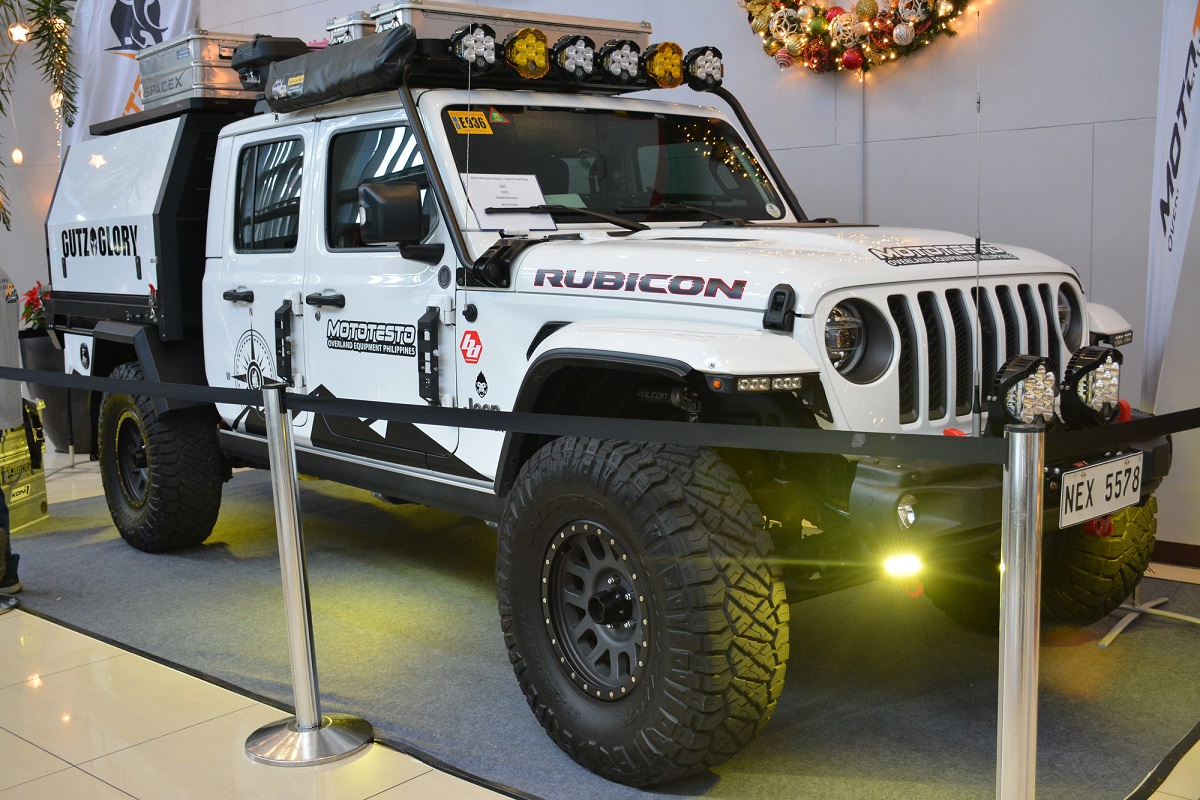
The Gladiator was ultimately designed for a very specific audience: off-road lovers who also wanted a truck bed. That niche simply wasn’t large enough to support the model long-term, especially in an industry that values volume sales. Its uniqueness became a weakness when it failed to appeal to the broader truck-buying public.
Related: 11 Italian Engineering Principles Driving Ferrari’s Electric Revolution
Jeep’s Shift in Focus

As market trends evolve and electrification gains traction, Jeep has shifted its resources toward EVs and more practical crossovers. With new models like the Recon and electric Wranglers on the horizon, the Gladiator no longer fits into Jeep’s forward-looking strategy. Its discontinuation was less a failure and more a calculated sacrifice for the future.
Related: 10 Reasons Why Porsche EV’s $56K Depreciation Is A Dream Deal For Buyers
The Jeep Gladiator made a bold statement when it launched, but that momentum simply couldn’t be sustained in the long run. It struggled to meet evolving expectations in a competitive market where buyers demanded both style and substance. Though it may remain a cult favorite among die-hard fans, the Gladiator’s departure signals the end of a bold experiment and the start of a new direction for Jeep.
Disclaimer: This list is solely the author’s opinion based on research and publicly available information.
15 Times Jeep Life Got Wild And Muddy
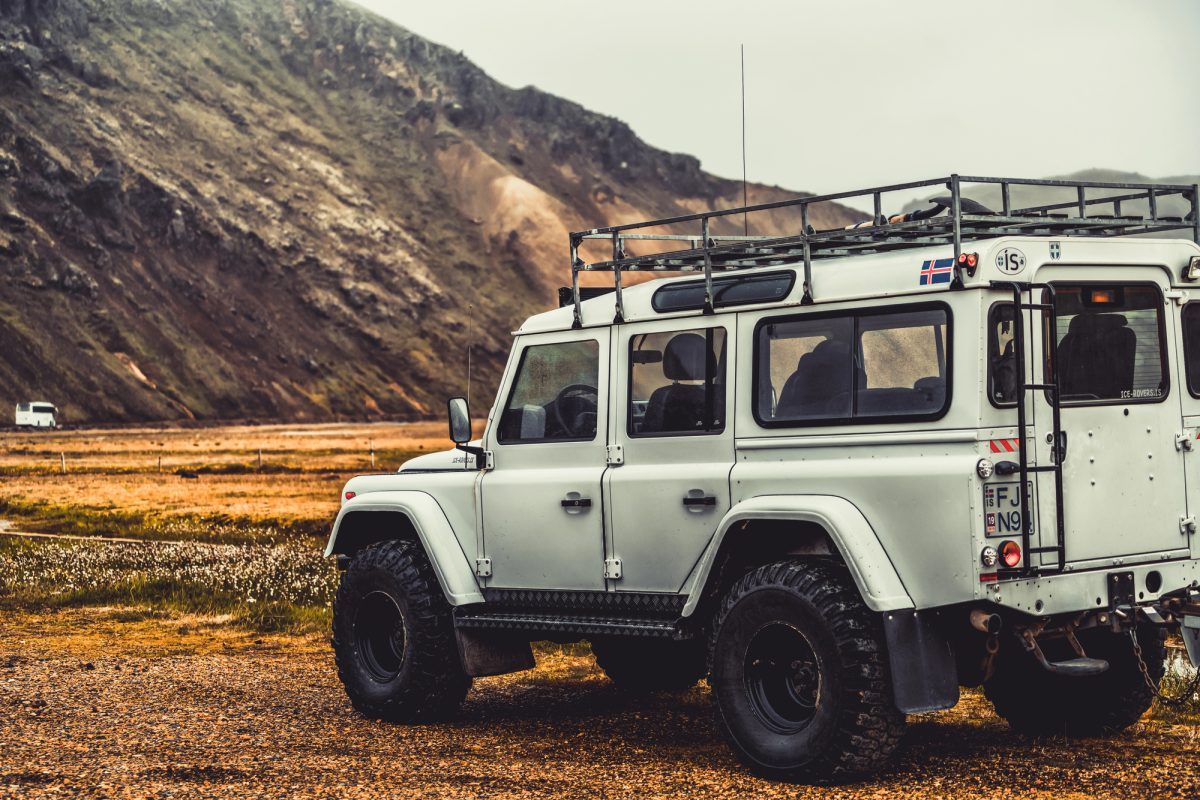
Jeeps have always been more than just vehicles, they’re passports to adventure and symbols of fearless exploration. Whether it’s crawling over rocks, powering through rivers, or disappearing into the woods, Jeep owners embrace a lifestyle where the dirtier, the better. From organized mud runs to spontaneous backroad challenges, the wild side of Jeep life reveals a thrilling world of mud, camaraderie, and unforgettable stories.
Read it here: 15 Times Jeep Life Got Wild And Muddy
10 Shocking Reasons Some Jeeps Have Two Batteries That Will Leave You Stunned
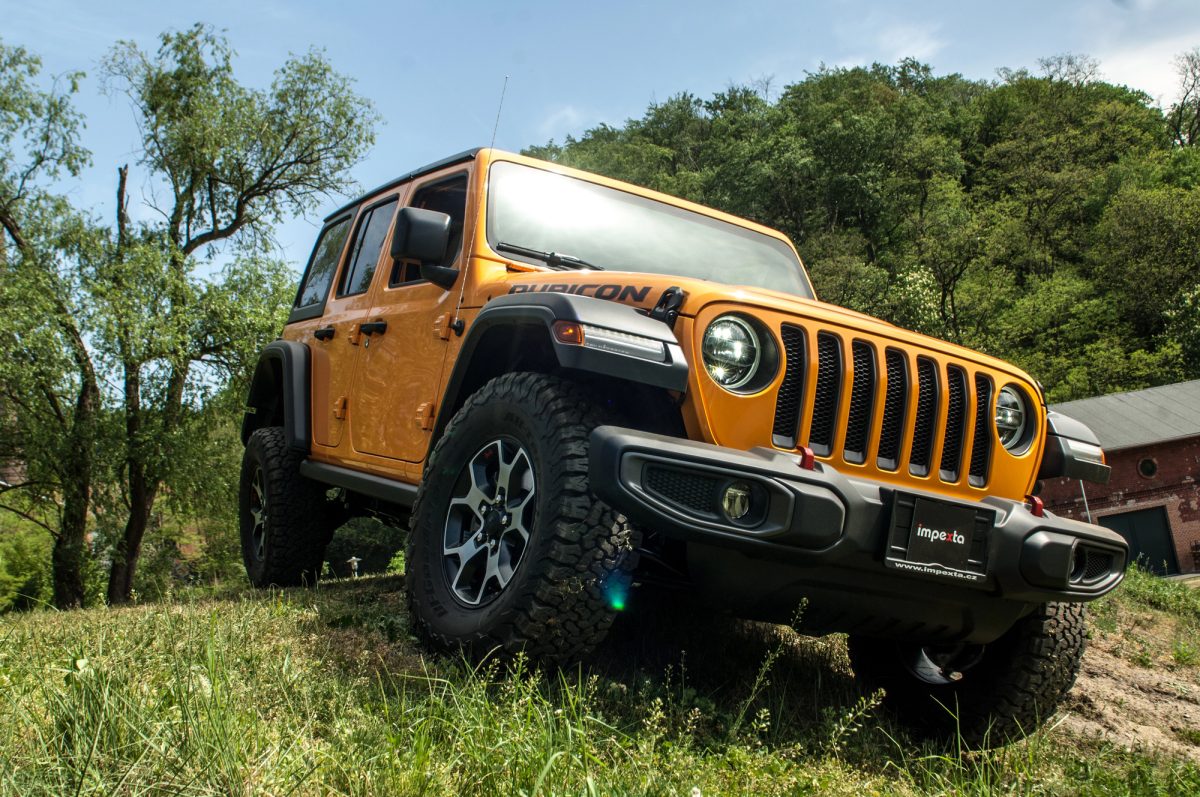
Many Jeep owners are surprised to find their vehicles equipped with two batteries, often without even knowing the purpose of the second one. While this dual-battery setup may seem excessive to the average driver, it serves very specific and powerful functions in rugged, off-road, or utility-focused situations. From powering winches to supporting critical electronics, this configuration offers reliability in ways a single battery simply cannot match. Let’s dive into the unexpected reasons why some Jeeps are designed with double the power.
Read it here: 10 Shocking Reasons Some Jeeps Have Two Batteries That Will Leave You Stunned
12 Rare Jeeps That Are Worth More Than You Think

Jeeps have long been known for their rugged durability, off-road capability, and military heritage. While many Jeep models are common sights on the road, there are some rare editions that have become valuable collectibles. These Jeeps, whether limited-production models or unique historical versions, have seen their worth skyrocket over the years. Here are 12 rare Jeeps that are worth far more than you might expect.
Read it here: 12 Rare Jeeps That Are Worth More Than You Think