Driving at night opens the door to serene highways, glowing cityscapes, and unforgettable scenic views. But while the experience can be breathtaking, it’s important to understand that night driving brings a unique set of risks. Visibility is reduced, fatigue becomes a real concern, and a small mistake can have serious consequences. Knowing what to avoid can help turn your drive into a safe, enjoyable journey worth remembering.
Using High Beams Incorrectly
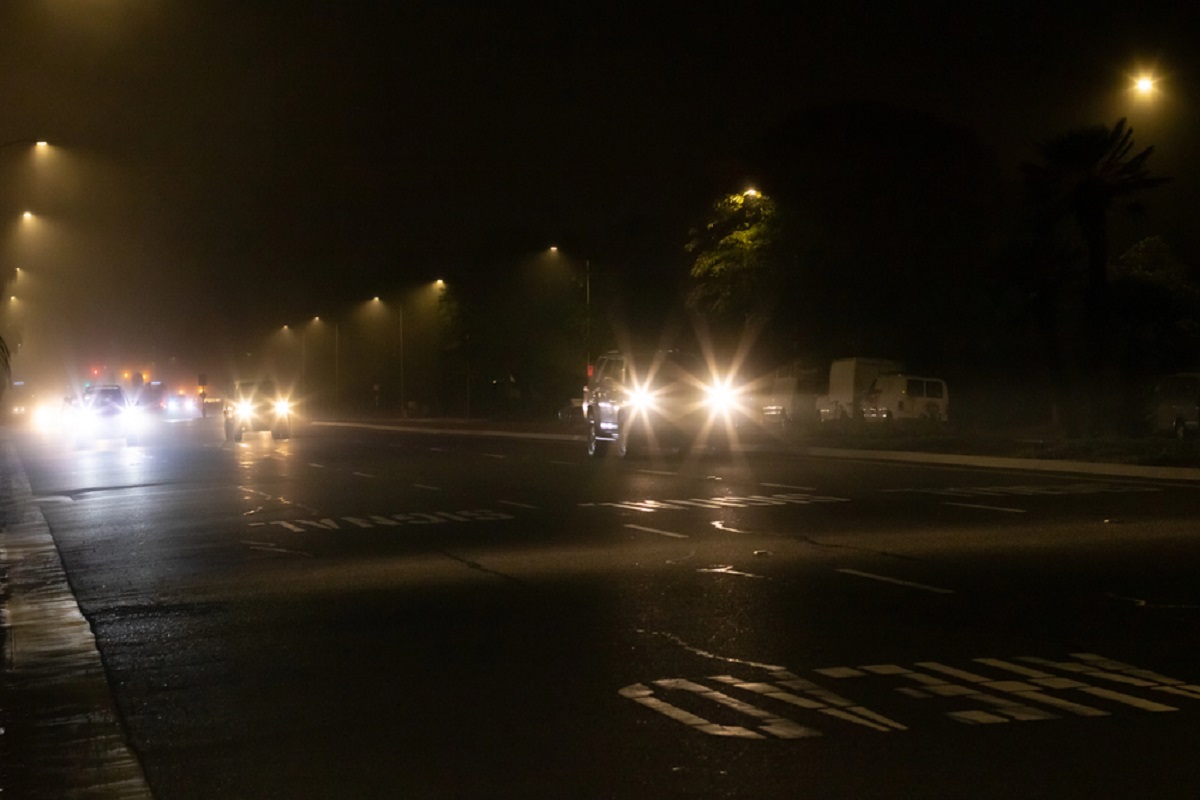
High beams can be incredibly useful on dark, open roads, but using them the wrong way can be harmful and inconsiderate to other drivers. When used around oncoming traffic or in well-lit areas, they create glare and make it difficult for others to see clearly. Beautiful drives become unpleasant when vision is impaired, so knowing when to switch beams matters more than many realize.
Ignoring Headlight Maintenance
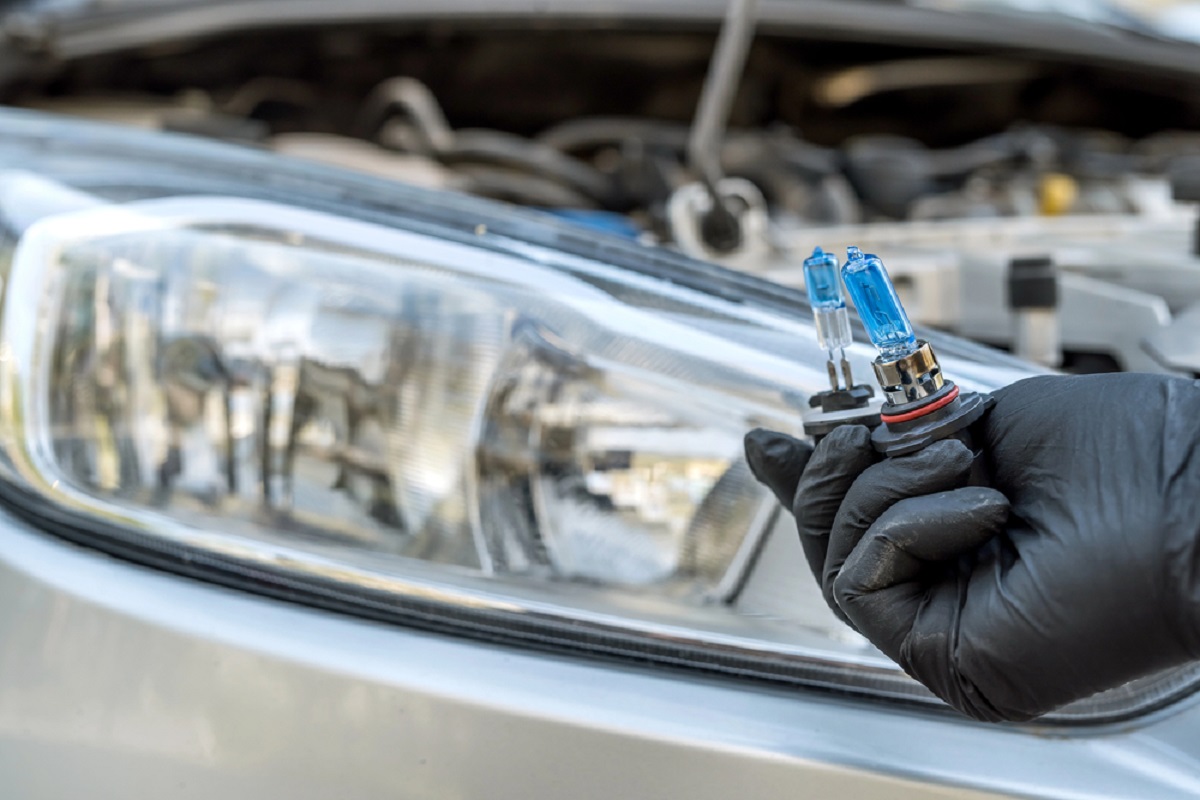
If your headlights are dull, yellowed, or misaligned, you’re cutting your visibility short, especially on dark rural roads. This makes it difficult to see road signs, animals, pedestrians, or sudden obstacles in time to react. Regularly inspecting, cleaning, and replacing bulbs is a simple step that dramatically boosts nighttime driving safety.
Driving Too Fast for the Conditions
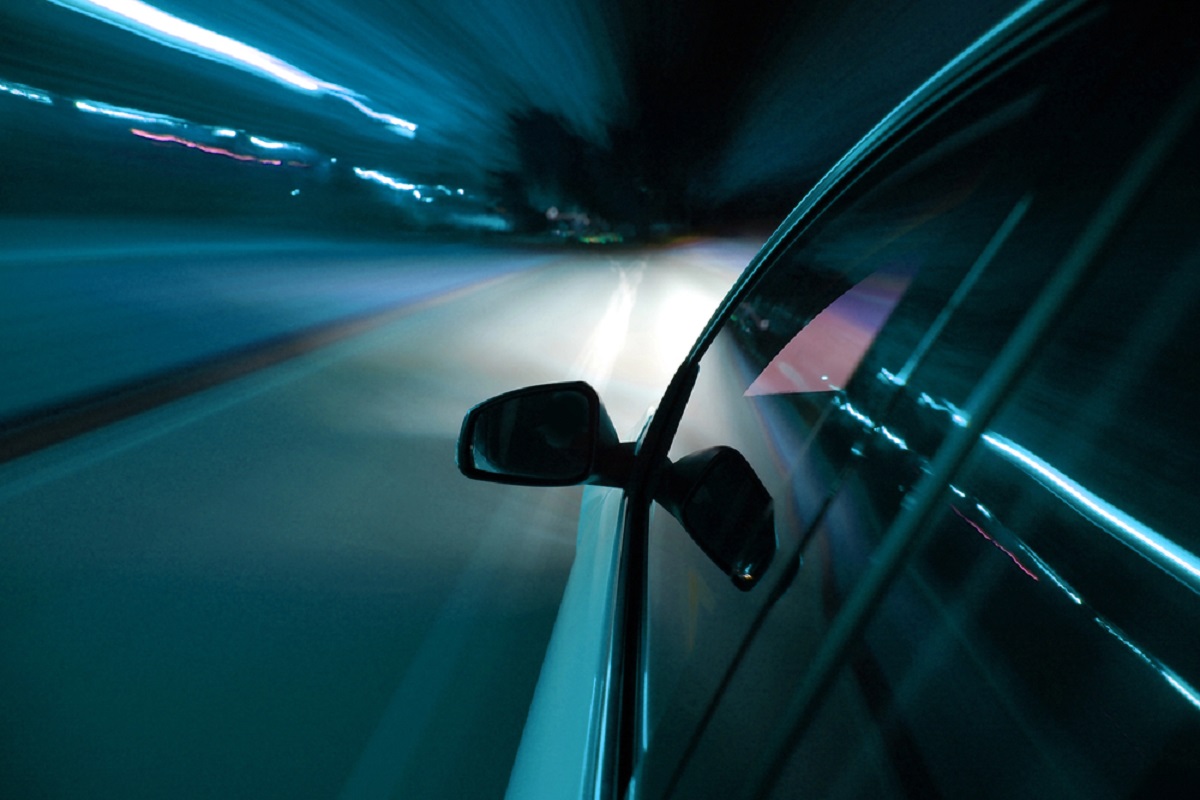
Night driving demands a different approach to speed because reaction times are reduced and hazards are harder to detect. Even if you’re familiar with the road, conditions can change, like sudden curves, wildlife crossings, or unexpected debris. Slowing down gives you the margin of safety you need to respond smartly to whatever lies ahead.
Looking Directly at Oncoming Headlights
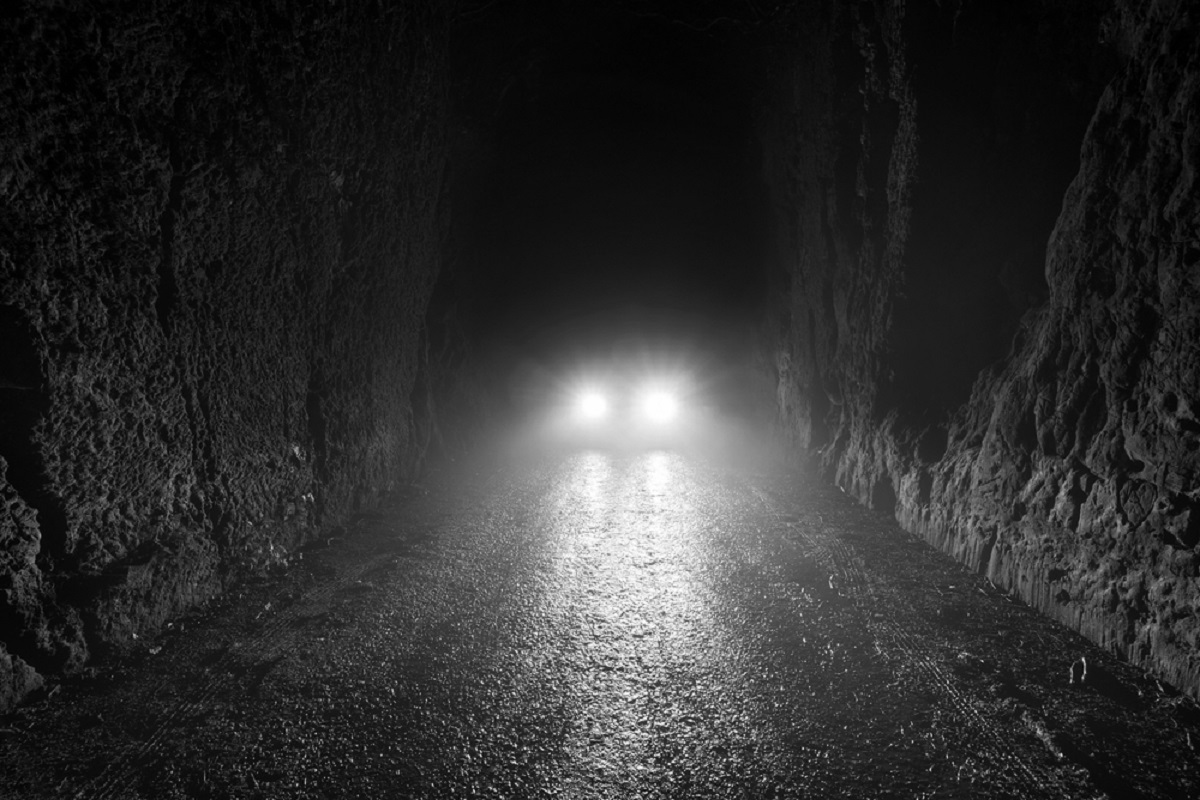
Bright lights from oncoming cars can blind you for a few seconds, which is all it takes to miss something crucial. Instead of locking eyes with the glare, shift your gaze slightly down and to the right, focusing on the lane markings. This small technique helps maintain focus while protecting your night vision during extended drives.
Related: 10 Used BMWs That Will Never Let You Down
Overdriving Your Headlights
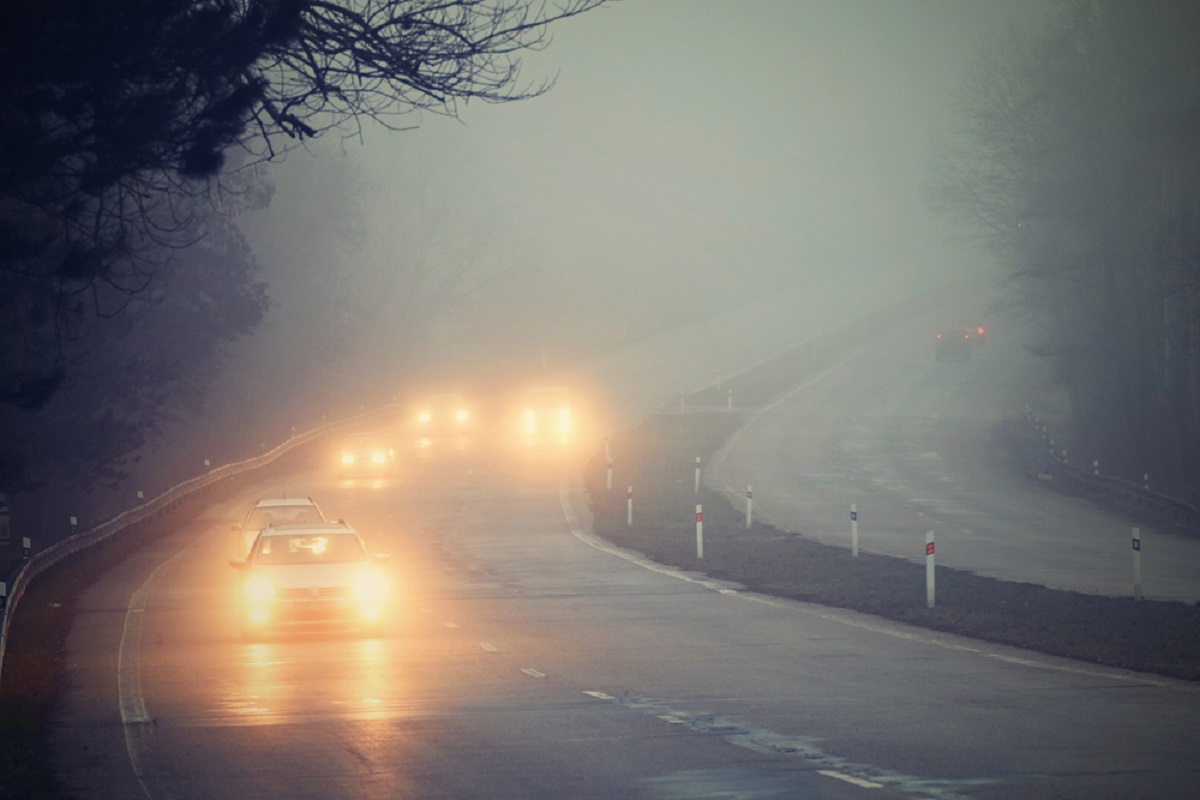
This mistake happens when your car is moving faster than your headlights can light up the road, leaving you blind to what’s just ahead. It becomes nearly impossible to react quickly to hazards like animals, sharp turns, or stalled vehicles. Always drive at a speed that matches your headlights’ reach, especially in unlit areas.
Related: These 10 Car Details Spark Instant Joy or Rage
Neglecting Rest Before a Long Drive

Tiredness can set in quietly, and its impact on your focus, reflexes, and alertness is often underestimated. Driving fatigued is comparable to driving under the influence, and nighttime makes this even more dangerous due to the natural dip in energy. Make sleep a non-negotiable part of your preparation for long or late-night trips.
Related: 11 Cars That Fit Your Inner Persona
Not Using Fog Lights When Necessary
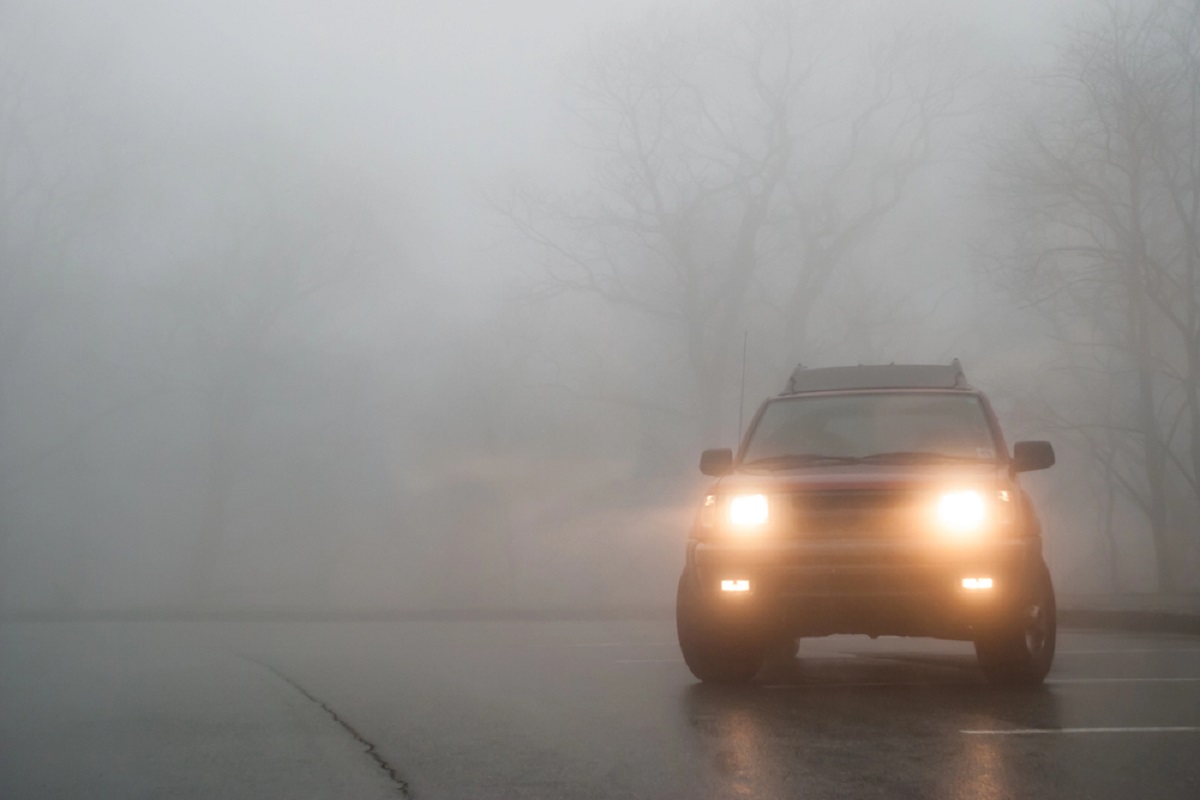
Fog lights are often forgotten or underused, even when the weather calls for them, like during misty evenings or heavy rain. Unlike standard headlights, fog lights sit lower and cut through dense air to give you a better view of the road’s edges. When visibility drops, knowing how and when to switch them on can make all the difference.
Related: 10 Secrets That Koenigsegg Hid Inside the Gemera
Driving with Interior Lights On

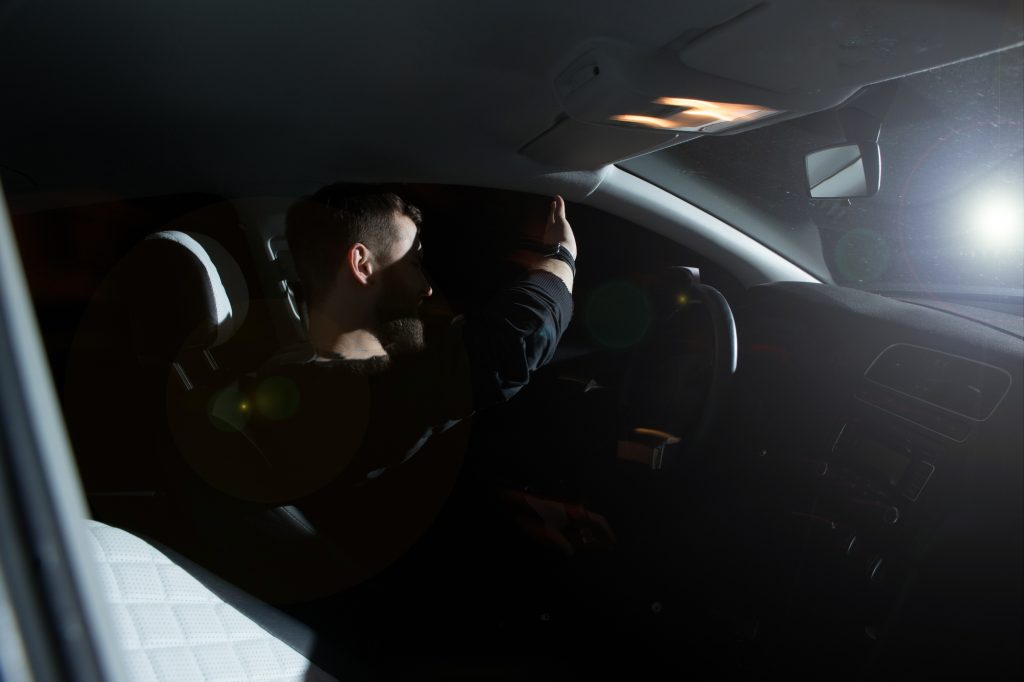
It might be tempting to turn on your car’s interior lights to check a map or find something, but doing so reduces your visibility. The glow bounces off the windshield and can be disorienting, distracting you from the road ahead. Keep your cabin dim and your eyes focused on the path to avoid unnecessary glare and confusion.
Related: 10 Risky Musk Moves That Sent Shockwaves Through The Tesla Community
Failing to Dim Your Dashboard Lights
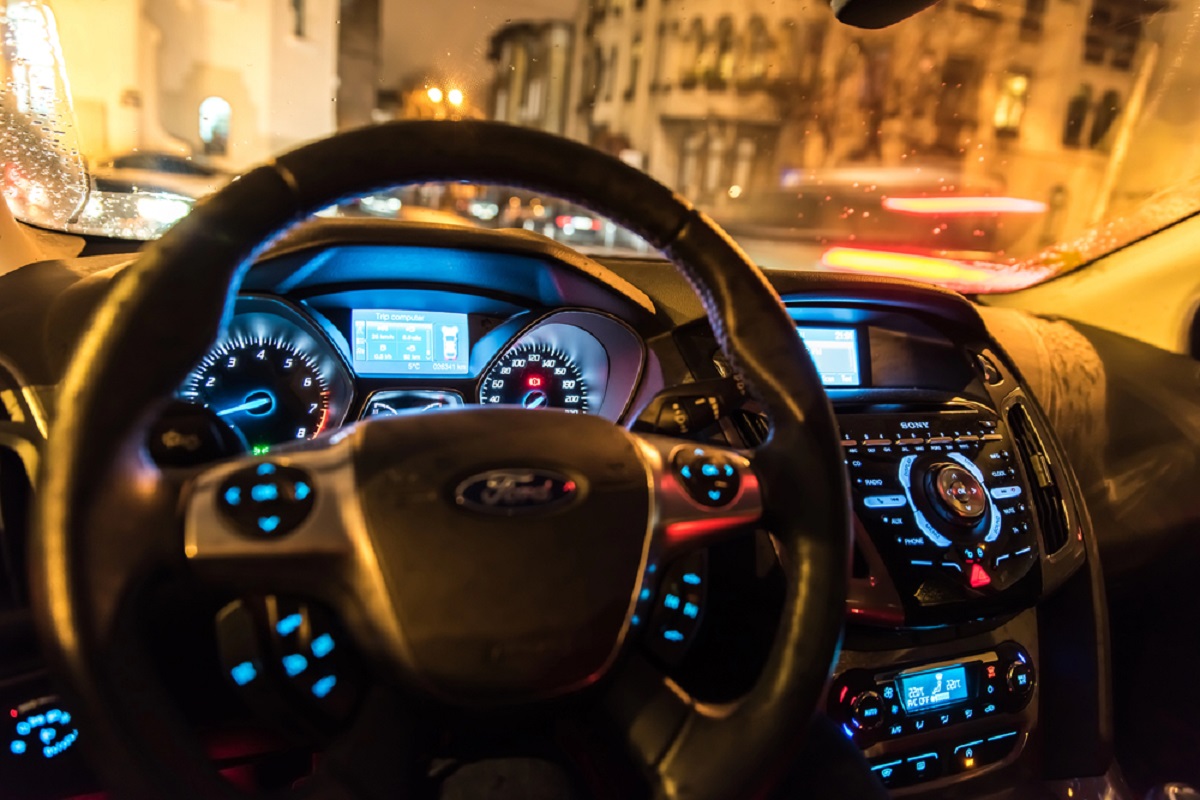
Bright instrument panels may look high-tech or comforting, but at night, they compete with your eyes’ ability to adjust to darkness. A harsh glow from inside the car reduces your sensitivity to outside movements and light changes. Dimming the dashboard creates a more balanced visual environment, reducing strain and enhancing clarity.
Related: 10 Reasons Home EV Charging Might Save Your Life Or Wallet
Wearing the Wrong Glasses

Many people wear glasses that aren’t suitable for night driving, such as those with tinted or blue-light lenses that distort contrast and clarity. This can lead to reflections, halos around lights, and poor depth perception, making navigation harder. Only wear lenses that are anti-reflective and designed for low-light conditions when behind the wheel after dark.
Related: 10 Reasons Gen Z Can Not Get Enough Of The Honda Civic
The beauty of a night drive lies in its stillness, cool air, and the promise of a peaceful destination. But to truly enjoy it, you must respect the unique challenges the road presents after sunset. Taking time to avoid these common mistakes ensures not only your safety but also a more enjoyable and relaxed driving experience. Prepare wisely, stay alert, and let the night guide you to that epic view.
Disclaimer: This list is solely the author’s opinion based on research and publicly available information.
12 Night Driving Tips You’ll Wish You Knew Before Your Scenic Escape
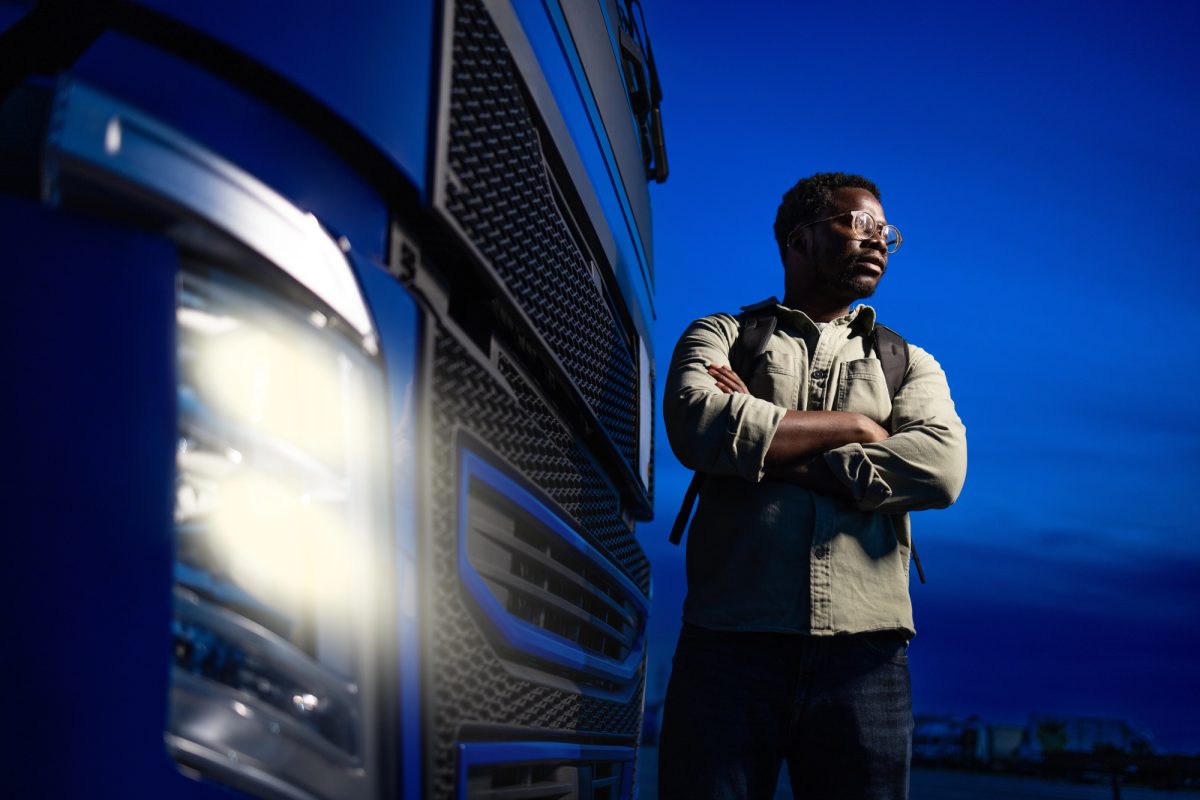
Nighttime road trips can be magical, with quieter highways and scenic views under the stars. But driving after dark also presents its own set of challenges, from reduced visibility to increased driver fatigue. Whether you’re planning a peaceful escape or heading out on a cross-country journey, it’s crucial to be prepared. Here are 12 essential night driving tips that can help transform your late-night trips into stress-free adventures.
Read it here: 12 Night Driving Tips You’ll Wish You Knew Before Your Scenic Escape
11 Life Saving Reasons Night Vision Features Are Essential For Every Driver

Driving at night can be one of the most dangerous aspects of being on the road, especially when visibility is limited and unexpected hazards can arise from anywhere. Fortunately, night vision technology is becoming more accessible in modern vehicles, offering drivers a powerful tool to detect danger long before it becomes visible to the naked eye. These systems use infrared sensors to read heat signatures and display what’s ahead even in complete darkness.
Read it here: 11 Life Saving Reasons Night Vision Features Are Essential For Every Driver
12 Life Threatening Driving Mistakes To Avoid During Rainy Season
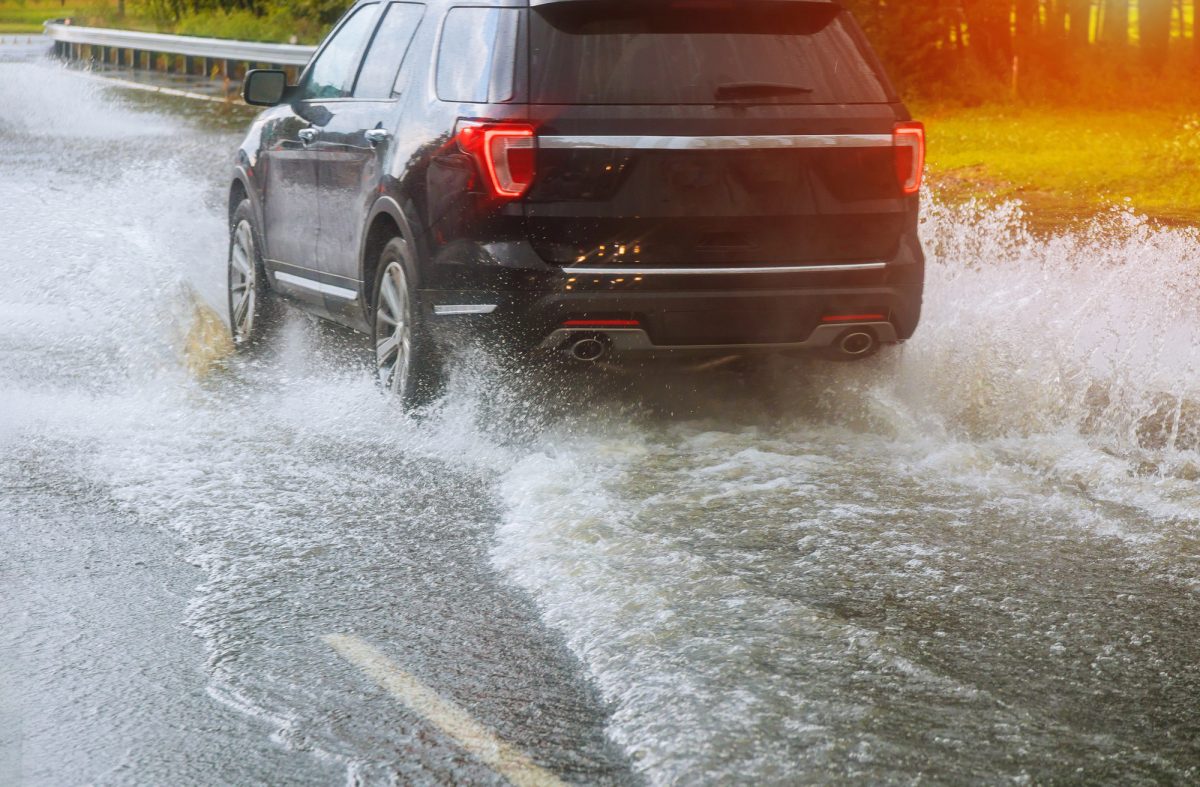
Spring rain showers bring more than just blooming flowers; they also create hazardous road conditions that many drivers underestimate. Wet roads, reduced visibility, and hydroplaning risks make rainy spring weather one of the most challenging times to drive safely. Even experienced drivers can make critical mistakes that lead to accidents, costly repairs, or worse, life-threatening situations. Understanding the most common mistakes and how to avoid them can make all the difference in staying safe on the road.
Read it here: 12 Life Threatening Driving Mistakes to Avoid During Rainy Season