School buses aren’t just yellow vehicles that get kids to school, they’re massive machines that must balance power, reliability, and safety under constantly changing conditions. The engine inside a school bus plays a vital role in determining how well it performs during acceleration, emergency stops, long routes, and unexpected traffic conditions. From torque ratings to engine cooling capacity, every spec tells a story about how a bus will behave in real-life situations. These 10 engine specs can truly reveal whether that seemingly safe ride is genuinely built for safety or skating on thin ice.
Horsepower Output

Horsepower measures how quickly a bus can get up to speed, which is particularly important when merging onto highways or crossing intersections. Buses with underpowered engines may struggle during acceleration, leaving them vulnerable in fast-moving traffic. Higher horsepower helps maintain control in variable conditions, especially with a full load of onboard students.
Engine Displacement
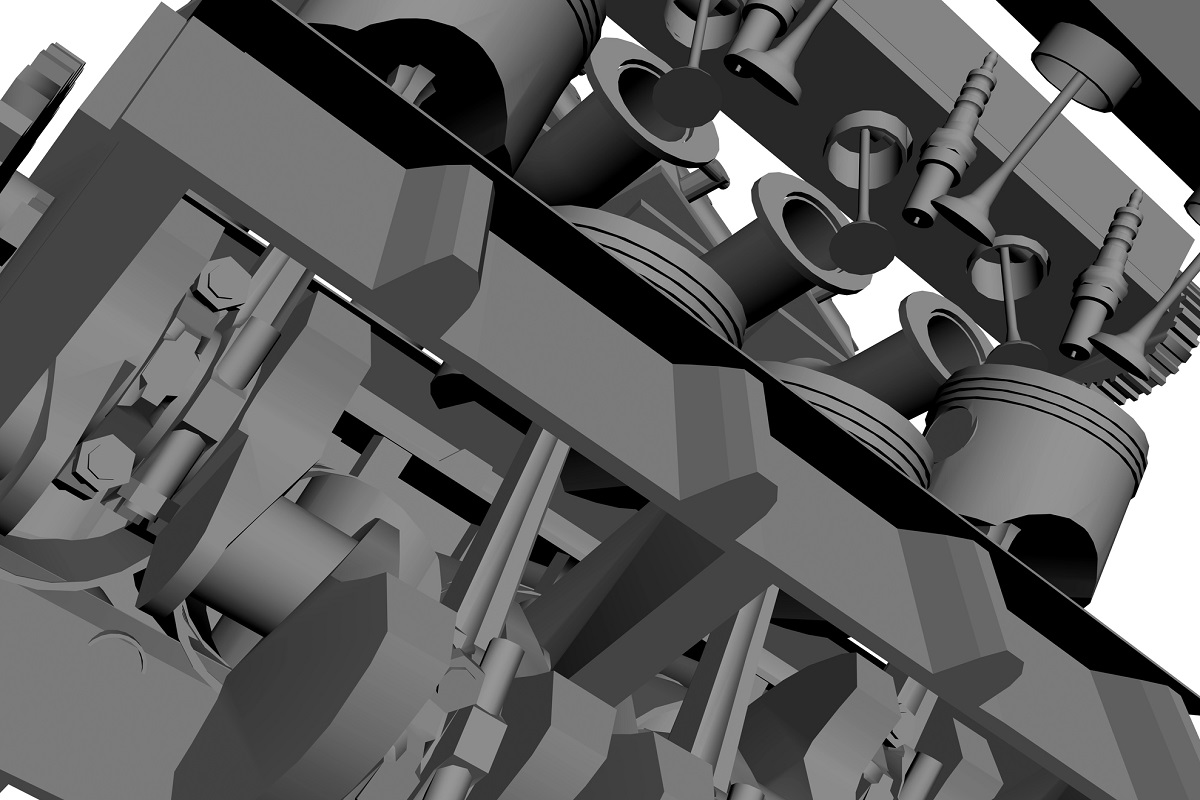
The displacement determines how much air and fuel an engine can process, influencing its overall strength and stamina. Larger displacement usually indicates an engine designed to handle extended operation under load. Smaller displacements may work in city traffic but struggle on long or steep routes, raising safety concerns.
Fuel Type Compatibility

School bus engines can run on diesel, gasoline, propane, or even electric power, all with different safety implications. Diesel engines tend to offer more torque and longevity, while propane and electric alternatives aim to reduce emissions and noise. Choosing the right fuel system impacts not only performance but also the engine’s reliability under various conditions.
Cooling System Efficiency
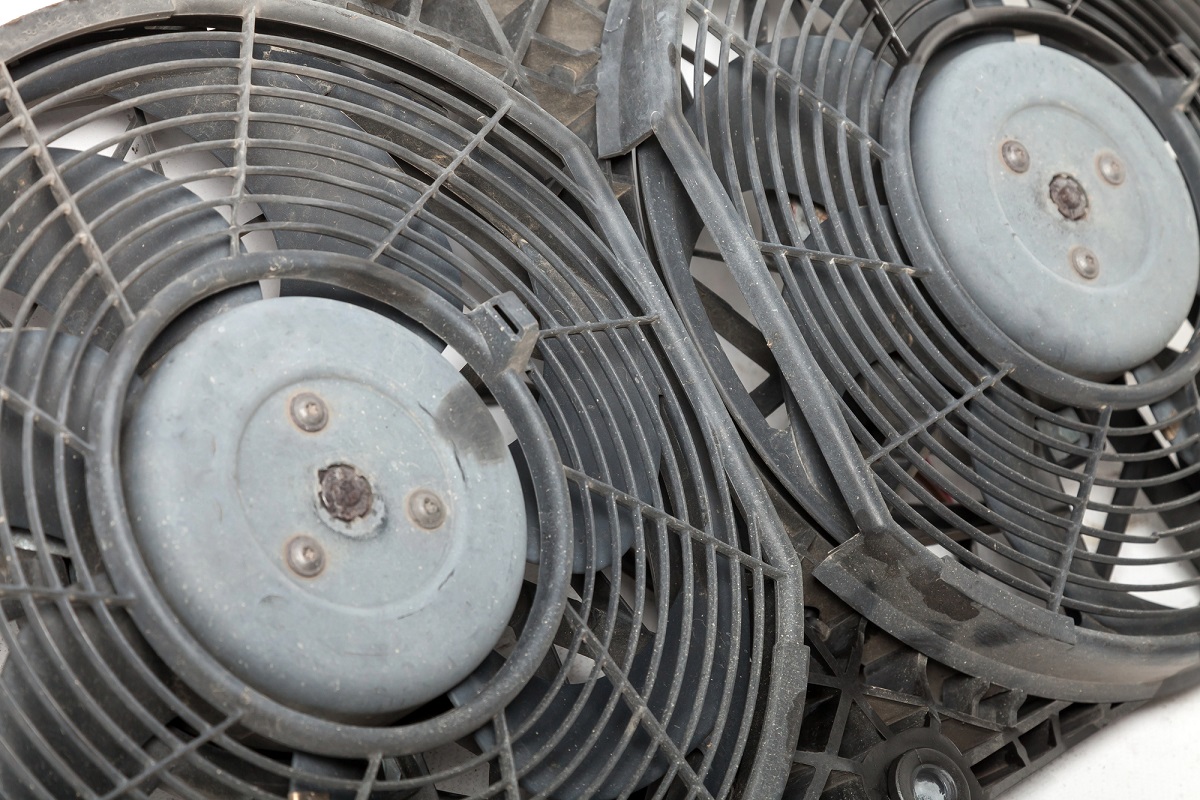
Engine cooling prevents overheating, especially important when buses idle in hot climates or deal with heavy stop-and-go routes. A poorly cooled engine can overheat, causing breakdowns or even fires, putting passengers at serious risk. Efficient cooling systems maintain optimal temperatures and extend engine life, enhancing operational safety.
Related: 11 Ways That BYD’s New Tech Could Flip The EV Industry On Its Head
Compression Ratio
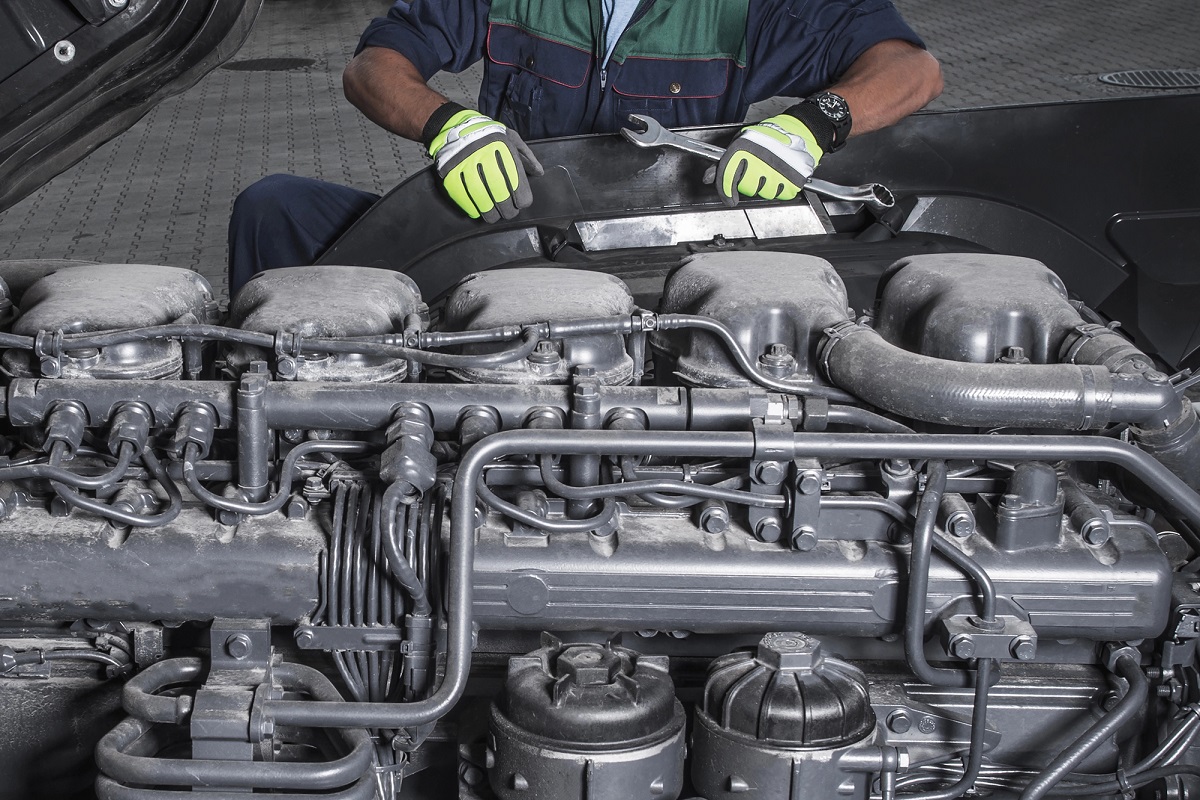
The compression ratio affects how efficiently an engine converts fuel into power, which also influences exhaust emissions and engine wear. Buses with poor compression ratios often burn fuel less efficiently, leading to overheating or carbon buildup. A balanced ratio provides smoother performance and reduces long-term maintenance issues.
Related: 11 Places Drivers Swear By For Free Top Off For Tires
Turbocharging and Airflow Control
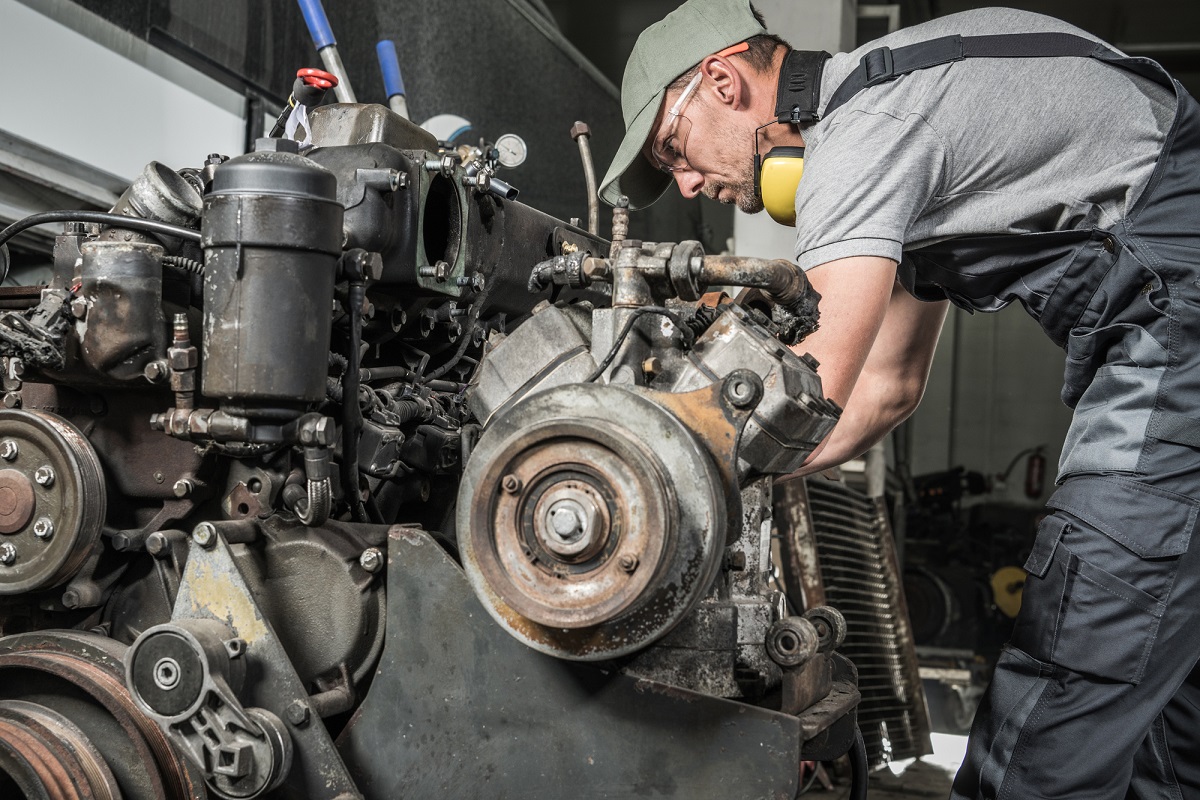
Turbochargers enhance power by forcing more air into the engine, which helps when navigating hills or carrying heavier student loads. Engines with proper turbo systems respond better under pressure and recover quickly after slowing down. However, poorly maintained or cheap turbos can introduce reliability issues and increase fuel demands.
Related: 10 Unbelievable Details That Make This Shelby Hertz Mustang A Time Capsule On Wheels
Idle RPM Range

The idle RPM must be stable and appropriately tuned to prevent engine stalling while stopped or loading passengers. If idle settings are too high, the engine wastes fuel and overheats faster; if too low, it risks stalling under load. A stable idle range ensures readiness during frequent stops common on school routes.
Related: How The Porsche 911 That Nobody Wanted Became One Of The Most Valuable In 12 Bold Facts
Engine Management Systems
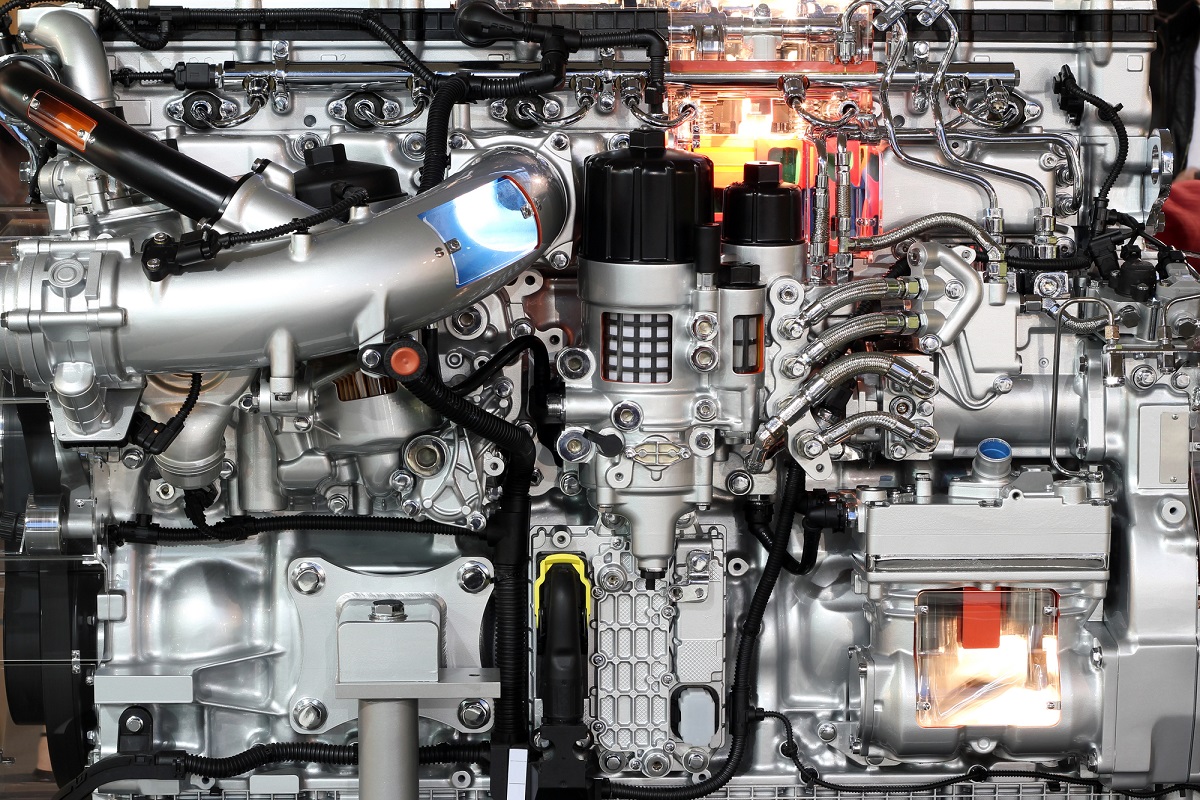
Modern buses use computer systems to control engine timing, fuel injection, and emissions. These electronic control units (ECUs) optimize safety and performance in real time, adapting to terrain and load. A malfunctioning ECU can lead to delayed throttle response, erratic shifting, or failure to meet emissions standards.
Related: 13 Things 100 Years Of Rolls Royce Phantom Excellence Taught Us
RPM Redline Threshold
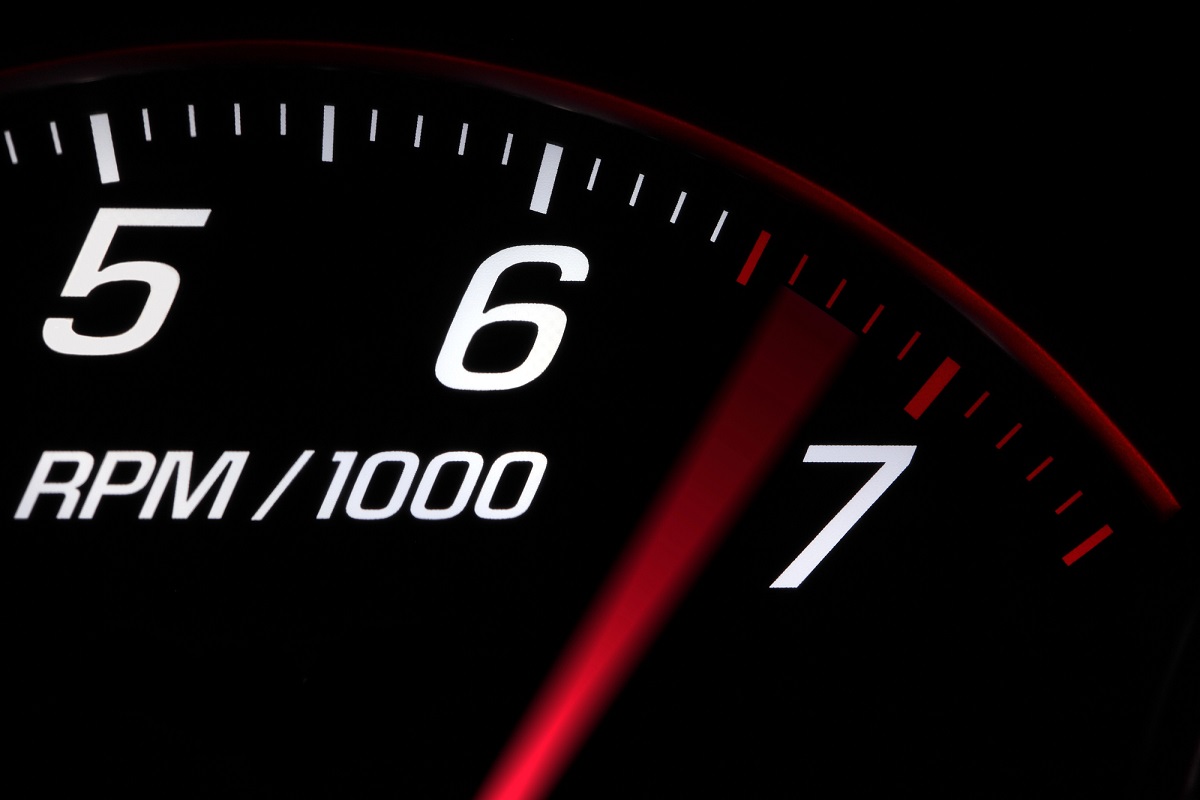
The red line represents the maximum speed the engine can safely spin before components begin to fail. Engines that redline too early may be less robust, while those with a wider RPM range allow better response in high-demand situations. Exceeding the redline, especially during emergencies, can lead to engine failure or fire.
Related: 12 SUV Accessibility Hacks Every Traveler Needs To Know Now
Cylinder Configuration
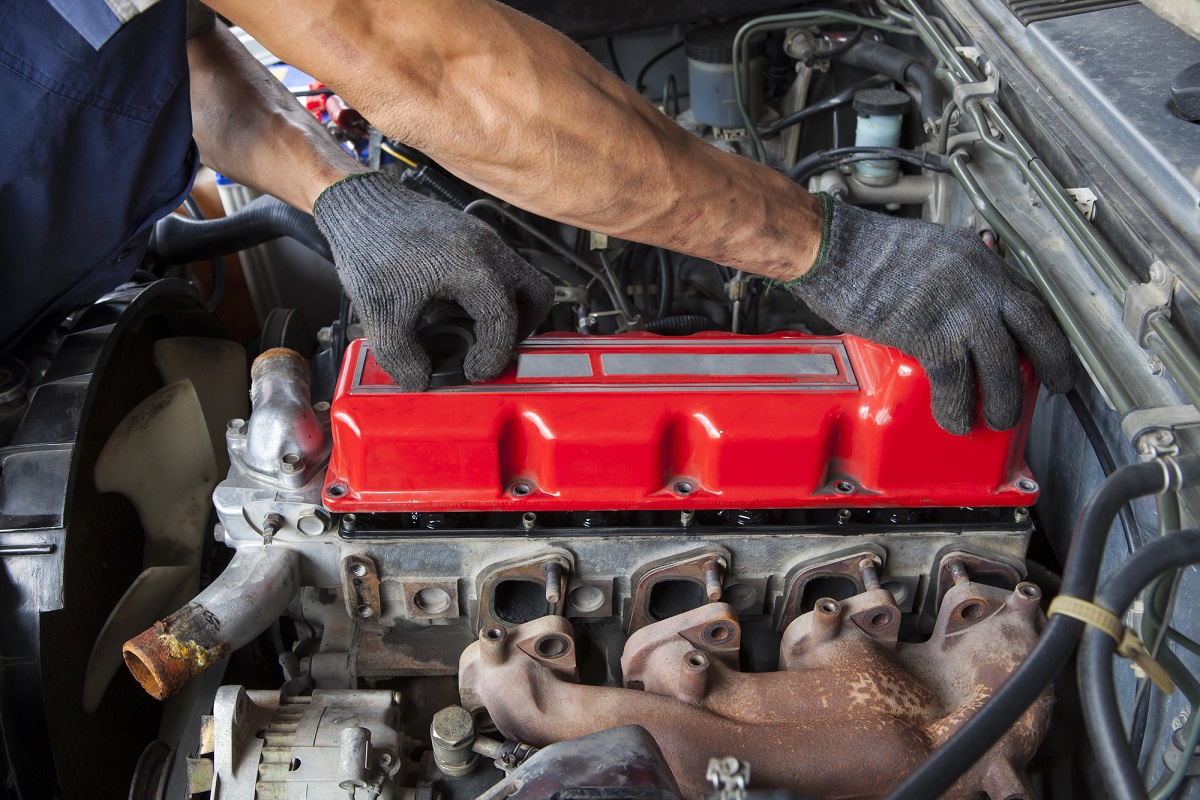
Whether inline-six, V8, or even hybrid-electric, the engine’s layout can affect weight distribution, maintenance complexity, and overall performance. Some configurations offer better torque while others focus on fuel efficiency or compactness. Understanding the configuration helps in predicting how well the engine will hold up under daily strain.
Related: 11 Things Only Smart Bikes Know That Could Save Your Life
Every engine spec on a school bus tells part of a story, whether it’s about lasting strength, fuel efficiency, or the safety of students in high-pressure traffic scenarios. Ignoring these numbers could mean riding on a vehicle that’s underpowered, poorly maintained, or unsuited for its daily duties. Engine specs aren’t just for gearheads; they matter deeply in school transportation decisions. Choosing a bus with the right engine configuration is crucial for protecting students, minimizing breakdowns, and ensuring peace of mind for parents.
Disclaimer: This list is solely the author’s opinion based on research and publicly available information.
10 Wild Ways Emergency Vehicles Have Transformed Through History

Emergency vehicles have come a long way from their humble beginnings, evolving through major leaps in technology, design, and function. What began as basic wagons pulled by horses has turned into fleets of high-tech, life-saving machines that respond in seconds. Each era has pushed the boundaries of speed, communication, and mobility to meet the demands of public safety. Let’s take a look at 10 wild transformations that show just how far emergency vehicles have come over time.
Read it here: 10 Wild Ways Emergency Vehicles Have Transformed Through History
11 Reasons This V8 Might Be The Most Bulletproof Engine Ever Built
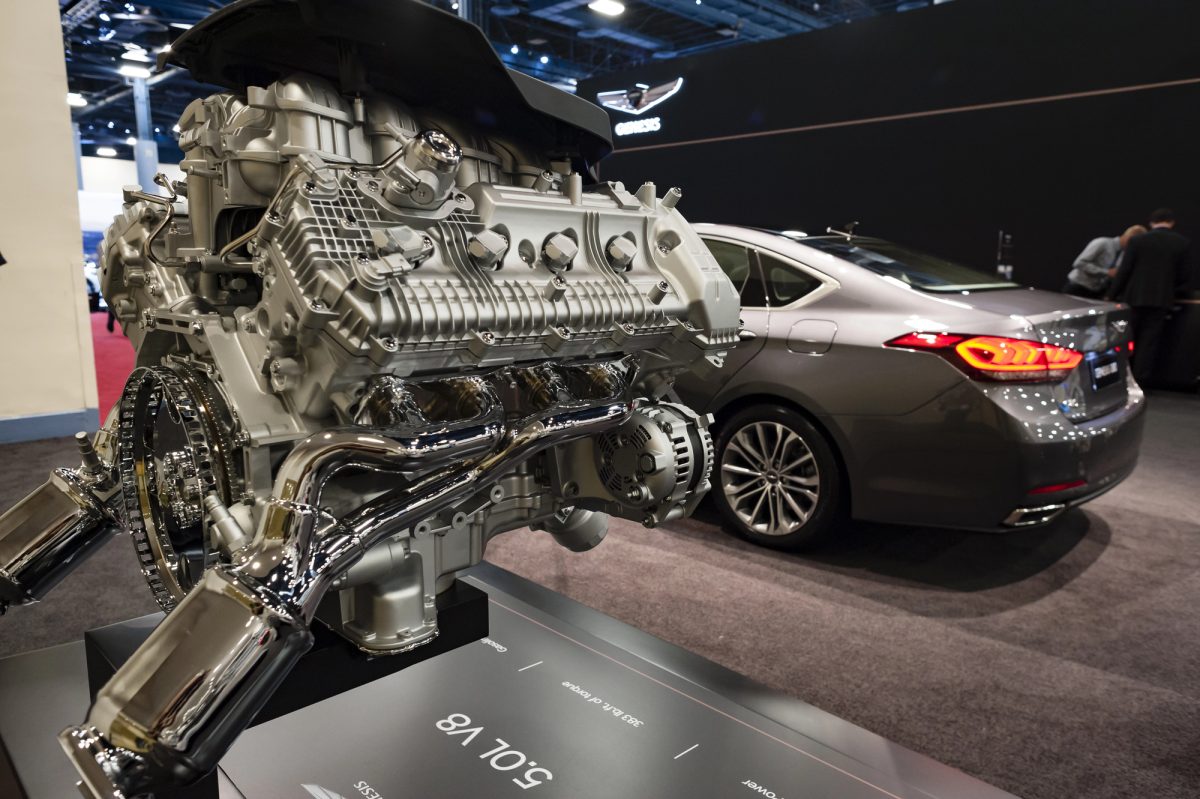
In the high-stakes world of automotive engineering, few engines earn a reputation that echoes across generations, but this V8 might be the most bulletproof powerplant ever built. Designed with durability, real-world performance, and low-maintenance longevity in mind, it’s become a mechanical legend. Here are 11 ironclad reasons why this V8 deserves the title of automotive indestructibility.
Read it here: 11 Reasons This V8 Might Be The Most Bulletproof Engine Ever Built
11 Insane Camper Van Makeovers That Will Blow Your Mind

Camper vans have evolved from simple travel vehicles into fully customized mobile homes with unbelievable transformations. From luxurious interiors to off grid survival setups, these camper van makeovers redefine adventure on wheels. Whether you dream of a cozy escape or a rugged overlander, these incredible builds will leave you inspired.
Read it here: 11 Insane Camper Van Makeovers That Will Blow Your Mind
You’ll love these related posts: