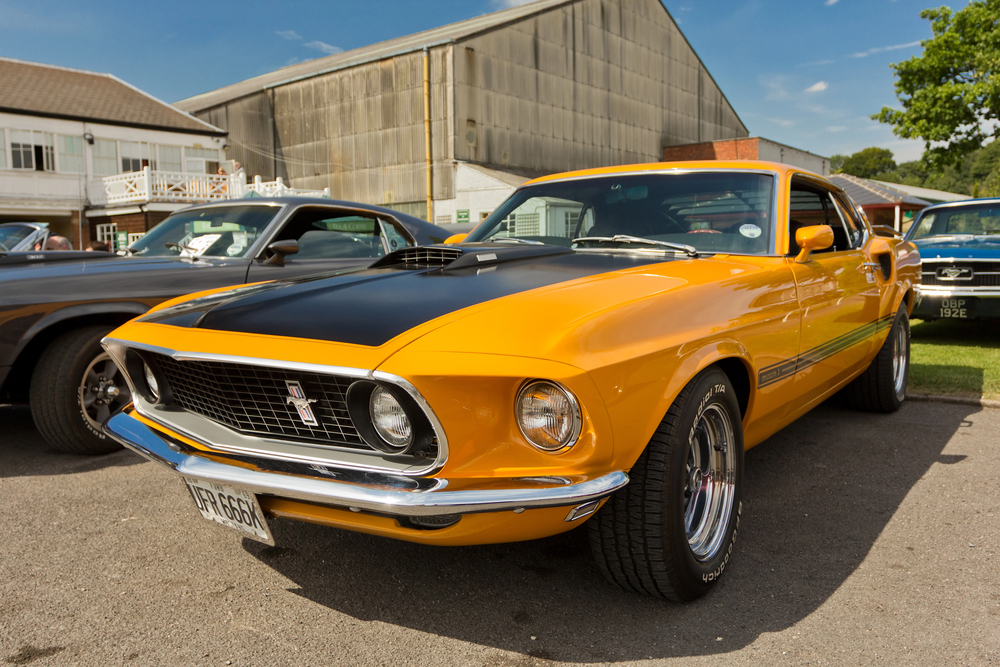
Emergency vehicles have come a long way from their humble beginnings, evolving through major leaps in technology, design, and function. What began as basic wagons pulled by horses has turned into fleets of high-tech, life-saving machines that respond in seconds. Each era has pushed the boundaries of speed, communication, and mobility to meet the demands of public safety. Let’s take a look at 10 wild transformations that show just how far emergency vehicles have come over time.
From Horse-Drawn Carriages to Motorized Response Units

In the 1800s, fire brigades and medical teams relied on horse-drawn carriages that were slow and limited by terrain and endurance. The introduction of combustion engines changed everything, cutting response times dramatically and making rescues more efficient. Motorization marked the first true revolution in emergency vehicle history.
The Birth of the Modern Ambulance During Wartime

World War I and II forced the development of faster, sturdier, and more medically equipped ambulances to treat and transport the wounded. These mobile medical units brought real-time care closer to the frontlines and set the standard for civilian emergency services. Military urgency helped shape the ambulance’s core mission, speed, and survival.
Introduction of Sirens and Lights for Rapid Navigation

Early emergency vehicles didn’t have sirens, relying solely on shouting or bells to clear traffic. With urban growth, flashing lights and electric sirens became vital tools for navigating busy streets and alerting the public. These attention-grabbing signals have saved countless lives by clearing paths in seconds.
Fire Trucks with Ladders That Reach the Sky
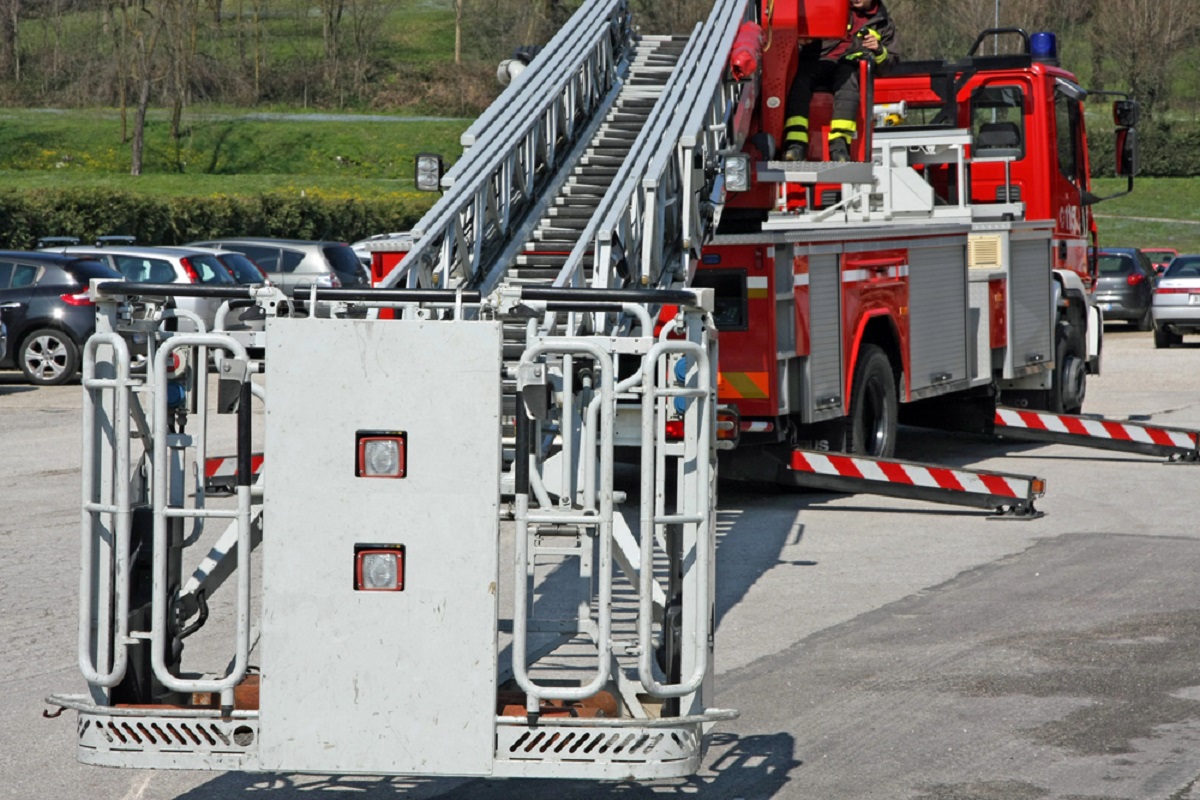
In the early 1900s, firefighters had only handheld ladders and buckets, limiting rescue from high-rise buildings. The invention of aerial ladder trucks with hydraulic extensions revolutionized firefighting in urban settings. These towering machines now reach as high as 100 feet and carry heavy-duty rescue equipment.
Related: 12 Game-Changing Car Essentials For Late-Night Adventures
Armored Emergency Vehicles for High-Risk Rescues
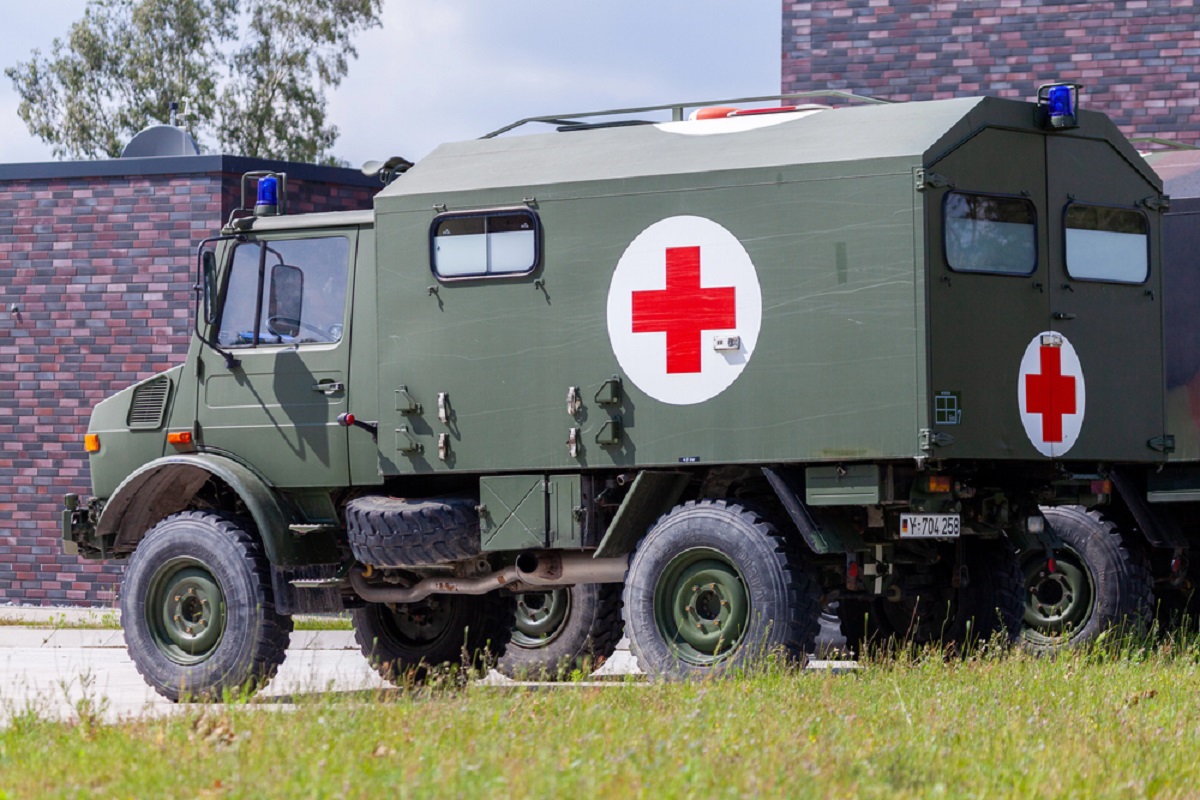
As threats like terrorism and armed standoffs grew, so did the need for tactical emergency transport. SWAT and military-grade rescue vehicles were armored to protect first responders and civilians in hostile environments. These mobile fortresses now roll into danger zones with precision and safety in mind.
Related: 12 Night Driving Tips You’ll Wish You Knew Before Your Scenic Escape
The Rise of Air Ambulances and Medical Helicopters
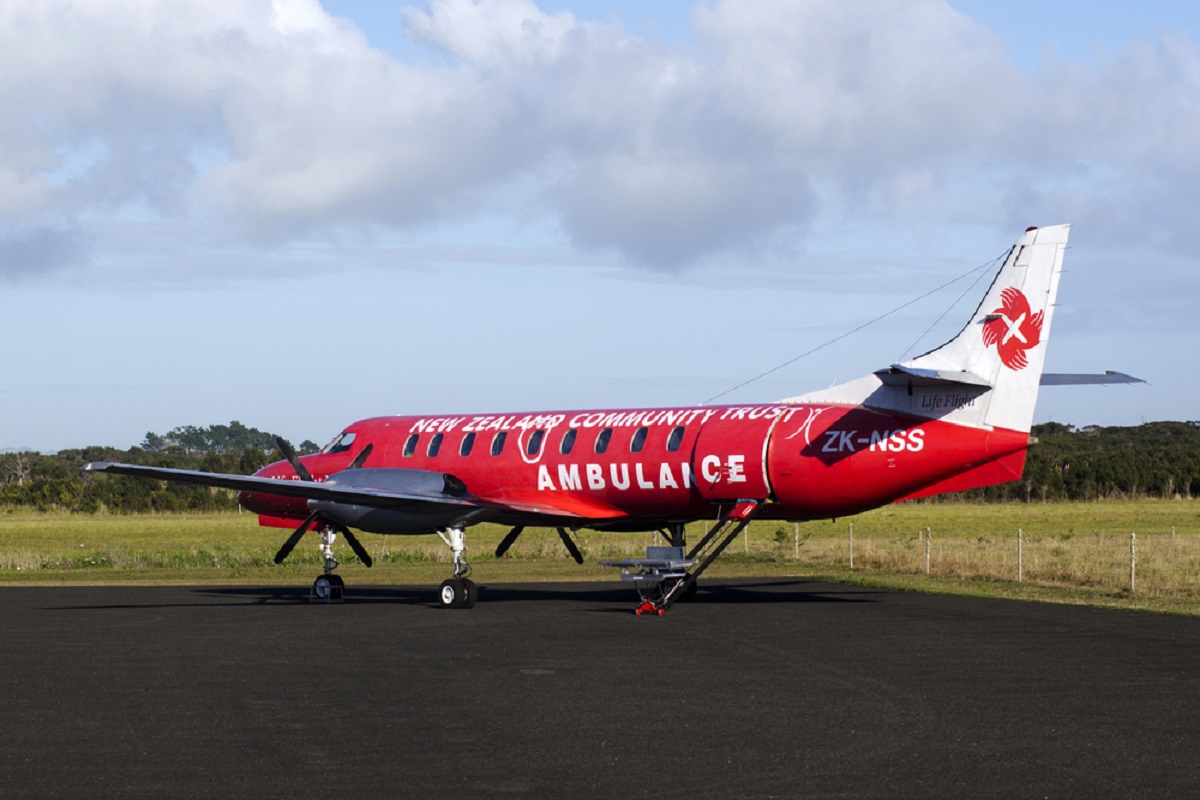
Emergency care went airborne with the rise of medical helicopters, particularly during the Korean and Vietnam wars. These flying ambulances brought rapid evacuation and critical care to areas unreachable by road. Today, they serve rural regions, highway accidents, and natural disasters with unmatched speed.
Related: 12 Road Trips That Take You Where The Stars Still Shine
Multi-Function Units Combining Services
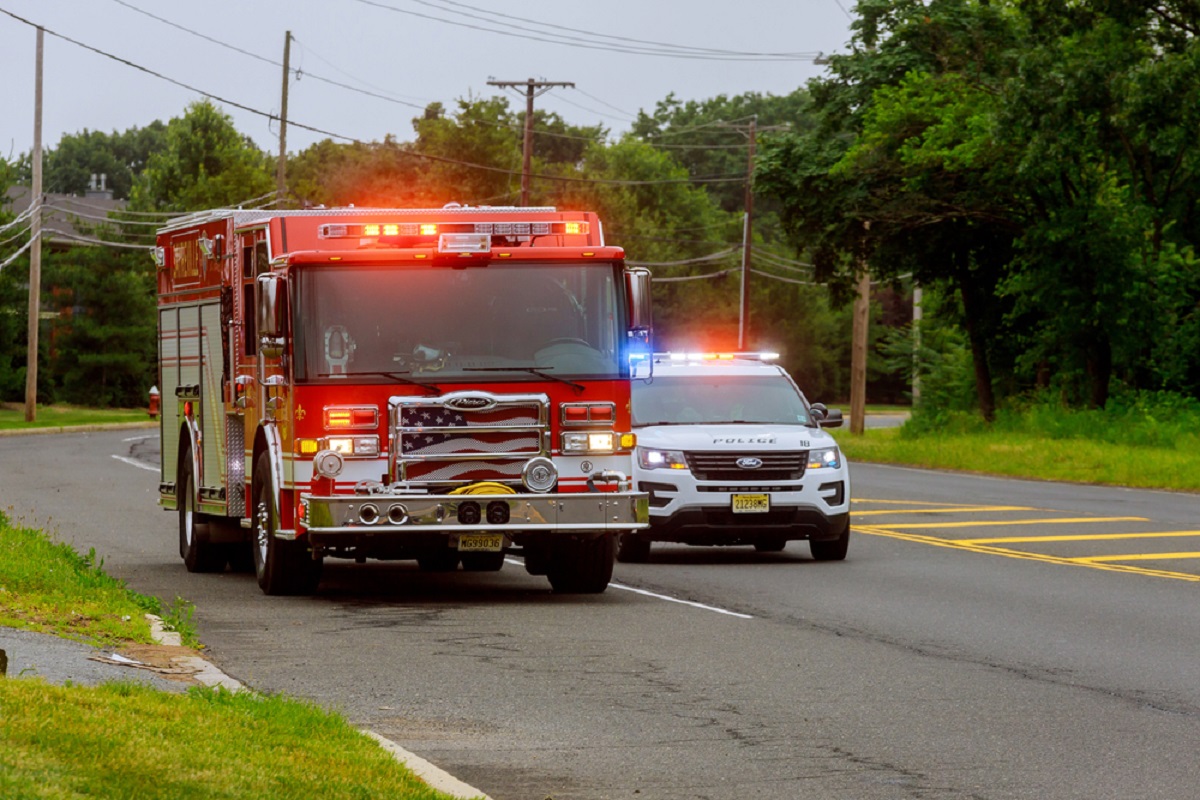
Some emergency vehicles now combine functions, such as ambulances that carry firefighting gear or patrol cars equipped for basic medical aid. These hybrids reduce the need for multiple vehicles at a single scene and save precious minutes. The future of emergency response is increasingly about versatility and readiness.
Related: 15 Wild First Car Stories That Went Off The Rails
Solar Panels and Tech-Loaded Command Centers

Modern emergency vehicles are often outfitted with solar panels and satellite links to power computers, lighting, and communication systems. These command units act as mobile headquarters during large-scale emergencies. They’re built for coordination, durability, and all-day performance without external power sources.
Related: 14 Cat Car Rides That Went Hilariously Wrong
Specialized Units for Hazmat and Disaster Response
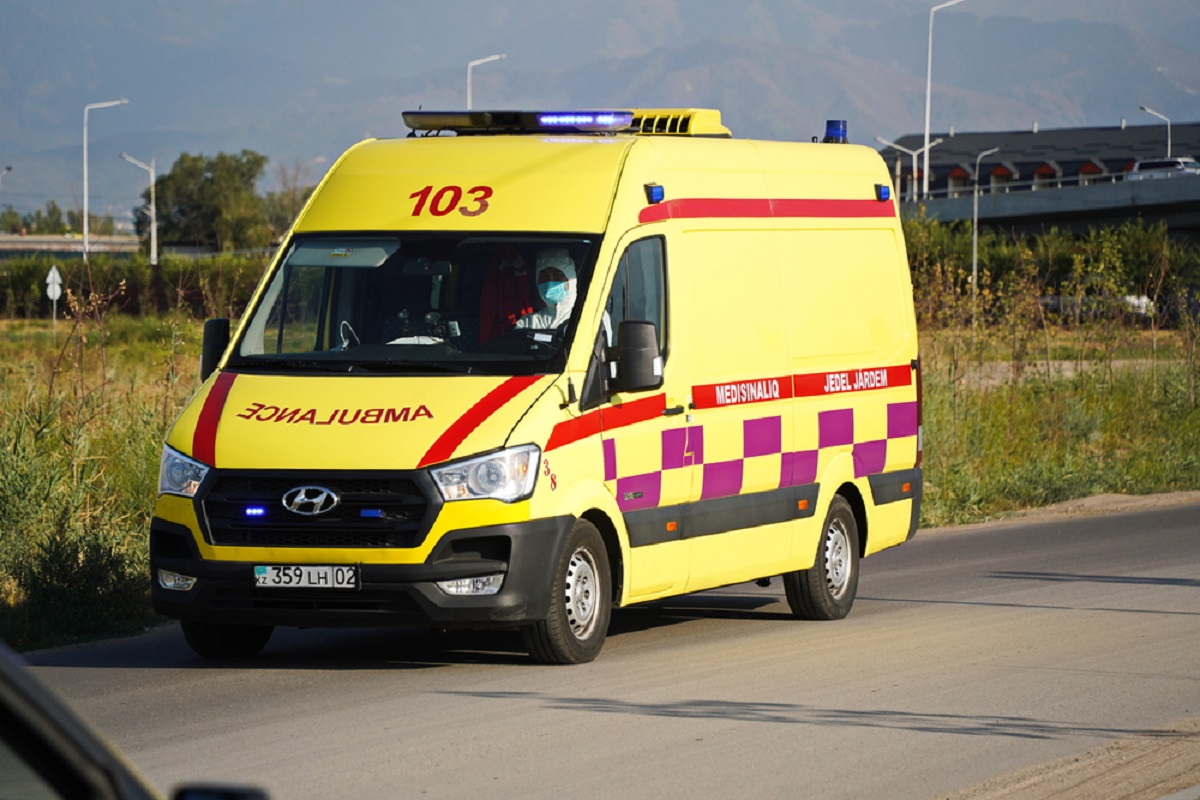
Chemical spills, pandemics, and biohazards have led to the creation of highly specialized emergency vehicles. These units are sealed, climate-controlled, and equipped to handle everything from decontamination to mobile lab work. Their existence shows how emergency response has evolved to meet new global threats.
Related: 15 Reasons Skipping A Test Drive Can Cost You Big
From Radio Dispatch to AI-Powered Logistics

The earliest emergency calls were relayed manually by phone or radio, with delays and errors often slowing response. Today, AI helps predict peak demand zones, manage fleet distribution, and analyze response times for better coverage. Smart algorithms are reshaping the future of who goes where and when.
Related: 15 Signs That Pets Love Road Trips More Than We Do
The history of emergency vehicles is a story of bold innovation, driven by urgency and necessity. From horse-drawn carts to AI-equipped command units, each transformation has saved more lives and improved community safety. These vehicles reflect the progress of society, technology, and the brave people who ride in them. As the future unfolds, emergency transport will only become faster, smarter, and even more life-saving.
Disclaimer: This list is solely the author’s opinion based on research and publicly available information.
15 Secret Hazards Of Towing An AWD Car In Neutral That Could Lead To Expensive Repairs

Towing an all-wheel-drive (AWD) vehicle might seem straightforward, but there are hidden dangers that could cost you thousands in repairs if not done correctly. Many car owners assume placing their vehicle in neutral is a safe solution, but with AWD systems, this can lead to catastrophic damage. Understanding the specific risks and how to avoid them is essential to protecting your investment and ensuring safe towing practices.
Read it here: 15 Secret Hazards Of Towing An AWD Car In Neutral That Could Lead To Expensive Repairs
13 Travel Trucks Built For Ultimate Road Trips

When it comes to hitting the open road, not all vehicles are built equally, especially when you’re chasing adventure and freedom. Travel trucks have emerged as the ultimate solution for road trippers who need power, comfort, and space without compromise. These trucks blend rugged utility with surprising luxury, offering everything from off-road readiness to cozy sleeping arrangements. Whether you’re heading to the mountains, deserts, or coastlines, the right travel truck can turn your trip into a journey of a lifetime.
Read it here: 13 Travel Trucks Built For Ultimate Road Trips
14 Unexpected Ways Your Car Is Impacting Your Day Without You Realizing

Your car plays a crucial role in how you navigate daily life, but many of its effects go unnoticed. From the time you wake up to the moment you settle in for the night, your car’s influence is profound, shaping your routine, mood, and even health. Whether you’re aware of it or not, your vehicle impacts everything from productivity to stress levels. The hidden effects can be subtle, but their long-term impact on your well-being and lifestyle is significant. Here are 14 unexpected ways your car is affecting your day, often without you realizing it.
Read it here: 14 Unexpected Ways Your Car Is Impacting Your Day Without You Realizing