Cars have changed drastically over the decades, evolving from purely mechanical machines to high-tech computers on wheels. While boomers grew up with features that were once considered standard, many of them would leave younger drivers scratching their heads. From manual controls to long-gone design choices, here are some car features from the past that today’s drivers might find completely baffling.
Manual Window Cranks

Before power windows, rolling down a window required actual effort. Drivers had to crank a handle several times to lower or raise the glass. If you were a passenger, you either had to roll your own or beg the driver for help. Today’s drivers, used to one-touch automatic windows, would likely find this outdated and inconvenient.
Push-Button AM Radios

Tuning into a radio station wasn’t as simple as selecting a preset or saying, “Hey Siri, play my favorite song.” Drivers had to manually adjust the dial or press mechanical preset buttons that physically moved the needle to the right frequency. There was no Bluetooth, no streaming, and plenty of static.
Vent Windows (Wing Windows)

Before air conditioning became standard, small triangular vent windows near the front of the car helped direct fresh air inside. These mini-windows could be swiveled open to create a breeze. Younger drivers, accustomed to climate control and automatic defrosting, would probably be confused by their purpose.
Floor-Mounted Dimmer Switch

Instead of a stalk on the steering column, early cars had a button on the floor to switch between high and low beams. Drivers had to press it with their left foot while keeping their right foot on the gas. Today’s drivers, used to automatic headlights and touchscreen controls, would likely struggle to find this hidden switch.
Related: 12 Scary Car Emergencies and Exactly What to Do to Stay Safe
Cigarette Lighters and Ashtrays Everywhere

Smoking was so common in the past that most cars came with built-in cigarette lighters and ashtrays—sometimes in every door. Today, the lighter socket is mainly used for charging devices, and ashtrays have disappeared entirely. The idea of an ashtray in a car would probably seem strange to younger generations.
Related: 13 Hidden Dangers on the Road That Most Drivers Ignore
Hand Chokes for Starting

Older cars with carbureted engines required drivers to manually adjust the choke when starting the car in cold weather. A knob on the dashboard controlled the fuel mixture, preventing the engine from stalling. Younger drivers, accustomed to fuel injection and push-start buttons, would likely have no idea what to do with it.
Related: Top 12 Car Technologies That Will Be Standard in Every Vehicle by 2030
Column Shifters

Instead of a gear shift on the center console, many older cars had a shifter mounted on the steering column. Whether for manual or automatic transmissions, this setup freed up space in the middle of the car. Younger drivers, used to electronic shifters or paddle controls, might be unsure how to operate one.
Roll-Up Headlights (Pop-Up Headlights)

Pop-up headlights were a stylish and futuristic feature found on many sports cars from the ‘70s to the ‘90s. They retracted into the hood when not in use, creating a sleek look. However, they eventually disappeared due to safety regulations and reliability issues. Modern drivers accustomed to LED headlights might find them amusing but impractical.
Related: 13 Reasons Why Compact SUVs Still a Good Choice for City Living
Full-Size Spare Tires

Older cars came with full-size spare tires, ready to replace a flat without compromising performance. Today, most vehicles come with compact “donut” spares or tire repair kits to save space and weight. Younger drivers might be surprised that people once carried an entire extra wheel in their trunk.
Related: Buying Your First Car? Read These 15 FAQs Before You Sign
Manual Door Locks

Before remote key fobs and central locking systems, every car door had to be locked and unlocked individually—by hand. If a driver forgot to lock a door, they had to go back and do it manually. Today’s drivers, used to keyless entry and automatic locking, would find this incredibly tedious.
Separate Keys for Doors and Ignition

Instead of a single key for everything, older cars often had separate keys for the ignition and doors. Some even had a third key for the trunk! With today’s smart keys and keyless entry, younger drivers would be baffled by the need for multiple keys just to use their car.
Related: New or Used? 15 Crucial Car Buying FAQs Uncovered!
Cassette Tape Decks

Before Bluetooth and streaming, car entertainment meant cassette tapes. Drivers had to fast-forward and rewind manually, and tapes would often get tangled or worn out. While some people enjoy the nostalgia of cassettes, modern drivers would likely find them frustrating compared to today’s instant-access digital music.
Related: Car Care Secrets: 15 Must-Know Auto Tips for Every Driver
Manual Steering (Non-Power Steering)

Driving without power steering required serious upper-body strength, especially at low speeds or when parking. Turning the wheel took effort, and sharp turns were a workout. Younger drivers, used to effortless electric power steering, would likely be shocked at how difficult it was to maneuver older cars.
Related: Is Your Car in Trouble? 15 Warning Signs and Fixes
Dashboard-Mounted High Beam Indicators

Instead of a small light on the instrument cluster, some classic cars had a bright indicator light mounted directly on the dashboard or even in the speedometer. These lights were sometimes so bright that they became distracting at night. Today’s drivers would likely question the placement and intensity of such a feature.
Related: Car Maintenance Made Easy: 15 Essential FAQs Every Driver Should Read!
Car Antennas That Had to Be Pulled Up
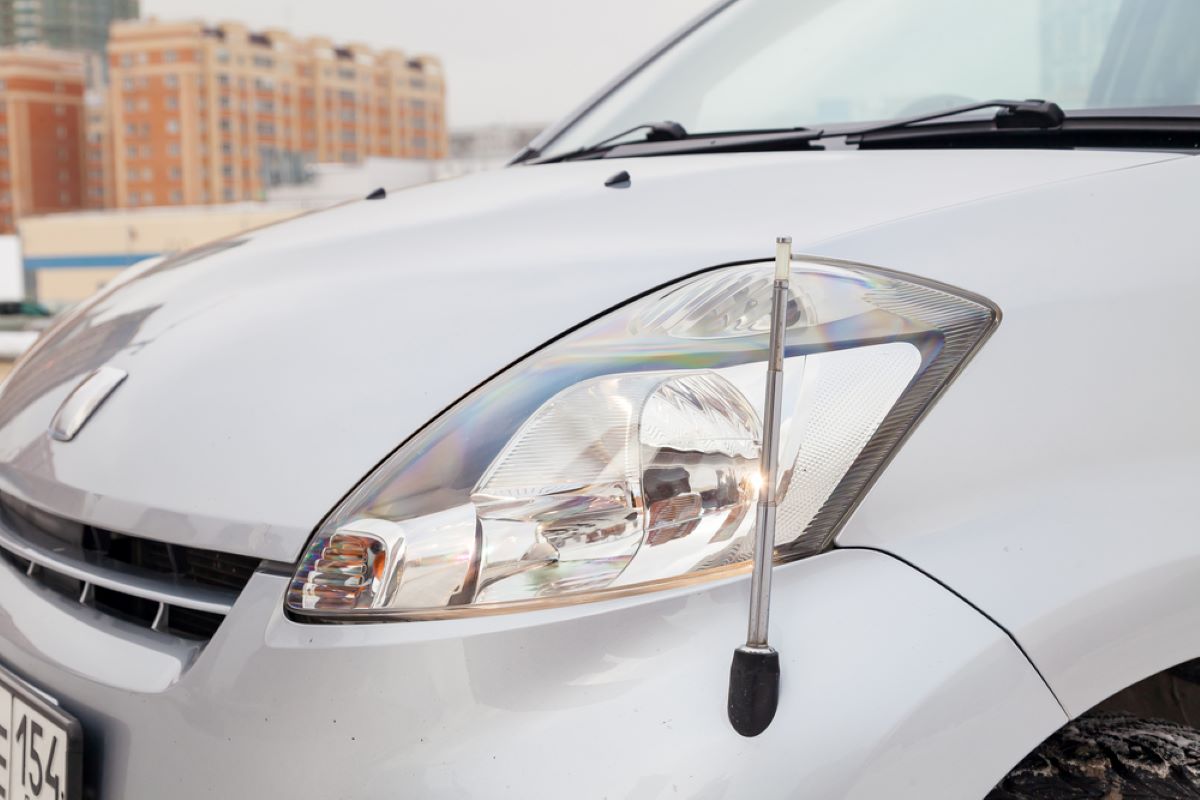
Many cars had long, retractable antennas that had to be manually pulled up for better radio reception. Some high-end models had motorized antennas that extended when the radio was turned on. With today’s built-in or shark-fin antennas, younger drivers might wonder why anyone had to bother with this extra step.
Related: Mechanic-Approved! 12 Expert Answers to Your Car Problems
The cars boomers grew up with were full of unique features that required a bit more effort and skill to operate. While modern technology has made driving more convenient, it has also erased many of these once-common aspects of the driving experience. Do you miss any of these old-school car features, or are you happy they’re gone?
Disclaimer: This list is solely the author’s opinion based on research and publicly available information.
15 Car Features That Are a Complete Waste of Money

When buying a car, it’s easy to get tempted by high-tech upgrades and luxury add-ons. However, not all features are worth the extra cost, some are gimmicks, others become outdated quickly, and a few are just plain unnecessary. Before you splurge on these so-called “upgrades,” take a closer look at what you’re really paying for. These features may seem appealing at first, but they often add little value in everyday driving. These car features often turn out to be a complete waste of money.
Read it here: 15 Car Features That Are a Complete Waste of Money
15 Cruise Control Mistakes That Put You at Risk on the Highway

Driving isn’t just about getting from point A to point B, it’s about doing it safely, efficiently, and with confidence. Whether you’re a new driver or a seasoned pro, knowing essential car basics can save you time, money, and stress. From routine maintenance to handling emergencies, these 15 auto essentials will help you become a smarter, more responsible driver. Let’s hit the road with knowledge on your side!
Read it here: 15 Cruise Control Mistakes That Put You at Risk on the Highway
13 SUVs Known for Holding Their Value and Staying on the Road for Over 200,000 Mile

When buying an SUV, longevity and resale value are crucial factors. Some models are built to withstand high mileage, regularly surpassing 200,000 miles with proper maintenance. These vehicles also retain their value well, making them smart investments. Here are 13 SUVs known for their durability, reliability, and strong resale value.
Read it here: 13 SUVs Known for Holding Their Value and Staying on the Road for Over 200,000 Mile
You’ll love these related posts: