The idea of car ownership has been deeply ingrained in modern society, but that may soon change. With rapid technological advancements, urbanization, and evolving consumer preferences, the necessity of owning a personal vehicle is being challenged. From financial burdens to groundbreaking alternatives, multiple factors are making car ownership less practical than ever. Here are 14 shocking reasons why owning a car could soon be obsolete.
The Rise of Autonomous Vehicles
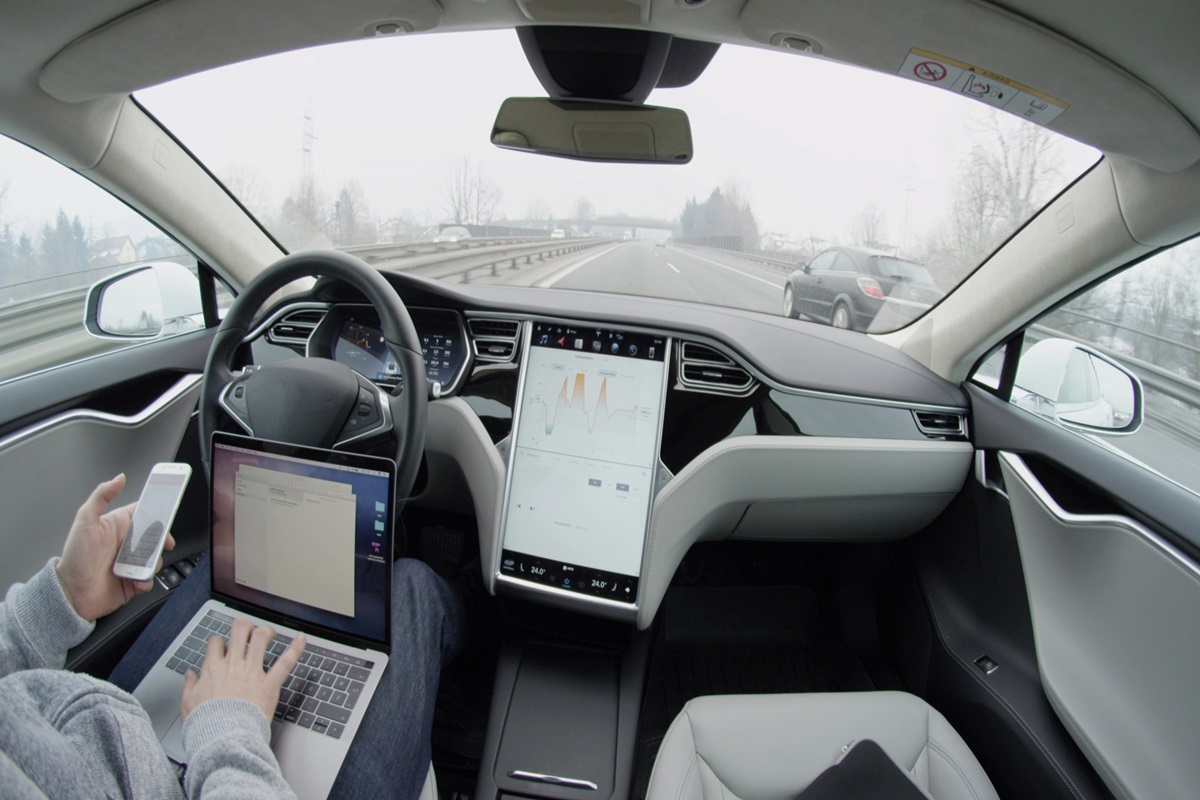
Self-driving cars are becoming more advanced, with companies like Tesla and Waymo leading the charge. These vehicles promise a future where people won’t need to own a car since they can summon a ride anytime. With improved safety features and reduced human error, autonomous cars may eventually dominate the roads. As they become more accessible, the need for personal vehicle ownership will significantly decrease.
Widespread Adoption of Ride-Sharing Services

Ride-sharing companies like Uber and Lyft have already changed how people commute. These services make it easy to get around without the hassle of car ownership, especially in urban areas. As they expand and improve affordability, fewer people will find it necessary to own a vehicle. Shared mobility is gradually replacing personal transportation in many major cities.
Subscription-Based Car Services

Car subscription services provide an alternative to ownership by offering flexible access to vehicles without long-term commitments. Companies like Porsche Drive and Care by Volvo allow users to swap cars based on their needs while covering maintenance and insurance. These services provide the convenience of owning a car without the financial strain. As more automakers adopt this model, traditional car ownership may decline.
Expanding Public Transportation Networks

Cities around the world are investing heavily in public transit systems, making them more efficient and accessible. Advanced metro lines, high-speed rail, and expanded bus networks are reducing the need for personal vehicles. As these systems become more widespread and reliable, commuting by car will no longer be necessary for many people. This shift is already visible in cities with robust transit infrastructures like Tokyo and London.
Related: Affordable EVs That Actually Go the Distance – 13 Best Picks
Rising Fuel Costs

Gasoline prices are becoming increasingly volatile, making car ownership more expensive. Many countries are imposing higher fuel taxes to discourage reliance on fossil fuels. With alternative transport options becoming more affordable, fewer people will want to bear the burden of high fuel costs. This trend will likely accelerate as more governments push for greener policies.
Related: 14 Cars That Make More Sense to Buy Pre-Owned
Advancements in Electric Scooters and Bikes

E-bikes and electric scooters are becoming viable alternatives for short-distance travel. Cities worldwide are adopting electric micro-mobility programs, reducing the need for cars in urban areas. These options are cheaper, environmentally friendly, and ideal for congested city travel. As technology improves, these alternatives will become even more practical and widely used.
Related: 13 Car Horns So Loud, They’ll Wake the Entire Neighborhood!
The Decline of Parking Availability

Parking is becoming a major problem in cities due to limited space and increasing regulations. Many urban areas are reducing parking spots in favor of bike lanes and pedestrian-friendly infrastructure. The cost of parking is also rising, making car ownership less attractive. As parking becomes more scarce, alternative transport options will become even more appealing.
Environmental Concerns and Carbon Emissions

Governments and organizations are cracking down on carbon emissions to combat climate change. Gas-powered vehicles are one of the largest contributors to air pollution, leading to stricter regulations. Many cities are planning to phase out gasoline cars in favor of electric and shared transportation. With sustainability becoming a priority, car ownership is losing its appeal.
Related: SUVs for Seniors: Comfort and Safety Features That Matter Most As You Age
Smart City Innovations

Smart cities are integrating technology to make urban transportation more efficient. AI-driven traffic management, real-time transit tracking, and seamless connectivity between different transport modes are reducing the need for personal cars. Cities like Singapore and Amsterdam are already implementing these innovations. As smart infrastructure grows, traditional car ownership will continue to decline.
Related: These 12 Cars Are Appreciating Like Fine Wine – And Why You Should Consider Buying Now
High Cost of Car Maintenance

Owning a car comes with constant maintenance expenses, including repairs, insurance, and registration fees. As vehicles become more technologically complex, repair costs are also increasing. Many people are realizing that it’s cheaper to rely on alternative transportation rather than spending thousands on upkeep. The financial burden of maintenance is pushing more people away from car ownership.
Government Policies Favoring Alternative Transport

Many governments are implementing policies that discourage car ownership in favor of sustainable alternatives. Some cities are introducing congestion charges and banning cars from certain areas. Investments in public transport, bike lanes, and pedestrian zones are making car-free living more practical. These policies are accelerating the shift away from personal vehicles.
Related: The Secret History of Car Brand Logos: Hidden Meanings and Design Evolution
The Expansion of High-Speed Rail Networks

High-speed rail is becoming a more viable alternative to long-distance driving. Countries like China and Japan have extensive rail systems that make car travel unnecessary for many people. Even in the U.S. and Europe, investments in high-speed rail are growing. As these networks expand, fewer people will rely on cars for intercity travel.
Related: 13 SUVs Known for Holding Their Value and Staying on the Road for Over 200,000 Mile
The Growing Trend of Minimalist Living

Minimalism is becoming a lifestyle choice, with many people prioritizing experiences over material possessions. Cars, being costly and space-consuming, no longer fit the minimalist mindset. Many urban dwellers are opting for flexible and shared mobility options instead of owning a vehicle. This shift in consumer behavior is reducing the demand for personal cars.
Related: Luxury Electric Sedans: Which One Reigns Supreme?
The Shift Towards Mobility-as-a-Service (MaaS)

Mobility-as-a-Service (MaaS) is an emerging concept that integrates various transportation options into a single platform. Users can seamlessly switch between public transit, ride-sharing, bike rentals, and more without needing a personal vehicle. Cities are adopting MaaS to provide more efficient and cost-effective transportation. As this model gains popularity, personal car ownership will become less necessary.
Related: 13 Self-Healing Car Paint That it Finally Becoming a Reality?
The future of car ownership is uncertain as alternatives like ride-sharing, public transportation, and autonomous vehicles become more accessible. Rising costs, government policies, and environmental concerns are pushing society towards a car-free lifestyle. Innovations in smart cities and transportation technology are making personal vehicles less essential. As these trends continue, owning a car may soon become a thing of the past.
Disclaimer: This list is solely the author’s opinion based on research and publicly available information.
13 Brutal Truths About Gas Cars That Millennials Have Finally Had Enough Of
Millennials grew up during the golden age of gas powered vehicles, but they’re now leading the charge toward electric and alternative options. Why? Because owning a traditional car has become more of a headache than a convenience. From rising costs to environmental concerns, these are the brutal truths about gas cars that Millennials have finally had enough of.
Read it here: 13 Brutal Truths About Gas Cars That Millennials Have Finally Had Enough Of
13 Costly Driving Blunders That Are Putting You at Risk

Even experienced drivers develop bad habits without realizing it. Some of these mistakes can wear out your car faster, waste fuel, or even increase your risk of accidents. Fixing these small errors can improve safety, efficiency, and the lifespan of your vehicle. Let’s uncover 13 common driving mistakes you might be making without even knowing it!
Read it here: 13 Costly Driving Blunders That Are Putting You at Risk
12 Scary Car Emergencies and Exactly What to Do to Stay Safe

Got a sudden car emergency? Don’t panic, knowing what to do can make all the difference. Whether your brakes fail, your engine overheats, or your accelerator sticks, staying calm and acting fast is key. Here’s how to handle these common car emergencies safely and effectively.
Read it here: 12 Scary Car Emergencies and Exactly What to Do to Stay Safe