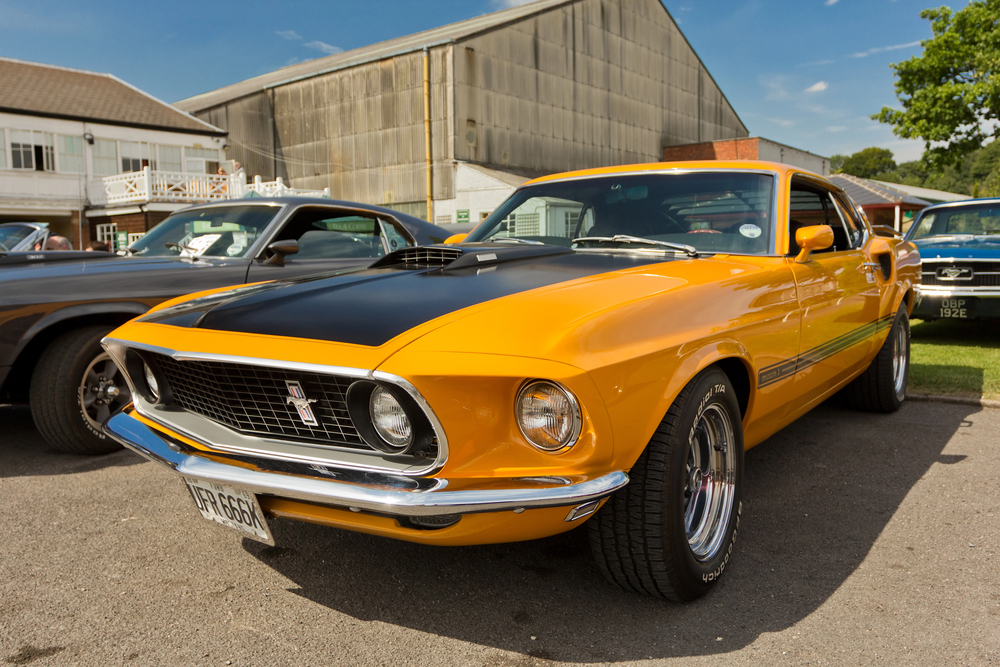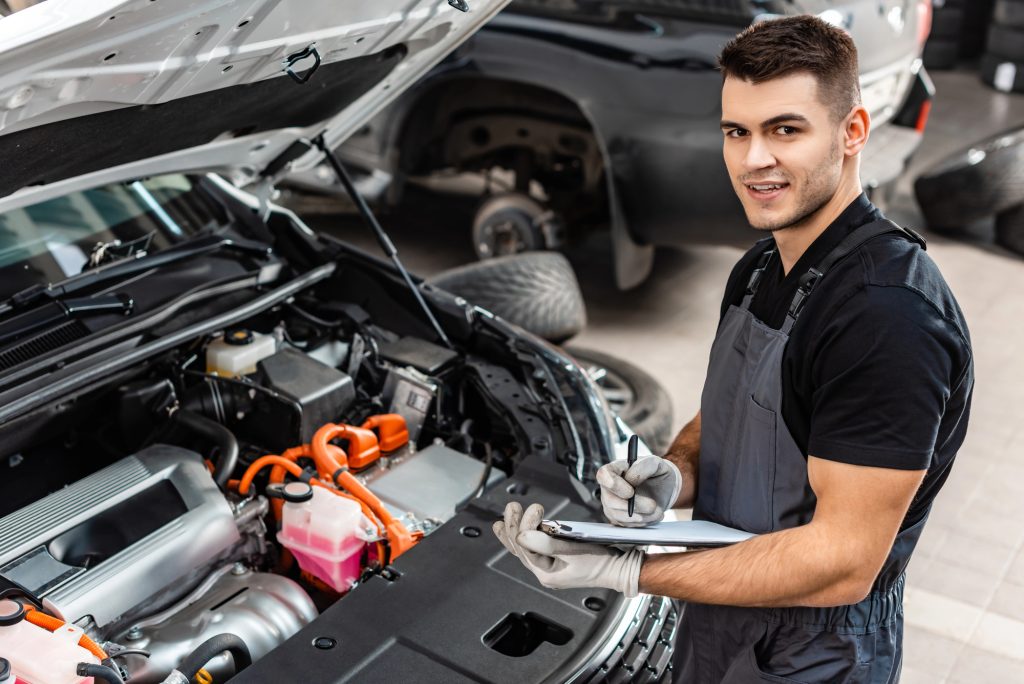
When it comes to choosing a car, one of the most crucial and often misunderstood factors is engine size. This single specification can deeply influence how a car performs, how much fuel it uses, and how enjoyable it is to drive. Larger engines typically mean more power and acceleration, while smaller ones often promise better fuel efficiency. Understanding the true impact of engine displacement can help you make smarter, more informed decisions about your vehicle and your driving needs.
Acceleration and Throttle Response
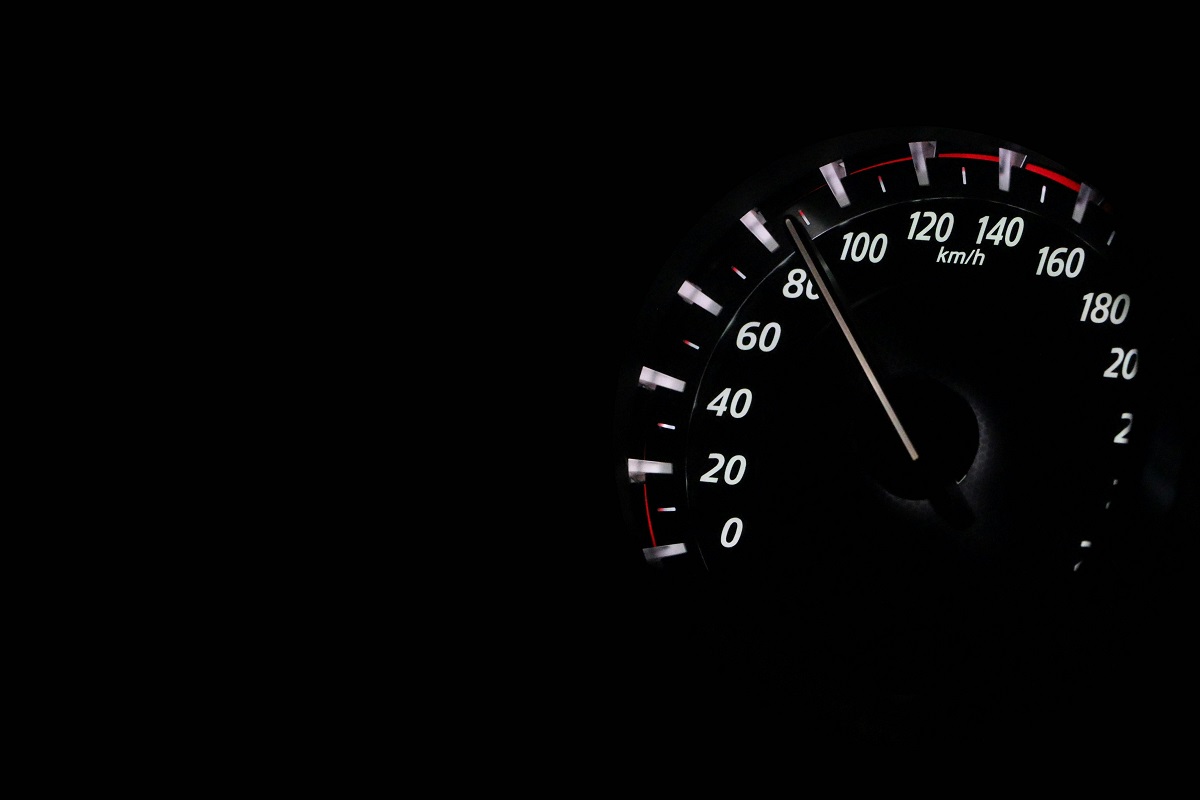
Larger engines generally provide quicker acceleration due to their ability to generate more horsepower and torque. This means faster 0-60 times and a more responsive feel when you press the gas pedal. For drivers who value performance, engine size plays a critical role in how the car feels under pressure.
Fuel Consumption Trends
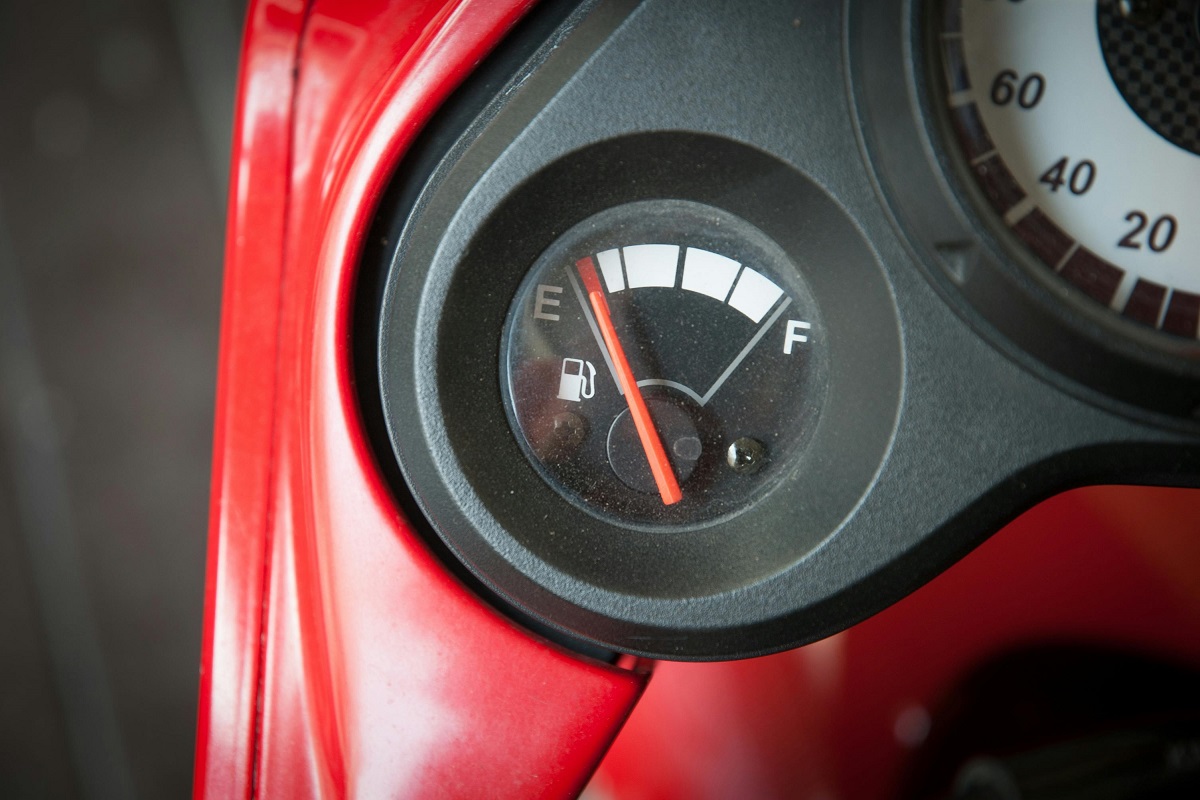
Smaller engines are usually more fuel-efficient because they require less fuel to produce power. However, if a small engine is constantly pushed to its limits, it might actually consume more fuel than expected. Balancing engine size with your typical driving habits is essential for maximizing fuel savings.
Towing Capacity

A larger engine can significantly improve a vehicle’s towing ability by delivering the torque needed to pull heavy loads. This is particularly important for trucks, SUVs, or vehicles used for hauling trailers. Without sufficient engine displacement, towing can overstrain the motor and decrease longevity.
Engine Strain and Longevity
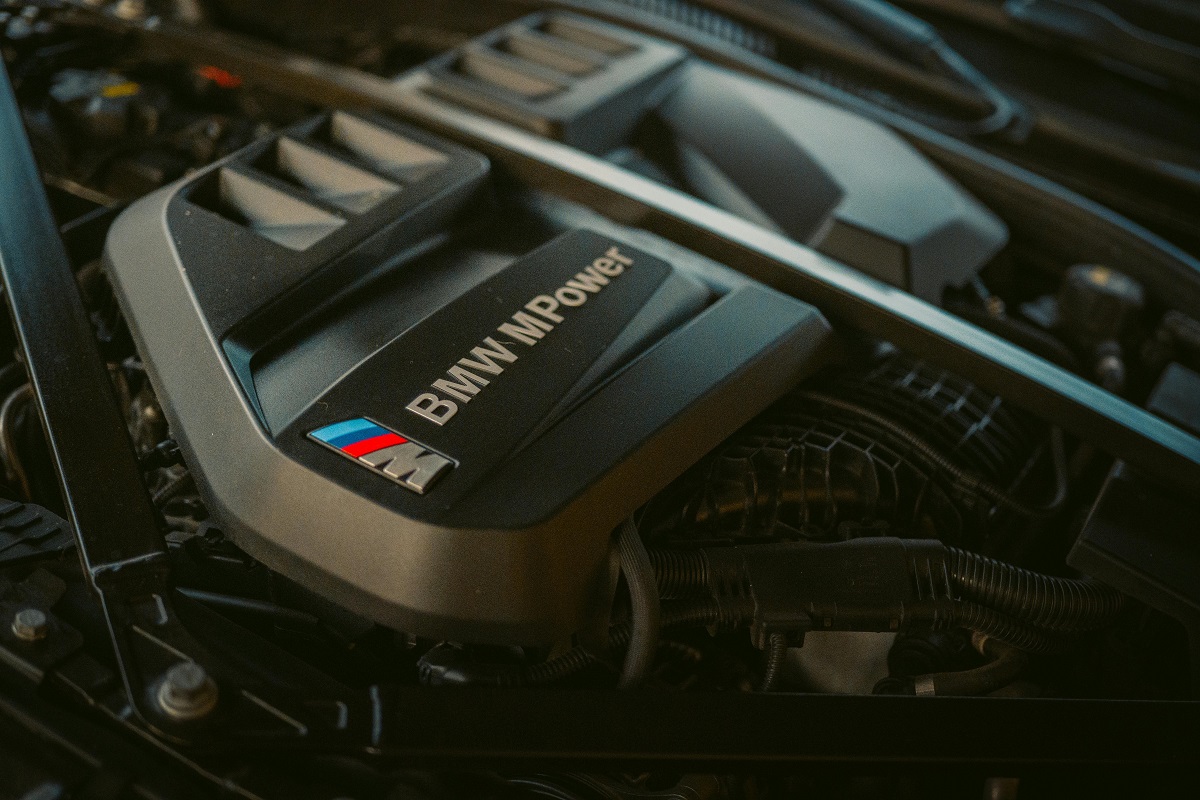
Small engines under heavy loads or high speeds may experience more wear and tear compared to larger engines that can handle such demands more effortlessly. A bigger engine doesn’t have to work as hard to deliver the same output, which can lead to a longer life span. Proper engine size for your driving demands contributes directly to mechanical durability.
Related: 13 Shocking Ways AI Dealerships Are Making Car Salespeople Obsolete
Cost of Ownership

While smaller engines often mean a lower initial cost and cheaper registration fees in some regions, they might incur higher maintenance costs over time if overused. Conversely, larger engines may require more fuel but experience less stress over their lifetime. Choosing the right engine size helps balance short-term savings with long-term expenses.
Related: 10 Classic Cars To Invest Before Prices Go Insane That Could Make You Rich
Emissions Output

Engine size directly affects emissions, with larger engines generally producing more carbon dioxide per mile. However, advancements in technology have allowed some large engines to be surprisingly clean and compliant with modern environmental standards. Still, smaller engines often win out when minimal environmental impact is the goal.
Related: Here’s Why 90s Cars Are The New Gold Mine And Prices Are Exploding Overnight
Turbocharged Engine Options
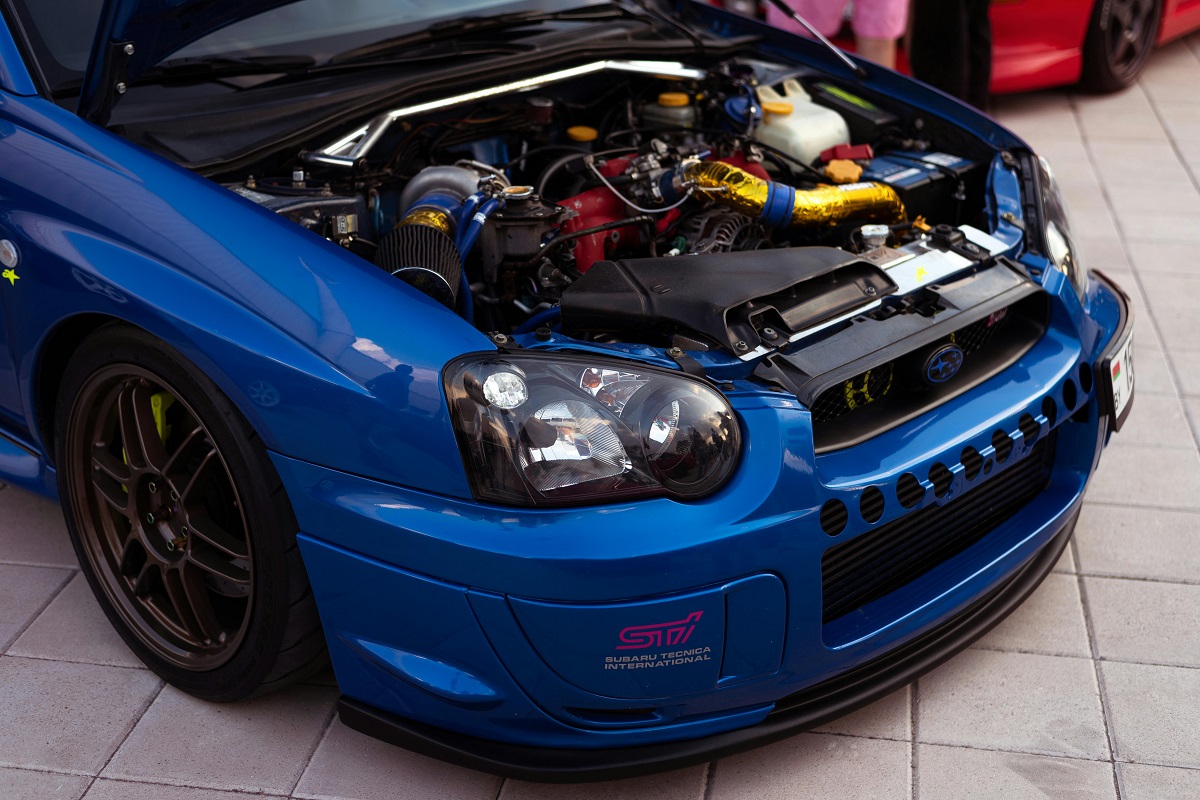
Turbocharging allows smaller engines to produce power similar to larger ones while maintaining better fuel economy. This means drivers can enjoy high performance without the typical fuel costs associated with larger engines. It’s a middle-ground solution that’s becoming increasingly popular.
Related: 12 Reasons Classic Cars Might Be Banned Sooner Than You Think and What This Means for Collectors
Insurance Premiums

Insurance companies may consider engine size when determining premiums, with larger engines often being more expensive to insure. This is because higher power output increases the risk factor for insurers. Smaller engines may come with lower premiums, especially for younger or less experienced drivers.
Related: Car Thefts Are Exploding Across The US, Here Is How to Stop Thieves in Their Tracks
Urban vs. Highway Driving Needs

For city dwellers, a small engine might be perfectly sufficient and even preferable due to stop-and-go traffic conditions. On highways, however, a larger engine can offer better performance, comfort, and fuel economy at sustained speeds. Matching engine size to your environment can enhance both efficiency and enjoyment.
Related: Drivers Regret These Car Trends But It Is Too Late To Stop It
Driving Experience and Comfort
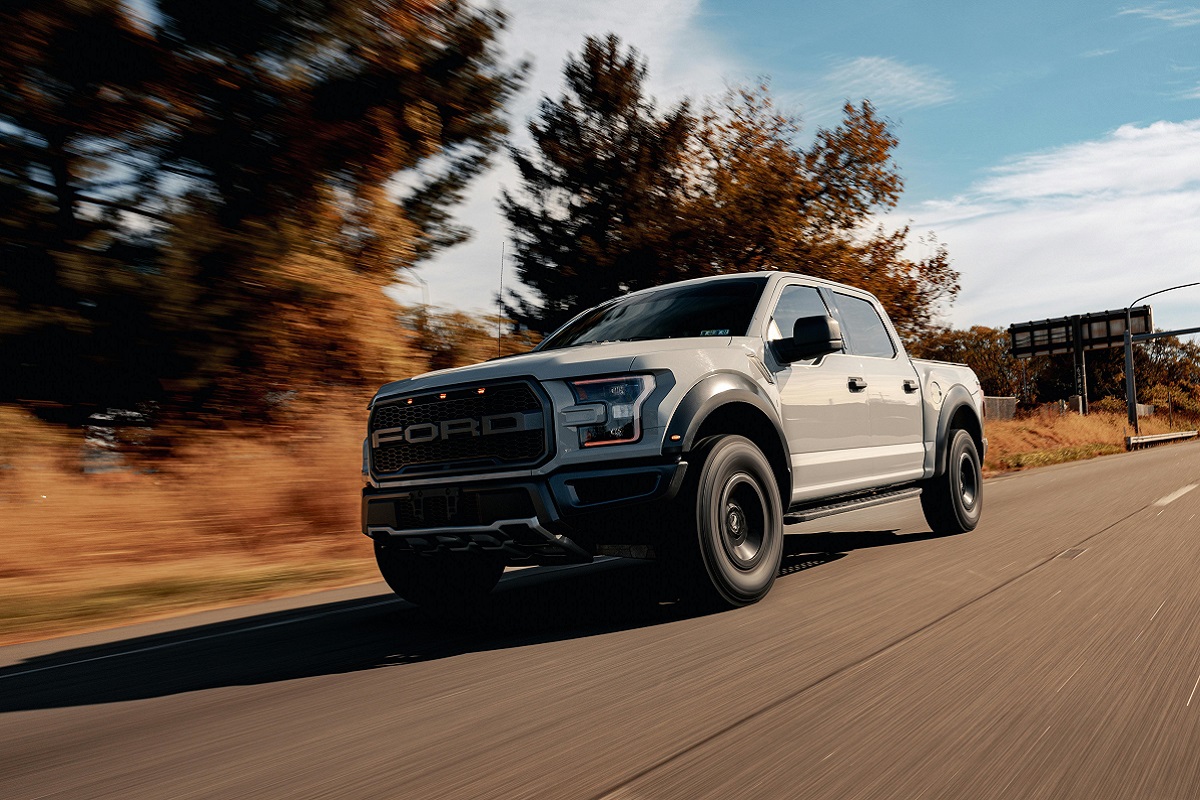
Bigger engines often provide smoother rides because they don’t struggle during overtaking, hill climbing, or long-distance cruising. A well-sized engine can reduce vibrations and noise, making the ride more comfortable. It’s not just about speed engine size can also enhance the overall driving feel.
Related: Drivers Regret These Car Trends But It Is Too Late To Stop It
Load Carrying Capability

Engine size can determine how much weight a vehicle can comfortably carry without affecting performance. Larger engines offer better performance under heavy loads, making them ideal for families or those with frequent cargo needs. Small engines can struggle when fully loaded, reducing efficiency and increasing strain.
Related: 15 Ways Car Subscriptions Are Disrupting the Auto Industry Just Like Netflix Did
Engine size plays a multifaceted role in determining how a vehicle behaves, performs, and endures over time. From fuel economy and maintenance to comfort and driving dynamics, understanding how displacement affects your daily driving experience can make all the difference. Choosing the right engine size isn’t just about speed or savings, it’s about finding the best fit for your lifestyle and long-term needs. Whether you prioritize power, economy, or flexibility, knowing the full story behind engine size gives you the power to drive smarter.
Disclaimer: This list is solely the author’s opinion based on research and publicly available information.
13 Cars That Borrowed Their Engines From Other Brands
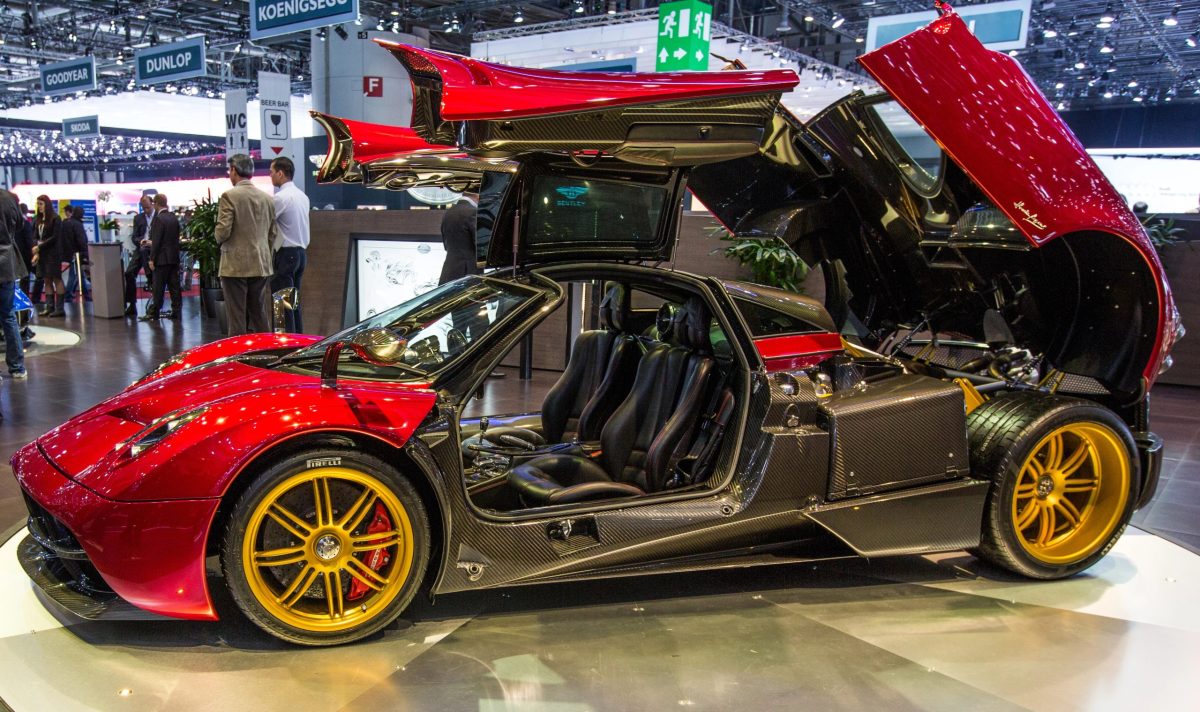
Automakers often turn to outside manufacturers to source powerful, efficient, or cost-effective engines, creating some of the most legendary cars in history. Whether due to strategic partnerships, financial constraints, or a quest for better performance, many vehicles have been powered by borrowed engineering. Some of these collaborations birthed true icons, while others remain well-kept industry secrets. These 13 cars stand as proof that great machines aren’t always built entirely in-house.
Read it here: 13 Cars That Borrowed Their Engines From Other Brands
13 Shocking Reasons Your Car’s Software Will Matter More Than Its Engine By 2030

As cars become more like computers on wheels, software is overtaking the engine as the most critical component. From AI-driven automation to real-time updates, the future of driving is about technology, not just horsepower. Soon, vehicles will update like smartphones, personalize every setting, and even self-diagnose mechanical issues before they arise. Here’s why software is rapidly becoming the most important part of your car.
Read it here: 13 Shocking Reasons Your Car’s Software Will Matter More Than Its Engine By 2030
13 Surprising Cars That Used Ford Engines

Ford’s engineering influence extends far beyond its own lineup. Over the years, many unexpected cars, from exotic supercars to everyday sedans, have borrowed Ford’s powerplants for performance, reliability, or cost-effectiveness. Here are 13 surprising vehicles that packed Ford engines under their hoods.
Read it here: 13 Surprising Cars That Used Ford Engines
You’ll love these related posts:
- Car Market Chaos In 2025 The Interest Rate Shock No One Saw Coming
- This Surprising Economic Shift Could Change Car Buying Forever In 13 Ways
- The Next Oil Crisis Is Coming, Here’s What It Means for Your Wallet
- 13 Shocking Reasons Hydrogen Cars Could Crush EVs Sooner Than You Think
- 13 Shocking Reasons Your Car’s Software Will Matter More Than Its Engine By 2030