Automakers often turn to outside manufacturers to source powerful, efficient, or cost-effective engines, creating some of the most legendary cars in history. Whether due to strategic partnerships, financial constraints, or a quest for better performance, many vehicles have been powered by borrowed engineering. Some of these collaborations birthed true icons, while others remain well-kept industry secrets. These 13 cars stand as proof that great machines aren’t always built entirely in-house.
McLaren F1 – BMW V12
The McLaren F1 is one of the most revered supercars ever made, and its legendary performance is owed to BMW’s 6.1L V12 engine. McLaren turned to BMW Motorsport for an engine that could deliver extreme power, reliability, and responsiveness without forced induction. The resulting naturally aspirated masterpiece produced 618 horsepower, propelling the F1 to a record-breaking 240.1 mph. This BMW-built V12 remains one of the greatest powerplants in automotive history.
Lotus Elise (Series 2) – Toyota 1.8L

The second generation Lotus Elise abandoned its Rover-sourced engine in favor of Toyota’s high-revving 1.8L 2ZZ-GE, a powerhouse from the Celica GT-S. With variable valve timing and an 8,500 RPM redline, this engine transformed the lightweight Elise into a razor-sharp track weapon. Toyota’s reliability meant the Elise avoided the mechanical headaches that plagued its predecessor. The combination of ultra-low weight and Toyota’s engineering made this one of the best driver’s cars ever built.
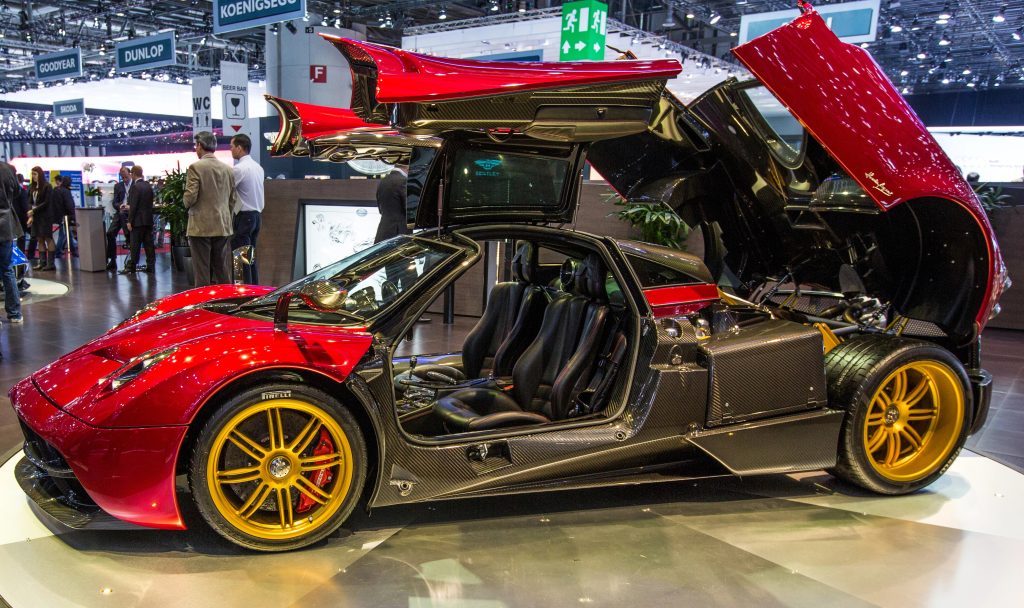
Pagani Zonda – Mercedes-AMG V12

Horacio Pagani wanted an engine that delivered brutal power with smooth, naturally aspirated performance, and Mercedes-AMG delivered with their monstrous 7.3L V12. Originally developed for Mercedes flagship models, the engine was heavily modified to meet Pagani’s extreme standards. Producing up to 760 horsepower in later Zonda models, it cemented the car as one of the most exhilarating supercars of all time. This legendary AMG-sourced V12 continues to power Pagani’s elite hypercars.
Chrysler Crossfire – Mercedes-Benz V6

The Chrysler Crossfire was the product of Daimler-Chrysler’s ill-fated merger, resulting in a car that was 80% Mercedes underneath. Under the hood sat a 3.2L Mercedes-Benz V6, delivering a smooth yet potent 215 horsepower in base form and 330 horsepower in the SRT-6 variant. Even the chassis, transmission, and suspension were lifted straight from the Mercedes SLK. While its styling was polarizing, the Crossfire was essentially a German roadster in American clothing.
Related: 12 New Sports Cars That Outsmart Supercars For Half the Price
Noble M600 – Yamaha V8 (via Volvo)

The Noble M600’s twin-turbocharged 4.4L V8 may have started life as a Volvo powerplant, but it was originally designed by Yamaha for high-performance applications. Stripped of its luxury car constraints and extensively tuned by Noble, the engine produced up to 650 horsepower. This transformed the lightweight British supercar into a raw, analog driving machine capable of exceeding 225 mph. What started as a luxury sedan engine became the heart of a true hypercar killer.
Related: 13 Car Models That Secretly Share Parts with Cheaper Vehicles
Aston Martin Cygnet – Toyota 1.3L
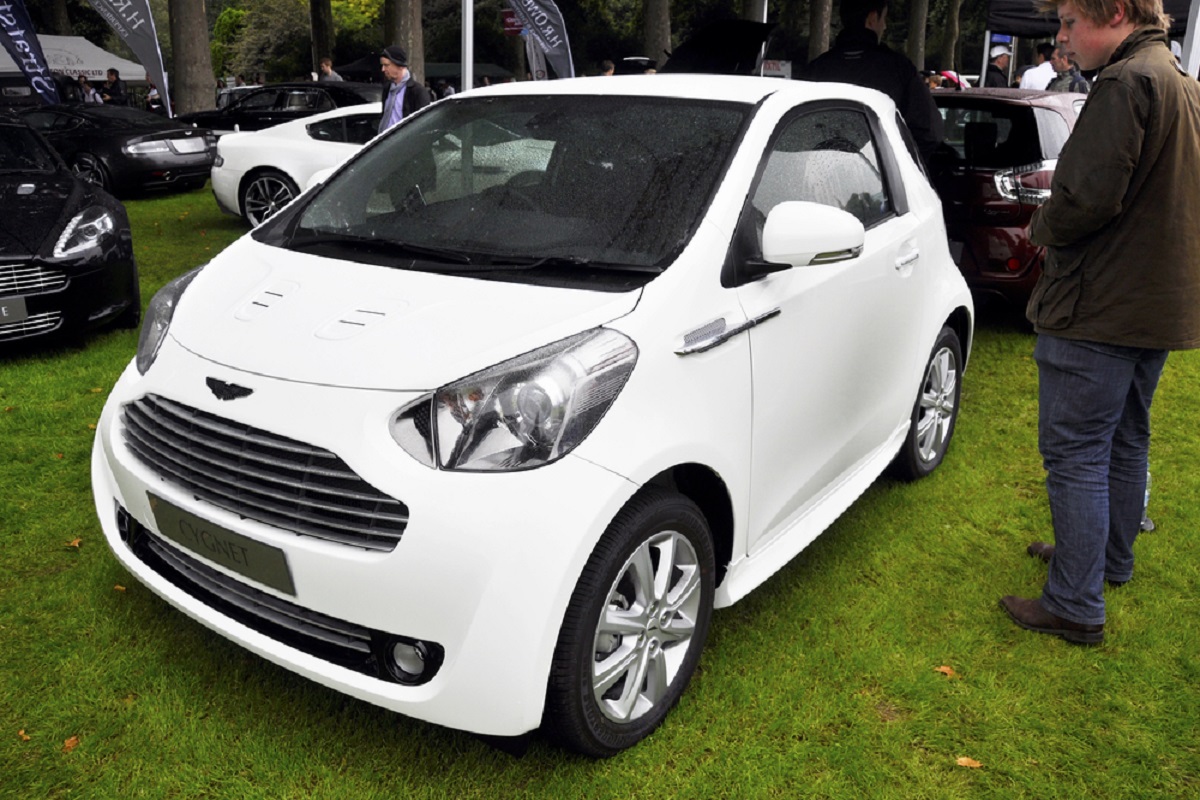
In one of the most bizarre brand collaborations, Aston Martin repackaged the Toyota iQ as the Cygnet, targeting ultra-wealthy urban drivers. The tiny luxury car used Toyota’s humble 1.3L four-cylinder engine, producing a meager 97 horsepower. Despite its Aston Martin badging and bespoke interior, it never found success, as it failed to deliver the performance expected from the brand. Today, the Cygnet stands as an oddball collector’s piece, blending Toyota’s efficiency with Aston Martin’s exclusivity.
Related: 13 Weirdest Things That Secretly Raise Your Car Insurance Rates
Ford GT (2005) – Ford F-150 Engine Block

The 2005 Ford GT was a modern reimagination of the Le Mans-winning GT40, but its 5.4L supercharged V8 had an unlikely origin—Ford’s F-150 truck lineup. Although the engine block was sourced from Ford’s workhorse, extensive modifications pushed output to 550 horsepower. The result was a supercar that delivered incredible performance while retaining everyday reliability. This proved that even a truck-based engine could dominate the world of high-performance sports cars.
Rolls-Royce Phantom (Pre-1998) – BMW V12
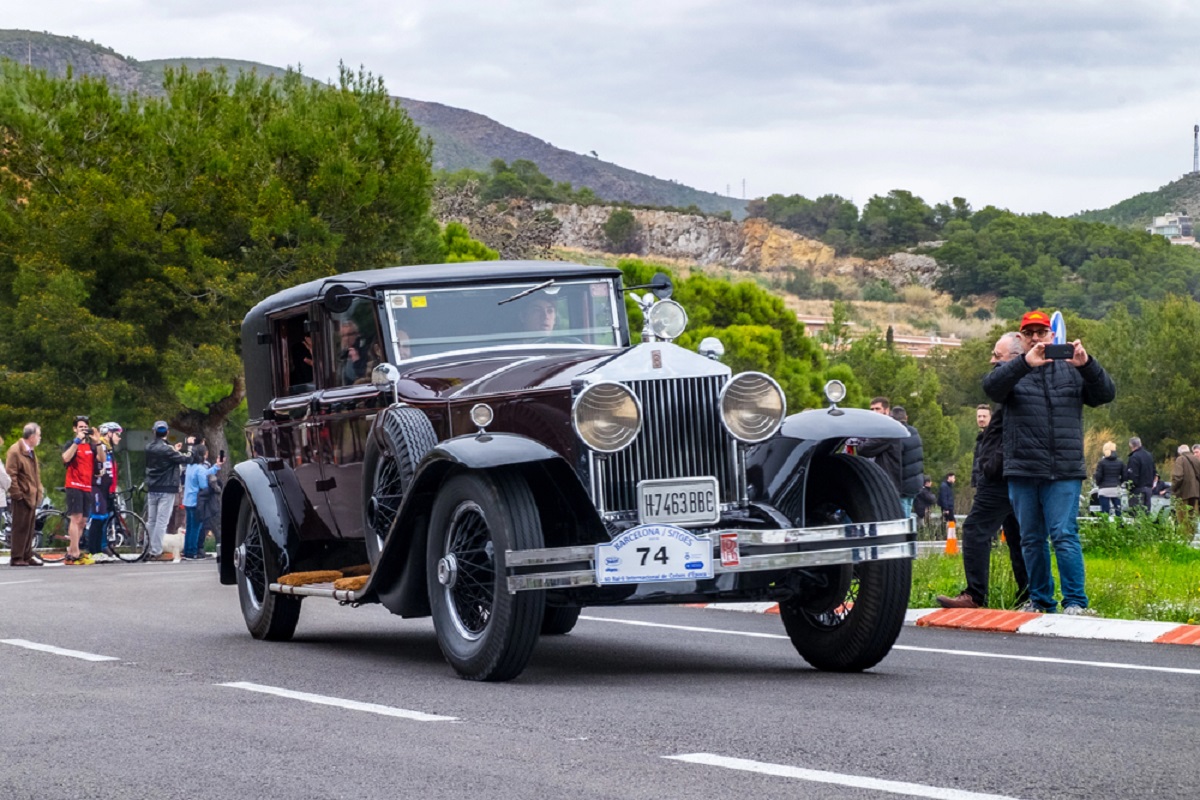
Before BMW fully acquired Rolls-Royce, the British luxury marque was already using BMW-sourced engines in its Phantom. The 6.75L V12 provided effortless power and whisper-quiet operation, perfectly complementing Rolls-Royce’s philosophy of absolute refinement. BMW’s precision engineering allowed the Phantom to deliver both prestige and performance without sacrificing reliability. This partnership laid the foundation for Rolls-Royce’s modern resurgence under BMW’s ownership.
Related: 13 Weirdest Things That Secretly Raise Your Car Insurance Rates
Ariel Atom 3 – Honda K20
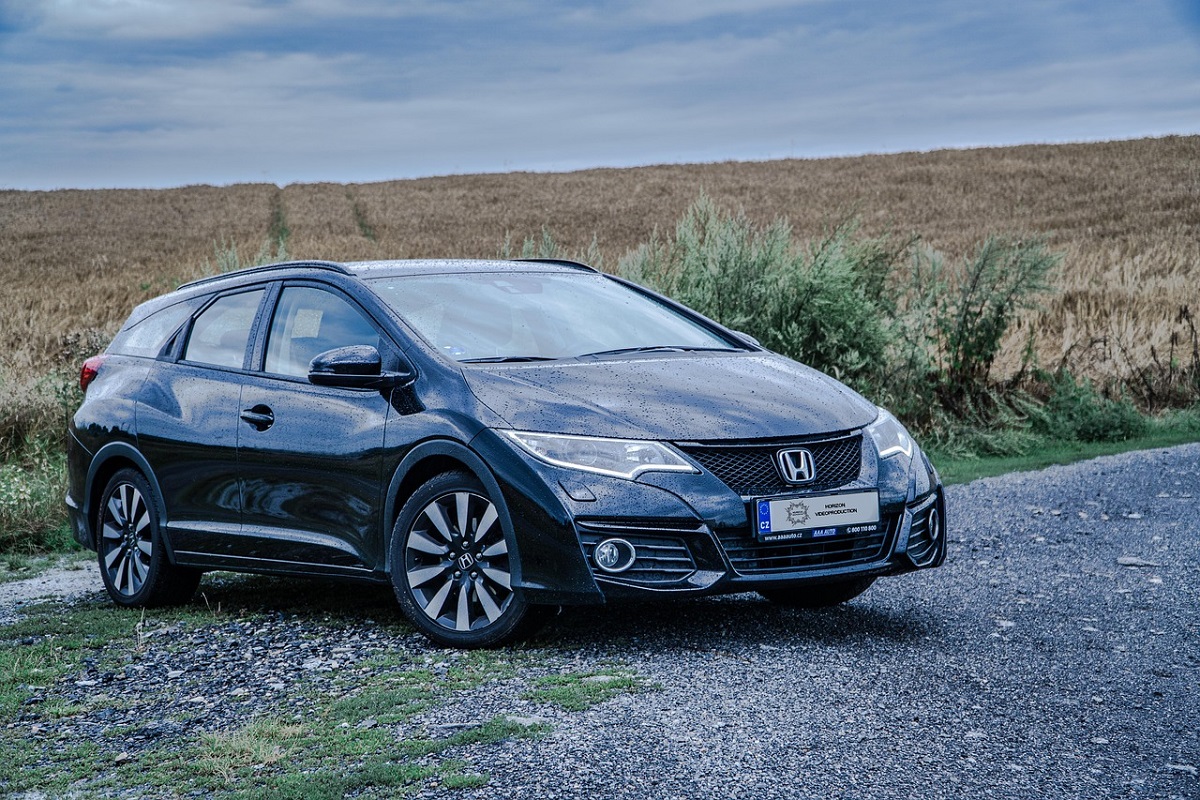
The Ariel Atom 3 is one of the rawest, most exhilarating driving machines on the planet, and much of that thrill comes from its Honda-sourced 2.0L K20 engine. Taken directly from the Civic Type R, the K20’s high-revving nature and razor-sharp throttle response made the Atom a lightweight rocket. Stripped of unnecessary weight and paired with a minimalist chassis, the Atom 3’s Honda powerplant helped it achieve supercar-slaying acceleration.
Related: 12 Porsches That Shaped The Future of Speed
BMW M1 – Lamborghini V10 (Early Development)
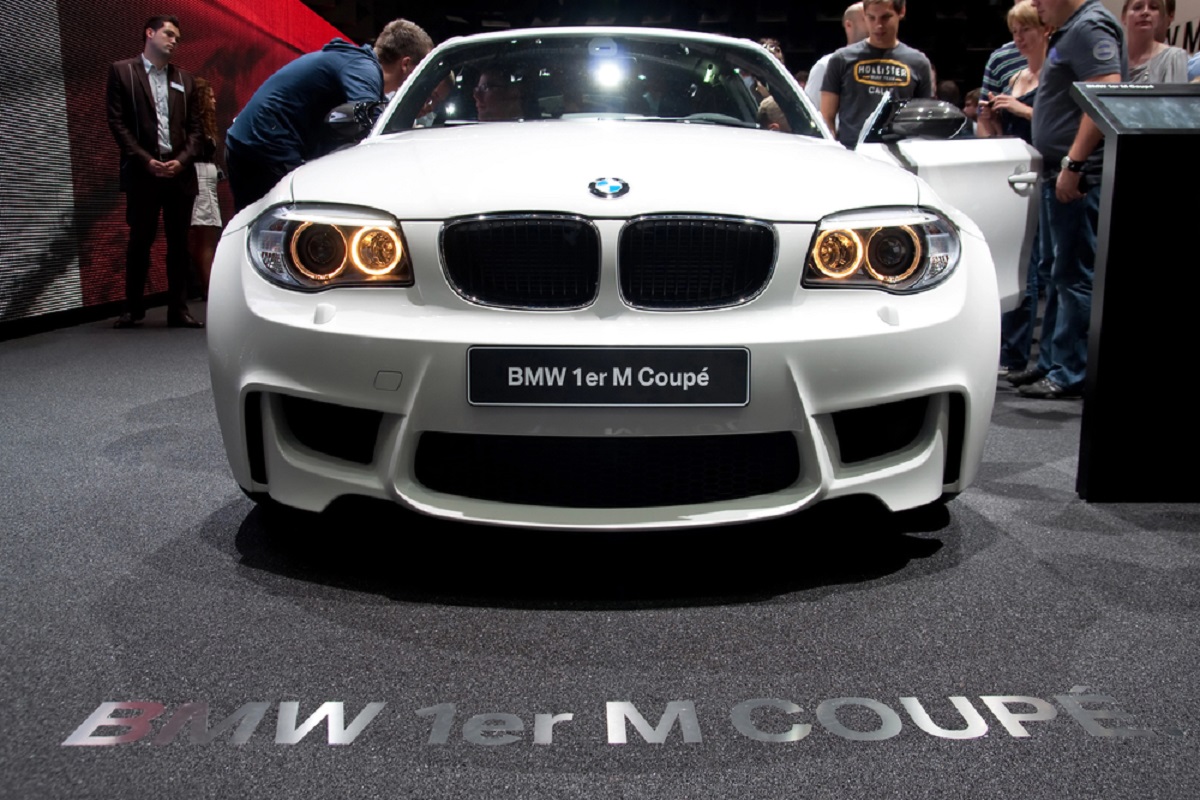
The BMW M1’s origins trace back to a failed partnership with Lamborghini, which was originally responsible for designing its engine. While BMW ultimately abandoned the Lamborghini built unit in favor of its own inline-six, early prototypes were heavily influenced by Lamborghini engineering. This brief collaboration played a key role in shaping BMW’s first and only mid-engine supercar. The M1 remains one of BMW’s most legendary and rarest vehicles.
Saab 9-2X Aero – Subaru WRX Engine

The Saab 9-2X Aero, often called the “Sabaru,” was essentially a rebadged Subaru WRX with minor refinements. It retained the WRX’s turbocharged 2.0L flat-four boxer engine, delivering rally-bred performance with Saab’s unique styling touches. While traditional Saab enthusiasts were skeptical, the 9-2X Aero became a cult favorite among performance enthusiasts.
Related: 14 Fancy European Cars That Bombed Hard In The US (What Went Wrong?)
Mercedes-Benz 190E 2.3-16 – Cosworth Engine

The legendary Mercedes-Benz 190E 2.3-16 was born from a collaboration with British engineering firm Cosworth. Originally developed for rally racing, the 2.3L four-cylinder featured a Cosworth designed cylinder head, significantly improving performance. Producing 185 horsepower in its road-going form, it became a formidable competitor to BMW’s M3. This partnership helped Mercedes establish itself in the high-performance sports sedan segment.
Related: 12 Expensive Cars That Promise Luxury But Will Leave You Disappointed
Shelby Series 1 – Oldsmobile V8

The Shelby Series 1 was Carroll Shelby’s only ground-up sports car design, but instead of a Ford engine, it used Oldsmobile’s 4.0L Aurora V8. This high-revving, naturally aspirated engine produced 320 horsepower and was paired with a lightweight aluminum chassis. Despite its exclusivity and Shelby branding, the car struggled due to production delays and high costs. However, its unique mix of American engineering and Oldsmobile power still makes it a fascinating piece of automotive history.
Related: 14 Fancy Cars That Look Premium but Cut Corners Where It Counts
Automakers have long relied on outside manufacturers to power some of their most iconic models, proving that the right engine can elevate a car to legendary status. Whether it’s a supercar borrowing a high-revving V12 or a luxury brand adopting a bulletproof four-cylinder, these partnerships have created some of the most memorable vehicles ever built. The blending of different engineering philosophies has led to unexpected but brilliant results.
Disclaimer: This list is solely the author’s opinion based on research and publicly available information.
13 Iconic Cars That Define Automotive Greatness

Every car enthusiast dreams of getting behind the wheel of a truly legendary machine, the kind of car that turns heads, delivers mind blowing performance, and makes you feel unstoppable. From rare supercars to high-performance muscle machines, these 18 insane cars are the ones that every gearhead dreams of driving at least once in their lifetime.
Read it here: 13 Iconic Cars That Define Automotive Greatness
14 Classic Cars That Skyrocketed In Value And Could Make You A Millionaire

Classic cars aren’t just relics of the past, they’re rolling investments that can appreciate significantly over time. Some of the most coveted models have transformed from affordable collectibles into multi million dollar masterpieces. Whether it’s due to rarity, historical significance, or sheer desirability, these cars have skyrocketed in value, making them dream assets for collectors and investors alike.
Read it here: 14 Classic Cars That Skyrocketed In Value And Could Make You A Millionaire
15 Nostalgic ’80s & ’90s Cars That Are Making A Comeback

The ’80s and ’90s were a golden era for cars, blending boxy designs, turbocharged engines, and unforgettable pop culture moments. Many of these cars, once seen as ordinary, have now become collector’s items, drawing both nostalgia and admiration from modern enthusiasts. Here are 15 nostalgic ’80s and ’90s cars that are experiencing a resurgence.
Read it here: 15 Nostalgic ’80s & ’90s Cars That Are Making A Comeback
You’ll love these related posts: