Electric vehicle technology is evolving at lightning speed, and at the heart of this revolution lies the battery. Engineers and researchers around the world are pushing the boundaries of what batteries can do, making them not just more powerful but smarter, safer, and longer-lasting. From fast-charging advancements to intelligent energy management, today’s EV batteries are setting new standards in performance and efficiency.
Real-Time Health Monitoring
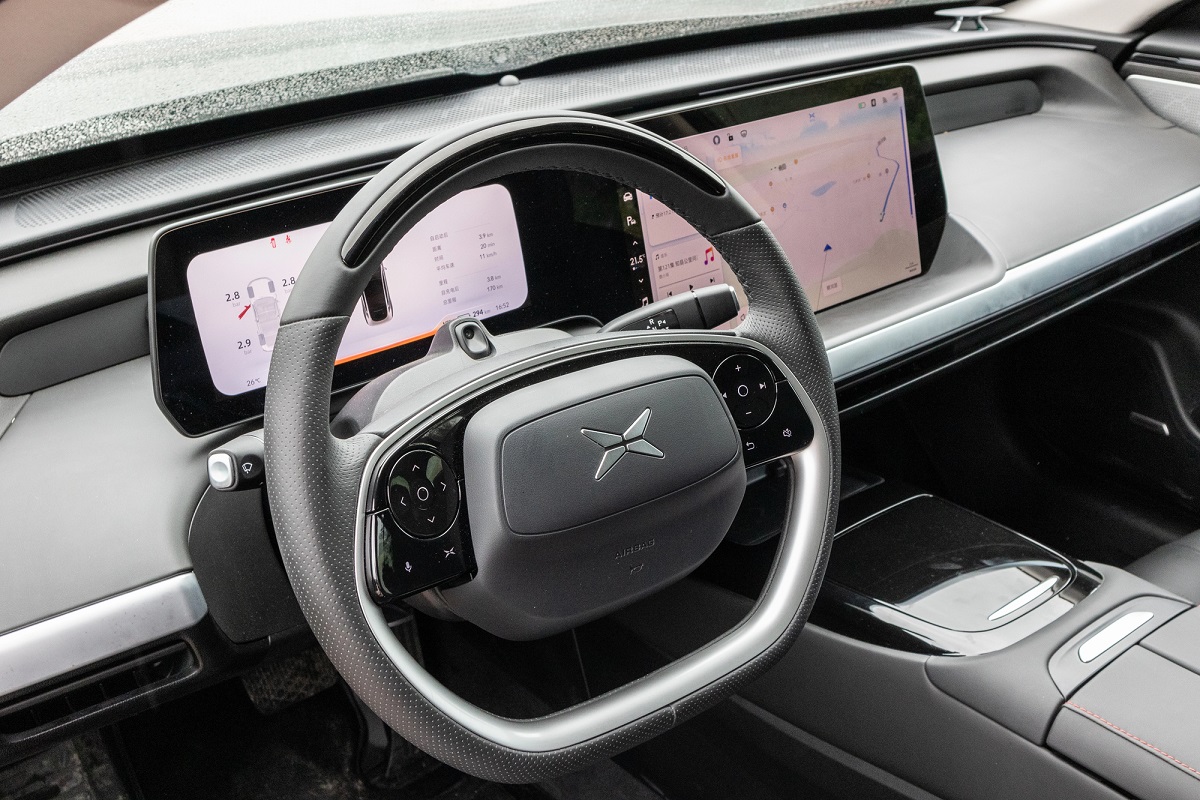
Modern EV batteries now come equipped with smart sensors that track cell health, temperature, and performance in real time. These diagnostics allow for predictive maintenance and help optimize battery use, preventing unexpected failures. Drivers benefit from improved reliability and longer battery life with less guesswork.
Adaptive Charging Algorithms
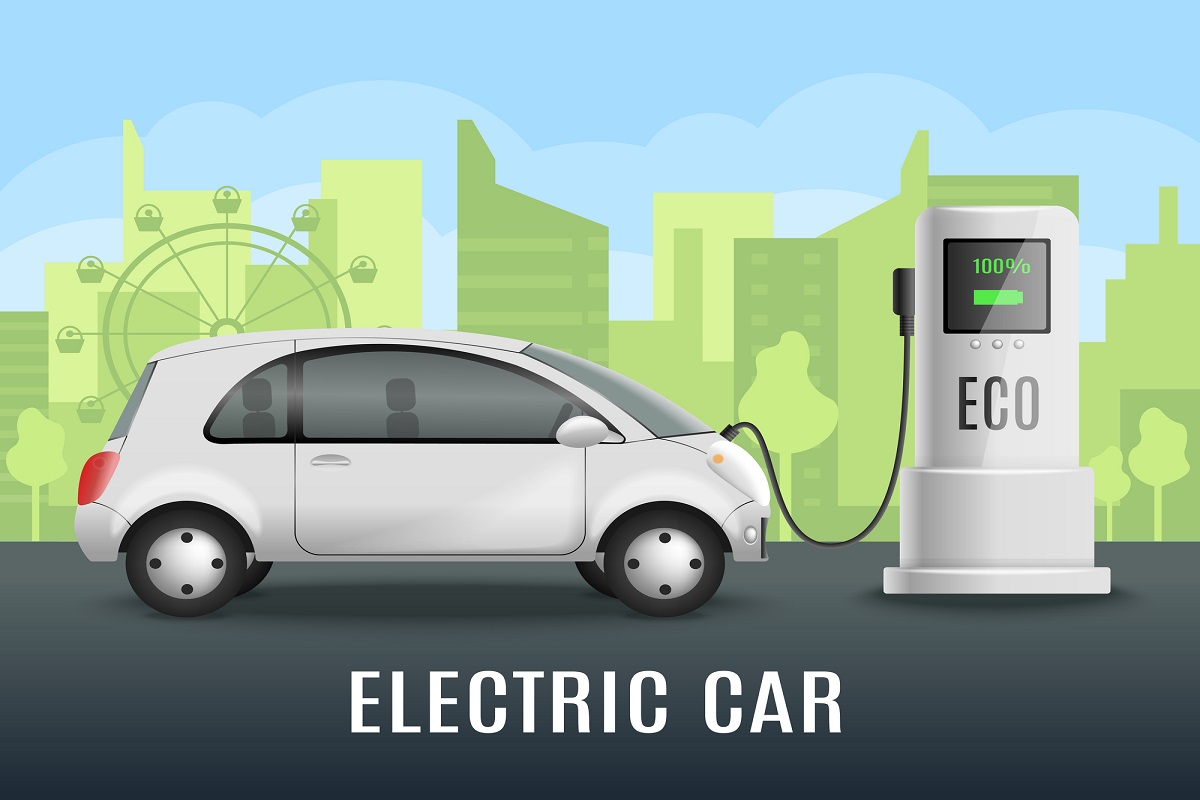
Today’s batteries can adjust their charging strategy based on temperature, usage patterns, and power source availability. This means faster charging when conditions are ideal and slower, safer charging when needed to protect the battery. The result is better longevity and less degradation over time.
Solid-State Battery Development
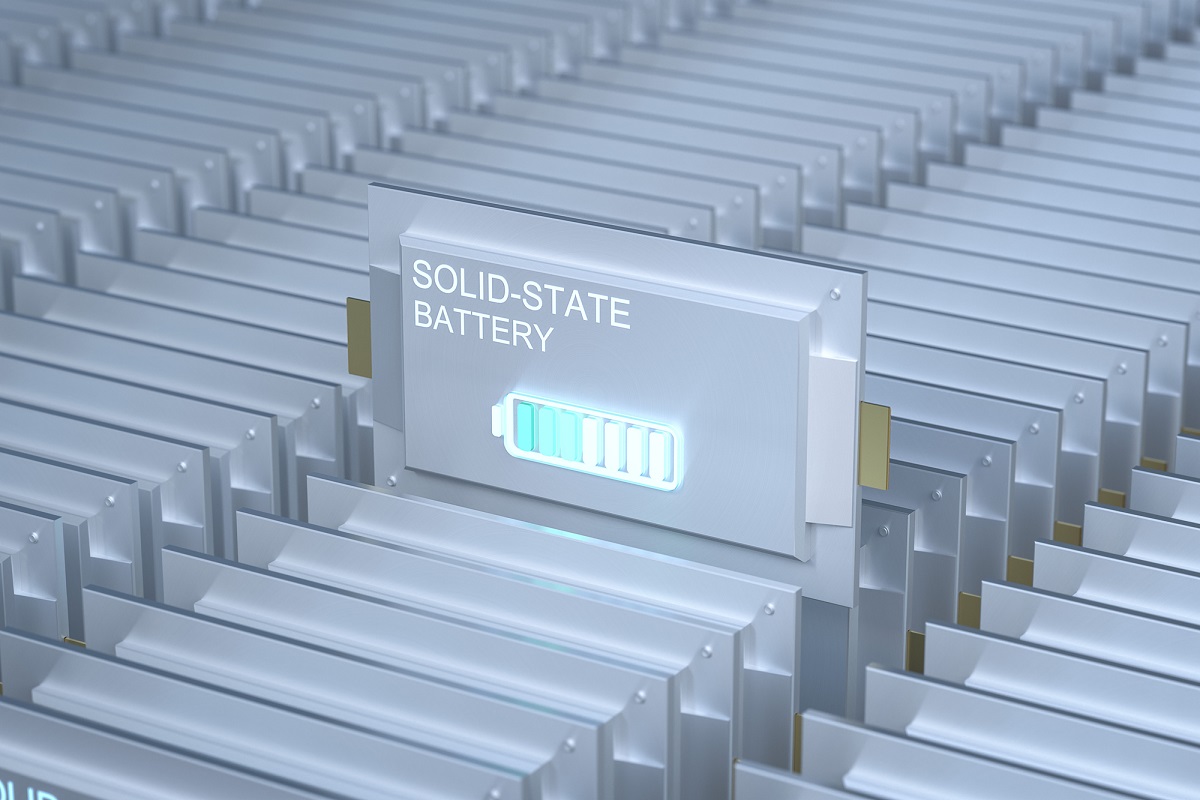
Solid-state batteries replace liquid electrolytes with solid materials, offering greater safety and significantly higher energy density. These next-gen batteries are less prone to overheating and can potentially double the range of today’s EVs. Automakers and tech companies are investing heavily in bringing them to market soon.
Battery Management Systems (BMS) with AI
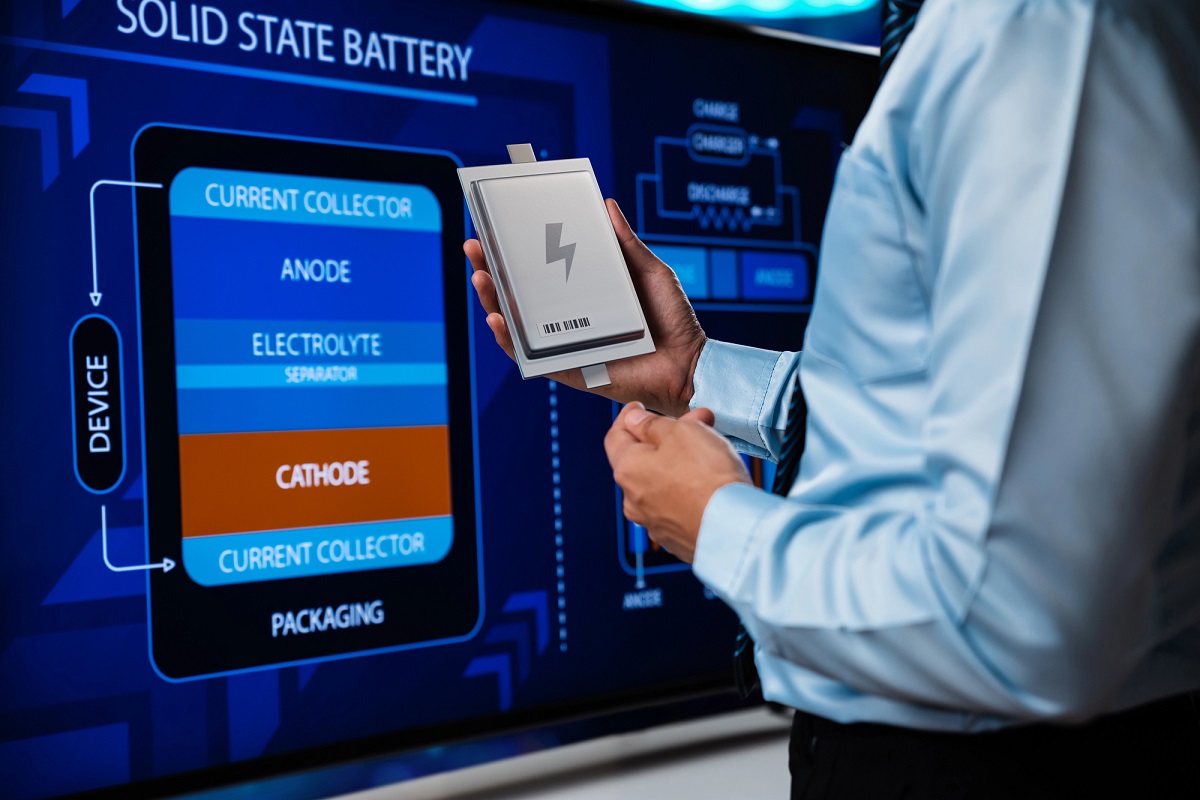
Artificial intelligence is transforming battery management by learning from driving habits and optimizing power delivery and charging schedules accordingly. These advanced BMS can detect inefficiencies, isolate weak cells, and balance loads more effectively than ever before. It’s like having a personal energy coach for your car.
Related: 11 Car Emblems With Shocking Histories That Will Blow Your Mind
Faster Charging Capabilities
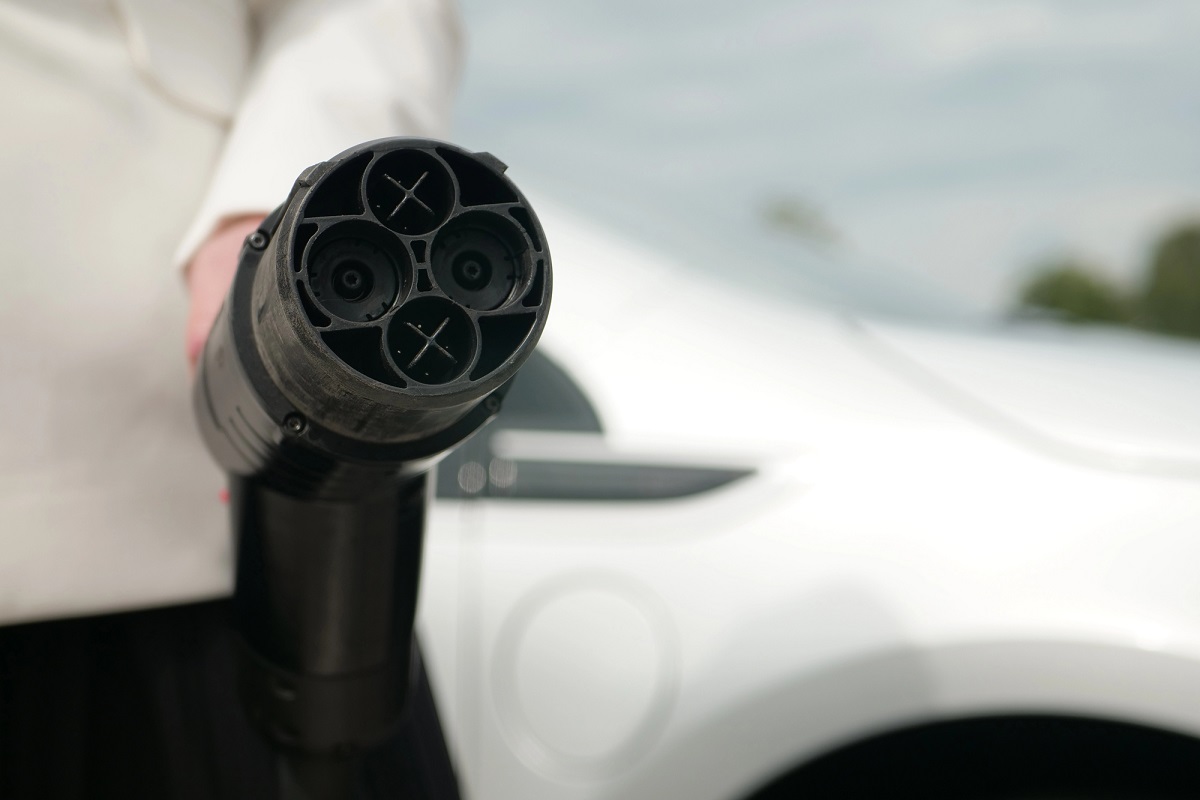
New battery chemistries and cooling technologies are allowing EVs to charge from 10% to 80% in under 15 minutes. This leap forward makes long-distance travel far more practical and reduces the dependency on home charging. With public fast chargers becoming more widespread, waiting around for hours is becoming a thing of the past.
Related: 13 RV Electrical Nightmares That Strike When You’re Miles From Help
Wireless Charging Integration
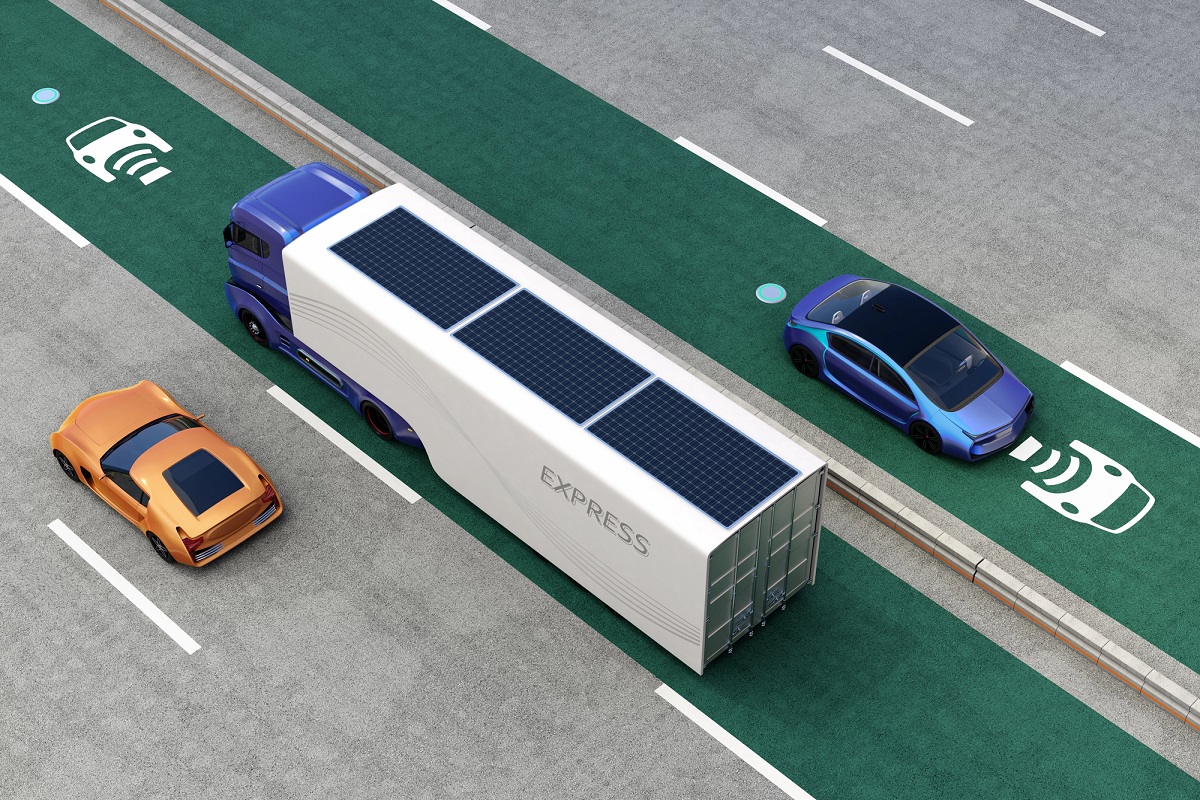
EVs are now being tested and released with the ability to charge wirelessly by simply parking over a special pad. This technology removes the need to plug in and makes daily charging more effortless, especially in tight urban spaces. As it scales up, wireless charging could become a standard feature in garages and public lots.
Related: 11 GPS Strategies That Could Be Secretly Saving You Hundreds On Fuel
Enhanced Thermal Management Systems
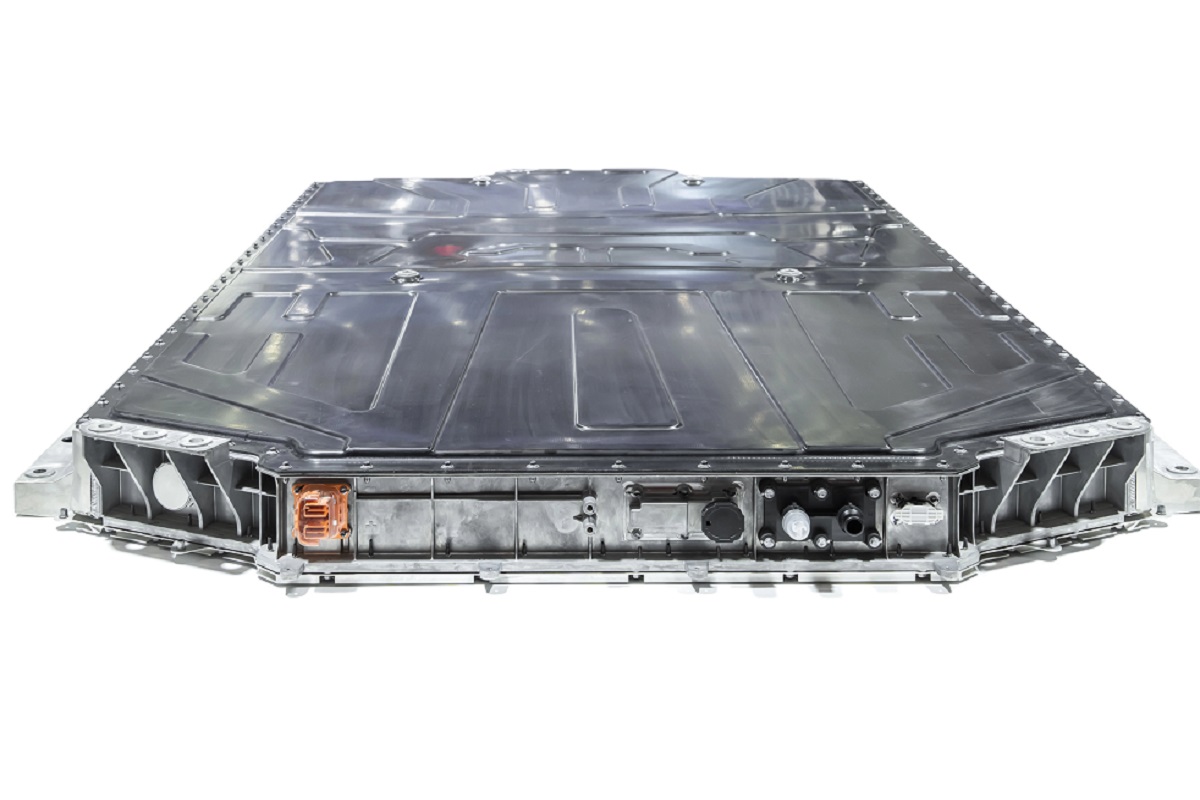
Smart cooling and heating systems help batteries operate in an ideal temperature range, even in extreme weather. This improves safety, maintains performance, and prevents long-term damage to battery cells. New liquid-cooled platforms and active temperature controls are especially important for fast-charging sessions and performance EVs.
Related: 13 Ways That Aerodynamics Is Quietly Controlling Your Driving Costs
Higher Energy Density
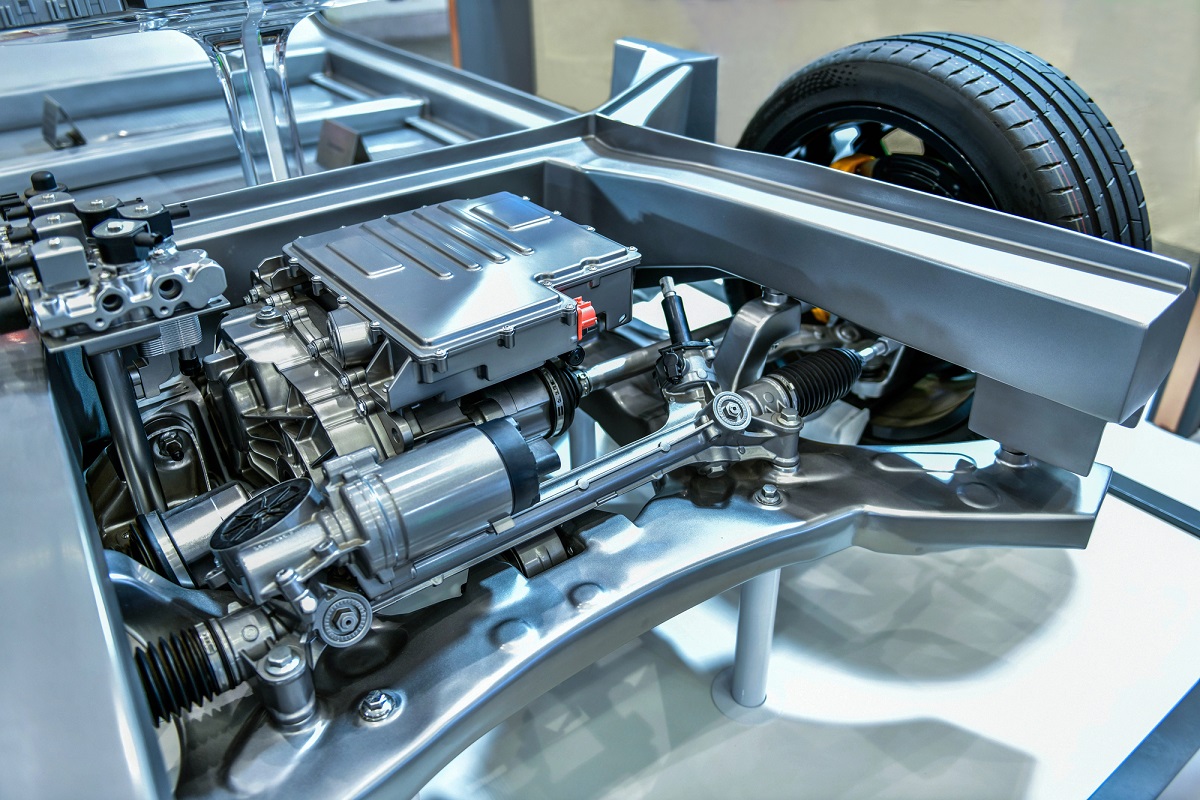
Thanks to breakthroughs in lithium-silicon and lithium-metal anodes, modern EV batteries can store more energy in a smaller package. This translates into longer ranges without increasing battery size or weight, benefiting both compact and full-sized electric vehicles. It also opens doors to more aerodynamic and efficient car designs.
Related: 15 Road Trip Secrets That Save Your Sanity When Traveling With Kids
Second-Life Battery Use
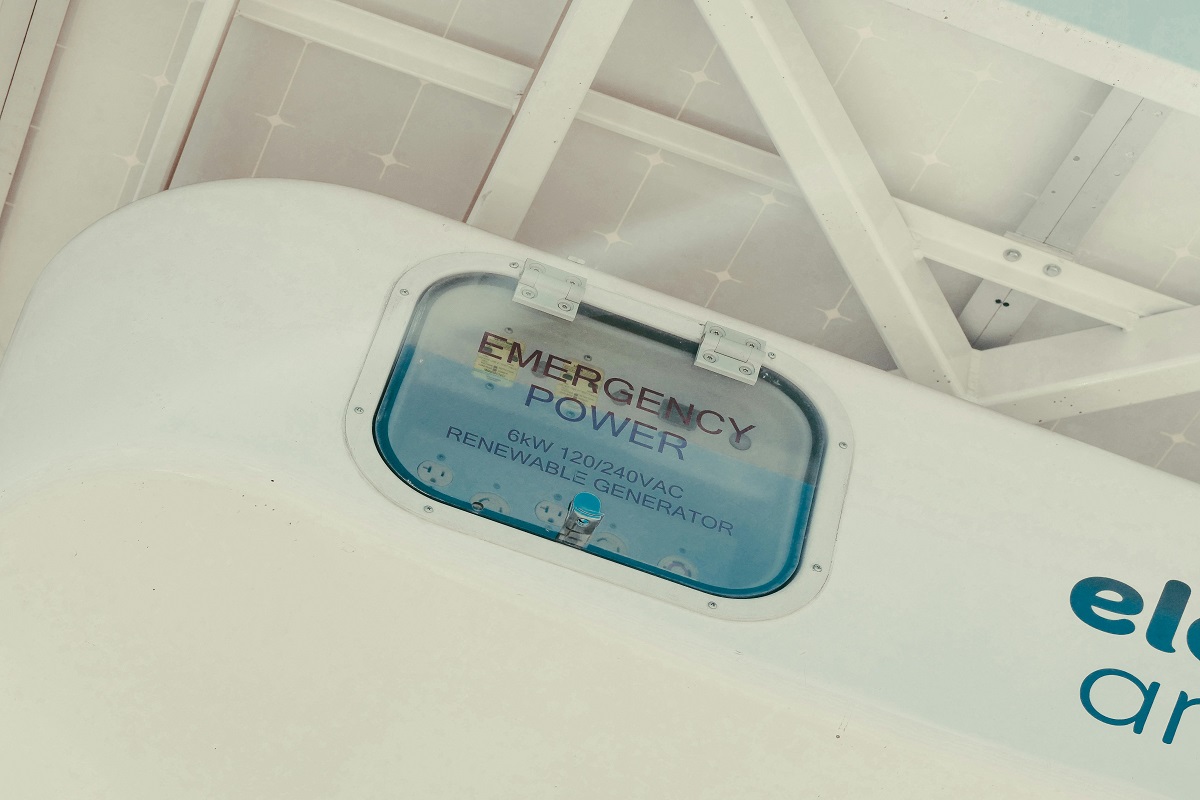
Rather than recycling EV batteries immediately, many manufacturers are repurposing them for home energy storage or solar systems. This gives batteries a valuable second life while reducing environmental impact. It’s an innovative way to make EVs more sustainable from production to retirement.
Related: 11 Cars Seniors Are Choosing For Effortless Independence And Comfortable Rides
Self-Healing Battery Materials
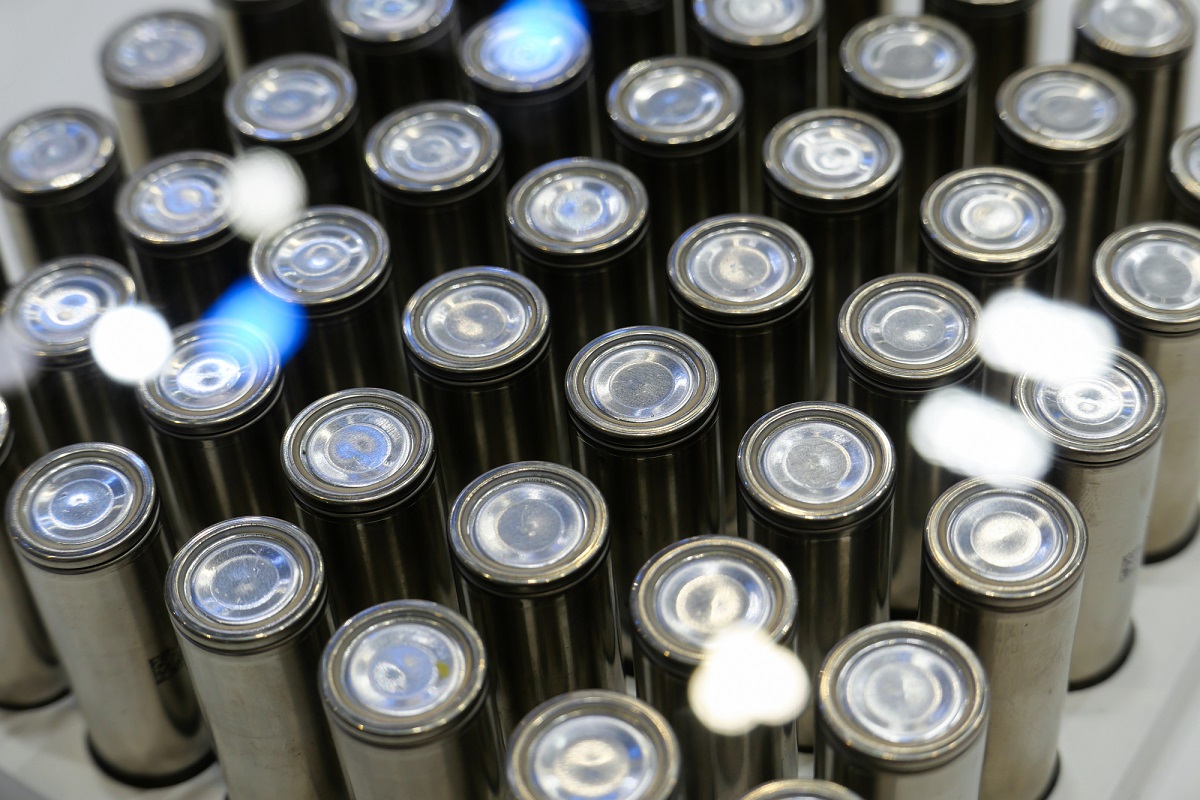
Researchers are developing battery materials that can “heal” micro-cracks and maintain integrity over time. This improves longevity and reduces the risk of breakdowns caused by physical stress inside the cells. As this tech matures, it could drastically extend battery life and reduce replacement costs.
Related: 12 Genius Car Mods That Add Style And Value Without Breaking The Bank
Chemistries with Reduced Cobalt

Cobalt mining poses ethical and environmental challenges, so manufacturers are shifting toward batteries with reduced or zero cobalt content. These newer chemistries are not only more sustainable but also cheaper and more stable. It’s a win-win for both production ethics and consumer affordability.
Related: 12 Genius Ways Public Transit Could End Your Daily Gridlock
Integrated Battery Swapping Platforms
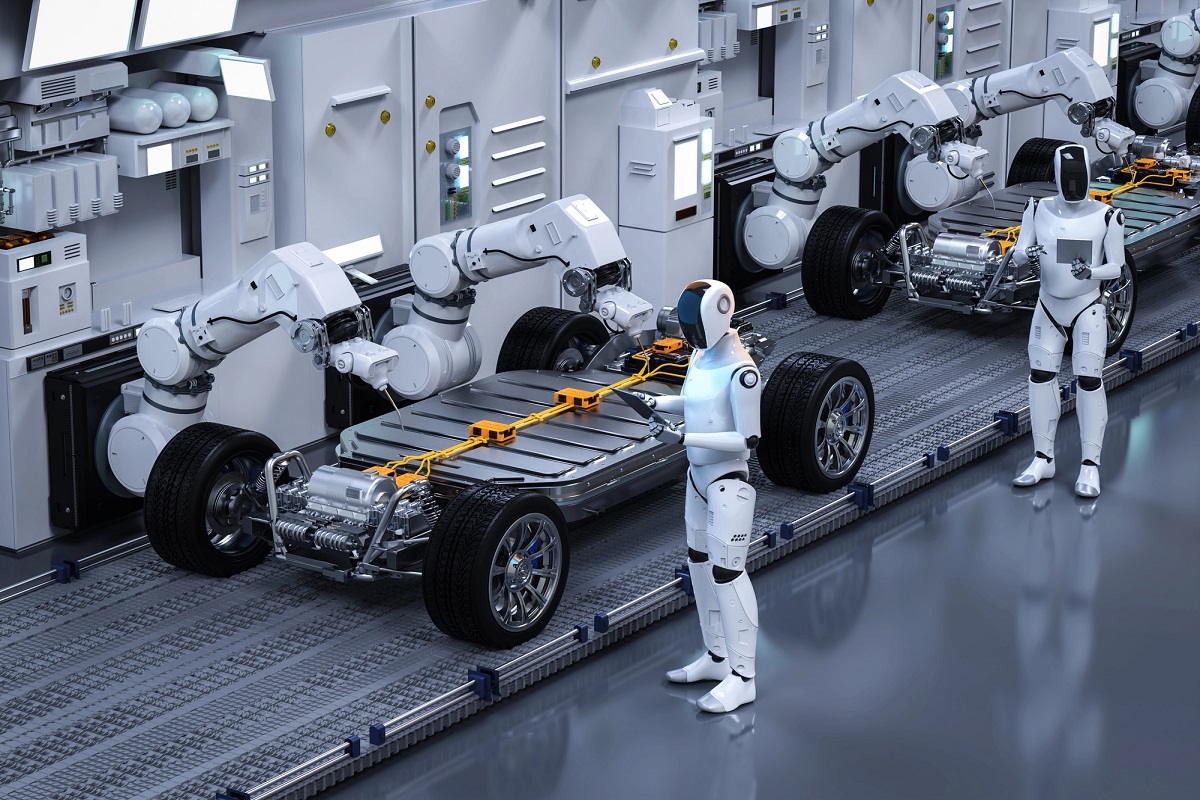
Some EV brands are adopting a battery swapping model where drained batteries are replaced with charged ones in minutes. It’s already popular in parts of Asia and could revolutionize EV infrastructure by removing the need for long charging sessions. This approach may especially appeal to fleet operators and taxi services.
Related: 12 Common Car Lighting Mistakes That Could Lead To Serious Consequences
Electric car batteries are no longer just about storing power; they’ve evolved into intelligent, adaptive systems that learn, predict, and respond to your driving needs. These innovations are helping to break down the final barriers to mass EV adoption, from faster charging to longer lifespan and sustainability. As smart features and materials continue to develop, the future of EV batteries promises even more convenience, safety, and performance.
Disclaimer: This list is solely the author’s opinion based on research and publicly available information.
10 Reasons Why Porsche EV’s $56K Depreciation Is A Dream Deal For Buyers
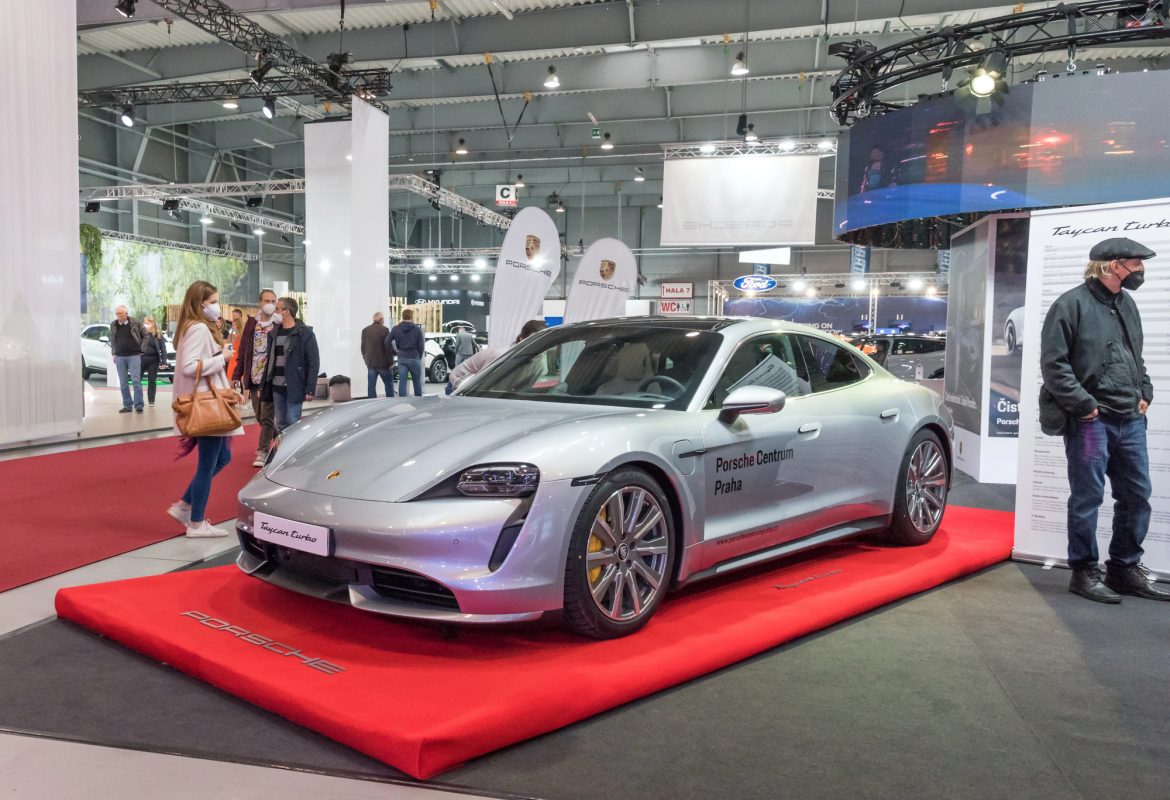
Porsche EVs might lose value quickly on paper, but that’s not bad news for smart buyers. The steep depreciation of Porsche electric vehicles opens the door to incredible deals and high-end driving experiences without the initial sticker shock. From top-tier engineering to luxury features and sustainable performance, these models are hidden gems on the pre-owned market. Here’s why Porsche EVs losing $56K in value could be one of the best things to ever happen for car lovers on a budget.
Read it here: 10 Reasons Why Porsche EVs’ $56K Depreciation Is A Dream Deal For Buyers
11 Game-Changing Details About The 2025 Audi RS E-Tron GT You Didn’t Know You Needed
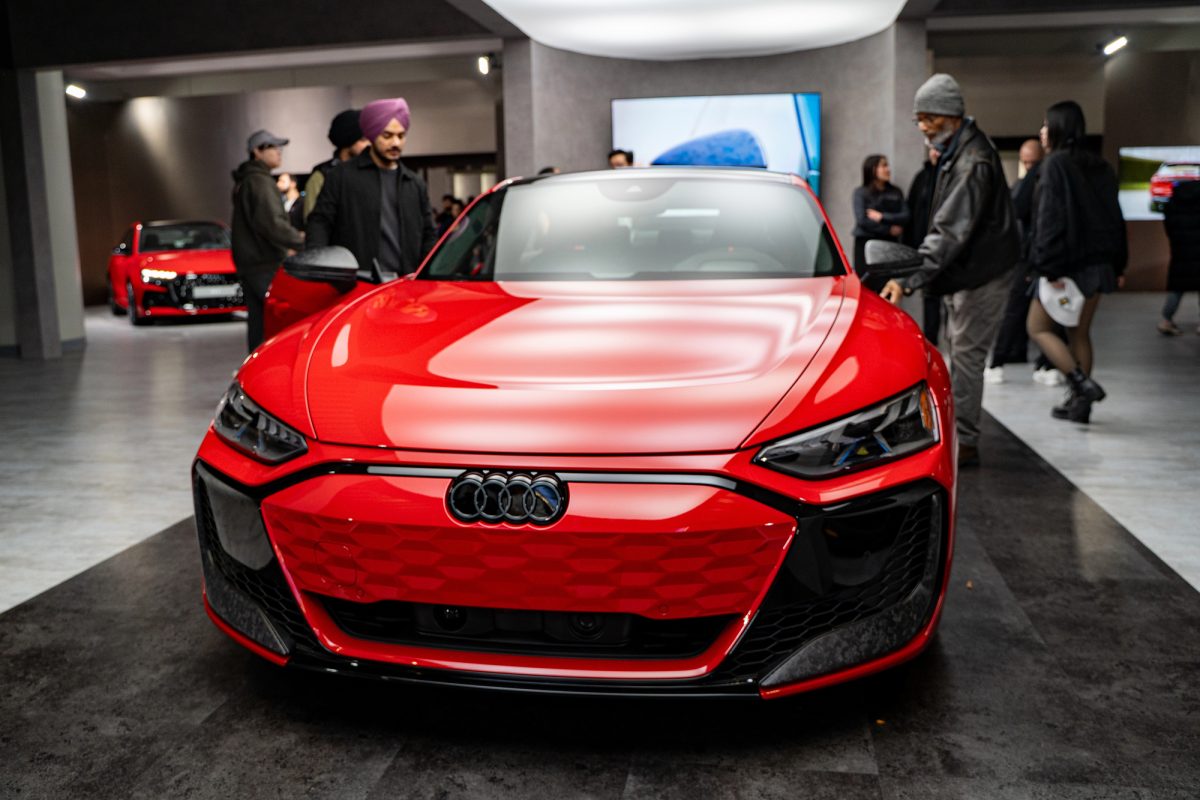
Audi has raised the bar yet again with the 2025 RS E-Tron GT, combining electrifying performance with cutting-edge technology. This isn’t just an upgrade, it’s a full evolution of what an electric sports car can be, both in terms of speed and sophistication. Enthusiasts and industry experts alike are buzzing about the groundbreaking features baked into this latest marvel. The vehicle balances comfort, sustainability, and style in a package that defies typical EV limitations.
Read it here: 11 Game-Changing Details About The 2025 Audi RS E-Tron GT You Didn’t Know You Needed
10 Reasons Home EV Charging Might Save Your Life Or Wallet
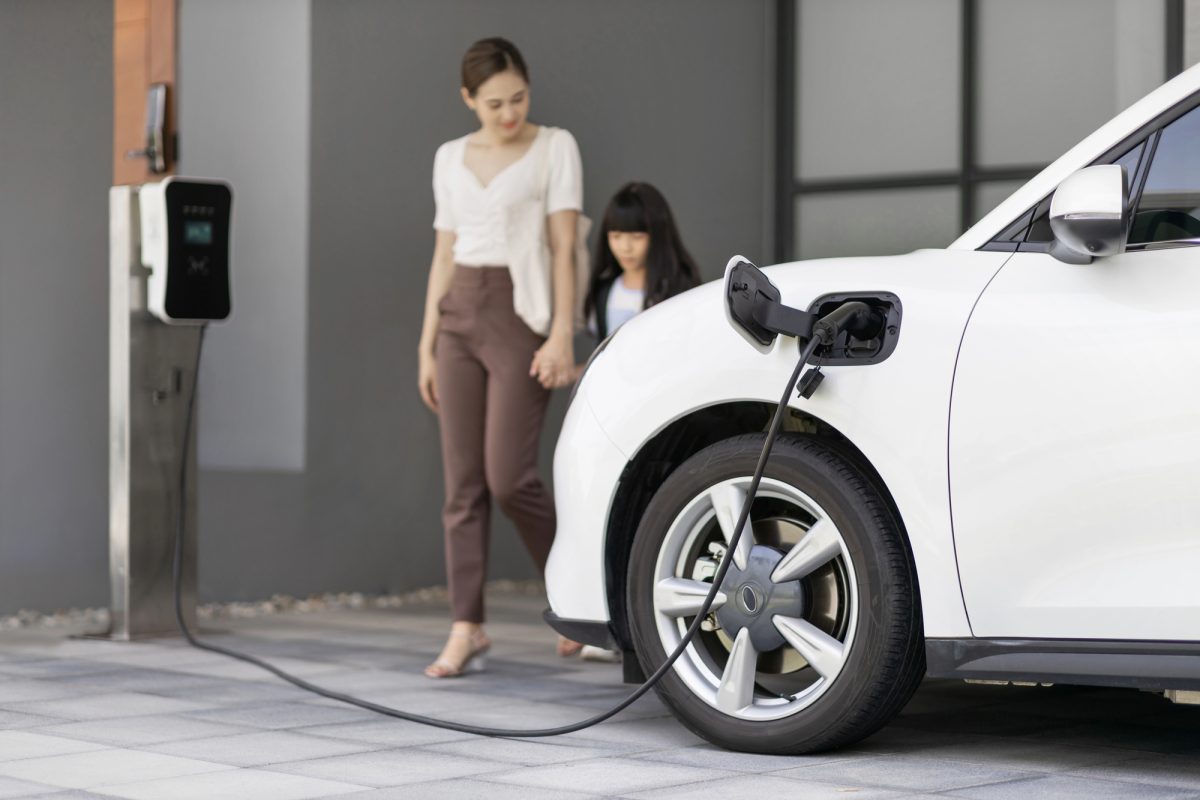
As electric vehicles (EVs) continue to surge in popularity, more drivers are realizing that home charging isn’t just a luxury, it might be a game changer. From protecting your finances to offering safety benefits during emergencies, home EV charging brings serious peace of mind. Whether you’re a tech-savvy commuter or a weekend traveler, here’s why installing that charger in your garage could be the smartest move you make this year.
Read it here: 10 Reasons Home EV Charging Might Save Your Life Or Wallet
You’ll love these related posts:
- 11 Ways Engine Size Impacts Your Speed Power And Fuel Economy More Than You Think
- 15 Hidden Perks In Car Wireless Charging You Didn’t Know About
- 12 Heated And Ventilated Seat Features You Didn’t Know You Needed
- 11 Innovative Airbag Technologies Revolutionizing Vehicle Safety
- 11 Life Saving Reasons Night Vision Features Are Essential For Every Driver