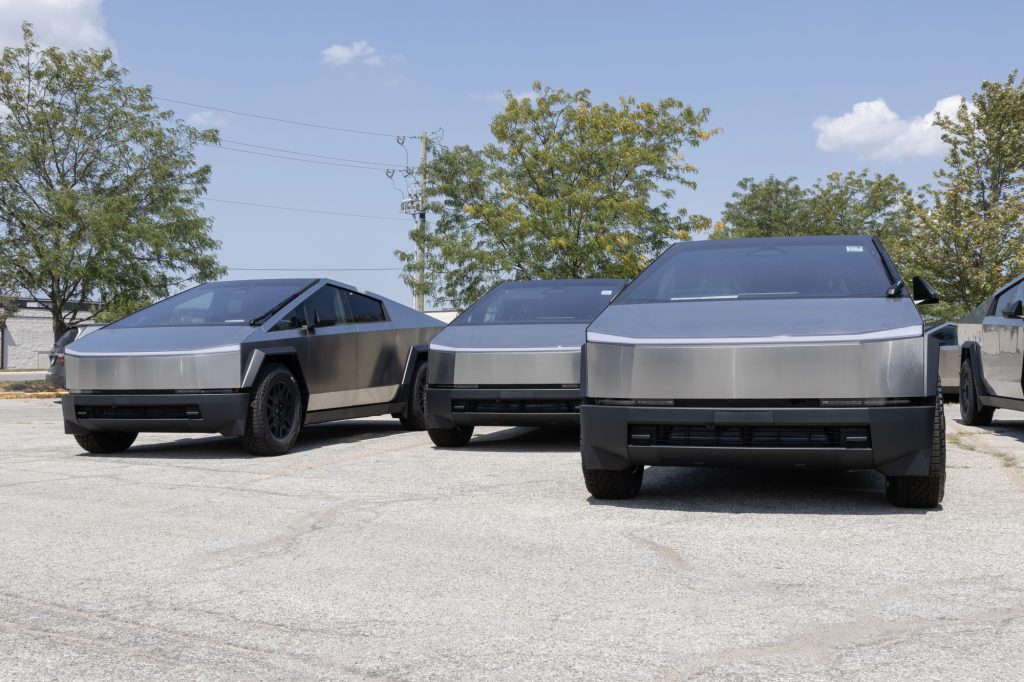
The electric vehicle battle has taken a wild turn, and Tesla’s Cybertruck is charging far ahead of the competition. Fisker Ocean, once considered a promising contender, is now reeling from a staggering $8,000 value drop in record time. As excitement for the Cybertruck surges, Fisker’s struggles highlight how quickly the EV market can punish weak performance and poor planning. These 10 shocking reasons reveal exactly how the Cybertruck stole the spotlight and left the Fisker Ocean scrambling to recover.
Brutal Resale Value Collapse

Fisker Ocean’s depreciation has shocked even seasoned industry watchers, with average resale values falling by $8,000 in just weeks. This kind of rapid drop reflects a severe loss of consumer trust and perceived reliability. Meanwhile, Cybertruck models are already seeing steady resale demand with minimal price loss.
Tesla’s Brand Power

Tesla’s name alone carries unmatched brand loyalty and public trust in innovation. The Cybertruck rides on a wave of anticipation that Fisker couldn’t replicate, drawing in fans who trust Tesla’s proven track record. In contrast, Fisker struggled to make a strong first impression, and buyers hesitated.
Charging Network Superiority

Tesla’s Supercharger network remains one of its greatest advantages, with wide availability and fast speeds. Fisker Ocean relies on third-party stations, which often lack reliability or broad coverage, especially in rural or mid-sized markets. Buyers know convenience matters, and Cybertruck delivers it seamlessly.
Underwhelming Software Experience

While Tesla continues to improve its in-car software with over-the-air updates and an intuitive user interface, Fisker’s software fell short. Early Ocean drivers reported laggy systems, confusing menus, and frustrating bugs. In an EV world where software defines the driving experience, Fisker simply didn’t compete.
Related: 11 Surprising Reasons Some Drivers Refuse To Go Electric
Poor Customer Support and Service

Tesla may have occasional service delays, but it still offers a more robust infrastructure than Fisker, which struggled with logistics and spare parts. Reports of slow repairs and a lack of trained technicians plagued the Ocean’s reputation. The Cybertruck benefited from Tesla’s expanding service reach and tech-driven support options.
Related: 15 Ways AI Is Turning Old-School Cars Into Fuel-Saving Machines
Build Quality Concerns

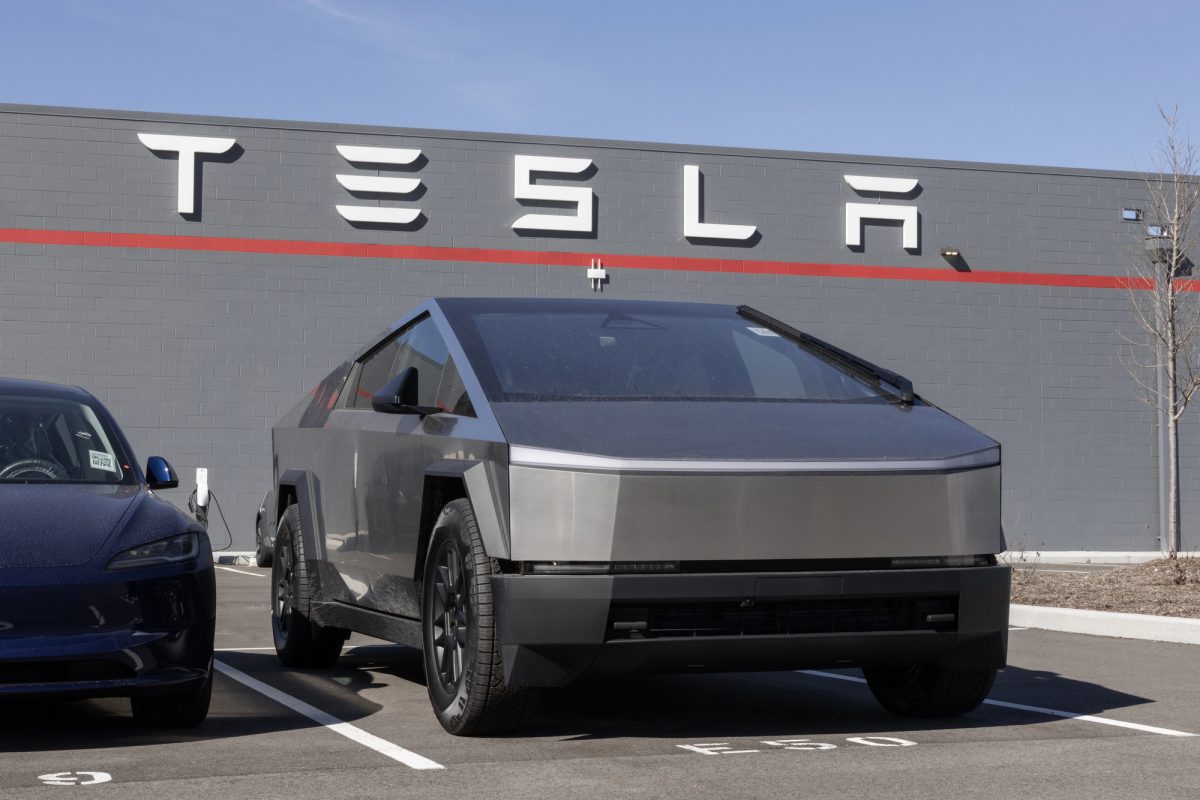
Cybertruck’s unibody stainless steel design is polarizing in style but solid in construction. Fisker Ocean customers noted inconsistent panel gaps, interior squeaks, and materials that didn’t match the premium EV promise. These quality concerns added to the resale value plunge and killed long-term buyer confidence.
Related: 12 Reasons AI-Powered Co-Pilots Might Be The Future
Performance Discrepancies

Tesla backed its futuristic design with raw power. Cybertruck delivers acceleration and torque that match its aggressive look. Fisker Ocean, on the other hand, couldn’t keep up in performance benchmarks and felt underpowered in comparison. In a segment driven by specs, performance matters more than ever.
Related: 12 Most Iconic Mercedes Benz Convertibles Ever Built
Design Buzz and Visibility

Cybertruck’s unique, angular design generated enormous online buzz and pop culture presence, turning heads everywhere. The Ocean, while attractive, didn’t capture imaginations or get people talking in the same viral way. Tesla succeeded in making the Cybertruck a status symbol before it even launched.
Related: 12 Insane Car Stunts That Defy The Laws Of Physics
Reliability Concerns Hit Early
Fisker Ocean’s early units were riddled with reliability complaints ranging from infotainment crashes to electrical faults. Tesla has had its issues historically, but learned to manage them faster and more transparently. Fisker’s slower response and lack of updates made drivers wary, and resale value reflected that.
Related: 13 Ways 3D Printing Is Making Cars Faster, Stronger, And Cheaper
Supply Chain Struggles

Tesla, with years of experience in global logistics, managed to scale production and meet demand even during shortages. Fisker, a newer player, faced supplier setbacks, production delays, and inconsistent inventory that disappointed buyers. Cybertruck’s smoother rollout highlighted just how prepared Tesla was by comparison.
Related: 15 Jaw-Dropping Monster Trucks That Crush Everything In Their Path
Fisker Ocean entered the EV space with high hopes, but Tesla’s Cybertruck exposed every weakness through relentless innovation and sheer consumer excitement. The massive $8,000 value loss is more than financial, it represents a collapse in public trust and product perception. Tesla proved it could still dominate even in a crowded market by focusing on performance, infrastructure, and a bold vision. In the ever-evolving EV world, the Cybertruck didn’t just win, it crushed the competition.
Disclaimer: This list is solely the author’s opinion based on research and publicly available information.
11 Tesla Cyber Van Robo Taxi Details That Are Raising Serious Questions

The Tesla Cyber Van Robo Taxi is the latest innovation that has sparked both excitement and skepticism in equal measure. While the idea of a futuristic, fully autonomous taxi service sounds appealing, there are growing concerns surrounding the practicality, safety, and ethics of this ambitious venture. From design peculiarities to regulatory hurdles, critics and consumers alike are questioning whether Tesla’s newest brainchild is truly ready for widespread adoption.
Read it here: 11 Tesla Cyber Van Robo Taxi Details That Are Raising Serious Questions
12 Ways Electric Cars Are Rewriting Luxury
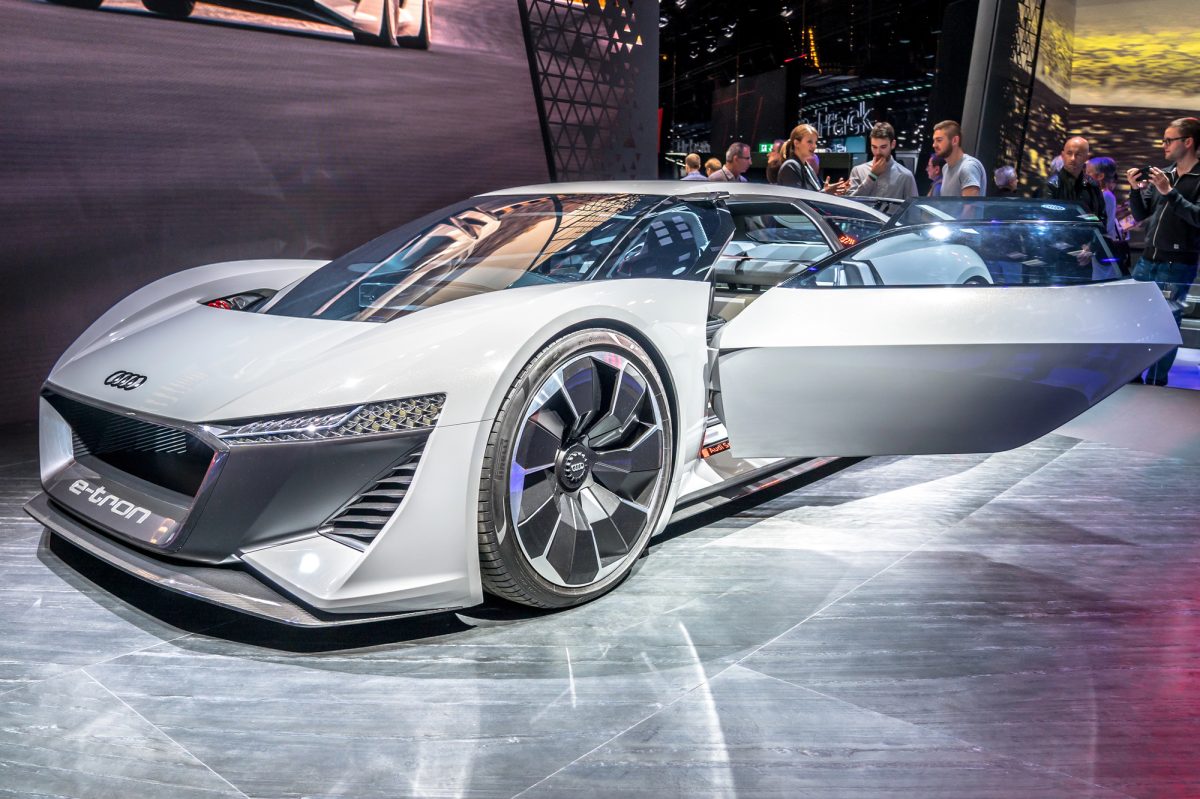
The idea of luxury in the automotive world is rapidly changing, and electric vehicles (EVs) are leading the transformation. Once dominated by leather seats and roaring engines, today’s premium experience is about innovation, silence, and cutting-edge technology. With zero emissions and futuristic designs, they offer both elegance and environmental responsibility. Below are 12 ways electric vehicles are redefining what it truly means to drive in style and luxury.
Read it here: 12 Ways Electric Cars Are Rewriting Luxury
13 Electric Cars That Are So Fast They Put Supercars To Shame
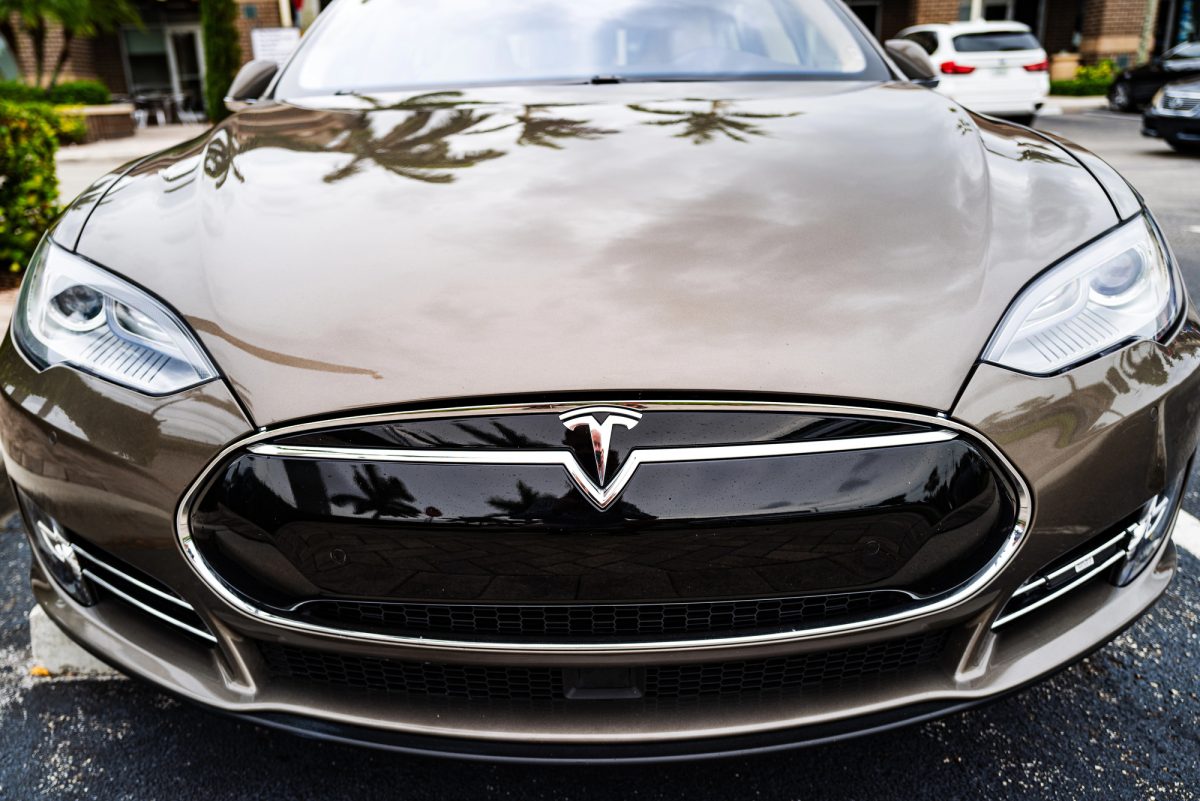
Electric cars have shattered the misconception that they are merely eco-friendly alternatives to traditional vehicles. With cutting-edge technology, instant torque, and mind-blowing acceleration, some EVs outperform even the most revered supercars. These electrified beasts have rewritten the rules of performance, proving that sustainability and speed can go hand in hand. Here are 13 electric cars that redefine what it means to go fast.
Read it here: 13 Electric Cars That Are So Fast They Put Supercars To Shame
You’ll love these related posts:
- 11 Subaru Models Built To Outlast Anything
- 13 Terrifying Ways Hackers Could Steal Your Car Without Ever Touching It
- 14 Wild Reasons Millennials And Gen Z Are Obsessed With 90s Cars
- 14 Reasons Manual Transmissions Are Disappearing (And Why Some Drivers Are Fighting Back)
- 13 Car Batteries That Last Forever