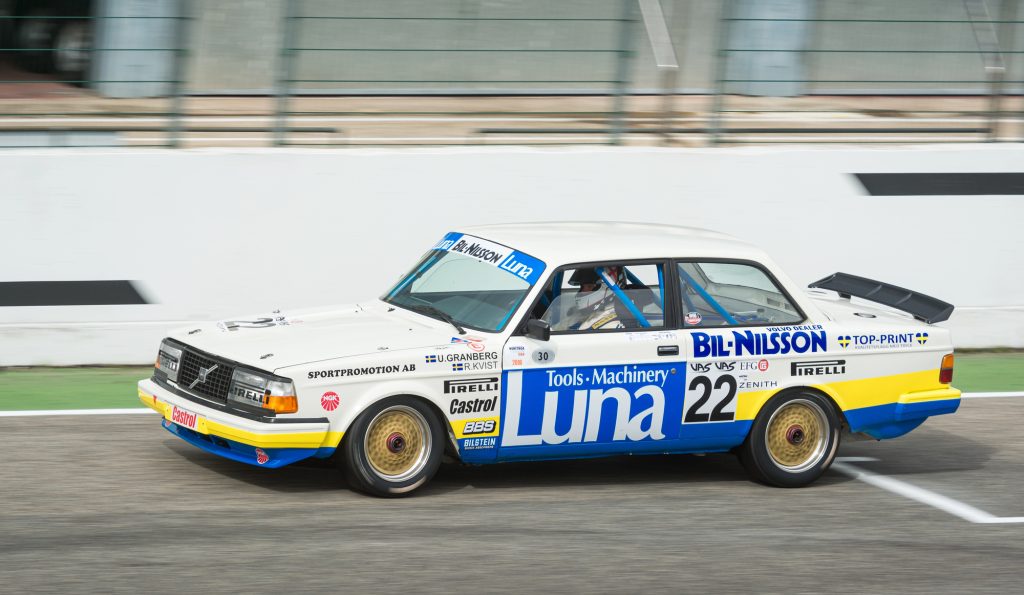
In an era of flashy sports cars and bold automotive statements, the unassuming Volvo 240 Turbo, nicknamed the “Turbo Brick,” silently stormed tracks and left rivals stunned. With a boxy frame that disguised its raw performance power, this Swedish sleeper redefined racing expectations in the 1980s. It wasn’t about style or flair; it was about gritty engineering, fearless tuning, and relentless durability. These 11 shocking reasons explain how the Turbo Brick became a motorsport legend during a decade dominated by flashier foes.
It Had a Turbocharged Secret Weapon

Volvo’s 2.1-liter turbocharged inline-four engine packed a surprising punch for a car better known for safety. This forced-induction setup gave the Turbo Brick explosive torque and power, allowing it to charge ahead of more powerful rivals. The boost transformed the humble sedan into a formidable contender on the track.
Its Boxy Shape Was Aerodynamically Clever

Despite appearing squared-off, the 240 Turbo’s slab-like design had aerodynamic benefits when paired with racing modifications. Tuners added spoilers and body kits to channel air efficiently, turning a practical family car into a wind-cheating race machine. The unique shape helped it stand out while improving stability at high speeds.
It Was Built Like a Tank

Volvo’s commitment to structural strength meant the Turbo Brick could handle the intense physical demands of racing. The rigid chassis allowed better suspension tuning, while the car’s overall toughness made it incredibly durable. In endurance events, this trait gave it a competitive edge over lighter but more fragile rivals.
Group A Racing Gave it a Stage to Shine

The Turbo Brick took full advantage of FIA’s Group A regulations, which required manufacturers to use production-based cars. With limited modifications allowed, Volvo’s already robust design translated seamlessly into a race-worthy platform. This level playing field lets the car’s engineering do the talking.
Related: 12 Surprising Ways Electric Cars Spark Youth Creativity And Innovation
Independent Suspension Delivered Sharp Handling

The Turbo Brick’s rear live axle setup might’ve sounded outdated, but its tuned suspension brought impressive control. Volvo engineers adjusted the handling balance for racing, allowing drivers to corner aggressively with confidence. It handled tight turns and sweeping bends with unexpected finesse for a car of its shape and size.
Related: 10 Reasons Why Mazda’s Iconic SP Is The Most Anticipated Sports Car Of The Year
It Was Surprisingly Lightweight for Its Class

While its appearance suggested heft, the 240 Turbo was relatively light by racing standards. With fewer electronics and stripped-down interiors, the race versions benefited from a simplified design that favored speed. That low curb weight made acceleration brisk and improved the car’s responsiveness overall.
Related: How These 12 Regenerative Systems Are Transforming Modern Cars
Tuners Loved Its Forgiving Platform

The 240 Turbo’s engine and drivetrain were incredibly receptive to tuning, making it a darling among aftermarket enthusiasts. Simple mods could extract significantly more horsepower without compromising reliability. This meant race teams could easily tailor the car for various track conditions and competition levels.
Related: 11 Reasons PHEV Pickups Are The Future Truck Buyers Crave
Its Safety Reputation Was a Hidden Bonus

Volvo’s image as a safe, conservative car brand meant competitors often underestimated the Turbo Brick. But that same dedication to safety made the car rock-solid at high speeds and in close-quarters racing. This stability lets drivers focus on performance without worrying about catastrophic failures.
Related: These 15 Cars That Forever Changed The Course Of History
Factory Support Was Relentless

Volvo backed its racing program with genuine enthusiasm and resources, unlike many automakers that treated motorsport as a marketing gimmick. This commitment included engineering support, tuning parts, and constant development. The results showed on the podium, where the Turbo Brick consistently outperformed better-known marques.
Related: 10 Unbelievable Facts That Show Mercedes Is Embracing Steering Yokes
It Changed the Way People Viewed Volvo

Before the Turbo Brick, Volvo was the choice of cautious parents and safety-conscious commuters. After its racing success, it was suddenly a name whispered in paddocks and pit lanes with admiration. The 240 Turbo redefined the brand, showing that performance and practicality could go hand in hand.
Related: 11 Genius Tricks That Will End Your Parallel Parking Nightmares For Good
It Inspired a Cult Following

From Europe to the U.S., the Turbo Brick earned a passionate fan base that saw beyond its unpolished look and embraced its raw spirit. Online forums, car meets, and racing leagues began celebrating their victories and modifying their versions in their image. Over time, the 240 Turbo became more than a car, it became a symbol of what could be achieved through persistence, clever tuning, and the belief that underdogs can win big.
Related: 10 Used Cars You Must Grab Now Before Prices Shoot Back Up
The Turbo Brick’s domination in the 1980s wasn’t just surprising, it was revolutionary. In a world obsessed with sleek design and flashy performance, this unassuming machine proved that grit, engineering, and purpose could triumph over image. It disrupted the motorsport status quo and left an indelible mark on automotive history. Decades later, its legend still roars through racetracks, garages, and collector circles. The Volvo 240 Turbo wasn’t just fast, it was unforgettable.
Disclaimer: This list is solely the author’s opinion based on research and publicly available information.
10 Weird Pontiac Details That Saved It From The Junkyard

Pontiac was once a bold force in American car culture, known for muscle, flair, and attitude. While the brand disappeared in 2010, it left behind vehicles that were saved not by mainstream appeal, but by strange, quirky features that caught the eyes of collectors. From strange trims to odd performance packages, Pontiac had a talent for standing out even when its future looked dim. Let’s explore 10 unusual Pontiac features that unexpectedly kept the brand alive in car culture.
Read it here: 10 Weird Pontiac Details That Saved It From The Junkyard
10 Ford Cars So Rare Most People Have Never Seen One

When it comes to iconic American automakers, Ford has produced a long line of well-known vehicles. But beyond the household names like the Mustang and the F-150, Ford has also released some extremely rare models that flew under the radar. These cars were built in limited numbers or for specific markets, making them nearly impossible to spot on the road today. Whether discontinued too soon or never sold in the U.S., these rare Fords remain fascinating chapters in the brand’s rich history.
Read it here: 10 Ford Cars So Rare Most People Have Never Seen One
10 Car Models That Trigger Deep Nostalgia And What It Means

Some cars do more than just take us from one place to another, they transport us back in time. These car models, often tied to memorable moments, evoke emotions, stories, and a strong sense of personal or cultural identity. Whether it’s the first family vacation, a teenage joyride, or simply the memory of seeing it in a movie, certain vehicles hold a permanent place in our hearts. They remind us of how far we’ve come and connect us to the people and experiences that shaped us.
Read it here: 10 Car Models That Trigger Deep Nostalgia And What It Means
You’ll love these related posts:
- 12 Essential Tips For Picking The Perfect Engine Oil Grade For Any Season And Climate
- 10 Reasons The 2025 Taycan Turbo GT Weissach’s 0–60 Time Is Insane
- 11 Bold Moves GM Made To Revitalize Buick’s Future
- 11 Reasons Why This Aston Martin Might Just Be The Prettiest Car Ever Made
- 10 Surprising Ways Car Digitalization Is Unlocking Hidden Customer Insights