
Parallel parking doesn’t have to be a dreaded part of your daily drive anymore. With the right strategies and a bit of practice, even the tightest spots become manageable. These tricks blend timeless wisdom with modern tech, ensuring every driver can improve regardless of skill level. Whether you’re a new driver or just want to refine your technique, these genius methods make street parking far less stressful.
Turn the Wheel Fully—And Then Back

Begin by turning your steering wheel all the way toward the curb, and then straighten it as your car aligns with the parking space. This exaggerated motion makes sure you enter at the right angle and can correct your position effectively. Practicing this method builds muscle memory that works in any similar situation.
Use Your Side Mirrors Strategically

Your mirrors are more than just safety tools, they’re navigation aids. Watch the curb through your right-side mirror to avoid scraping tires or rims, and use your left to maintain alignment with the car ahead. Adjusting them downward slightly during parking can give you a better angle for tight fits.
Don’t Rush—Slow Movements Win

Parallel parking isn’t a race; the slower you go, the more control you’ll have. Moving at a relaxed pace allows you to process your surroundings better, giving your brain and hands the time to coordinate each adjustment. You also reduce the chance of bumping into curbs, misjudging angles, or startling pedestrians or drivers around you. Smooth and steady always wins.
Keep Both Hands on the Wheel

Gripping the wheel firmly with both hands ensures precise steering, especially when making delicate corrections mid-maneuver. It reduces the risk of oversteering or understeering, two common issues during tight parking situations. This disciplined approach keeps your upper body aligned and helps you feel more confident while controlling your vehicle’s direction.
Related: From Traffic Jams To Open Roads Why Motorcycle Commuting Is On The Rise
Practice with Cones or Markers

Setting up cardboard boxes, cones, or even two trash bins in a quiet space can simulate real-world parking spots. This allows you to practice over and over without the fear of damaging another car or holding up traffic. Repetition builds muscle memory and confidence, and it helps you develop a natural rhythm for entering the spot smoothly and efficiently.
Related: How Social Media Is Transforming Motorcycle Culture And Bringing Riders Together
Watch for Tire Angle in Your Camera View
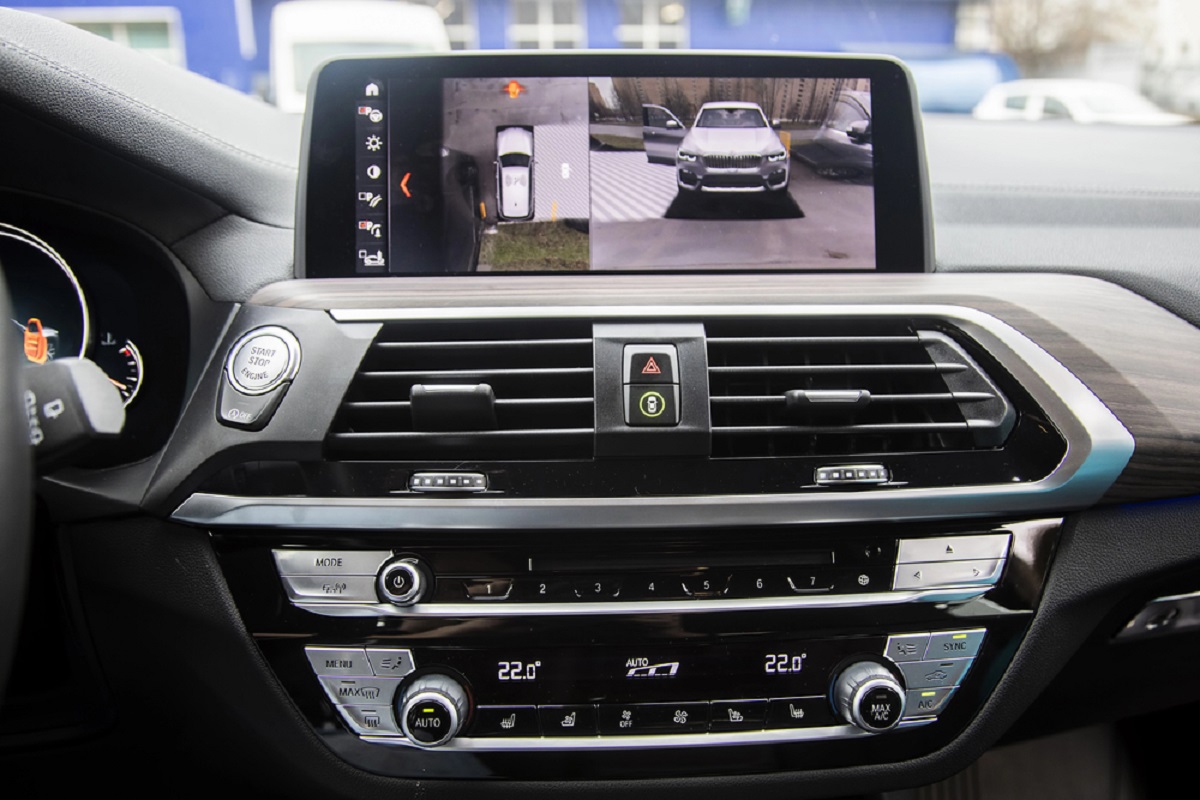
Many modern vehicles display your tire angle through backup cameras, which can be a game-changer in tight situations. These visual guides help predict where your car is headed and how sharp your turning arc is, so you can adjust before hitting a curb or another car. Learning to read and trust this tool makes your parking far more intuitive and accurate.
Related: The Influence Of Motorcycle Clubs On American Biker Culture Over The Decades
Always Adjust Your Position if Needed

It’s okay if you don’t get it right the first time; adjusting is part of the process, not a failure. If your angle or distance feels off, pull forward slightly and reset rather than forcing it and risking damage. Experienced drivers know that repositioning not only improves the final result but also shows smart decision-making under pressure.
Related: How Trade Wars And Tariffs Are Reshaping The Motorcycle Scene In The US
Use Parking Sensors as a Second Set of Eyes

Parking sensors offer a helpful layer of awareness by giving audible alerts when you’re getting close to an object. They act like invisible spotters, especially helpful in dimly lit conditions or when you’re driving a large vehicle with limited visibility. Learning to interpret these beeps properly turns sensors into a reliable ally rather than a distraction.
Related: 12 Alarming Signs The Trucking Industry Is Headed For Disaster Sooner Than You Think
Angle in Slowly Before Straightening

Once your rear bumper begins to slide into the space, hold a steady wheel angle to guide it in before straightening out. This gradual, controlled entry gives you time to judge your spacing and helps avoid overcompensating. Once your vehicle is mostly in, a slow correction centers you beautifully between the cars.
Related: 14 Jaw-Dropping Ways Used EVs Are Outperforming Gas Cars In 2025
Stop When Your Front Wheel Clears the Rear Bumper Ahead

This is the magic moment, when your front wheel has cleared the parked car’s rear bumper, it’s your cue to turn the wheel in the opposite direction. This maneuver allows your front end to tuck into the space without clipping the vehicle ahead. Recognizing this point helps you finish cleanly and efficiently, often in one smooth motion.
Related: 15 AI Secrets That Could Make EV Battery Degradation A Thing Of The Past
Don’t Forget to Turn Your Wheels When Parking on Hills

Turning your wheels appropriately when parked on a hill adds a layer of protection if your brakes fail. When facing uphill, turn your wheels away from the curb; downhill, turn them toward it. This way, your car will roll into the curb, not into traffic. It’s a small step that demonstrates a responsible, safety-minded approach to urban driving.
Related: 12 Sneaky Ways Car Payments Are Getting Higher And How Smart Drivers Are Fighting Back
Parallel parking doesn’t have to be your least favorite part of driving anymore. With these 11 proven tricks, you can transform stress into skill and confusion into confidence. Whether you’re navigating a crowded city block or a quiet residential street, you’ll be ready to tackle any space with ease. By building better habits and taking your time, parking becomes just another smooth step in your journey. The curb is no longer your enemy, it’s just another part of the road you’ve mastered.
Disclaimer: This list is solely the author’s opinion based on research and publicly available information.
11 Hidden Ways Car Cameras Are Revolutionizing Road Safety
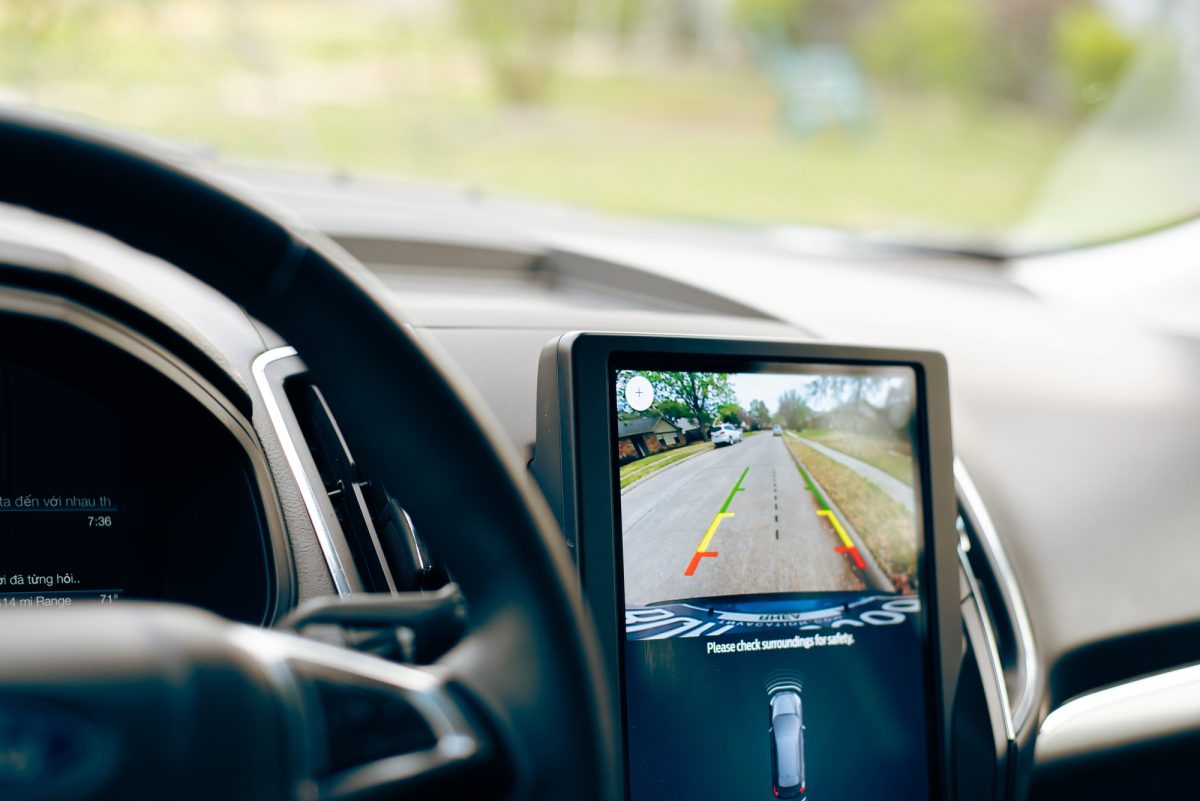
In the modern driving world, car cameras have quietly become one of the most impactful safety upgrades. What started as simple reverse-assist tools has evolved into a powerful system of awareness, prediction, and prevention. These discreet lenses are now your car’s second set of eyes, monitoring blind spots, recording incidents, and even guiding emergency response. Here are 11 hidden ways car cameras are transforming the safety of our roads, often without us even realizing it.
Read it here: 11 Hidden Ways Car Cameras Are Revolutionizing Road Safety
12 Ways Autonomous Driving Shatters Traditional Car Limits

Autonomous driving is more than a tech upgrade, it’s a transformation of how we think about transportation. With every innovation, self-driving technology continues to redefine comfort, control, and connectivity behind the wheel. The traditional boundaries of what a car can do, how we use it, and who gets to use it are rapidly dissolving. These 12 breakthroughs show how autonomy is shaking up the very idea of what cars are capable of.
Read it here: 12 Ways Autonomous Driving Shatters Traditional Car Limits
10 Ways Car Sensors Are Saving Lives

Technology continues to redefine how we drive, making cars smarter, safer, and more aware of their surroundings. Among the most remarkable innovations in modern vehicles are sensors, silent sentinels that constantly monitor, react, and protect without us even realizing it. From preventing collisions to keeping drivers alert, these systems are changing the safety landscape and saving lives every day.
Read it here: 10 Ways Car Sensors Are Saving Lives
You’ll love these related posts:
- 14 New Electric Cars You Need To Know About In 2025
- 15 Insanely Complicated Cars That Mechanics Avoid
- How Honda Engineered Some Of The Fastest Cars In Racing History
- 12 Game-Changing Features In Ford’s EV Gear Shifter That Will Make You Rethink Electric Cars
- 11 Hidden Gem Islands In Europe You Can Drive To In A Campervan