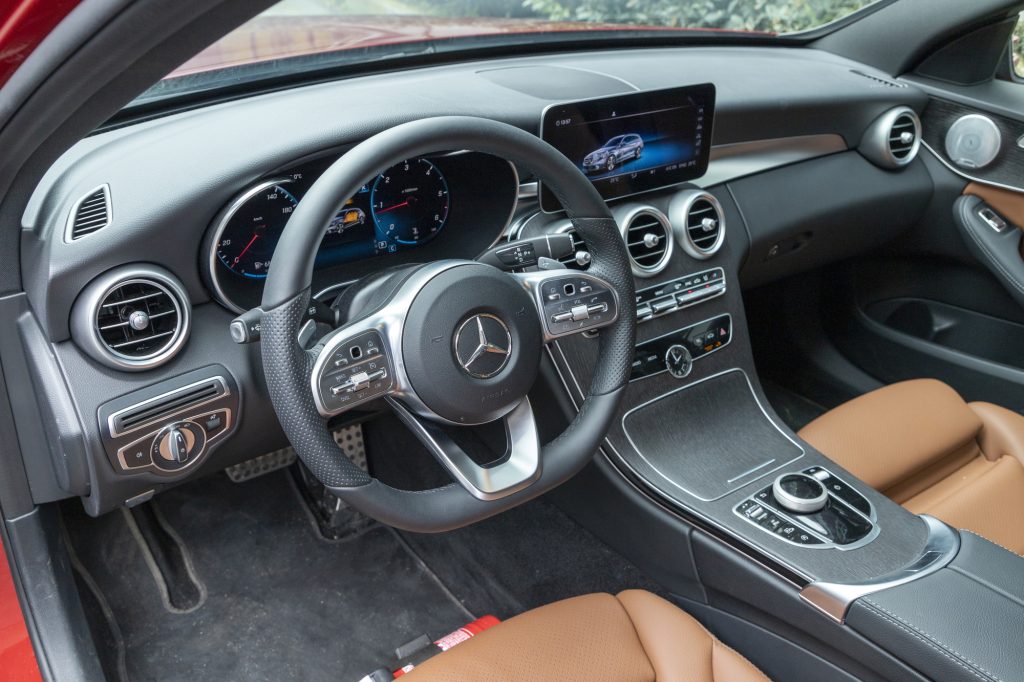
Mercedes-Benz, a brand synonymous with luxury and engineering precision, has started to embrace a dramatic change in driving ergonomics: the steering yoke. Traditionally seen in aviation or futuristic concept cars, the steering yoke is making its way into production vehicles, radically transforming the way drivers interact with their cars. This article dives into 10 eye-opening facts that prove the German automaker is not just testing yokes but investing in them with purpose and vision.
Inspired by Formula 1 Precision

Mercedes-AMG’s racing pedigree directly influences the design of its yoke-style controls. With F1 drivers relying on yoke-shaped wheels for ultimate grip and control, it was only a matter of time before that philosophy filtered into the street lineup. Mercedes wants everyday drivers to experience that same tactile connection to performance.
First Seen in Vision AVTR Concept

Mercedes made a bold statement with the futuristic Vision AVTR concept, ditching the traditional wheel altogether. The yoke interface responded to hand gestures and touch, hinting at a world where driving is intuitive and deeply immersive. This concept wasn’t just for show, it previewed how the company might approach next-gen vehicle control.
Integrated Touchscreens and Feedback

Modern Mercedes yokes aren’t just reshaped steering wheels, they incorporate advanced touch-sensitive surfaces. Drivers can adjust key settings, navigate infotainment menus, and receive haptic feedback, all without removing their hands. This blend of safety and sophistication showcases the company’s commitment to seamless driver interaction.
Custom-Tuned for Electric Vehicles

Mercedes’ push toward electric mobility includes adapting yoke systems for EV-specific dynamics. The yoke enhances digital steering responsiveness in models like the EQ series, where traditional mechanics give way to precision electronics. It reinforces the futuristic appeal and performance identity of electric Mercedes models.
Related: 12 Sneaky Ways Car Payments Are Getting Higher And How Smart Drivers Are Fighting Back
Adjustable Steering Ratios Support Yoke Design

Traditional steering wheels require full rotations, but Mercedes’ steer-by-wire systems change that rule. With variable steering ratios, the yoke only needs minimal movement to make significant directional changes. This makes tight turns, parking, and high-speed driving more intuitive than ever before.
Related: 15 AI Secrets That Could Make EV Battery Degradation A Thing Of The Past
Tested Extensively in Driving Simulations

Before integrating yokes into real-world vehicles, Mercedes ran thousands of hours of virtual simulations. Engineers tested reaction times, hand positioning, and emergency maneuvers to ensure safety wasn’t compromised. The result is a yoke that responds with confidence, even in unpredictable conditions.
Related: 14 Jaw-Dropping Ways Used EVs Are Outperforming Gas Cars In 2025
Feedback from Pilots and Gamers Influenced Design

Mercedes took inspiration from unlikely sources: aviation professionals and professional gamers. Their feedback helped shape the yoke’s responsiveness and ergonomic layout, balancing control with comfort. This interdisciplinary design philosophy adds a modern edge to the brand’s driving experience.
Related: 12 Alarming Signs The Trucking Industry Is Headed For Disaster Sooner Than You Think
Enables Advanced Driver Assistance Integration

Mercedes’ yoke designs are built to work hand-in-hand with semi-autonomous features like lane keep assist and adaptive cruise control. The yoke allows for smoother transitions between manual and automated driving. It’s not just about changing how you steer, it’s about reshaping your role as the driver.
Related: How Trade Wars And Tariffs Are Reshaping The Motorcycle Scene In The US
Expected to Appear in Future Flagship Models

Mercedes has already teased the inclusion of yokes in upcoming high-end models beyond concept cars. Flagships in the S-Class or AMG GT lineup may feature production-ready yokes optimized for road use. This shift signals the company’s readiness to redefine driving luxury for a new era.
Related: The Influence Of Motorcycle Clubs On American Biker Culture Over The Decades
Embedded Safety Sensors for Better Monitoring

Yoke-equipped models feature integrated sensors that track hand placement, pressure, and grip. These help ensure drivers remain attentive, triggering alerts if the hands leave the control area. It adds another layer of accountability and accident prevention to the overall driving experience.
Related: How Social Media Is Transforming Motorcycle Culture And Bringing Riders Together
Mercedes-Benz has never been afraid to challenge convention, and the steering yoke is its latest frontier. From motorsport inspiration to digital-first execution, this evolution in vehicle control offers more than just a stylistic change, it transforms the entire driving experience. With careful engineering, user-focused innovation, and a firm eye on the future, Mercedes is steering boldly into a new era.
Disclaimer: This list is solely the author’s opinion based on research and publicly available information.
15 Times Mercedes-Benz Proved They Were The Best In The Business
Few automakers command the same level of respect, prestige, and admiration as Mercedes-Benz. For over a century, they’ve led the industry in engineering, luxury, and innovation. Whether it’s groundbreaking safety technology, motorsport dominance, or iconic luxury sedans, Mercedes-Benz has continually set the gold standard for excellence. Here are 15 moments when they proved they were the best in the business.
Read it here: 15 Times Mercedes-Benz Proved They Were The Best In The Business
10 Times BMW And Mercedes Battled For The Luxury Crown
The rivalry between BMW and Mercedes-Benz is the kind of luxury showdown that car enthusiasts dream about. For decades, these two automotive giants have traded blows, pushing boundaries in performance, technology, and prestige. With every model release or motorsport win, the stakes grow higher as they compete to dominate the hearts of premium car lovers. Here are 10 unforgettable moments when BMW and Mercedes locked horns in the ultimate luxury duel.
Read it here: 10 Times BMW And Mercedes Battled For The Luxury Crown
12 Ways This Mercedes Electric Van Is Ready To Conquer The Roads And Beyond
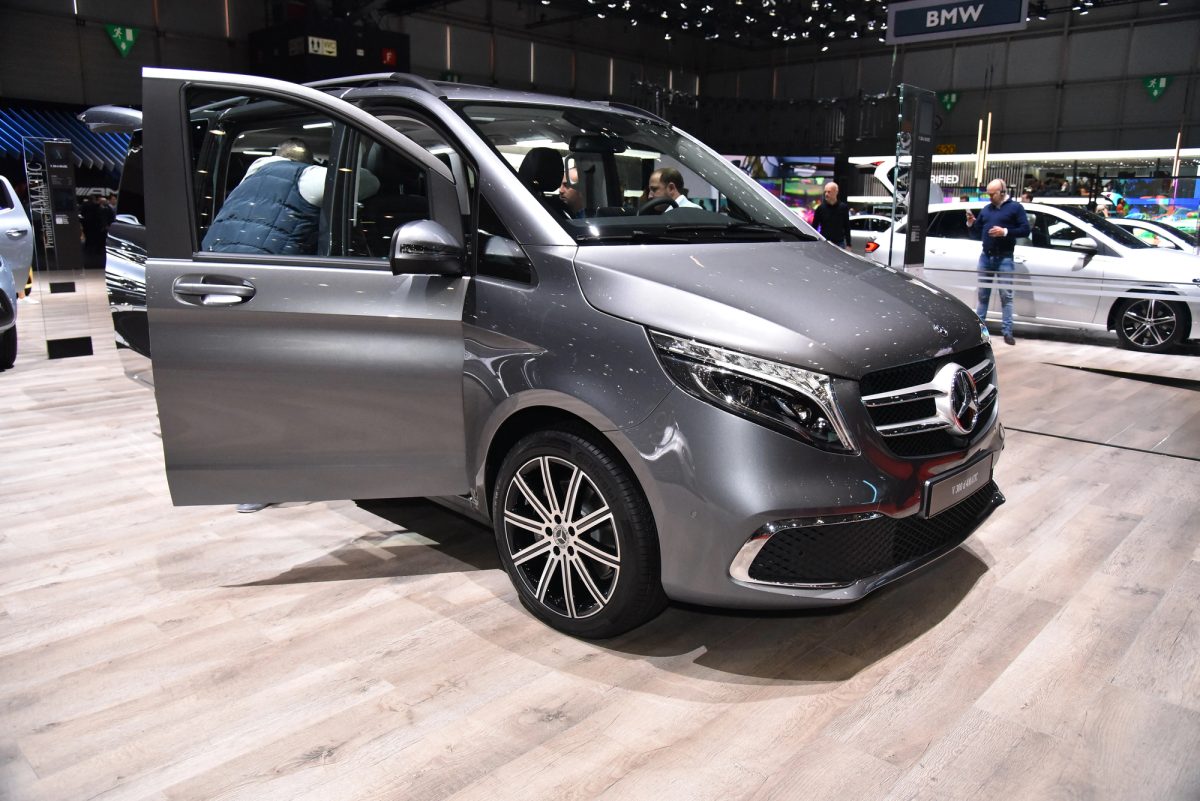
Mercedes has stepped into the electric van arena with a bold new offering that combines cutting-edge innovation, sustainability, and legendary German engineering. This new electric van isn’t just about getting from point A to B, it’s about transforming how we think of utility, performance, and design in the EV market. With a perfect blend of luxury and functionality, it’s engineered to handle city streets, rugged terrain, and everything in between. Here are 12 ways this Mercedes electric van is truly ready to conquer the roads, and beyond.
Read it here: 12 Ways This Mercedes Electric Van Is Ready To Conquer The Roads And Beyond
You’ll love these related posts:
- 11 Hidden Gem Islands In Europe You Can Drive To In A Campervan
- 12 Game-Changing Features In Ford’s EV Gear Shifter That Will Make You Rethink Electric Cars
- 14 New Electric Cars You Need To Know About In 2025
- 15 Insanely Complicated Cars That Mechanics Avoid
- How Honda Engineered Some Of The Fastest Cars In Racing History