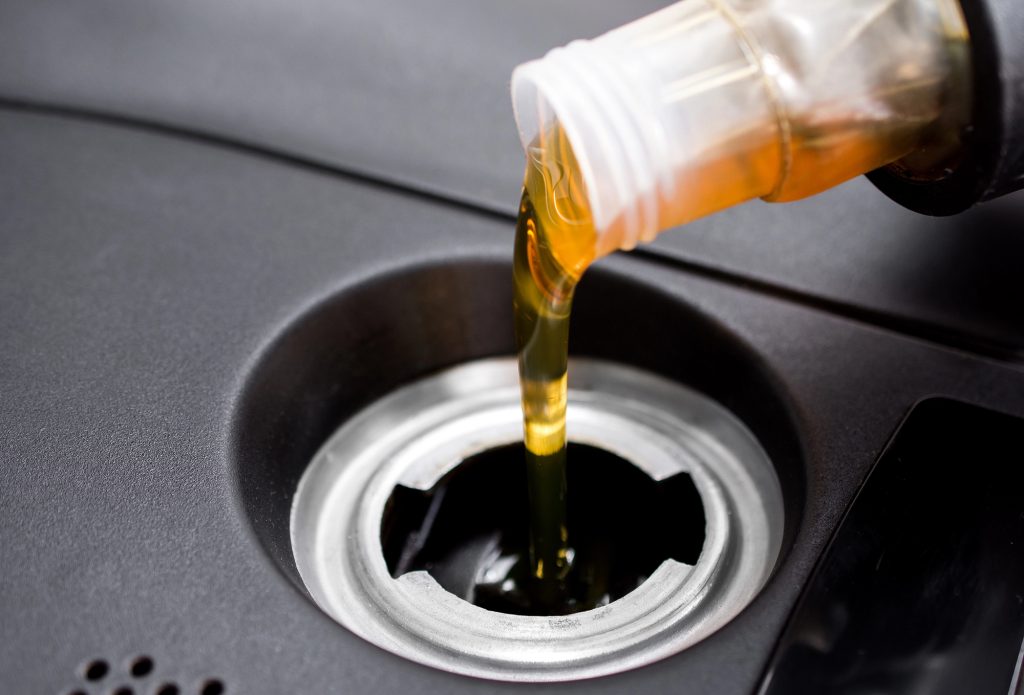
Choosing the right engine oil grade isn’t just a matter of preference, it’s a decision that directly affects the health, performance, and longevity of your vehicle. The changing seasons and varying climates can have a profound impact on your engine’s needs, making it essential to understand how oil grades work and why one type may be better than another, depending on the environment. These 12 tips will guide you in selecting the right oil grade for any season or climate so your engine runs like a dream all year long.
Understand What Oil Grades Mean

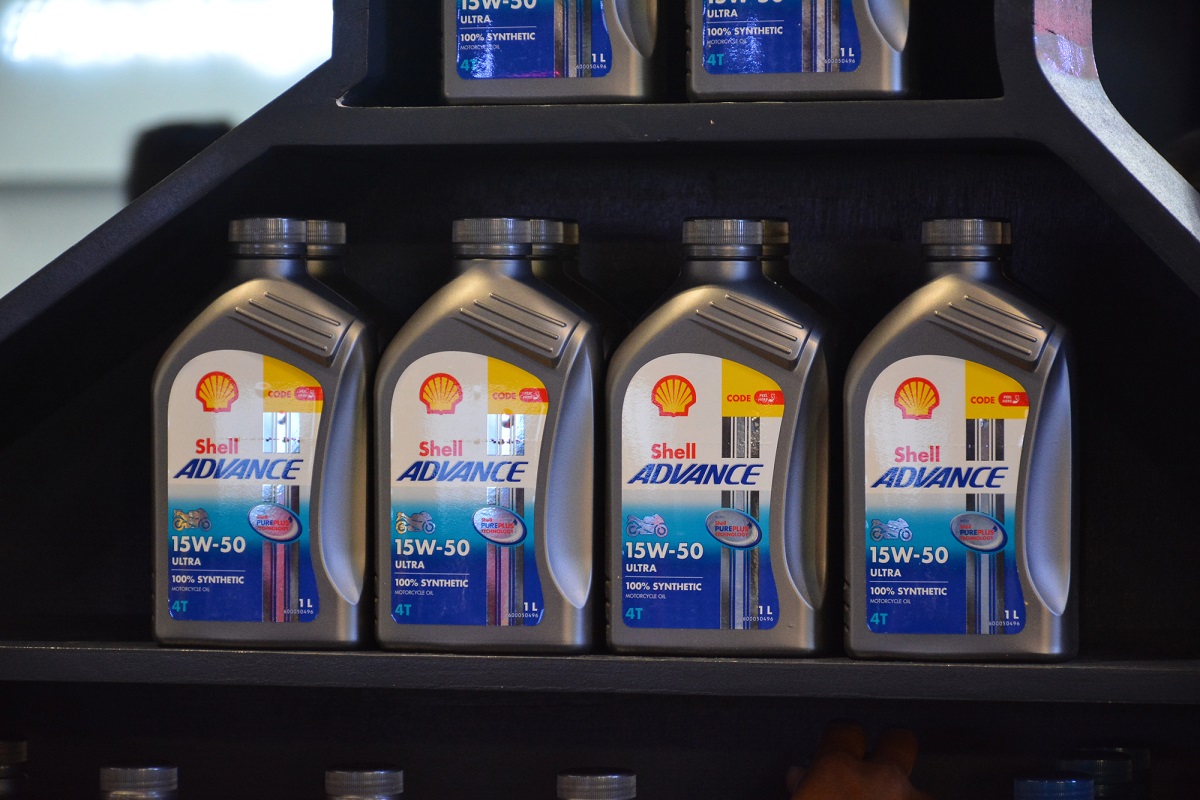
Oil grades like 5W-30 or 10W-40 indicate the viscosity level at both cold and hot temperatures. The first number with a ‘W’ shows how well the oil flows in winter, while the second number reflects its thickness at engine-operating temperature. Understanding these numbers is crucial to matching your oil to the conditions you drive in.
Opt for Thicker Oil in Hotter Climates

In warmer regions, a higher second number, like 40 or 50, ensures your oil maintains proper viscosity under heat and pressure. This prevents the oil from becoming too thin and failing to provide the protection your engine needs when temperatures soar. It also helps reduce evaporation and oil breakdown in intense heat.
Follow Your Manufacturer’s Specifications
Your vehicle’s manual contains the ideal oil grade designed by engineers for optimal performance. These recommendations take into account the engine’s design, clearances, and expected driving conditions. Deviating from this advice can lead to reduced fuel efficiency or even engine damage over time.
Check Your Local Climate Patterns

Regularly driving in areas with fluctuating or extreme temperatures requires an oil grade that can adapt. Choosing an oil with a wide temperature range rating, like 0W-40, ensures consistent engine performance whether it’s scorching hot or bitterly cold. Always factor in your environment before making a decision.
Related: 12 Legendary Garage Sales Where Car Lovers Strike Gold
Watch for High-Mileage Engine Needs

Older engines may benefit from oils specifically formulated for high mileage, which often contain conditioners to help protect worn seals. These oils can be slightly thicker, offering added protection to aging engine components. They help reduce oil burning and extend the engine’s life.
Related: 14 Wild Innovations Automakers Are Adding For Full-Time Van Life
Seasonal Oil Changes May Still Be Necessary
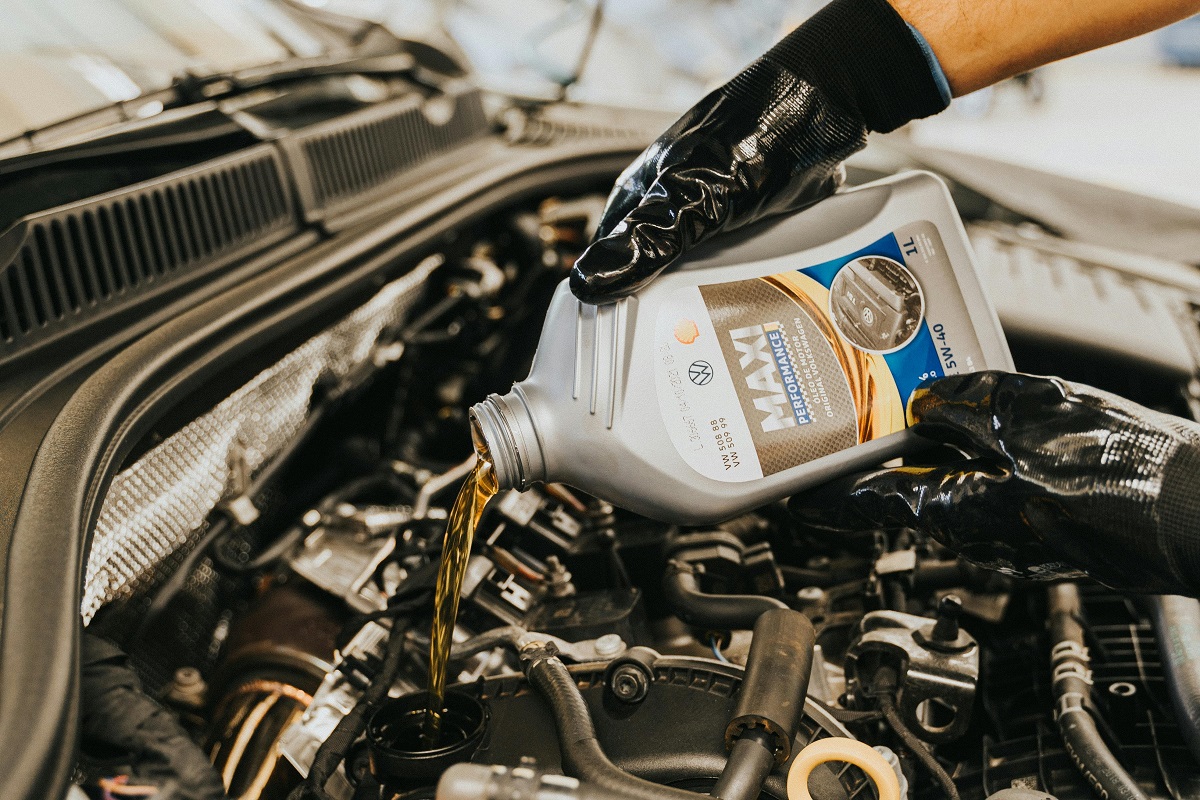
Even with modern oils, some drivers choose different grades for summer and winter to optimize performance. For instance, switching from 5W-30 in winter to 10W-40 in summer can help maintain ideal lubrication year-round. This is especially useful in areas with extreme seasonal swings.
Related: 14 Surprising Factors Driving The Revival Of Dune Buggies And Beach Cruisers
Pay Attention to Oil Certification Labels
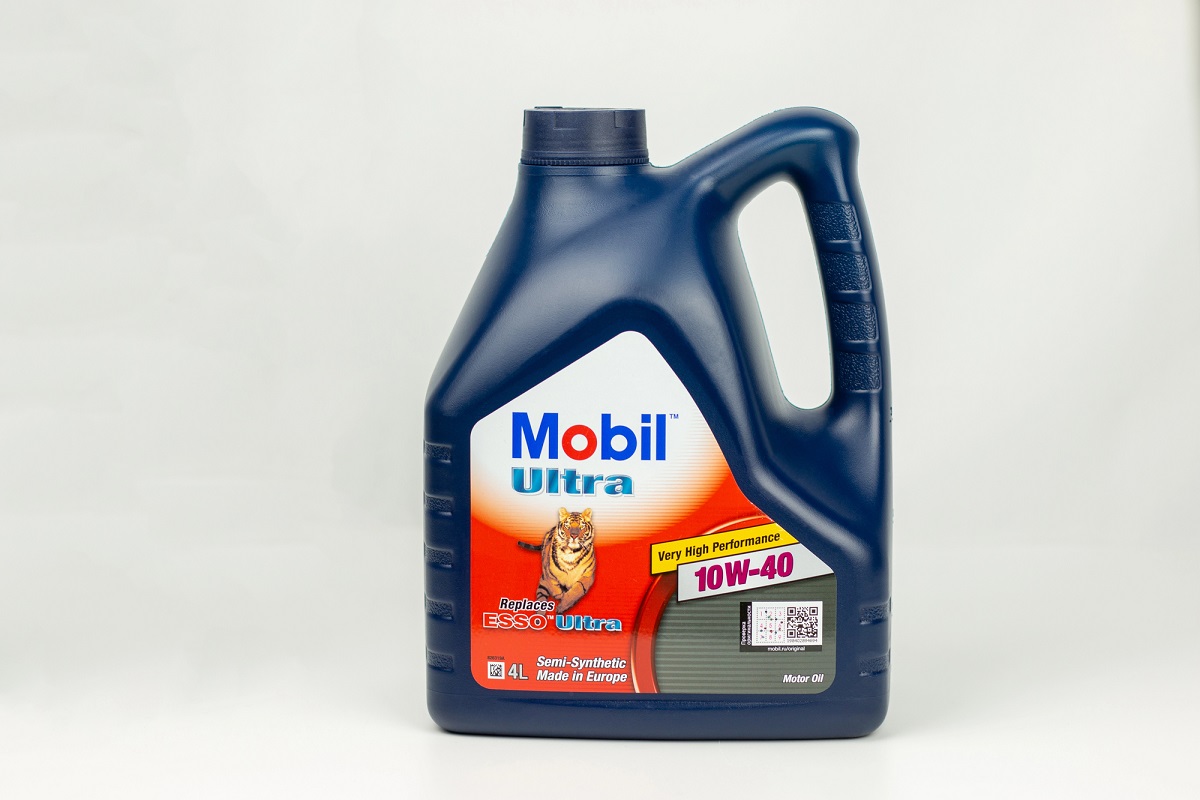
Look for oil that meets standards set by the API (American Petroleum Institute) or ILSAC (International Lubricant Standardization and Approval Committee). These labels ensure the oil meets modern engine requirements and performs reliably in a range of climates. It’s your safety net against subpar or outdated oil formulas.
Related: 15 Luxury Cars With Cabins So Quiet You’ll Think You’re In A Private Jet
Turbocharged Engines Need Special Attention

Turbocharged engines operate under much higher pressure and temperature, often spinning at over 100,000 RPM. These extreme conditions demand oil with strong thermal stability and shear resistance, typically found in fully synthetic formulations. Failing to use the right oil can cause turbo failure, increase carbon buildup, or reduce the lifespan of vital engine parts.
Related: 13 Jaw-Dropping Ways Autonomous VIP Limos Are Replacing Chauffeurs
Don’t Forget About Altitude

Higher altitudes mean thinner air, which affects air-fuel mixture, combustion, and oil temperature regulation. In these conditions, your engine may run hotter, and oil may oxidize faster, especially under load or during mountain driving. Selecting oil that remains stable and offers consistent protection in these challenging conditions ensures your engine isn’t stressed by the altitude changes.
Related: 13 Insane Ways Smart Headlights Are Outpacing Smartphones
Stay Within Warranty Guidelines

Ignoring oil specifications can void warranties, especially with newer cars that have strict service intervals and oil type requirements. Manufacturers may demand a certain viscosity or synthetic type that matches internal tolerances and emission standards. Keeping documentation of oil changes with the proper grade helps ensure you’re covered in case of a claim or engine issue.
Related: 12 Mind-Blowing AI Systems That Might Eliminate 90% Of Accidents
Use a Trusted Brand

Reputable oil brands invest in extensive testing and quality control, ensuring their oils meet or exceed industry standards like API SN or SP. Off-brand or unverified oils may cut corners, offering inconsistent viscosity or insufficient additives, which can damage modern engines. Using a trusted brand means peace of mind and the assurance that your engine is getting the protection it deserves.
Related: 15 Shocking Facts About Anti-Theft License Plates That Could Save Your Car
Monitor Oil Performance Year-Round

Regularly check your oil’s color, texture, and level to catch signs of degradation, contamination, or leaks early. Seasonal shifts can affect how quickly oil degrades or thickens, so adapting maintenance frequency to climate changes is wise. An alert driver who monitors oil regularly can often prevent major engine failures with a simple, inexpensive fix.
Related: 15 Hidden Truths About Pay Per Mile Car Insurance You Need to Know
Choosing the perfect engine oil grade isn’t just about avoiding engine trouble; it’s about optimizing your vehicle’s performance and protecting your investment, no matter where or when you drive. Whether you face sweltering summers, icy winters, or both, knowing how to match oil grade to your climate ensures your engine stays lubricated, efficient, and reliable. Don’t just pour in any oil; make it count for every mile and every season.
Disclaimer: This list is solely the author’s opinion based on research and publicly available information.
Car Experts Swear By This 12 Spring Maintenance Hack For A Smoother, Safer Ride

Spring is the perfect time to give your vehicle the care it needs after enduring the harsh conditions of winter. Seasonal maintenance ensures your car runs efficiently, prevents costly breakdowns, and enhances overall safety. Taking a proactive approach to vehicle upkeep can improve performance, fuel efficiency, and longevity. Whether you’re a seasoned driver or a car enthusiast, knowing the right maintenance steps can save you time and money in the long run.
Read it here: Car Experts Swear By This 12 Spring Maintenance Hack For A Smoother, Safer Ride
11 Cars That Could Ruin Your Wallet With Transmission Issues

A car’s transmission is like its heartbeat; if it starts failing, the entire vehicle suffers. And when transmission problems hit, the cost isn’t just emotional, it’s financial. Replacing or repairing a faulty transmission can easily cost thousands, making it one of the most expensive repairs a car owner might face. Some vehicles have a track record of recurring transmission troubles that continue to plague drivers long after purchase. Here are 11 cars known for transmission issues that could leave your wallet in serious pain.
Read it here: 11 Cars That Could Ruin Your Wallet With Transmission Issues
15 Deadly Engine Cleaning Errors You Can’t Afford To Make

Cleaning your car’s engine is an essential task to maintain its performance and appearance. However, it’s easy to make mistakes during the process that can lead to serious damage. Many drivers overlook critical details, such as using the wrong products, damaging sensitive components, or failing to protect vital parts. Understanding the proper techniques and avoiding common errors can help ensure the safety and longevity of your engine. To help you steer clear of costly mistakes, here are 15 deadly engine cleaning errors you need to avoid at all costs.
Read it here: 15 Deadly Engine Cleaning Errors You Can’t Afford To Make
You’ll love these related posts:
- 14 Game-Changing Reasons Your Next Car Purchase Might Happen in the Metaverse
- 14 Mind-Blowing Reasons Car Makers Are Turning Ocean Trash Into Luxury Interiors
- 13 Shocking Reasons Classic 4x4s Are More Popular Than Ever
- 13 Car Batteries That Last Forever
- 15 Ways Social Media Is Secretly Influencing Your Next Car Purchase