Tire wear isn’t just about how far you drive or the type of roads you travel on, it’s deeply influenced by your day-to-day driving habits. Small, repeated actions behind the wheel may be silently reducing the life of your tires without you ever noticing. Many drivers are unaware that these routine behaviors could lead to serious performance issues, safety risks, or costly replacements. By understanding these often-overlooked contributors, you can take simple steps to protect your tires, improve your vehicle’s handling, and avoid avoidable expenses.
Hard Braking
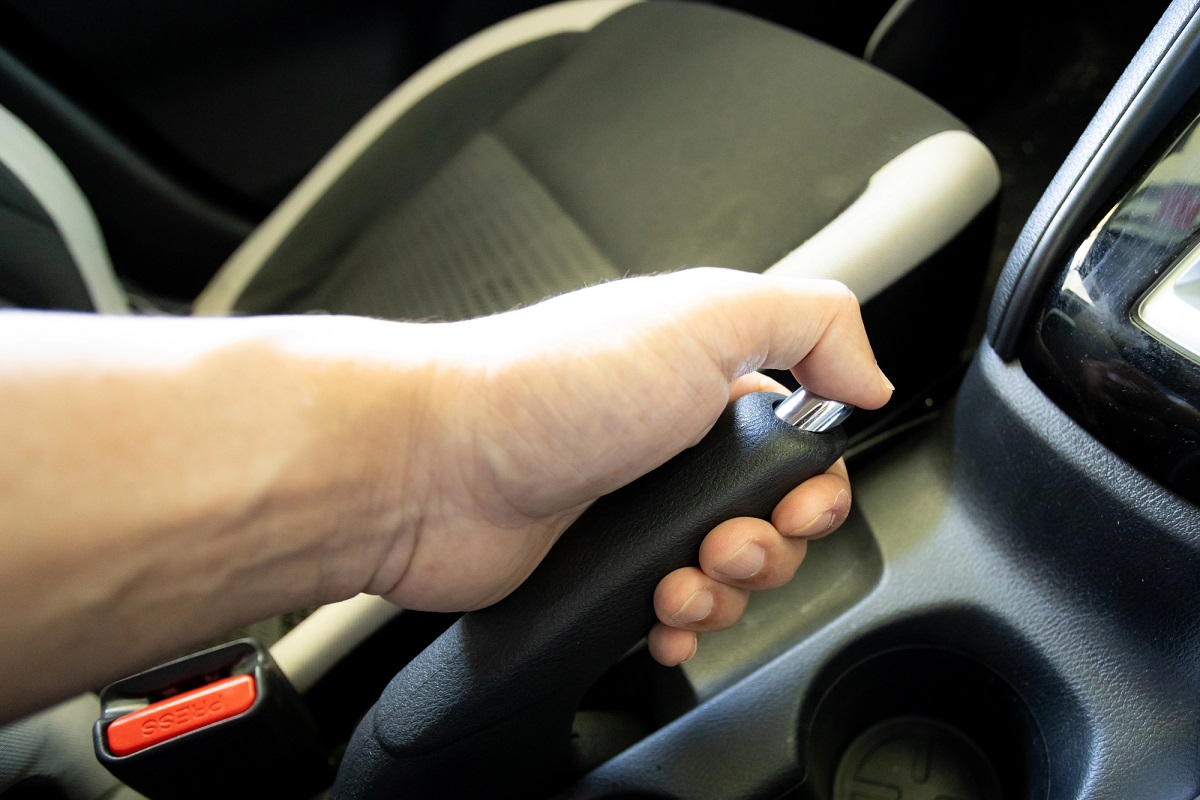
Slamming on the brakes frequently sends intense and sudden force directly through the tire’s surface, especially at high speeds. This repeated stress leads to uneven tread wear, potential flat spots, and in some cases, hidden structural damage. Over time, your tires become less responsive, especially in emergencies, putting you at risk of skidding or loss of control.
Ignoring Tire Pressure

Incorrect tire pressure changes the shape of the tire’s contact patch, leading to unusual stress on specific areas. Over time, underinflation causes outer edges to wear quickly, while overinflation leads to premature center tread loss. It also increases rolling resistance, reduces fuel economy, and raises the risk of tire failure.
Rough Road Habits

Driving aggressively on damaged or gravel roads exposes your tires to harsh impacts, leading to cracks, bulges, or sidewall damage. Each hit against a pothole or curb chips away at the internal structure, weakening it from within. Continued neglect can also throw your alignment off, compounding tire problems further.
Driving with Misaligned Wheels

Wheel misalignment forces your tires into unnatural contact angles with the road, creating uneven friction across the tread. You’ll notice one side wearing much faster than the other, leading to imbalance and pulling while steering. Regular alignment checks ensure smoother drives and maximize tire longevity.
Related: These 15 Deadly Roadside Dangers Put Truckers At Risk Every Day
Frequent Stop-and-Go Traffic

Constant braking and acceleration in city traffic heat your tires rapidly, softening the rubber compound. This ongoing thermal expansion and contraction shortens the tire’s durability and leads to faster wear. Even short daily commutes can become harmful without driving awareness in congested areas.
Related: Women In Trucking Are Breaking Stereotypes And Changing The Industry
Failing to Rotate Tires

Tires wear differently depending on their position due to steering force, weight distribution, and drivetrain layout. Skipping rotations leads to uneven aging, where some tires reach the wear bar much faster than others. By rotating every 5,000–8,000 miles, you extend performance and safety across all four wheels.
Related: Make Your Truck Feel Like Home With These 12 Game Changing Hacks
Using the Wrong Tires for Conditions

Using summer tires in winter or off-road tires on highways makes them degrade faster due to friction mismatch. The rubber composition and tread design may not be suitable for your environment, causing sliding and accelerated wear. Matching your tire type to the season and terrain is essential for longevity and safety.
Related: How Truckers Can Manage Their Money And Keep More Cash In Their Pocket
Aggressive Driving Style

Quick lane changes, harsh acceleration, and tailgating mean your tires are under constant directional and pressure stress. These maneuvers heat your tires, reduce tread grip, and accelerate edge wear. Adopting a calmer approach saves fuel, improves tire life, and enhances overall driving comfort.
Related: Truckers Swear These Are The Best GPS Systems In 2025
Skipping Regular Tire Inspections

Tiny embedded objects like nails, screws, or shards can cause slow leaks and uneven pressure loss that quietly destroys tires. Without checking, you risk driving with a compromised structure that worsens over time. Visual inspections every few weeks help catch issues early before they become expensive problems.
Related: Skipping This Post Winter Car Checkup Could Cost You Thousands
Using Cheap or Repaired Tires

Budget tires may lack the durability or structural reinforcement needed for daily driving, leading to quicker wear. Similarly, improperly patched or retreaded tires are vulnerable to separation and blowouts. Investing in reputable brands ensures quality control and extends the lifespan under normal driving conditions.
Related: The Best Spring Deals You Can’t Afford To Miss With Dropping Car Prices
Ignoring Road Debris
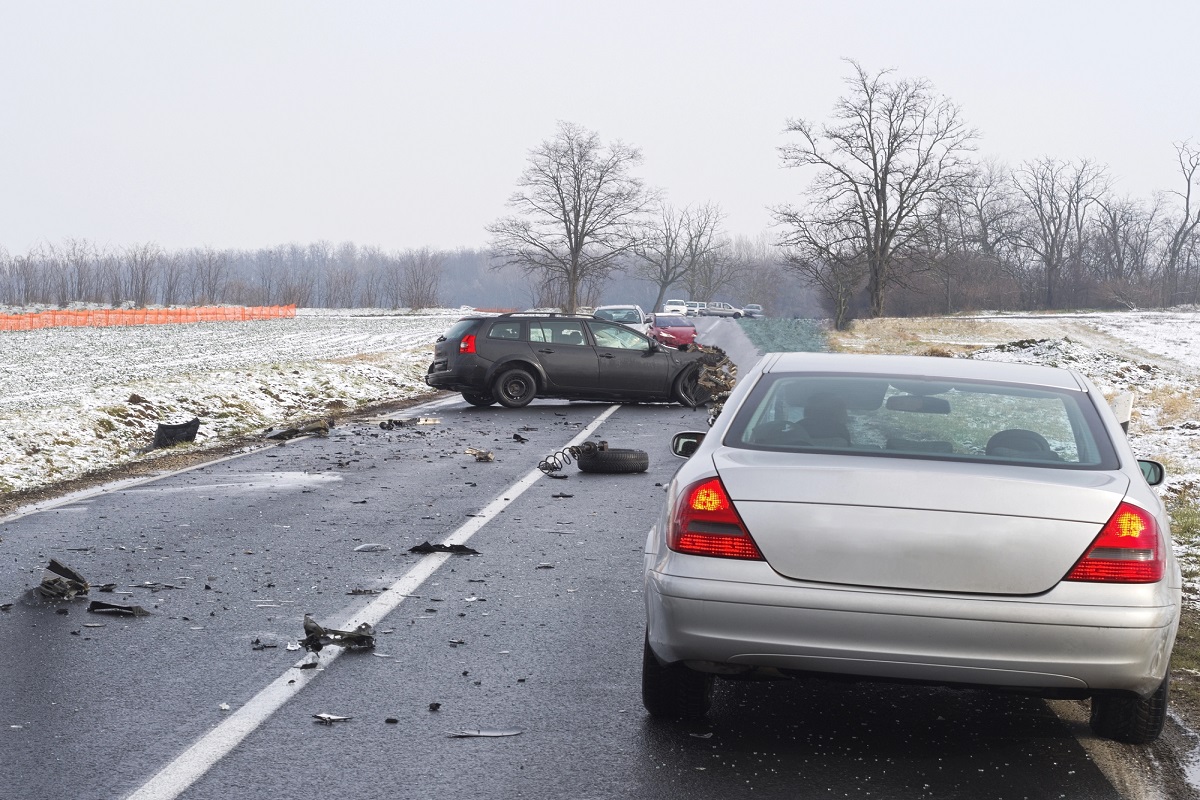
Running over trash, stones, or road construction leftovers chips away at the tire’s outer layer and can puncture its integrity. Even small objects lodged in the tread cause imbalances, increased friction, and eventual failure. Staying alert to road conditions helps you avoid avoidable damage and costly replacements.
Related: The Essential Spring Break Road Trip Checklist Every Driver Needs
Your tires do far more than support your vehicle, they act as the foundation of your safety, control, and comfort on the road. The way you drive plays a powerful role in how long they last, how well they perform, and how much money you’ll eventually spend. Ignoring these seemingly small factors can lead to bigger problems that extend beyond your tires to other parts of your car. Becoming more mindful behind the wheel today is one of the smartest ways to protect your ride, your wallet, and your peace of mind.
Disclaimer: This list is solely the author’s opinion based on research and publicly available information.
13 Common Tire Pressure Habits That Are Quietly Costing You Safety And Fuel

Tire pressure might seem like a small detail, but ignoring it can have serious consequences for your vehicle and your wallet. Many drivers develop bad habits when it comes to tire maintenance, often without realizing the long-term damage they cause. From premature tire wear to decreased fuel efficiency, poor pressure habits silently undermine your car’s performance. Learning the most common mistakes and how to fix them is key to staying safe and saving money on the road.
Read it here: 13 Common Tire Pressure Habits That Are Quietly Costing You Safety And Fuel
11 Surprising Ways Tire Pressure Affects Your Fuel Efficiency That You Never Knew
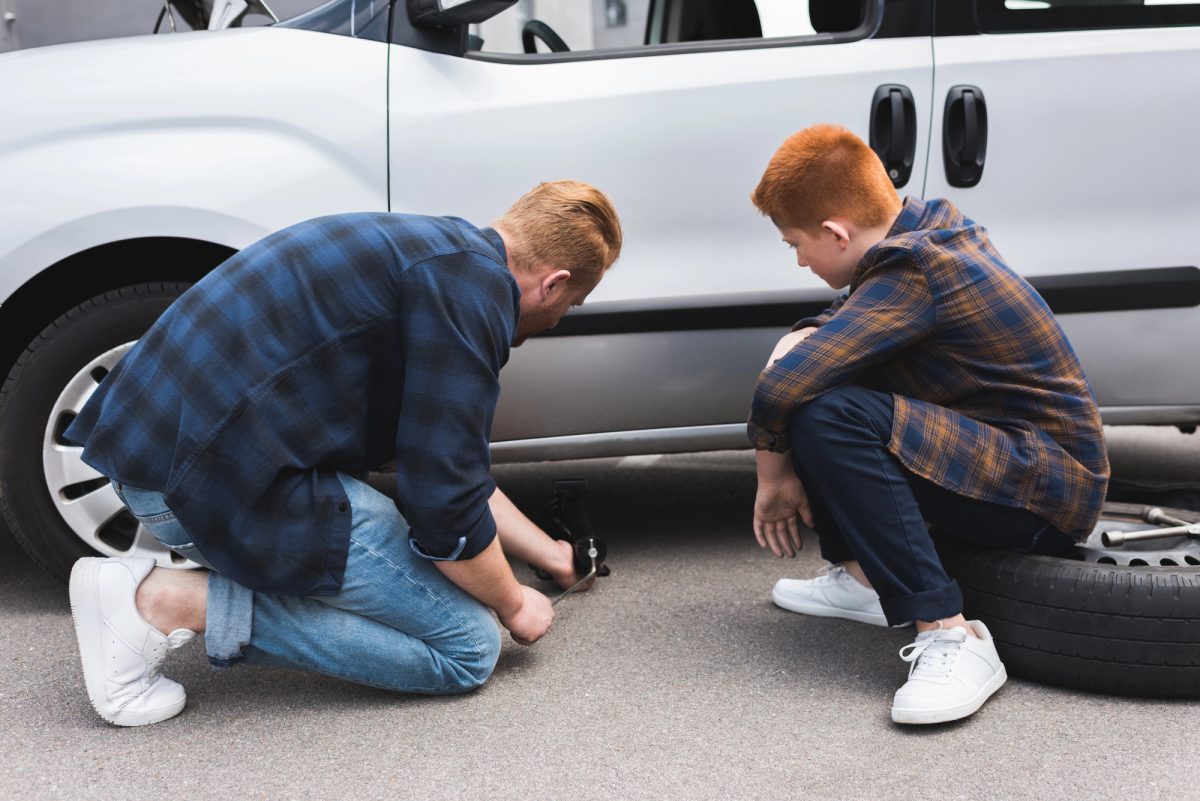
Most drivers know that tire pressure matters, but few realize just how much it impacts fuel efficiency daily. Even slight underinflation or overinflation can change how your car grips the road, how much energy it uses, and how quickly it wears down your tires. Properly managing your tire pressure doesn’t just extend the life of your tires; it can save you hundreds of dollars a year in fuel costs. Let’s dive into 11 surprising ways tire pressure directly affects your gas mileage, often in ways you never imagined.
Read it here: 11 Surprising Ways Tire Pressure Affects Your Fuel Efficiency That You Never Knew
14 Surprising Reasons Your Next Set Of Tires Might Be 100% Vegan
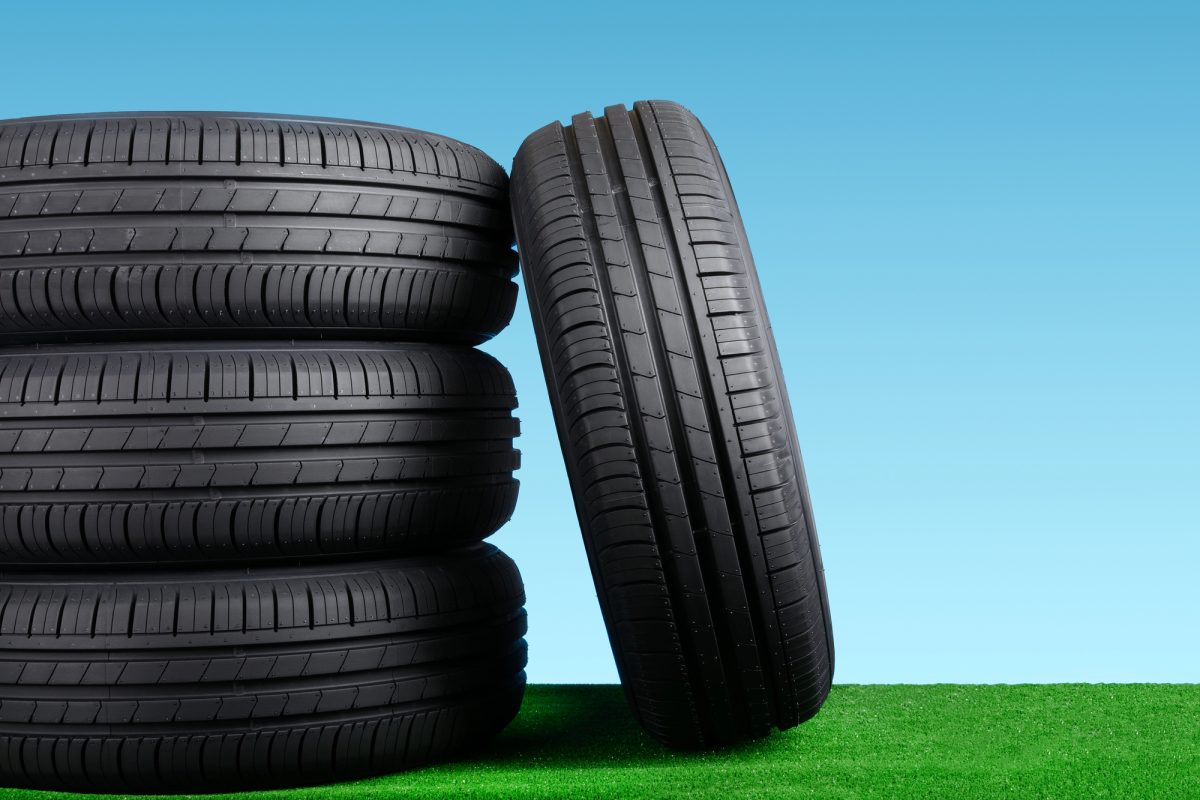
The tire industry is undergoing a major transformation, with manufacturers exploring sustainable, plant-based materials to replace traditional petroleum and animal-derived components. Vegan tires are emerging as an innovative solution to environmental concerns, offering durability, performance, and ethical production. As consumer demand for cruelty-free and eco-friendly products rises, leading tire companies are investing in research and development to make fully vegan tires a reality.
Read it here: 14 Surprising Reasons Your Next Set Of Tires Might Be 100% Vegan
You’ll love these related posts:
- 12 JDM Legends Gaining Value Fast This Spring Before They Become Unaffordable
- 12 Cars That Went Full Throttle In Canadian Road Movies
- 12 Costly Uber Slipups Parents Make Every Spring When Traveling with Kids
- These 13 Denton Junkyard Finds Looked Like Scrap Until Their Real Value Was Revealed”
- 11 Tesla Cyber Van Robo Taxi Details That Are Raising Serious Questions