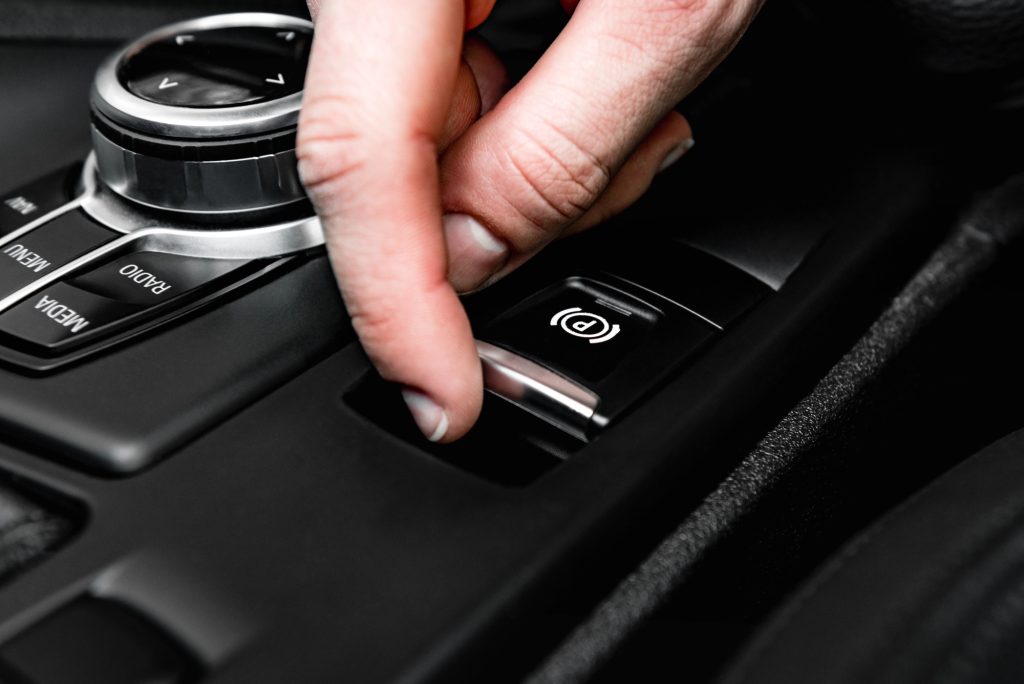
Handbrakes once symbolized a direct connection between driver and machine, but modern innovations have quickly pushed them toward extinction. New technologies have replaced the traditional lever with systems that are cleaner, safer, and far more sophisticated. From automated electronic parking brakes to advanced driver assist features, the transformation has been swift and irreversible. Here are the 10 biggest changes that reshaped car braking forever.
Increasing Popularity of SUVs and Crossovers
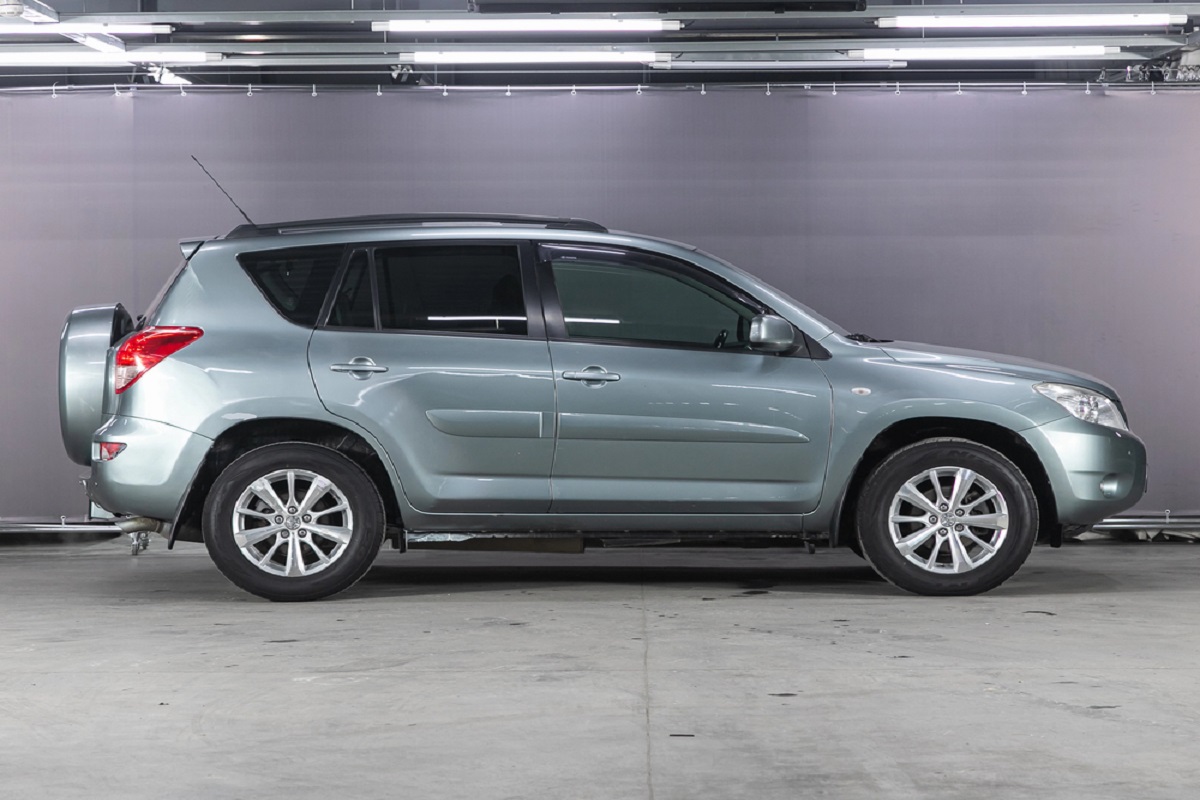
SUVs and crossovers dominate today’s market, and their designs often prioritize cabin space and convenience. Without a handbrake lever taking up space, automakers can offer larger cupholders, wider armrests, and bigger storage areas. This shift in vehicle preference helped seal the fate of the manual handbrake.
New Consumer Expectations

Today’s car buyers expect high-tech, seamless experiences in every aspect of their vehicles. The clunky, mechanical handbrake felt old-fashioned next to touchscreens, voice assistants, and wireless tech. Consumer demand for modernization made electronic options not just preferable, but expected.
Standardization Across Global Markets
Globalized car platforms require standardized components that meet the widest range of regulations and preferences. Electronic parking brakes can be easily adapted for different regions, unlike mechanical handbrakes, which vary in placement and design. Global standardization helped speed their decline.
Enhanced Safety Standards

Modern safety regulations favor redundant and electronically controlled systems that traditional handbrakes can’t always meet. Electronic parking brakes offer stronger, more consistent clamping force and automatic engagement during emergencies. This helped push mechanical systems toward retirement.
Related: 12 Car Market Shifts That Could Cost You Big This Spring
Rising Demand for Autonomous Driving Tech
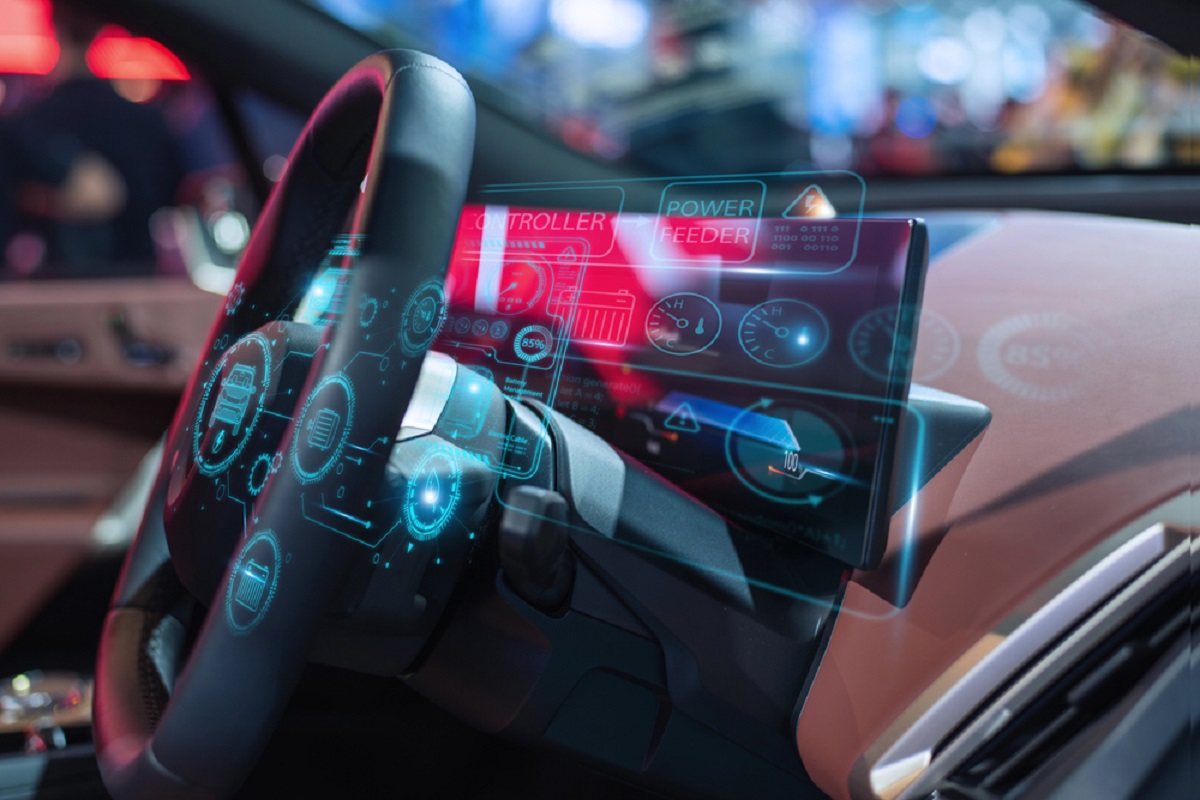
As vehicles move toward semi-autonomous and fully autonomous systems, manual controls like traditional handbrakes are becoming irrelevant. Autonomous features require centralized computer control over all vehicle functions. Eliminating manual levers is another step toward full automation.
Related: 11 Hidden Ways Car Air Purifiers Protect Your Health And Boost Comfort
Higher Production Costs of Manual Systems
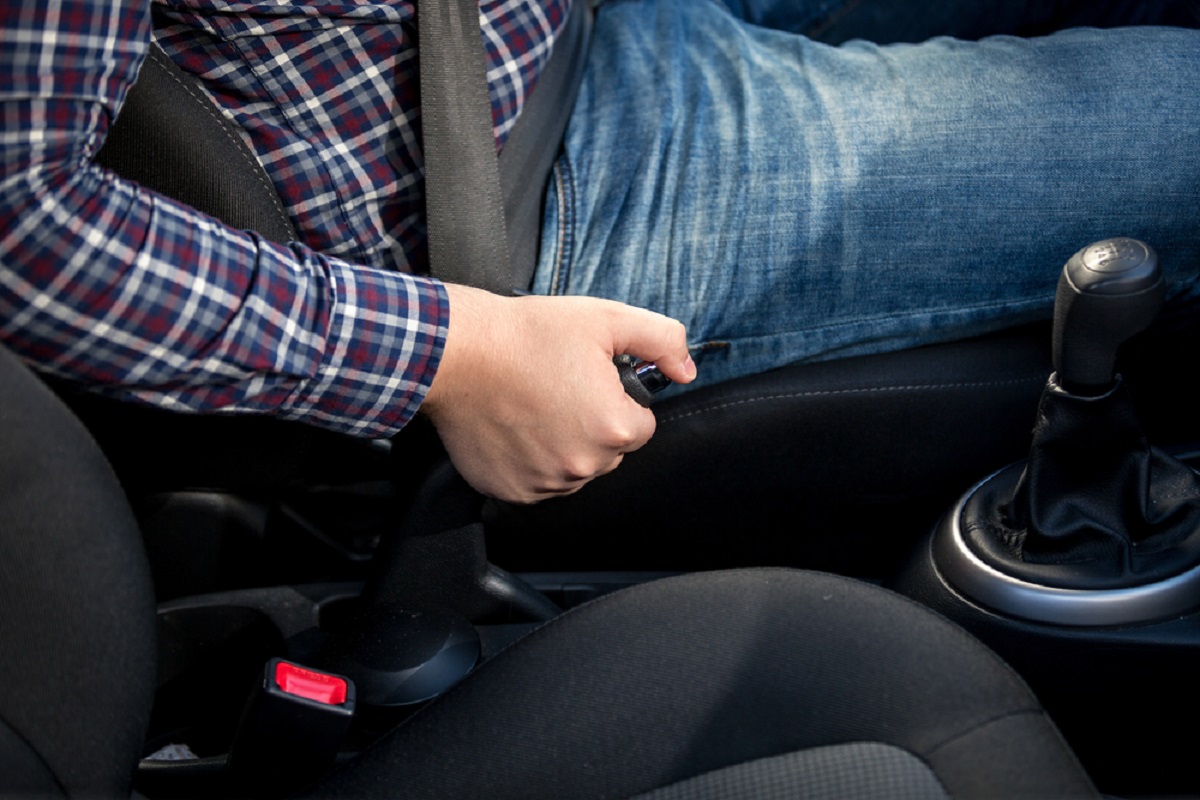
Producing a mechanical handbrake system involves complex cables, pulleys, and mounting brackets. These parts add cost and assembly time compared to a simple electronic module. Manufacturers looking to save on production found that ditching the handbrake made solid financial sense.
Related: These 10 Dodge Charger Upgrades Are Flipping The Muscle Car Rulebook
Increased Focus on Ergonomics
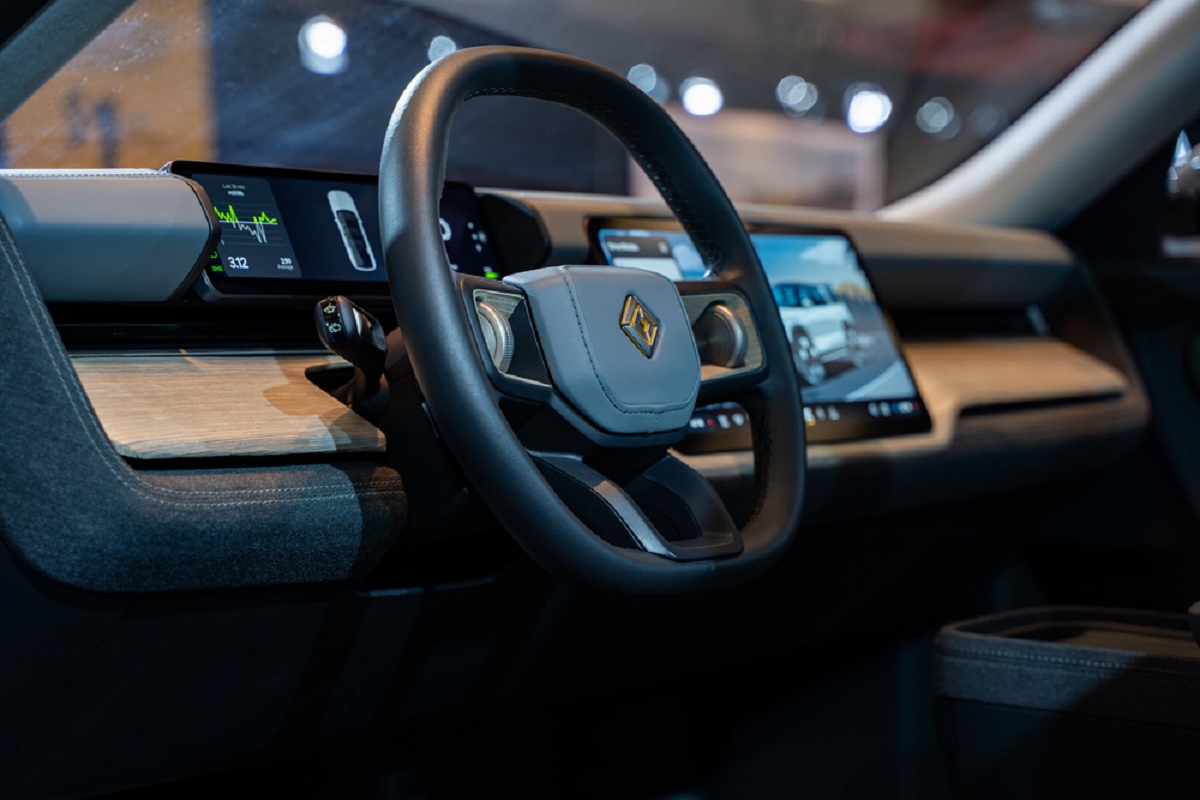
Car manufacturers are putting more effort into designing cabins that are comfortable and intuitive to use. Traditional handbrakes required awkward pulling and leverage, which isn’t ideal for all drivers. Electronic systems offer easier access with minimal effort, appealing to a wider range of users.
Related: 10 Car Models That Trigger Deep Nostalgia And What It Means
Integration with Driver Assistance Systems

Modern cars integrate parking brakes into wider driver assistance systems like automatic parking or emergency braking. These complex features work best when the vehicle can control every braking function electronically. As driver assist tech evolved, manual handbrakes no longer fit the equation.
Related: 10 Alarming Consequences Of Improper Car Disposal For Our Planet
Shift Toward Electric and Hybrid Vehicles
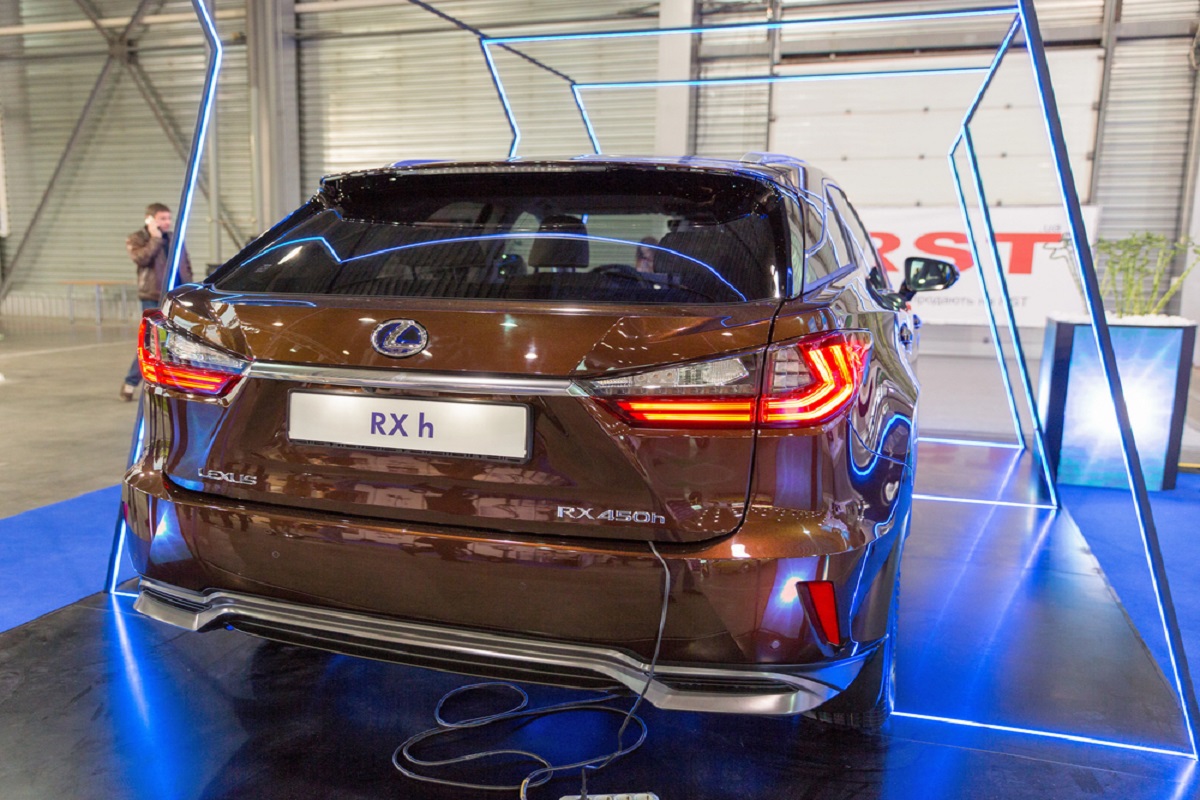
Electric and hybrid vehicles often use regenerative braking and different parking systems that don’t rely on a traditional handbrake. Instead, they incorporate software-controlled parking modes tied to the powertrain. This technological change has made old-school handbrakes virtually obsolete in EVs.
Related: 10 Common Car Mistakes That Could Lead To A Towing Disaster
Auto-Hold Features Became Standard
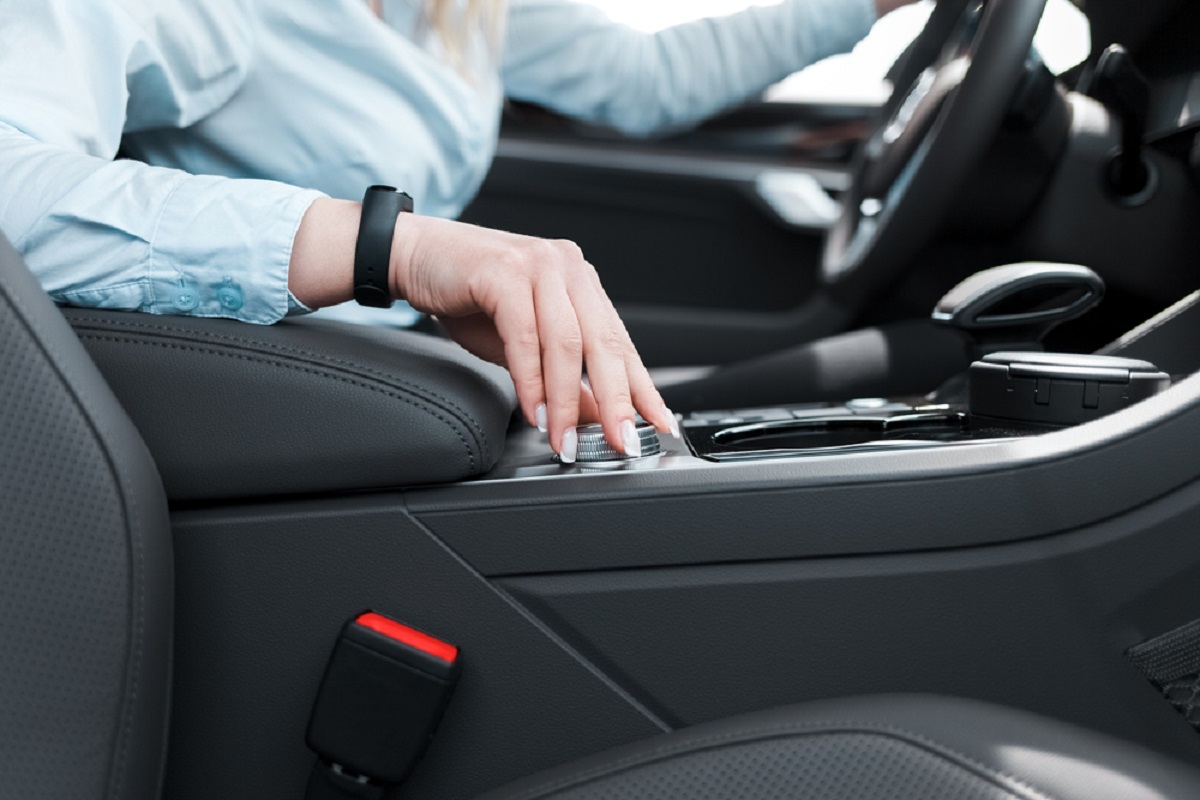
Auto-hold technology keeps the car stationary without needing to pull the handbrake manually. Once activated, the system holds the brakes after stopping, even on slopes, until you press the accelerator again. It’s a small upgrade that hugely improves driver comfort in traffic.
Related: 10 Red Flags Your Car Is Overloaded And How To Solve It Fast
The disappearance of the traditional handbrake isn’t just a matter of style, it reflects a major evolution in automotive design, technology, and consumer needs. Electronic solutions bring enhanced safety, convenience, and even aesthetic improvements that drivers have quickly come to expect. Although the handbrake holds a special place in automotive history, its role has largely been replaced by smarter, more efficient systems. Today’s cars are built for a future where manual interventions are fewer, and smart tech does the heavy lifting.
Disclaimer: This list is solely the author’s opinion based on research and publicly available information.
10 Dangerous Risks You Take When You Skip Brake Flushes

Many drivers are unaware of the true power and purpose of the ‘B’ gear, especially in automatic and hybrid vehicles. Often overlooked and misunderstood, this gear plays a crucial role in vehicle control, particularly in situations requiring enhanced braking or when navigating tricky terrain. Knowing when and how to use the ‘B’ gear can save your brakes, improve safety, and prevent serious mechanical damage.
Read it here: 10 Dangerous Risks You Take When You Skip Brake Flushes
12 Genius Multimeter Hacks Every Driver Needs To Know To Avoid Major Car Repair Bill

A multimeter is one of the most underrated tools a driver can own, yet it holds the power to diagnose problems before they become costly repairs. With a bit of know-how, you can use a multimeter to check key components in your car and avoid unnecessary trips to the mechanic. These hacks aren’t just for professionals, they’re simple enough for any car owner to master with a little patience. From dead batteries to faulty sensors, understanding how to use a multimeter can keep you one step ahead of expensive surprises.
Read it here: 12 Genius Multimeter Hacks Every Driver Needs To Know To Avoid Major Car Repair Bill
12 Common Car Lighting Mistakes That Could Lead To Serious Consequences

Car lighting systems play a critical role in ensuring safety, both for the driver and for others sharing the road. Unfortunately, many people overlook how vital proper lighting is, treating it as a secondary concern until it’s too late. Lighting mistakes can cause confusion, reduce visibility, and even lead to severe accidents or costly fines. What makes these errors even more concerning is that many of them are entirely preventable with basic awareness and vehicle maintenance.
Read it here: 12 Common Car Lighting Mistakes That Could Lead To Serious Consequences
You’ll love these related posts:
- 14 Unexpected Ways Your Car Is Impacting Your Day Without You Realizing
- 14 Audio Features That Will Transform Your Car Into A Mobile Concert Venue
- 13 Car Colors That Will Boost Or Ruin Your Resale Value
- 15 Deadly Engine Cleaning Errors You Can’t Afford To Make
- 10 Hyundai Cars That Vanished And Left Everyone Stunned